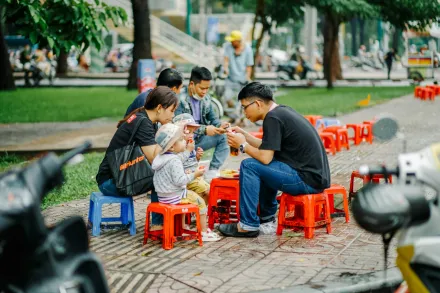
Public spaces form the backbone of modern life, hosting commerce, transit, education, culture, recreation, and social interaction. They are designed to bring people together, which is essential for communities to function, but that very design creates opportunities for the spread of infectious agents. The risk in these environments is shaped by how often people encounter one another, how long encounters last, the presence and quality of ventilation, the cleanliness of shared surfaces, and the everyday habits of individuals. Because these settings are diverse and dynamic, a layered approach is essential. This means combining personal actions with environmental controls and coordinated community practices so that safety is built into daily routines rather than treated as an occasional precaution. By paying attention to the most common pathways of transmission and the simplest, most consistent actions people can take, it is possible to reduce infection risk substantially without sacrificing the benefits of public life. The purpose of this article is to explain, in clear and actionable terms, how to prevent infection in public spaces through a comprehensive framework that can be adapted to homes, workplaces, schools, transit hubs, and venues of all sizes. It emphasizes both individual responsibility and collective measures, recognizing that the health of one person in a crowded place can depend on the care shown by others and on the systems designed to keep spaces safer for everyone. Throughout, the focus remains on practical steps that are feasible for a broad audience, are supported by evidence, and can be implemented in daily routines with minimal disruption to essential activities.
Understanding transmission in public spaces
Infections in public spaces typically spread through a combination of routes that can be broadly categorized into droplets, aerosols, and contact with contaminated surfaces. Droplet transmission occurs when larger respiratory droplets expelled by an infected person during talking, coughing, or sneezing land on the mucous membranes of another person nearby. Aerosol transmission involves much smaller particles that can linger in the air for minutes or hours, especially in spaces with poor ventilation or high occupancy, creating a risk even at a distance from an infectious person. Fomite transmission happens when pathogens contaminate surfaces, and a person touches those surfaces and then touches their eyes, nose, or mouth. Each route has distinct practical implications for prevention. Crowded indoor environments, poor ventilation, low humidity, and extended contact times increase risk, whereas well ventilated spaces, shorter exposures, and good hygiene practices reduce it. The fusion of multiple factors—how many people are present, how long they stay, how air flows, how surfaces are cleaned, and how individuals behave—determines the overall risk of infection in any given public setting. Awareness of these pathways helps in designing strategies that are proportionate to risk and adaptable to varying circumstances, from a bustling transit center to a quiet neighborhood library. It is also important to recognize that different pathogens have different survivability on surfaces, different thresholds for transmission, and varying levels of contagiousness. This means that the same set of practices can influence the spread dynamics of different infections in complementary ways, reinforcing a resilient approach rather than relying on a single precaution.
Personal protective practices you can adopt
Personally protective habits are the most direct line of defense against infections in public spaces. The core behaviors include maintaining good hand hygiene, avoiding unnecessary face touching, and using protective equipment when appropriate. Effective hand hygiene means washing hands with soap and clean water for at least twenty seconds, ensuring the entire surface of the hands is cleansed, including the backs of the hands, between fingers, and under the nails. When water and soap are not readily available, using an alcohol based hand sanitizer with a sufficient concentration can reduce microbial load rapidly. It is important to apply enough product to cover all surfaces of the hands and to rub them together until they are dry, since drying is part of the cleansing action. Protecting others also means practicing respiratory etiquette by covering coughs and sneezes with a tissue or the inner elbow, and by disposing of used tissues safely. The simple discipline of avoiding touching the face is another powerful guardrail, as the eyes, nose, and mouth are common entry points for pathogens. When in crowded or poorly ventilated spaces, wearing a well fitting mask or respirator can reduce exposure to respiratory emissions, especially in seasons when respiratory illnesses are more common. The choice of whether to wear a mask should consider the local epidemiological situation, personal risk, and the vulnerability of people around you, particularly in settings involving vulnerable populations such as older adults or individuals with chronic health conditions. In addition to these behaviors, staying up to date with recommended immunizations and keeping routine health checks helps maintain personal resilience against a range of infections, contributing to safer public spaces for everyone. Small daily routines—washing hands after touching shared surfaces, cleaning a phone screen after commuting, or sanitizing a shopping cart handle before use—add up to meaningful protection when practiced consistently over time. It is equally important to recognize personal limits; if you feel unwell, have fever or respiratory symptoms, or have known exposure to an infectious case, staying home or seeking guidance from a healthcare professional is prudent to prevent onward transmission and to support faster recovery for yourself. This mindset of protective behavior, extended through social awareness and communal cooperation, creates a norm where safety is embedded in everyday life rather than viewed as an exception.
Hygiene and surface etiquette in public areas
Good hygiene around shared objects and surfaces is a fundamental pillar of infection prevention in public spaces. People interact with door handles, railings, elevator buttons, payment terminals, and a host of other contact points many times during a typical day. Reducing the risk associated with these surfaces involves both behavioral changes and practical measures. Simple actions such as using a tissue or the sleeve to touch shared surfaces can limit the transfer of pathogens to the hands. After touching surfaces in public areas, it is important to wash or sanitize hands before touching the face or eating. Public facilities can support hygiene by providing accessible hand sanitizing stations, encouraging hands free or touchless technologies where possible, and ensuring that sinks and soap dispensers are consistently stocked and functional. Routine cleaning and disinfection of high touch surfaces in public spaces, using products that are approved for use against common pathogens, further reduces the microbial load. Cleaning protocols should be designed with the understanding that complete sterilization is rarely achievable outside controlled settings, but consistent cleaning reduces risk significantly. The choice of disinfectants should consider effectiveness, safety for users, and compatibility with the materials present in the space. In indoor venues that host many people, maintaining visible cleanliness signals a culture of care and safety, which can encourage more responsible behavior from occupants. Finally, education plays a critical role; signage and gentle reminders about hygiene practices help reinforce positive behaviors without creating fear or stigma. When people see consistent hygiene practices as part of the normal operation of a space, compliance tends to be higher and the overall environment becomes safer for all.
Ventilation and air quality in public spaces
Air quality and ventilation are central to controlling airborne transmission in enclosed spaces. Adequate ventilation dilutes and removes infectious aerosols, reducing the concentration of potential pathogens in the air. Venues ranging from offices and classrooms to shopping centers should aim for air exchange rates that meet or exceed established guidelines, while ensuring that the climate remains comfortable for occupants. Practical steps include increasing outdoor air intake where feasible, balancing ventilation systems to avoid dead zones where air stagnates, and using filtration with appropriate efficiencies to capture airborne particles. In spaces with limited ventilation, portable air filtration devices can supplement central systems, though they are not a complete substitute for proper design and maintenance. Regular maintenance of heating, ventilation, and air conditioning systems is essential; dirty filters and poorly maintained ducts can undermine the effectiveness of any ventilation strategy. In addition, monitoring carbon dioxide levels can offer a practical proxy for ventilation adequacy in occupied spaces, especially where many people congregate for long periods. Minimizing recirculation of air by using higher quality filtration and, when possible, keeping doors or windows open to promote cross ventilation can make a meaningful difference. The goal is not simply to circulate air but to ensure that the air present in a space is refreshed frequently enough to reduce risk while remaining comfortable and safe for occupants. Transparent communication about ventilation measures helps build trust with the public and supports adherence to guidelines during peak stress periods, such as seasonal illness surges or large public events.
Cleaning, disinfection, and environmental controls in public venues
Environmental cleanliness extends beyond the elimination of visible dirt; it encompasses the strategic reduction of pathogen presence on surfaces people touch routinely. Effective programs balance frequency, scope, and the types of surfaces addressed, prioritizing high touch points such as door handles, seating areas, payment devices, and restrooms. Cleaning protocols should be based on risk assessments that consider how often a surface is touched, how long pathogens survive on the material, and the proximity of people who use the space. Disinfection follows cleaning and uses products appropriate for the surface and compatible with the environment to avoid damage or hazardous residues. Public spaces can benefit from standardized schedules that align cleaning frequency with peak usage times, while ensuring that custodial staff are trained in safe handling of chemicals and in minimizing exposure to other occupants. Beyond routine cleaning, ventilation improvements, humidity control, and, in some cases, surface materials with antimicrobial properties can contribute to reducing risks. It is important to communicate cleaning practices openly, so occupants understand what is being done and why, which can enhance trust and cooperation. The aim of environmental controls is to lower the baseline level of potential pathogens through multiple layers of protection, creating a safer context for everyday activities and reducing the likelihood of transmission during unpredictable events or spikes in illness.
Masking and respiratory etiquette in public settings
Masking remains a flexible and context dependent tool in infection control. In many public spaces, masks help to reduce the emission of respiratory droplets from infectious individuals and to some extent protect wearers from inhaling droplets that are present in the air. The choice of mask type should be guided by the level of risk, the prevailing public health guidance, and individual health considerations. Well-fitting masks that cover the nose and mouth provide the best balance of filtration and comfort, especially in crowded or poorly ventilated zones, while lighter masks may be appropriate in more open or well ventilated environments. It is important to wear masks correctly, ensuring that there are no gaps at the sides and that the mask remains clean and dry. Respiratory etiquette also includes covering coughs or sneezes with a tissue or the elbow and disposing of tissues promptly and safely. Education about proper usage and maintenance of masks helps prevent misuse that can undermine their effectiveness. In some settings, authorities may implement mask mandates or recommendations based on current disease activity, hospital capacity, or the vulnerability of the population served by the venue. Individuals should stay informed about local guidance and be prepared to adjust their practices as circumstances change, recognizing that protective measures can be adapted to protect both personal health and community well being without imposing unnecessary burdens on daily life.
Public transport and commuting safety
Public transportation, commuter trains, buses, subways, and ride share services are designed for efficiency but inherently concentrate people in enclosed spaces for limited periods. The risk of transmission in transit depends on crowding, duration of the trip, airflow within vehicles, and how well surfaces are maintained. Practical measures include prioritizing travel during off peak times when possible, using routes and modes that minimize crowding, and choosing seating that maximizes airflow around your immediate area. Wearing a mask in transit can be a prudent precaution, especially in vehicles with limited ventilation. Hand hygiene remains important after touching shared surfaces such as handrails, ticket machines, and payment pads. If possible, wash your hands or use sanitizer upon arrival at your destination and again before meals or handling foods. Transit authorities can support safety by improving ventilation in vehicles, maintaining filtration systems, performing regular cleaning of high touch surfaces, and providing clear information to passengers about the expected behavior in different contexts. For individual travelers, planning ahead by keeping a small supply of hand sanitizer, a clean mask, and a reusable water bottle reduces the need to touch shared surfaces unnecessarily. By integrating these practices into daily routines, people can travel more confidently while still protecting themselves and others against infection risk in transit environments.
Workplaces, schools, and institutional settings
Educational settings, offices, clinics, and other institutions bring together people for extended periods, which elevates the importance of layered protection. In workplaces and schools, management plays a critical role in establishing a culture of health that complements individual responsibility. This includes ensuring adequate ventilation, providing access to hand hygiene supplies, implementing cleaning protocols for classrooms and workstations, and supporting policy measures that enable people to stay home when they are ill without fear of punitive consequences. Encouraging vaccination, offering flexible sick leave, and promoting early reporting of symptoms can help reduce spread while safeguarding essential services. Classroom and workplace design can contribute to safer environments by improving airflow, enabling space for distance without sacrificing function, and encouraging frequent breaks in which occupants can ventilate the space or step outside. Routine cleaning should address high touch areas such as desks, keyboards, shared equipment, and break room facilities, with particular attention to areas where people spend longer periods in close proximity. Instructors and managers should model protective behaviors, communicate expectations clearly, and provide feedback loops so that participants can report concerns about safety practices. When spaces are shared by a diverse population, multilingual and accessible information about health measures helps ensure equitable access to preventive practices. A well planned combination of vaccination, hygiene, ventilation, and organizational support creates an environment where learning and work can continue with minimized risk to health.
Public dining, shopping, and communal spaces
Dining and retail venues present unique challenges because they involve eating or handling items that require close contact with others and with shared surfaces. In dining spaces, tables, menus, utensils, and payment devices are all potential contact points. Protecting patrons and staff requires a balance between safety and experience. Measures such as improving air movement, expanding spacing between tables, using single use or easily sanitized menus, and providing accessible hand sanitizing stations contribute to safer dining environments. In retail venues, the flow of customers through aisles, the handling of products, and the use of checkout counters require deliberate maintenance of hygiene and orderly traffic. Staff training in customer interaction, early recognition of illness among employees, and policies that support staying home when unwell help reduce risk without compromising service levels. Cleaning protocols in these environments should emphasize high traffic areas and frequently touched surfaces, with attention to reducing contamination on commonly used display items and self service interfaces. Clear signage about hygiene expectations, such as hand hygiene before touching products or after using a self checkout, can reinforce good behavior while maintaining a positive customer experience. It is also important to consider the design of spaces that allow people to move with less contact, using one way corridors, wider aisles, and visible reminders to minimize crowding. Taken together, these adjustments preserve the benefits of public dining and shopping while creating safer environments for workers and customers alike.
Public events and gatherings
Large gatherings, concerts, sports events, conferences, and other public assemblies pose particular challenges because of concentrated crowds and prolonged exposure potential. Event organizers can contribute to safety by integrating health measures into the planning process from the outset. This includes evaluating venue ventilation, providing ample space for movement and queuing, scheduling breaks to refresh air, and communicating expectations clearly to attendees. Onsite amenities such as sanitizers, accessible restrooms, and handwashing stations should be readily available, with staff trained to monitor and respond to hygiene concerns. For attendees, practical steps include choosing seats with adequate spacing where possible, wearing a mask in crowded indoor environments, and avoiding attendance if feeling unwell or recently exposed to an infectious case. Cooperation between organizers, health authorities, and venue operators is essential to respond swiftly to evolving circumstances, whether that involves modifying capacity, adjusting service models, or implementing temporary closures. By balancing safety with the value of social and cultural experiences, communities can sustain essential activities while reducing infection risk in collective settings.
Food handling, dining safety, and communal kitchens
Food related spaces require extra attention to hygiene due to the intersection of infection control with nutrition and food safety. In kitchens and dining areas, professionals and volunteers should follow rigorous hygiene practices, including proper handwashing before handling food, use of clean utensils, and careful separation of raw and ready to eat foods to prevent cross contamination. Cleaning and sanitizing surfaces that come into contact with food, such as cutting boards, countertops, and stove tops, should occur routinely and with appropriate detergents and sanitizers. Dining areas should be organized to minimize crowding at service points, and menus or service methods should reduce the need for repeated contact with shared surfaces. Staff should be trained to recognize signs of illness and to follow sick leave policies that protect both employees and patrons. Patrons can contribute by practicing hand hygiene before and after meals, avoiding sharing utensils or food, and disposing of waste responsibly. Small, practical practices across food venues add up to meaningful reductions in transmission risk while preserving the social and cultural experience of dining together.
Behavioral norms, communication, and risk perception
The effectiveness of infection prevention in public spaces depends heavily on collective behavior and the social norms that guide everyday actions. Clear, consistent communication from authorities, facility operators, and community leaders helps people understand what is expected and why certain measures are in place. Messages should be accessible, respectful, and culturally appropriate, avoiding fear based language while emphasizing practical steps that individuals can take. Encouraging a sense of shared responsibility fosters cooperation among users, staff, and management, supporting compliance with hygiene, ventilation, and illness policies without creating stigma for those who need to take preventive actions. People are more likely to adopt protective behaviors when they see them as part of a trustworthy system rather than as sudden mandates. By reinforcing positive norms, such as washing hands before entering a space, covering coughs, or keeping spaces ventilated, communities build resilience that can adapt to changing health landscapes. This approach also invites feedback from occupants, which can help optimize existing measures and identify gaps that require attention from stakeholders. In short, the social environment surrounding a public space can be as important as the physical environment for reducing infection risk, and deliberate, inclusive communication is a powerful tool in shaping that environment.
When to avoid public spaces and seeking care
Even with comprehensive preventive measures, there are times when avoiding public spaces is the prudent choice. If you experience symptoms such as fever, persistent cough, shortness of breath, or sudden onset of fatigue that prevents you from functioning normally, staying away from crowded places helps prevent transmission to others. If exposure to a confirmed case has occurred, contacting healthcare professionals for guidance on testing and isolation duration is important to limit spread. People with chronic conditions or compromised immune systems may need to take extra precautions or seek medical advice earlier, particularly in environments known to have higher transmission risk. Those who have recently traveled from areas with higher disease activity should be aware of potential incubation periods and follow public health recommendations regarding self monitoring and testing. In such scenarios, prioritizing the health and safety of family members, colleagues, and vulnerable populations takes precedence over personal convenience. Making thoughtful decisions about when to participate in public life and when to rest at home is a sign of responsible citizenship and collective care for the health of the community.
Facility management responsibilities and public health collaboration
Facility managers, municipal authorities, and business owners play a pivotal role in shaping safe public spaces. Effective management requires integrating infection prevention into the core operations of buildings and venues. This includes establishing and maintaining ventilation systems that meet or exceed recommended standards, implementing cleaning schedules that reflect occupancy patterns, and ensuring that supplies for hygiene are always available. It also involves training staff to recognize health concerns, manage symptomatic individuals safely, and coordinate with local health authorities for updates on disease trends and guidance. Collaboration with public health agencies helps ensure that measures remain appropriate and proportionate to risk, while keeping lines of communication open with the public so that individuals understand how to protect themselves and others. Sound facility management also considers equity, ensuring that safety measures do not disproportionately burden communities with fewer resources and that all users can access clear information in their preferred languages and formats. When safety is embedded into the design of spaces, and when management and users work together, the risk of transmission in public settings can be reduced without undermining the functions that these spaces are meant to fulfill.
Preparing for future challenges and maintaining ongoing vigilance
Infectious disease dynamics evolve with time, and the best defense in public spaces is a preparedness mindset that adapts to new information and evolving risks. This means investing in flexible ventilation upgrades, robust cleaning routines, and adaptable policies that can be scaled up or down as needed. It also means fostering a culture of continuous learning, where lessons from recent health events are captured, reviewed, and translated into tangible improvements. Community engagement is essential for sustaining progress; when residents, workers, and students feel they have a stake in the safety of public spaces, they are more likely to engage with preventive measures in a constructive way. Regular updates to guidelines, ongoing education about how infections spread, and transparency about the scientific basis for measures help maintain trust and compliance over time. The landscape of public health is inherently dynamic, and the most effective strategies are those that combine practical actions, strong systems, and social cooperation. By integrating these elements across all types of public spaces—transit hubs, workplaces, schools, recreation centers, and civic venues—communities can strengthen their resilience and continue to enjoy the benefits of public life with a clearer sense of safety and shared responsibility.
In summary, preventing infection in public spaces is not about a single magical solution but about a layered, integrated approach that combines personal responsibility with environmental controls and robust institutional support. It requires attention to how diseases spread, disciplined daily habits, well maintained infrastructure, and open communication among all stakeholders. By embracing a holistic framework that respects individual needs, protects vulnerable populations, and preserves the essential functions of public life, communities can reduce transmission risk while maintaining the activities that keep societies vibrant and resilient. Every person who chooses to practice thoughtful hygiene, supports clean environments, and respects the well being of others contributes to the safety of public spaces for themselves and for neighbors, colleagues, and strangers alike. This collective effort—grounded in science, guided by practical experience, and carried forward by everyday actions—offers a path to healthier public life now and in the future.