Whole foods are foods that come in their natural or minimally processed forms, preserving the complex matrix of nutrients, fiber, and bioactive compounds that nature provides. They include fresh fruits and vegetables, whole grains such as oats and brown rice, legumes like lentils and beans, nuts and seeds, and dairy or animal products that are plain, unsweetened, and free from heavy processing. When foods are minimally altered, they retain a broad spectrum of vitamins, minerals, enzymes, and antioxidants that work together in synergistic ways t...
Nutrition & Diet


When the weather grows cool or the day’s pace slows, many people instinctively crave dishes that feel like a warm embrace. Healthy comfort foods blend familiar textures and flavors with ingredients that support steady energy, balanced nutrition, and sustained fullness. The goal is not deprivation but a kinder approach to everyday eating that honors cravings while nurturing the body. This article invites you to broaden the repertoire of cozy meals that nourish deeply, using smart substitutions, intentional cooking techniques, and flavors that sa...

In a world that moves quickly and often pushes nutrition to the back burner, the idea of healthy snacking can feel like a small rebellion against a busy life. Yet snacks, when chosen with intention, are not a guilty pleasure but a strategic tool that supports steady energy, better mood, and longer stamina between meals. The purpose of this article is to guide you through a thoughtful approach to snacking that fits real life, respects taste, and nourishes the body. It invites you to see snacks not as a second course of arbitrary nibbling, but as...

Dietary fiber is a distinctive component of plant-based foods that resists digestion by the enzymes in the human small intestine. Unlike most carbohydrates that are broken down and absorbed, fiber travels relatively intact through the digestive tract. This persistent presence begins to reveal its usefulness as it interacts with water, gut microbes, and the delicate lining of the intestines. Fiber is not a single substance but a broad category that includes a spectrum of complex carbohydrates and lignin that vary in chemical structure, solubilit...

Cooking at home is not merely a routine chore; it is a deliberate act that impacts the nutritional quality of meals. When a person plans, measures, and prepares ingredients within the familiar space of their kitchen, they engage with food in a way that allows for precise control over what is consumed and how it is prepared. The home kitchen becomes a laboratory where basic ingredients are transformed through heat, time, and technique into meals that meet specific dietary goals, whether those goals involve increasing fiber, reducing added salt, ...

Protein is a foundational nutrient that supports almost every physiological process in the body, from building and repairing tissues to supporting immune function and producing enzymes and hormones. Far from being a single monolithic nutrient, protein is made up of amino acids arranged in unique sequences that determine how the body uses them. Some amino acids are considered essential because the body cannot synthesize them in sufficient amounts, so they must be obtained from the diet. A balanced diet therefore centers on a broad spectrum of pr...

In the modern dietary landscape, the Mediterranean Diet stands out as a model of balanced eating that ties together taste, tradition, and science. It is not a single rigid plan but a philosophy that emphasizes plant-based foods, healthy fats, and mindful cooking. The core idea resonates with both historical patterns of eating in coastal regions and contemporary research that highlights health outcomes across populations. By focusing on real foods rather than processed substitutes, the Mediterranean pattern invites people to enjoy meals with fre...
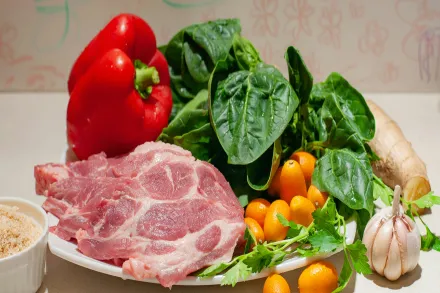
Inflammation is a natural and essential biological process that helps the body heal injuries, fight infections, and respond to stress. It involves a cascade of immune signals, the recruitment of white blood cells, and the production of signaling molecules that coordinate tissue repair. In acute cases, inflammation is a protective and temporary response. Problems arise when inflammation becomes chronic or systemic, persisting for months or years, and contributing to damage in joints, blood vessels, organs, and the brain. Dietary choices can infl...

Sleep is a fundamental pillar of health, and the foods we choose can have a tangible impact on how quickly we drift off, how deeply we sleep, and how effectively we recover from daily stress and exertion. The relationship between nourishment and rest is complex, intertwining hormonal balance, neurotransmitter synthesis, gut health, and inflammatory processes. When we eat in ways that support restorative sleep, we lay a foundation for better mood, sharper focus, more efficient tissue repair, and improved athletic or cognitive performance. This a...

Breakfast is a crucial moment in the daily rhythm, a first signal to the body about how it will manage energy, mood, and focus. It is not merely about quelling hunger but about delivering a compact set of nutrients that support metabolic efficiency, immune function, and cognitive sharpness as the day unfolds. Embracing superfoods at breakfast does not demand a drastic overhaul of your routine; it invites a thoughtful selection of ingredients that bring high nutrient density, plant-based compounds, and essential fats into harmonious combinations...