When the weather grows cool or the day’s pace slows, many people instinctively crave dishes that feel like a warm embrace. Healthy comfort foods blend familiar textures and flavors with ingredients that support steady energy, balanced nutrition, and sustained fullness. The goal is not deprivation but a kinder approach to everyday eating that honors cravings while nurturing the body. This article invites you to broaden the repertoire of cozy meals that nourish deeply, using smart substitutions, intentional cooking techniques, and flavors that satisfy without overwhelming the senses. By reimagining classics and embracing whole foods, you can enjoy the soothing ritual of comfort cooking while supporting long term health and vitality.
Healthy comfort cooking begins with a simple philosophy: prioritize nutrient density, embrace variety, and cultivate flavor through smart techniques rather than relying on heavy fats and processed ingredients. It is possible to craft dishes that feel indulgent and satisfying while staying mindful of portions, sodium, added sugars, and saturated fats. A kitchen that centers on fresh vegetables, legumes, whole grains, lean proteins, and healthy fats provides the foundation for meals that comfort the mind as well as the body. The trick lies in balancing texture, aroma, and mouthfeel so that every bite carries warmth, complexity, and a sense of fullness without leaving you sluggish or overly loaded with calories.
Foundations: ingredients that nourish without sacrificing flavor
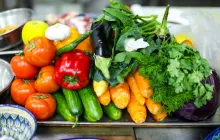
The cornerstone of healthy comfort foods is choosing ingredients that deliver both taste and nutrition. Start with vegetables that are rich in color and variety, since pigments often correspond to a broad spectrum of phytonutrients and fiber that support digestion and satiety. Incorporating colorful produce into soups, stews, casseroles, and braises helps create depth of flavor while boosting nutritional value. Legumes, beans, lentils, and chickpeas serve as affordable, versatile sources of plant protein and fiber, helping to build fullness and stabilize blood sugar after meals. Whole grains such as brown rice, quinoa, farro, and barley provide hearty texture and a slow-release energy that aligns with comfort cravings rather than spiking appetite later in the day.
Proteins chosen for comfort dishes should aim for balance and versatility. Skinless poultry, turkey, lean cuts of beef or pork, and fish offer high-quality protein with varying fat profiles that can be managed through cooking methods. For plant-based options, include tofu, tempeh, seitan, or sturdy vegetables like mushrooms that offer satisfying bite and umami. Healthy fats are essential for flavor and mouthfeel, so include olive oil, avocado, nuts, seeds, and small amounts of dairy such as yogurt or cheese where appropriate. The idea is to create a rich, comforting texture and a layered aroma without relying on heavy cream, butter, or processed sauces as default ingredients in every dish.
Flavor-building techniques that preserve flavor while reducing calories
Flavor is the heart of comfort food, and there are many avenues to achieve rich taste without excessive calories. Start by layering aromatics such as onions, garlic, leeks, and shallots, which form the backbone of depth in most savory dishes. Sautéing these components in a modest amount of olive oil concentrates their sweetness and intensifies aroma, so you need less fat overall. Umami boosters play a crucial role; miso, soy, tamari, tomato paste, mushrooms, balsamic vinegar, and miso-infused stocks can provide savory intensity that substitutes for heavier fats and sodium. Fresh herbs such as thyme, rosemary, parsley, and cilantro, along with citrus zest or juice, brighten dishes and add complexity without adding unwanted calories.
Another effective strategy is to maximize texture with vegetables and grains rather than relying solely on dairy or fatty sauces. Roasting vegetables concentrates their natural sugars and creates caramelized edges that feel indulgent. Braising proteins until they become tender introduces moisture without needing extra cream. For thickening sauces, blend beans, cooked cauliflower, or soaked cashews to achieve a creamy consistency without relying on cream or full-fat dairy. By emphasizing texture, aroma, and multifaceted flavor notes, you create dishes that feel luxurious and comforting while staying mindful of nutritional goals.
Balancing macronutrients in comfort dishes
Healthy comfort foods thrive when they balance carbohydrates, proteins, and fats in a way that sustains energy and promotes satisfaction. A well-rounded approach often centers on a protein source that reaches a comfortable appetite-suppressing fullness, complemented by fiber-rich carbohydrates that slow digestion and promote stable blood sugar. Incorporating healthy fats ensures flavor depth and creamy textures without resorting to saturated fats in excess. When planning meals, think about proportion and pacing rather than rigid rules, enabling you to enjoy a generous portion that feels satisfying while staying aligned with personal health aims.
In practice, you can apply this balance by pairing a protein with legumes or whole grains and generously seasoned vegetables. For example, a bowl of lentil and quinoa pilaf with roasted vegetables and a light drizzle of olive oil provides protein, complex carbs, and fats in harmonious ratios. A creamy texture can be achieved with blended white beans or Greek yogurt rather than heavy cream. This approach helps you build a repertoire of dishes that feel comforting and indulgent while still delivering nutrients that support energy, mood, and resilience throughout the day.
Vegetables as the hero without losing heartiness
Vegetables deserve a leading role in comfort foods because they bring fiber, volume, and a wide array of micronutrients without excess calories. Experiment with roasting, steaming, sautéing, and blending to craft textures that feel satisfying. Roasted roots and squashes deliver heartiness and natural sweetness that can rival starches such as potatoes when prepared with a careful balance of salt, acidity, and fat. Stir-frying quick-ten-minute veggie medleys allows for crisp-tender textures that retain nutrition and offer a vibrant contrast to protein and grains.
One strategy is to create vegetable-centric dishes that mimic traditional comfort fare. For instance, roasted vegetable lasagna can layer vegetables with a light ricotta or cottage cheese mixture and a modest amount of cheese for a satisfying bite without the heaviness of a fully creamy sauce. Similarly, a hearty vegetable chili loaded with beans and lentils can offer the warmth and spices of classic chili while providing substantial fiber and protein. The key is to treat vegetables as the main performer, enriching them with complementary textures, spices, and a touch of dairy or dairy alternatives to achieve a comforting mouthfeel.
Protein options for satisfying meals
Proteins contribute to satiety and nutritional balance in comforting dishes. When choosing proteins, consider the cooking time, fat content, and how they pair with other ingredients to deliver fullness and flavor. Lean meats such as chicken or turkey can be roasted, braised, or shredded into soups and stews for tender, comforting results. Fish and seafood offer delicate textures that work well with herbs, citrus, and light sauces. For plant-based routes, beans, lentils, tofu, tempeh, and seitan provide versatile options that absorb flavors beautifully and help form hearty bowls, curries, and casseroles.
Texture and moisture are essential for comforting dishes, so consider cooking methods that preserve juiciness. Slow braising or gentle simmering breaks down connective tissue, producing tenderness without excessive fat. Emulsions and light sauces built from mashed beans, yogurt, or blended vegetables can create a creamy sensation without relying on heavy dairy. By pairing protein choices with the right flavor boosters—citrus zest, garlic, fresh herbs, roasted vegetables, and a splash of stock—you can craft meals that feel indulgent and wholesome alike.
Whole grains that deliver texture and warmth
Whole grains bring a satisfying chew and a nourishing base for many comforting dishes. Brown rice, farro, quinoa, barley, bulgur, and oats provide complex carbohydrates, fiber, and a subtler sweetness that helps balance savory components. A hearty bowl can be built from a warm grain base, topped with vegetables, lean protein, and a savory sauce. When cooking grains, aiming for a slightly al dente texture can enhance mouthfeel and reduce perceived heaviness, allowing the dish to feel lighter while still comforting.
To maximize flavor, toast grains briefly in a dry pan before cooking to release their natural nuttiness. Add aromatics to the cooking liquid, such as bay leaves, garlic, or a cinnamon stick when using barley or brown rice, to layer fragrance without adding extraneous fats. Mixed grain bowls or pilafs can replicate the comforting sensation of pilaf or risotto while remaining lighter by relying on broth, vegetables, and a modest amount of olive oil. When used thoughtfully, whole grains become the backbone of dishes that feel substantial, warming, and deeply satisfying without tipping into heaviness.
Healthy fats that enrich texture and taste
Fat plays a critical role in flavor, texture, and satiety, but not all fats are equal in quality or impact. Favor heart-healthy fats such as extra virgin olive oil, avocado, nuts, seeds, and oily fish, using them to accent flavor and mouthfeel rather than as the sole source of richness. A little fat goes a long way in delivering aroma and silkiness, so measure portions and drizzle, rather than bathe, dishes in oil. Techniques such as finishing with a drizzle of olive oil, a squeeze of lemon, or a scattering of toasted seeds can elevate the dish dramatically without turning it into an oil-saturated fare.
In comforting casseroles or creamy sauces, explore dairy or dairy alternatives with moderated fat content. Greek yogurt, part-skim cheese, or blended cashews can create luscious creaminess without the density of heavy cream. Coconut milk, when used sparingly, can add a fragrant richness to curries and soups. The objective is to achieve a balanced fat profile that supports flavor and texture while keeping overall calories in a range that aligns with personal health goals.
Techniques for creamy textures without heavy cream
Creaminess can be achieved through clever technique and smart ingredient choices. One approach is to blend soaked nuts, such as cashews, with broth or water to produce a velvety base for sauces, soups, and stews. Another is to use pureed beans or vegetables such as cauliflower or white beans to thicken sauces naturally, delivering a smooth texture with added fiber. In recipes that traditionally rely on cream, substitute a combination of low-fat dairy or plant-based alternatives to maintain richness while reducing saturated fat. Emulsions, such as a tiny splash of Dijon mustard whisked with olive oil, can create a luxurious mouthfeel without heavy heaviness.
Maintaining mouthfeel is crucial for comfort foods, so consider incorporating texture contrasts. A dish might combine a creamy base with crisp-t roasted vegetables, toasted seeds, or crunchy legumes to create a satisfying bite. Temperature plays a role as well; some dishes benefit from a contrast between a warm, creamy core and a bright, acidic topping or a crisp topping that remains crisp after baking. Through these strategies, you can produce comforting foods that feel indulgent yet are lighter in fat and calories than traditional, rich versions.
Hearty soups and stews that nourish body and spirit
Soup and stew form a natural category for healthy comfort, offering warmth, nourishment, and opportunities to pack in vegetables, legumes, and whole grains. Start with a flavorful broth or stock, then add vegetables with a mix of textures, such as root vegetables for heartiness and greens for brightness. Legumes like lentils or beans contribute protein and fiber that promote fullness, while grains such as barley or brown rice provide visible heft and comforting chew. The slow-simmer method allows flavors to meld and intensify, producing a spoonful that feels substantial without heaviness.
Seasoning plays a pivotal role in soups and stews. Use a combination of aromatics, herbs, and spices to construct layers of flavor that carry through the long cooking process. A touch of acid at the end—such as lemon juice, vinegar, or a splash of wine—brightens the dish and prevents it from tasting flat as the ingredients meld. Soups and stews offer versatile possibilities: a smoky bean soup with cumin and smoked paprika; a vegetable-rich minestrone with whole-grain pasta; a fragrant lentil dal with cilantro and lime. Each variation can be tailored to seasonal produce and personal taste while remaining firmly within the realm of healthy comfort food.
One-pot meals that maximize flavor with minimal effort
One-pot meals epitomize comfort cooking by delivering warmth, nourishment, and convenience in a single vessel. The simplicity of a single-pot approach reduces cleanup and preserves the integrity of flavors as ingredients mingle during cooking. Start with a protein or legumes, add vegetables, and layer in grains or starches that can simmer together. A versatile base—such as a tomato-based sauce enriched with herbs and miso or a light coconut broth—provides a canvas for a variety of combinations.
Even within a one-pot framework, you can craft meals that feel substantial and restorative. Consider a Moroccan-inspired chickpea and vegetable tagine with quinoa, or a chicken, barley, and vegetable skillet that develops a comforting, velvety sauce through gentle simmering. The success of these dishes depends on the right balance of acidity, sweetness, and salt, achieved with careful use of stock, tomatoes, citrus, and a modest amount of olive oil. By mastering one-pot techniques, you gain powerful flexibility to adapt to what’s on hand while maintaining the comforting appeal of the dish.
Comfort-food staples reimagined: classics with a healthier twist
Many classic comfort dishes can be transformed to be lighter without losing their essence. A lighter mac and cheese can be achieved by blending cooked cauliflower or white beans into the cheese sauce, adding a portion of whole-wheat or chickpea pasta for fiber, and using reduced-fat cheese or plant-based alternatives with a flavorful mix of spices and mustard. Lasagna can be layered with vegetables, lean meat, or lentil-based fillings and enriched with a yogurt-based sauce to replace traditional heavy cream. Casseroles that traditionally rely on cream soups can be reimagined with homemade stock, a cornstarch slurry, or blended vegetables to create thickness and body without excess saturated fat.
Meat-and-potato classics can be softened through portions and alternate ingredients. A stew featuring lean beef with a generous heap of vegetables and a starch such as sweet potatoes or barley keeps the comforting recognition of the dish while reducing refined carbohydrates and added fats. A creamy comfort dish like a savory pudding or a risotto can be adapted by using blended vegetables or low-fat dairy to achieve a luxurious texture with less calorie density. These techniques demonstrate that tradition can meet modern health goals when flavor, texture, and nourishment are treated as equal partners in the kitchen.
Meal planning and batch cooking for consistency
Consistency in healthy comfort cooking comes from thoughtful planning and batch preparation. Start by designing a weekly menu that features a few core recipes you enjoy and can rotate. Prepare a bulk batch of a protein source, a set of roasted vegetables, a pot of legumes, and a grain or two that can serve as the base for multiple meals. When you cook once and eat well for several days, you reduce the temptation to reach for quick, less-nutritious options.
Storage strategy matters as well. Invest in airtight containers that preserve texture and flavor, and label meals with dates to ensure freshness. Reheating methods matter too; gentle reheating on the stove or in a low oven can help maintain texture better than rapid microwaving, which can soften vegetables and flatten sauces. By organizing the pantry, fridge, and freezer with an eye toward healthful comfort options, you create a reliable system that supports consistent, nourishing meals even on busy days.
Mindful eating and portion control in comforting meals
Mindful eating invites you to slow down, observe texture and aroma, and savor each bite. When enjoying comforting dishes, consider the pace of eating, the size of portions, and the overall balance of the plate. A portion scale can help you align serving sizes with your nutritional goals, but so can visual cues: aim to fill half the plate with vegetables, a quarter with protein, and a quarter with whole grains or starchy vegetables, letting healthy fats provide flavor in modest amounts. This approach supports satisfying meals without tipping into overeating or feelings of heaviness.
Beyond portion control, mindful eating emphasizes awareness of hunger and fullness signals. If a dish feels deeply comforting and you notice you’re eating beyond satiety, pause to assess whether the next bite is driven by emotional craving or genuine hunger. Adjusting the meal by adding vibrant vegetables, a citrusy brightness, or a crisp texture can satisfy sensory expectations without increasing the caloric load. Mindful awareness turns cooking into a sustainable practice rather than a quick fix, helping you maintain a long-term pattern of nourishing, comforting meals.
Flavor profiles from around the world to diversify healthy comfort food
Healthy comfort cooking invites exploration of global flavors that can transform familiar textures into exciting experiences. Spices such as cumin, coriander, turmeric, and paprika provide warmth and complexity without added fats. A smoky paprika-laden bean stew echoes comforting chili flavors, while curry blends can transform vegetable and lentil dishes into fragrant, satisfying meals. Asian-influenced versions with miso, ginger, garlic, and sesame seeds can create deeply comforting soups and stews that feel indulgent yet balanced. The key is to balance heat, acidity, salt, and aroma so that the dish remains comforting without becoming overpowering or overwhelming to the palate.
Global influences offer opportunities to pair ingredients in new ways that still feel familiar. A Mediterranean-inspired lentil soup with lemon zest, dill, and olive oil can evoke the warmth of childhood meals, while a Nordic-inspired fish stew with potatoes, dill, and a light cream substitute demonstrates how creaminess can be achieved with plant-based ingredients or low-fat dairy alternatives. By expanding the pantry with diverse spices, herbs, and pantry staples, you can create a rotating set of comforting meals that satisfy cravings while broadening culinary horizons.
Tools, equipment, and pantry essentials for healthy comfort cooking
Building a repertoire of healthy comfort foods is easier when you have reliable equipment that supports gentle cooking, moisture retention, and flavor development. A sturdy Dutch oven is ideal for braises, soups, and stews, allowing heat to distribute evenly and flavors to meld. A heavy skillet or sauté pan supports browning and texture formation, while a blender or immersion blender aids in creating creamy textures from vegetables, beans, and nuts without relying on heavy dairy. A sharp knife and a cutting board that accommodates a wide range of produce ensure efficient prep, minimizing time spent in the kitchen and reducing the likelihood of turning to convenience foods.
Stock your pantry with a balance of staples: dried beans and lentils, a selection of whole grains, canned tomatoes with no added sugars, low-sodium broths, olive oil, vinegars, and a variety of herbs and spices. Fresh produce should be on hand to adapt dishes to seasonal availability, and frozen vegetables can be a convenient backup to ensure you always have nutrient-rich options ready. The proper tools and pantry planning empower you to craft comforting meals quickly, consistently, and healthfully, turning a desire for warmth into a sustainable cooking practice that supports long-term wellbeing.
Common pitfalls and how to avoid them
Even well-intentioned cooks can drift into patterns that undermine health goals. A frequent pitfall is relying on heavy, nutrient-poor ingredients as defaults, such as processed sauces, refined starches, and excessive cheese. To avoid this, prioritize the core principles of healthful cooking: maximize vegetables, choose whole grains, lean proteins, and use flavorful plant-based boosters like herbs, citrus, and spice blends rather than relying on saturating fats.
Another common trap is underestimating portion sizes when meals appear small on the plate due to an abundance of vegetables. It is important to ensure that meals across the day provide consistent energy, so you may need to adjust portions to meet your hunger cues and activity levels. Finally, overcomplicating recipes with too many ingredients can obscure the goal of simple, nourishing meals. Embrace streamlined recipes with a core set of flavors and techniques that yield reliable results, then gradually expand your toolkit as you grow more comfortable with healthy comfort cooking.