In a landscape saturated with universal diet plans, a personalized nutrition plan emerges as a thoughtful response to the unique combination of biology, lifestyle, and preferences that shape every person’s relationship with food. Personalization is not merely adjusting portions; it is a process that begins with recognizing that energy needs, nutrient requirements, and satiety signals differ from one individual to another. It draws on a holistic view that includes activity level, sleep quality, stress management, digestion, and even the rhythms ...
Nutrition & Diet


In the modern work landscape, busy professionals often find themselves caught between demanding schedules and the basic need to eat well. The consequence of skipping meals or grabbing quick but nutritionally weak options is not only weight drift but also a decline in cognitive sharpness, energy levels, and mood stability across a demanding day. Healthy meal prep offers a bridge between professional obligations and personal well being by creating a buffer of reliability that can be accessed with minimal friction when appetite and time collide. W...

Energy in the body is the currency of daily life; it fuels thought, movement, and the ability to cope with stress. The modern schedule often places long stretches between meals, which can lead to sharp drops in blood sugar, ravenous hunger, and choices that do not support sustained focus. Healthy snacks act as a bridge, smoothing transitions between meals and providing a steady stream of nutrients that the body can use for immediate tasks and long term health. When snacks are chosen with intention, they become more than a quick bite; they are a...
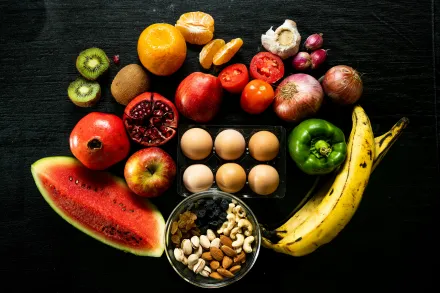
The eyes are remarkable organs that transform light into the images we perceive, and their well being hinges as much on daily habits as on chance. Nutrition plays a crucial role in maintaining comfortable vision, protecting delicate tissues from oxidative stress, and supporting the intricate machinery that keeps our sight clear across the years. A thoughtful approach to eating can nourish the retina, support the surface of the eye, and help slow some common age related changes. This article explores how diet influences eye health, the key nutri...

Healthy eating over time begins not with a rigid mandate but with a clear understanding that nourishment is a sustainable relationship with food rather than a temporary assignment. When you view eating as something that supports energy, mood, and longevity, you create a foundation that can absorb the inevitable fluctuations of life. This shift from diet to daily practice changes the tone of your decisions from punitive to curious, inviting you to explore what truly nourishes your body and mind. It also reduces the sense of sacrifice, turning me...

Healthy eating for children is a foundation that supports growth, development, learning, and long term wellbeing. What starts as early habits often travels with a child into adolescence and adulthood, shaping preferences, metabolic responses, and attitudes toward food that can last for decades. When families approach nutrition with patience, curiosity, and consistency, meals become opportunities to fuel energy, support concentration, and cultivate a sense of control and satisfaction around food. The process is not about perfection or strict die...

Detoxification is a process widely discussed in health circles, yet its true essence rests on how the body handles toxins, waste products, and metabolic byproducts that accumulate over time. At the core of detoxification are the liver and kidneys, organs that work with the gut and skin to filter, neutralize, and remove unwanted substances. Diet plays a powerful supporting role, not by magical quick cures but by supplying nutrients that bolster the body’s natural pathways. A thoughtful approach to eating can help maintain a steady flow of blood ...

Understanding the role of sugar in daily eating is the first stepping stone toward a healthier pattern that still feels satisfying. Sugar is a common ingredient in many foods, often added in hidden forms during processing or cooking, which can lead to a steady intake that many people find hard to control. Recognizing the difference between natural sugars found in fruits, milk, and some vegetables, and added sugars introduced during food preparation, helps create a starting point for thoughtful choices. When we pause to consider why sugar is pre...

The liver is a remarkable organ that performs hundreds of essential tasks every day, from filtering toxins to producing bile, metabolizing fats, carbohydrates, and proteins, and storing vitamins and minerals. Its health is deeply influenced by what we eat, how often we eat, and the balance of nutrients we provide for it to process and detoxify. When the diet supports the liver, metabolic efficiency improves, inflammation can drop, and the body finds a more stable internal environment for growth, repair, and daily functioning. A thoughtful appro...

Every healthy metabolism operates on a delicate dance between the availability of glucose in the bloodstream and the way the body uses it for energy. When you eat carbohydrates, your digestion breaks them down into glucose that enters the bloodstream, and this rise signals the pancreas to release insulin. Insulin acts as a key that unlocks the doors of body cells, allowing glucose to enter and fuel muscles, organs, and the brain. In people who manage their blood sugar well, this system responds smoothly: a careful rise in glucose is met with an...