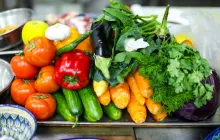
The liver is a remarkable organ that performs hundreds of essential tasks every day, from filtering toxins to producing bile, metabolizing fats, carbohydrates, and proteins, and storing vitamins and minerals. Its health is deeply influenced by what we eat, how often we eat, and the balance of nutrients we provide for it to process and detoxify. When the diet supports the liver, metabolic efficiency improves, inflammation can drop, and the body finds a more stable internal environment for growth, repair, and daily functioning. A thoughtful approach to nutrition translates into a more resilient liver, better energy levels, and a steadier mood, all of which contribute to long term well being. This article explores the types of foods that have demonstrated hepatoprotective effects, explains why they matter, and shows how to weave them into everyday meals in a balanced, sustainable way.
Understanding the liver’s role in metabolism and detoxification
The liver acts as a central processing hub where nutrients are converted into usable forms, waste products are prepared for elimination, and chemical reactions occur that manage energy, hormones, and immune signals. This organ filters the blood to remove toxins, bacteria, and aged cells while maintaining blood glucose levels, producing bile to emulsify fats, and synthesizing proteins that regulate clotting and immune defense. When the diet is rich in highly processed fats, refined sugars, and excessive calories, the liver can accumulate fat and undergo inflammatory changes that impact its function. Conversely, a diet anchored in whole foods, plant compounds, healthy fats, and adequate fiber supports smooth metabolic pathways, reduces oxidative stress, and helps the liver perform its duties with efficiency and resilience.
Core nutrients that support hepatic health and resilience
Essential nutrients that consistently appear in research as protective for the liver include omega three fatty acids from fatty fish, flaxseeds, and walnuts; dietary fiber from vegetables, fruit, whole grains, and legumes; and a spectrum of micronutrients such as vitamin E, vitamin C, B vitamins, selenium, and zinc. Omega three fats help regulate inflammation and can improve lipid profiles, while fiber aids in binding and eliminating toxins and cholesterol precursors through the gut. Antioxidants such as polyphenols and flavonoids found in colorful fruits and vegetables contribute to reducing cellular stress. Choline and betaine play a role in fat metabolism and liver cell repair, and adequate protein intake provides amino acids for liver regeneration without overloading the organ’s detoxification pathways. The combination of these nutrients in balanced amounts supports a liver that can respond adaptively to daily metabolic demands rather than being overwhelmed by them.
Smart dietary patterns that favor liver well being
Adopting a pattern that emphasizes color, variety, and whole foods while minimizing ultra processed items creates a stable nutritional environment for the liver. Emphasis on plant based foods introduces protective phytonutrients, fibers that feed gut microbes and help detoxification, and minerals that support enzymatic activity in liver cells. Regular meals with consistent timing prevent large fluctuations in blood sugar levels and insulin, which can influence liver fat deposition. Healthy fat choices, such as those from olive oil, nuts, seeds, and fatty fish, provide cell membrane support and anti inflammatory benefits. Adequate hydration assists kidney function and helps the body transport nutrients and metabolites efficiently. In sum, a deliberate, balanced diet that centers on unprocessed foods is one of the simplest, most powerful ways to keep the liver functioning at its best over the long term.
Cruciferous vegetables and the liver
Cruciferous vegetables such as broccoli, Brussels sprouts, cabbage, and cauliflower are rich in compounds that the body uses to detoxify harmful substances. They contain glucosinolates that are converted into biologically active products supporting phase two detoxification, a liver process that makes toxins more water soluble for elimination. This enhanced detoxification reduces oxidative stress within liver cells and can help maintain healthier cholesterol levels by modulating lipid processing pathways. The texture, flavor, and versatility of these vegetables make it easy to include them in meals in different forms, whether lightly sautéed, roasted, or blended into soups and smoothies. Their fiber content also contributes to gut health, which in turn supports the liver through the gut–liver axis, creating a synergistic protective effect that enhances overall resilience against dietary stressors.
Allium family allies: garlic and onions
The allium family, including garlic and onions, brings a unique combination of sulfur compounds, flavonoids, and antioxidants that can positively influence liver function. Garlic contains allicin and other sulfur containing molecules that may support detoxification enzymes and reduce lipid accumulation in the liver. Onions provide quercetin and a spectrum of polyphenols with anti inflammatory properties, supporting vascular health and cellular defense. Regular inclusion of these vegetables, in fresh, roasted, or lightly cooked forms, contributes to a broader antioxidant intake and helps modulate inflammatory processes that can challenge hepatic tissues. Together, garlic and onions add depth of flavor to meals while performing a protective role at the cellular level in the liver.
Leafy greens and chlorophyll rich vegetables
Leafy greens such as spinach, kale, Swiss chard, and arugula deliver chlorophyll along with a multitude of micronutrients and phytonutrients. Chlorophyll is believed to help neutralize toxins and may support the liver’s cleansing processes, particularly when consumed with other detoxifying foods. The fiber and water content of leafy greens promote satiety and gentle stomach processing, while their antioxidants help minimize oxidative damage in liver cells. Incorporating a daily serving of leafy greens through salads, sautéed greens, or smoothies ensures a steady supply of protective compounds and contributes to a nutrient dense diet that supports blood nutrient balance and internal cleansing pathways without placing excessive strain on digestive processes.
Beets, carrots, and other root vegetables
Root vegetables, including beets and carrots, offer a spectrum of pigments such as betalains and carotenoids that support liver health by acting as antioxidants and by contributing to anti inflammatory pathways. Beets in particular contain compounds that can assist in supporting bile production and flow, an essential function for digesting fats and removing waste. Carrots provide beta carotene, a precursor to vitamin A, which plays a role in cellular differentiation and immune function that can influence hepatic health. The naturally sweet flavors of these vegetables make them easy to incorporate into roasted trays, soups, and purees, delivering a reliable source of fiber, micronutrients, and plant pigments that work together to reduce hepatic stress and promote better liver function over time.
Herbs and spices with hepatoprotective properties
Numerous culinary herbs and spices contain potent phytochemicals that support liver health. Turmeric, with its active compound curcumin, has long been studied for its role in reducing inflammatory signaling and oxidative stress within hepatic tissue. Ginger offers anti inflammatory benefits that can ease digestive discomfort and help regulate gut motion, which in turn supports liver processing through the gut-liver axis. Cumin, coriander, and cilantro contribute aromatic depth as well as phytochemicals that interact with metabolic enzymes, assisting in the balanced breakdown and removal of toxins. While these spices are potent, they are most beneficial when used as part of a varied, colorful diet rather than as isolated supplements, which helps the body assimilate a broad spectrum of protective compounds in a harmonious way.
Berries, citrus, and colorful fruits
Fruits that deliver bright colors tend to be rich in polyphenols, flavonoids, and vitamin C, all of which support liver health through antioxidant effects and anti inflammatory actions. Berries such as blueberries, strawberries, and raspberries provide fiber and a modest sugar content that can be absorbed gradually, avoiding sharp insulin spikes. Citrus fruits contribute vitamin C and various citrus bioflavonoids that reinforce collagen synthesis and detoxification pathways. Other colorful fruits, including apples, pomegranates, and grapes, carry a range of phytonutrients that modulate enzymatic activity in liver cells and help protect against oxidative stress. Regular, moderate consumption of a variety of fruits helps maintain a robust antioxidant defense while keeping overall sugar intake in a reasonable range for liver health.
Beans, whole grains, and fiber rich foods
Fiber is a cornerstone of a liver friendly diet because it supports gut microbiota, binds potential toxins, and helps stabilize blood sugar and cholesterol levels. Beans provide both soluble and insoluble fiber as well as plant protein that is gentle on digestion yet satiating, contributing to a balanced energy intake. Whole grains such as oats, barley, and brown rice introduce complex carbohydrates with a slower release of energy and valuable minerals that assist enzymatic functions in the liver. Legumes, seeds, and nuts add texture and essential minerals that support detoxification processes. A steady inclusion of fiber from a spectrum of plant foods helps create a steady metabolic environment in which the liver can operate efficiently without excessive fatty acid accumulation or inflammation.
Coffee and tea: beverages with potential liver benefits
Moderate coffee consumption has been associated with a lower risk of certain liver diseases and may help reduce the progression of fatty liver disease in some individuals. The caffeine and various polyphenols in coffee appear to influence inflammation and fat metabolism in the liver. Tea, especially green tea, provides catechins with antioxidant properties that can support liver detoxification pathways and shield hepatic cells from oxidative damage. It is important to avoid adding excessive sugar or high calorie additives to these drinks, as that can counteract their beneficial effects. The choice of a simple, unsweetened or lightly sweetened beverage can become a meaningful part of a liver friendly routine when consumed in moderate amounts and as part of an overall balanced diet.
Healthy fats and protein sources for liver balance
Choosing fats that support liver health means favoring unsaturated fats from olive oil, avocados, nuts, and fatty fish over saturated fats and trans fats. These fats contribute to the integrity of cell membranes and help modulate inflammatory signaling. Protein sources should be varied and lean, including plant based options like lentils, chickpeas, and tofu, as well as fish, poultry, and eggs in reasonable portions. A diet that provides enough protein without excess amino acid load helps the liver rebuild tissue and manage metabolic tasks with less stress. Balanced fat and protein intake, combined with high fiber and micronutrients, creates a milieu in which liver cells can function efficiently, clear toxins, and maintain energy balance with minimal burden on detoxification pathways.
Avoidance strategies and moderation guidelines to protect the liver
While there is no single food that determines liver health, patterns of excess calories, high saturated fat intake, refined carbohydrates, and alcohol consumption can overwhelm hepatic processes over time. Limiting alcohol or avoiding it entirely is often a central recommendation for individuals seeking to protect or restore liver health. Reducing highly processed foods, added sugars, and sodium can also ease liver workload and support better metabolic outcomes. Being mindful of portion sizes and listening to hunger and fullness cues helps prevent overeating and the associated risk of fatty liver. When foods are chosen with a focus on whole, minimally processed ingredients, the liver experiences less oxidative stress and experiences smoother detoxification, allowing the body to maintain vitality and resilience through daily life.
Putting it all together: practical meal integration for liver health
In daily life, a liver friendly eating plan can be imagined as a tapestry of colorful vegetables, legumes, whole grains, and quality proteins, with healthy fats woven in to create satiety and steady energy. A typical day might begin with a bowl of oats topped with berries, seeds, and a drizzle of olive oil, complemented by a cup of unsweetened tea. Lunch could feature a large leafy green salad with a variety of vegetables, chickpeas, and a lemony vinaigrette, along with grilled fish or tofu. Dinner can introduce roasted cruciferous vegetables, a whole grain like quinoa, and a serving of beans or lentils, finished with herbs such as turmeric and garlic for flavor and antioxidative support. Throughout the day, water remains the primary beverage, with coffee or tea used in moderation as an optional component. This kind of meal pattern nourishes the liver by providing a spectrum of nutrients that support detoxification, inflammation control, and energy metabolism while avoiding excessive burden from processed foods and added sugars. In the long run, consistency matters more than perfection, and small, sustainable changes accumulate into meaningful improvements in liver health and overall wellness.
Simple culinary habits that reinforce hepatic protection
Over time, the most impactful changes come from consistent kitchen habits rather than drastic dietary shifts. Planning meals that emphasize a rainbow of vegetables, rotating protein sources, and including a portion of healthy fats can be done gradually. It helps to prepare vegetables ahead of time, so meals during busy periods remain nutrient rich rather than relying on convenience foods that may be less favorable for liver health. Flavor the dishes with herbs and spices that offer phytochemicals without relying heavily on salt, which can contribute to blood pressure elevation and fluid balance issues. By building a pantry that supports quick, nourishing meals, individuals create an environment in which the liver can perform its essential tasks with less fatigue and more efficiency, ultimately supporting better health outcomes across systems.
Personalization: listening to your body and adjusting based on response
Each person’s liver health story is unique, shaped by genetics, current health status, medications, and lifestyle history. Some individuals may benefit from avoiding certain foods that trigger digestive discomfort or sensitivity, while others may tolerate a wide array of plant foods well. Monitoring how you feel after meals, noting changes in energy, digestive comfort, and mood, can guide adjustments over time. If there are preexisting liver concerns or ongoing medical treatment, it is wise to work with a healthcare professional or a registered dietitian who can tailor dietary recommendations to your situation, ensuring that nutrient needs are met without conflicting with medications or therapies. The goal remains to nourish the liver through steady, mindful choices that support balance, repair, and resilience.
Integrating lifestyle choices beyond diet that support liver health
Nutrition is a central pillar, but liver health also benefits from other lifestyle factors. Regular physical activity helps reduce liver fat and improves insulin sensitivity, which in turn supports hepatic function. Adequate sleep and stress management contribute to hormonal balance and inflammation control, creating favorable conditions for the liver to operate efficiently. Avoiding environmental toxins when possible, using medications wisely, and being mindful of potential interactions between herbs, supplements, and prescribed drugs can prevent unnecessary strain on hepatic processes. By coupling a nutrient dense, varied diet with a structured activity pattern and restful rest, the liver is placed in an environment where healing and maintenance are accessible daily, allowing you to enjoy improved vitality and greater resilience over time.
Long term outlook: embracing a liver friendly lifestyle
Adopting an approach that centers on whole foods, plant diversity, healthy fats, and mindful portions lays a strong foundation for liver health that can endure changing seasons and life circumstances. The benefits extend beyond the liver, affecting gut health, cardiovascular risk, metabolic stability, and immune function. As you continue to explore different recipes, you may discover your own preferred combinations of vegetables, legumes, grains, fish, and plant based proteins that suit your tastes, energy needs, and cultural traditions. The journey is about finding enjoyment in nourishing foods while honoring the liver’s needs, leading to sustained health, improved energy, and a clearer sense of overall well being that comes from a balanced, thoughtful relationship with food.
In everyday practice, the choice to prioritize non processed foods that deliver color, texture, and flavor serves as a concrete step toward protecting liver function. When meals are designed with the liver in mind, the body’s capacity to efficiently metabolize nutrients is supported, and the risk of accumulating excess fat and inflammation tends to shrink. This does not require perfection, only consistency and variety. By weaving together vegetables, fruits, whole grains, legumes, lean proteins, and heart healthy fats, you create an ongoing dialogue with your body about nourishment, resilience, and vitality. The liver rewards such an approach with steadier energy, clearer digestion, and a durable foundation for health across the lifespan. This is why foods that improve liver health deserve a central place in any well rounded eating plan, and why a sustainable, enjoyable approach to cooking and eating can transform how you feel day by day, week by week, and year after year.