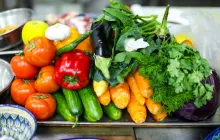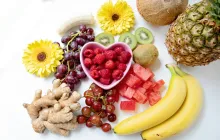
Detoxification is a process widely discussed in health circles, yet its true essence rests on how the body handles toxins, waste products, and metabolic byproducts that accumulate over time. At the core of detoxification are the liver and kidneys, organs that work with the gut and skin to filter, neutralize, and remove unwanted substances. Diet plays a powerful supporting role, not by magical quick cures but by supplying nutrients that bolster the body’s natural pathways. A thoughtful approach to eating can help maintain a steady flow of blood and bile through the liver, support the creation of detoxification enzymes, strengthen the gut barrier, and sustain hydration, all of which contribute to a state in which the body can process and clear substances more efficiently.
When we talk about detoxification through food, the emphasis is on consistent, balanced nourishment rather than dramatic short term cleansing rituals. The body’s detox systems rely on a steady supply of water, fiber to feed the microbiome, antioxidants to combat oxidative stress, and compounds that gently awaken the enzymes responsible for transforming and excreting toxins. A diet rich in fresh vegetables, plant-based proteins, whole grains, healthy fats, and fermented foods provides a broad spectrum of micronutrients and phytochemicals. These elements work in concert to support phase I and phase II reactions in the liver, to protect cell membranes, and to promote healthy inflammation levels, all of which can contribute to a more efficient detoxification process over time.
The metabolic dance of detoxification begins with protecting cells from damage as toxins are processed. Enzymes such as cytochrome P450 family members participate in phase I transformations that make toxins more water soluble, while phase II enzymes add molecules that aid solubility and excretion. Many foods supply the precursors and catalysts for these steps. For example, sulfur-rich foods provide amino acids needed to synthesize glutathione, a major antioxidant and detoxifying agent, while cruciferous vegetables generate compounds that modulate enzyme activity in a way that supports detoxification without overwhelming the system. In addition to molecular support, water and fiber foster efficient elimination through the gut and kidneys, helping to reduce the chance that toxins recirculate through the body. A well rounded approach emphasizes consistency, variety, and mindful preparation that preserves nutrient integrity from farm to table.
It is also important to recognize that detoxification is not a single event achieved by one superfood. It is a dynamic, ongoing process that benefits from a lifestyle that reduces toxin exposure, supports healing, and respects circadian rhythms. Sleep quality, physical activity, stress management, and clean food choices together influence how well the body handles metabolic waste and environmental chemicals. In this sense, foods that support detoxification are not a cure for all ailments, but a foundation for resilience. The aim is to nourish the liver’s enzymatic toolkit, sustain the gut microbiome, maintain hydration, and provide anti inflammatory, antioxidant rich materials that support cellular health. With these principles in mind, a diet focused on plants, whole foods, and gentle cooking methods becomes a practical ally in daily life rather than a temporary program.
As you explore detox supporting foods, you may notice certain themes emerge. Colorful vegetables and fruits bring a spectrum of phytochemicals with distinct actions, while legumes, whole grains, and seeds provide fiber and minerals. Healthy fats help carry fat soluble vitamins, support cell membranes, and reduce inflammation. Fermented foods nurture the gut ecosystem, which in turn can influence detoxification pathways. All of these elements combine to create a dietary pattern that supports the body’s natural cleansing processes, helps manage oxidative stress, and promotes steady energy and wellbeing. The following sections explore these categories in more depth, with attention to practical ways to incorporate them into everyday meals without resorting to extremes or deprivation.
Cruciferous vegetables and the enzymatic boost for detoxification
Cruciferous vegetables such as broccoli, Brussels sprouts, cabbage, cauliflower, and kale are particularly noted for their detox friendly properties. They contain glucosinolates, compounds that can be converted into biologically active molecules like sulforaphane and indole-3 carbinol when the vegetables are chopped or chewed and then gently cooked. These metabolites have been shown to influence detoxification enzymes in the liver, particularly those involved in conjugation and elimination, while also offering anti inflammatory benefits that support tissue resilience. A careful approach to preparation—light steaming, sautéing, or raw inclusion in salads—helps preserve these beneficial compounds. Regularly including portions of these vegetables across meals can contribute to a robust enzymatic landscape that supports detox pathways without requiring drastic dietary shifts.
The science suggests that combining cruciferous vegetables with other plant foods and healthy fats can optimize the uptake of their active compounds. For example, pairing broccoli with a source of fat can aid absorption, while including a citrus element can provide vitamin C that supports collagen and tissue integrity. Incorporating a variety of crucifers across the week ensures a broad range of glucosinolate profiles, which may tailor the detox supportive services to multiple pathways in the liver. This is not about chasing a single superstar item but about building a mosaic of plant based foods that work in synergy to maintain enzyme function and antioxidant defense.
Beyond glucosinolates, cruciferous vegetables offer fiber, vitamins, minerals, and phytochemicals that promote gut health and inflammation balance. The fiber content helps regulate transit time, which supports elimination and reduces the chance that toxins dwell in the colon. A diet featuring these vegetables contributes to a stable internal environment, supporting not only detoxification but overall metabolic wellness. In practical terms, this means finding ways to enjoy a daily serving of cruciferous vegetables, whether by a roasted medley, a quick stir fry, or a raw addition to salads, while being mindful of individual digestion and preferences.
In sum, cruciferous vegetables are a cornerstone for detox supportive eating due to their enzymatic modulation potential, antioxidant offerings, and fiber content. Regular inclusion helps to maintain a responsive detox framework, especially when combined with a varied intake of other detox supportive foods. The goal is consistency, respect for individual tolerance, and culinary creativity that makes these powerful plants a natural part of everyday meals rather than occasional treats.
Allium vegetables and the sulfur alphabet of detox
Allium family vegetables—garlic, onions, leeks, shallots, and chives—bring a distinct set of sulfur containing compounds that play supportive roles in detoxification. The sulfur amino acids in these foods contribute to the synthesis of glutathione, one of the body’s most important antioxidants and detoxification co factors. Glutathione acts as a pivotal partner in detoxification reactions, binding with toxins to make them more water soluble and easier to excrete. Regularly incorporating allium vegetables can help maintain a steady supply of the ingredients that drive glutathione production, thereby supporting both antioxidant defenses and the liver’s processing of harmful substances.
Preparation matters with alliums. Gentle heating, rather than high heat, can help preserve their sulfur compounds, while raw forms such as minced garlic added to dressings or salads can provide a more immediate sulfur signal to the body. A balance of raw and cooked forms can maximize benefits while accommodating varying tastes and digestion. Beyond glutathione, the unique compounds found in onions and garlic may also modulate inflammatory pathways and contribute to a more resilient gut environment, further assisting detox processes that rely on gut health and barrier integrity. They can be woven into countless meals, from soups and sautés to roasted vegetables and grain bowls, providing a reliable, flavorful source of detox supportive sulfur compounds.
These foods also pair well with citrus, herbs, and other vegetables that enhance flavor and nutrient absorption. The combination of sulfur rich foods with crucifers, leafy greens, and fiber rich staples creates a culinary framework that supports robust detox landscapes. The key is to enjoy a variety of allium vegetables regularly while tuning portions to personal tolerance and digestibility, especially for individuals with sensitivities or digestive concerns. The broader message remains simple: the sulfur alphabet of detox is best read in a daily diet that values plant diversity, gentle cooking, and steady meals that sustain energy and well being.
Leafy greens and chlorophyll rich nourishment for cleansing support
Leafy greens such as spinach, kale, Swiss chard, arugula, and romaine lettuce are powerhouses of nourishment for detoxification, offering a blend of chlorophyll, fiber, vitamins, and minerals. Chlorophyll pigments may help support the liver’s detox mechanisms, offering antioxidative and anti inflammatory signals that promote tissue resilience. In addition to direct chlorophyll related benefits, leafy greens contribute a generous supply of dietary fiber that feeds gut microbes and adds bulk to stool, aiding in the timely removal of waste products. The minerals present in greens, including magnesium and potassium, support muscle function, nerve signaling, and hydration balance, all of which contribute to the body’s ability to process toxins efficiently.
The texture and flavor of leafy greens lend themselves to a wide range of culinary applications. Lightly sautéed greens with a touch of garlic and olive oil, blended into smoothies, folded into wraps, or massaged into salads are all viable methods to enjoy them. The fiber content, when paired with adequate hydration, promotes healthy bowel movements that assist in daily detoxification. Aiming for multiple servings of leafy greens throughout the week ensures a steady supply of chlorophyll associated nutrients, while a rotating selection prevents dietary monotony and keeps meals interesting. The focus on greens is not merely about aesthetics but about providing minerals, vitamins, and antioxidants that collectively support baseline detox capacity and cellular maintenance.
For individuals seeking to optimize detox potential, pairing leafy greens with other color rich vegetables and fruits creates a dynamic nutrient profile. The synergy among different plant foods can broaden the spectrum of detox supporting compounds, ensuring that both the enzymatic machinery in the liver and the gut microbiome receive a wide array of substrates. The resulting nourishment fosters resilience and a sense of vitality that aligns with a daily habit of plant forward meals. In practice, you can incorporate a handful of greens into breakfast smoothies, salads at lunch, and vibrant sautés at dinner, helping to establish a rhythmic pattern of greens as a staple, rather than a sporadic choice.
Colorful fruits and polyphenols that rally detoxification pathways
Colorful fruits bring more than sweetness to the diet; they provide a spectrum of polyphenols and vitamins that support detoxification and cellular defense. Berries, citrus, pomegranates, apples, grapes, and tropical fruits each contribute unique compounds that can modulate inflammatory processes, support antioxidant networks, and aid in the maintenance of healthy blood vessels and tissue integrity. The antioxidant capacity of these fruits helps neutralize reactive species that otherwise stress detox pathways, while the fiber content supports gut health and regular elimination. In addition, flavonoids found in many fruits can influence liver enzyme activity and inflammatory signaling in ways that complement other detox supportive foods.
Approaching fruit as part of a balanced plate rather than as a dessert alone encourages sustainable choices. For example, a lunch bowl might combine leafy greens with sliced citrus, berries, and a handful of nuts, creating a collage of colors and textures that deliver hydration, fiber, and polyphenols. Snack time can be an opportunity to enjoy an apple with a handful of almonds, a pear with yogurt, or a citrus parfait that layers fruit with yogurt or cultured dairy. The beauty of fruits lies in their diversity; by rotating varieties across the week, you expose your body to a broad library of protective compounds that support detox processes in multiple tissues and at different times of the day.
Particularly compelling are berries and citrus for their balance of sweetness, brightness, and nutrient density. Berries contribute anthocyanins and ellagic acid, while citrus fruits bring vitamin C and a suite of flavonoids. These compounds can work together with vegetables to create meals that are both satisfying and functionally supportive of detoxification. In practice, a morning smoothie with berries, spinach, and a splash of lemon juice, followed by a fruit heavy afternoon snack, can become a reliable rhythm that nourishes skin, blood vessels, and liver function across the day.
Herbs and spices that gently nudge detox enzymes into higher gear
Herbs and spices provide concentrated flavors as well as bioactive compounds that can influence digestive health and detoxification. Turmeric, with its active constituent curcumin, has been studied for anti inflammatory properties and potential to support liver health. Ginger offers digestive comfort and anti inflammatory signals, while coriander seeds and fennel provide aromatic compounds that can aid digestion and help reduce bloating. The cultural wisdom surrounding these spices often aligns with modern perspectives on detoxification, as they encourage efficient digestion and a balanced inflammatory environment. Incorporating a pinch of turmeric into stews, curry dishes, or warm teas, along with ginger in soups, stir fries, or smoothies, can create a flavorful approach to detox supportive eating.
Other herbs, including parsley, cilantro, dill, and mint, bring fresh notes that can encourage appetite and digestive ease. The combination of herbs and spices with vegetables and whole grains can enhance flavor without adding excessive salt or processed ingredients. The practical takeaway is to explore a spice cupboard that emphasizes turmeric, ginger, cumin, coriander, and garlic as core building blocks for meals. You can vary recipes to keep meals interesting while maintaining a consistent pattern of herbs that support the liver and gut through their antioxidant and anti inflammatory properties. This culinary exploration helps sustain long term dietary habits that align with detoxification goals.
Fermented foods and a thriving gut as a cornerstone of detox
Fermented foods provide a dynamic way to nurture the gut microbiome, which plays a central role in detoxification and immune health. Yogurt and kefir supply live cultures alongside calcium and protein, while fermented vegetables such as sauerkraut, kimchi, and pickles introduce a variety of lactobacilli and other beneficial microbes. A healthy gut microbiome contributes to the breakdown and transformation of certain toxins, supports the intestinal barrier, and influences inflammatory signaling that can impact liver health. Regularly incorporating cultured foods in modest portions can diversify microbial communities and may help stabilize digestion and mood, both of which relate to overall detox capacity.
For individuals who prefer plant based or dairy free options, miso, tempeh, and natto offer fermented protein sources with distinctive microbial profiles. Even small daily portions can yield positive microbiome shifts over weeks and months. In addition to active cultures, these foods contribute a comforting savor and mineral content such as zinc, which supports immune function and enzyme activity. The key is to choose unpasteurized or naturally fermented products when possible and to be mindful of added sugars or high sodium content that can occur in some commercially fermented foods. Moderation and variety are important to balance flavor, digestion, and detox supportive effects.
As the gut microbes adapt, their metabolic activities generate short chain fatty acids and other metabolites that can influence gut permeability and systemic inflammation. These effects have downstream implications for detoxification, since a well backed gut barrier reduces the chance of toxins crossing into circulation and burdening the liver and kidneys. Integrating fermented foods with other detox supportive plant foods creates a robust dietary pattern that supports microbial diversity, gut health, and overall resilience in metabolic processes tied to detoxification.
Fiber and hydration as the backbone of daily detox support
Dietary fiber stands out as a practical pillar for detoxification because it shapes gut transit, nourishes the microbiota, and supports regular elimination. Soluble fibers from oats, barley, chia seeds, flaxseeds, and certain fruits form a gel like matrix in the gut that can slow digestion and help stabilize blood sugar, while insoluble fibers from whole grains, vegetables, and many seeds add bulk to stool and promote peristalsis. Together, these fibers help maintain a clean intestinal environment and reduce the recycling of toxins that might occur if waste lingers in the colon. A steady intake of diverse fiber sources across meals is a reliable way to support detox pathways through gut health and stool regularity.
Hydration acts as the other essential partner to fiber. Water supports kidney filtration, bile flow, and the transport of nutrients to sites where detoxification reactions occur. In addition to plain water, herbal teas and water rich fruits and vegetables contribute to daily hydration. Adequate hydration helps maintain mucosal integrity in the gut, supports circulation, and can facilitate the movement of waste products toward excretion. A simple practical aim is to drink water in connection with meals and active moments, listening to thirst cues, and adjusting intake to climate, activity level, and body size. When hydration is paired with fiber, detox supportive functions are more likely to operate smoothly and consistently day after day.
Fiber rich foods also tend to be rich in micronutrients such as B vitamins, magnesium, and potassium, all of which support metabolic processes including detoxification enzyme function and energy production. By weaving fiber and fluids into regular meals, you provide a stable internal environment that supports metabolism and waste elimination without placing excessive demands on any single pathway. It is this harmony between fiber, hydration, and nutrient density that makes fiber and water a practical foundation for detox supportive eating patterns in real life.
Healthy fats and mineral allies for detox tolerance
Healthy fats including olive oil, avocados, nuts, seeds, and fatty fish supply essential fatty acids that support cell membrane integrity and anti inflammatory signaling. Omega-3 fatty acids, in particular, have been associated with modulation of inflammatory processes that intersect with detoxification, potentially supporting liver function and reducing oxidative stress. These fats also aid the absorption of fat soluble vitamins such as A, D, E, and K, which are valuable for cellular health and detox processes across tissues. Including a source of healthy fat with meals enhances flavor, satiety, and nutrient balance, facilitating a long term dietary pattern that supports detoxification without energy deprivation or cravings that derail progress.
Minerals such as selenium and zinc contribute to antioxidant defense and immune function, while magnesium supports dozens of enzymatic reactions connected with metabolism and detoxification. Brazil nuts provide selenium in a single serving, while a variety of seeds, legumes, and whole grains supply zinc and magnesium in manageable amounts. This mineral foundation helps sustain the enzymatic machinery involved in detoxification, supports antioxidant networks, and reduces systemic stress that might otherwise overwhelm detox pathways. Incorporating a diverse portfolio of mineral rich foods as part of balanced meals ensures that the body has the micronutrient kit it needs to function well during detox supporting routines.
Understanding safety, limits, and a realistic view of detox
While many foods can support detoxification, it is important to avoid over promising dramatic cleanses or extreme restrictions. Detoxification is best viewed as a steady, sustainable practice rather than a temporary intervention. Some individuals may experience digestive sensitivities to certain fibrous vegetables or sulfur rich foods, and those with medical conditions or on medications should consult healthcare providers before major dietary changes. A wise approach emphasizes moderation, variety, and gradual adjustments that fit personal needs and preferences. Balancing enthusiasm for detox friendly foods with attention to overall energy intake, nutrient variety, and lifestyle factors fosters a more resilient and enjoyable path toward health integrity.
Moreover, detox support is most effective when it aligns with broader healthy habits. Limiting processed foods, excess added sugars, and high sodium items reduces the toxin load that needs processing and helps the body to maintain steady function. Adequate sleep, regular movement, and stress management contribute to the body’s capacity to perform detoxification tasks with efficiency and without chronic strain. By weaving these practices together with a diet rich in plant foods, herbs, spices, and fermented options, you create a lifestyle that naturally supports detox pathways rather than relying on dramatic, short lived interventions that may not yield lasting benefits.
Practical daily menus that nurture detox pathways
Crafting daily meals that support detoxification involves building balanced plates that emphasize color, texture, and nourishment while avoiding excess processing. A typical day can begin with a smoothie that blends leafy greens, a handful of berries, a spoon of chia seeds, and a squeeze of citrus, providing fiber, antioxidants, and hydration. For lunch, think of a hearty bowl featuring a variety of vegetables, a portion of cruciferous greens, a fiber rich grain such as quinoa or barley, and a protein source like beans or a modest portion of fish or tofu. Dinner might present a vegetable forward stir fry with garlic and ginger, a side of steamed greens, and a drizzle of olive oil, accompanied by a serving of brown rice or whole grain noodles. Between meals, snacks can include fresh fruit, a handful of nuts, or a small serving of yogurt or a cultured alternative, paired with a glass of water or herbal tea.
In practice, the strategy is to mix and match foods from the detox supportive pantry with attention to seasonal availability, budget, and personal preferences. Preparing vegetables with gentle cooking methods preserves nutrients while reducing any potential digestive discomfort, and including a source of healthy fats with meals supports nutrient uptake and fullness. Rotating varieties of vegetables, fruits, and fermented foods creates a diverse nutrient profile that reinforces detox pathways without becoming repetitive or exhausting. This approach is not about perfection but about steady consistency, enabling the body to adapt and sustain improved metabolic function over time.
A practical weekly rhythm might involve several meals where vegetables occupy the majority of the plate, with a protein component so digestion remains comfortable and steady. Paying attention to hydration during the day helps all these components move efficiently through the body, while herbs and spices brighten flavor and provide additional phytochemicals that support detox processes. The overall aim is to cultivate a dynamic, enjoyable pattern of eating that respects the body’s signals, supports liver and gut health, and reduces the burden of toxins through everyday choices rather than sensational claims or drastic measures.
Detox beverages, hydration, and mindful indulgence
Beverages can contribute meaningfully to detoxification support when chosen wisely. Water remains the foundation for hydration, while herbal infusions such as lemon ginger tea or peppermint can aid digestion and provide gentle warmth and comfort. Green tea offers catechins that contribute to antioxidant defenses, and it can be a mindful substitute for sweeter drinks, though caffeine content should be considered in the context of individual tolerance. Moderate coffee consumption has also been associated with antioxidant benefits for some people, though it is not essential for detox and may affect sleep quality in others. The key is to listen to your body and adjust intake to support energy, digestion, and relaxation without overdoing caffeine or sugar.
Herbal blends that emphasize cleansing flavors without relying on added sugar can become a beloved routine. For example, a warm brew with herbs such as dandelion, fennel, or licorice alternatives can soothe digestive rhythms and offer a plant based comfort. Smooth, unsweetened beverages that pair fruit, herbs, and cucumber or mint can provide hydration with a burst of flavor, helping to maintain momentum on detox goals. The overarching idea is to treat beverages as part of a living, evolving daily practice that supports hydration, gut health, and nutrient delivery to detox processes rather than as mere hydration substitutes or indulgences.
Environment, lifestyle, and the broader detox conversation
Diet alone cannot fully determine detox outcomes if exposures to environmental toxins remain high. A comprehensive approach includes reducing unnecessary chemical exposures in the home and workplace, choosing natural products where possible, and supporting detox through lifestyle choices that minimize the body’s toxin load. Regular physical activity supports circulation and lymphatic flow, both of which can facilitate waste removal. Adequate sleep supports hormonal balance and tissue repair, making detox processes more efficient. Stress management techniques and social connection contribute to overall health, reducing chronic inflammatory signals that can interfere with detox pathways. In this broader sense, detoxification emerges as a holistic endeavor, intertwining dietary choices with daily living patterns that preserve health and energy.
Incorporating detox supportive foods into a broader lifestyle thus becomes a sustainable, enjoyable practice rather than a punitive regime. The emphasis lies in variety, pleasure, and nourishment, ensuring that meals are satisfying and practical within different contexts. As you grow more comfortable with this approach, you may discover that your palate begins to crave fresh vegetables, aromatic herbs, and the bright tang of citrus, reflecting a body that is responding positively to the ongoing intake of protective nutrients. The cumulative effect is a healthier baseline that supports detoxification processes and contributes to a general sense of vitality that can be maintained across seasons and life’s inevitable changes.
Weekly framework and long term integration of detox supportive foods
Over the course of a week, you can cultivate a steady rhythm that rotates different detox supportive foods, ensuring a broad spectrum of nutrients and phytochemicals. One strategy is to center meals around a few core staples like leafy greens, cruciferous vegetables, legumes, whole grains, and a source of healthy fats, while weaving in fresh fruits, fermented foods, and herbs to add variety. This approach helps maintain palatability and satisfaction, which are essential for adherence. It also supports a diverse microbial environment in the gut and maintains a steady supply of the micronutrients needed for detox enzyme systems to function well. When planning ahead, consider batch cooking portions of grains and legumes, preparing a colorful roasted vegetable medley, and stocking fermented foods that enhance palatability and digestion. Such preparation makes it easier to assemble meals that align with detox supportive goals throughout the week and beyond.
In the long term, the integration of detox supportive foods into daily life becomes less about discipline and more about a natural, enjoyable way of eating. The body’s detox systems thrive on regularity, adequate hydration, and a spectrum of nutrients that come from a well rounded diet. Embracing this philosophy allows you to pursue health without feeling deprived, while still reaping the benefits of better metabolic function, reduced oxidative stress, and a sense of resilience that supports overall wellbeing. By acknowledging the complexity of detoxification while focusing on practical, nourishing choices, you can cultivate a sustainable pattern that serves you across decades and life circumstances, creating a dependable foundation for health that is rooted in real food and mindful living.