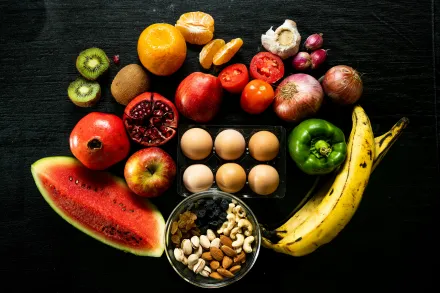
The eyes are remarkable organs that transform light into the images we perceive, and their well being hinges as much on daily habits as on chance. Nutrition plays a crucial role in maintaining comfortable vision, protecting delicate tissues from oxidative stress, and supporting the intricate machinery that keeps our sight clear across the years. A thoughtful approach to eating can nourish the retina, support the surface of the eye, and help slow some common age related changes. This article explores how diet influences eye health, the key nutrients responsible for eye comfort and resilience, and practical ways to weave nutrient rich foods into everyday meals without sacrificing flavor or joy in eating. The guidance offered here aims to empower readers to make informed choices that sustain sharp vision, enhance eye comfort, and contribute to long term ocular vitality through enjoyable, sustainable dietary patterns.
To appreciate why certain foods matter for eyes, it helps to understand that the eye is a complex tissue with specialized components. A central feature is the macula, a small region at the center of the retina responsible for high acuity tasks such as reading and recognizing faces. Lutein and zeaxanthin, two carotenoids, accumulate in this region and form a protective pigment that filters blue light and scavenges free radicals. The cornea, the clear front surface, benefits from hydration and antioxidants that guard against environmental stressors. The lens also depends on antioxidants to maintain clarity and reduce the risk of clouding that can blur vision. In addition, the neural tissue of the retina contains lipid rich membranes that rely on long chain omega-3 fatty acids for structural integrity and signaling. Nutrients play a supporting role across these tissues, and the right foods can supply the building blocks that help eyes perform their best and withstand wear over time.
Beyond specific nutrients, a habit of varied plant rich foods brings a spectrum of phytochemicals that work together to support eye health. Phytochemicals such as flavonoids, polyphenols, and anthocyanins contribute to flexible blood vessels, reduced inflammation, and improved microcirculation in ocular tissues. Omega-3 fats contribute to the fluidity of cell membranes in retinal cells, aiding in communication and function. Adequate protein provides amino acids essential for tissue repair and turnover, while minerals such as zinc and copper help enzymes that protect tissues from oxidative damage. Vitamin C helps stabilize collagen in the cornea and may contribute to resilience against stress, while vitamin E helps shield membranes from oxidative injury. The synergy among these nutrients can be more impactful than any single nutrient alone, which is why a diverse, colorful diet is strongly associated with sustained eye health over the lifespan.
A practical takeaway is that no single “magic” food will guarantee perfect vision for everyone, but a pattern of consuming nutrient dense foods can reduce the risk of certain eye conditions and support everyday comfort in eyesight. By prioritizing vegetables, fruits, whole grains, legumes, lean proteins, and healthy fats, individuals provide their eyes with a steady supply of protective compounds, anti inflammatory effects, and the energy needed to maintain visual tasks throughout long days. The human body processes nutrients through a web of metabolic pathways, and consistency in intake appears more important than occasional high dose consumption. This holistic approach aligns with general health guidelines and has the added benefit of improving overall well being, which itself influences how eyes feel during daily activities such as reading, driving, or focusing on screens.
Key nutrients that consistently emerge in eye health research include carotenoids such as lutein and zeaxanthin, long chain omega-3 fatty acids, vitamins C and E, zinc, and minerals that support antioxidant enzymes. Each nutrient has particular roles. Lutein and zeaxanthin are thought to absorb blue light and act as antioxidants within the macula, potentially reducing oxidative stress that contributes to age related changes. Omega-3 fats, especially docosahexaenoic acid (DHA), compose part of retinal membranes and may support blood flow and inflammation regulation in ocular tissues. Vitamins C and E help protect tissues from oxidative damage, while zinc participates in metabolic pathways that support enzyme function and protect photoreceptors. When these nutrients are supplied through a balanced diet, they can work together to support the eye’s defense systems and maintain comfort during tasks that require sharp vision over time.
In addition to these core nutrients, other dietary components play supportive roles. Anthocyanins found in berries and dark grapes may promote microvascular health and offer antioxidant protection, while flavonoids in tea, citrus, and apples may help preserve capillary function in the eye. Adequate hydration keeps the surface of the eye moist and comfortable, particularly in dry environments or for individuals who spend long hours in front of screens. A dietary pattern that emphasizes whole foods over processed options tends to supply a broad range of protective compounds that work in concert, promoting both ocular and general health. Adopting a lifestyle that reduces smoking, minimizes excessive alcohol intake, and maintains a healthy body weight further enhances the potential benefits of eye friendly nutrition.
As you plan meals toward eye health, think about color and variety as practical guides. Deep greens such as spinach and kale, bright oranges like carrots and sweet potatoes, and vibrant reds and blues from berries and peppers signal nutrient density that can contribute to ocular protection. Even modest, consistent changes can have meaningful effects over time. For people with dietary restrictions or special health considerations, it remains important to discuss nutrition strategies with a healthcare provider or a registered dietitian who can tailor guidance to individual needs while still emphasizing foods linked to eye health. The overarching message is simple: nourish the eyes by nourishing the whole person, with an emphasis on nutrient rich foods that provide protective pigments, structural fats, and robust antioxidant support. With mindful choices and a little planning, meals can be both delicious and beneficial for vision.
Carotenoids are a major focus in eye health conversations because of their concentrated presence in the retina. Lutein is found in various leafy greens and egg yolks, while zeaxanthin is abundant in corn, squash, and peppers, among other foods. The body does not synthesize these carotenoids efficiently, so dietary intake becomes essential. A practical approach is to combine sources across meals, such as a salad with kale or spinach topped with a few slices of avocado and a citrus vinaigrette, or eggs prepared with vegetables that supply lutein and zeaxanthin together. By distributing these nutrients throughout the day, you enhance the odds that the retina will receive a steady supply rather than a sporadic burst only on certain days. Moreover, pairing carotenoids with fats from olive oil, nuts, or fish enhances absorption, because these compounds are fat soluble and require dietary fat to be efficiently assimilated by the body. Integrating healthy fats with carotenoid rich foods can therefore maximize their benefits for eye health.
Similarly, omega-3 fatty acids, particularly DHA, are integral to the retina’s lipid membranes and visual signaling. Food sources of DHA include fatty fish such as salmon, sardines, and mackerel, as well as algae derived supplements for those following vegetarian or vegan diets. For individuals who do not eat fish, it is still possible to obtain adequate omega-3 intake by consuming flaxseeds, chia seeds, walnuts, and certain fortified foods, though these provide alpha linolenic acid (ALA) that must be converted to DHA and EPA in the body with limited efficiency. Therefore incorporating at least a couple of omega-3 rich meals per week is a practical objective for many people, and including a regular fish option with other plant based omega sources can help maintain a balanced retina friendly lipid profile. Understanding the different forms of omega-3s and their dietary sources helps in planning meals that contribute to eye health without compromising taste or variety.
But the eye’s nutritional needs extend beyond a handful of nutrients. Vitamin C is widely available in citrus fruits, berries, bell peppers, and green leafy vegetables, and its antioxidant properties can support collagen formation and the integrity of the cornea and sclera. Vitamin E, grouped with fats, protects cell membranes from oxidation and is present in nuts, seeds, and vegetable oils. Zinc acts as a cofactor for enzymes that repair tissues and support immune defense, and it is found in shellfish, meat, legumes, and whole grains. Because the eye operates in a high oxygen environment that can produce reactive molecules, maintaining a robust antioxidant defense through these nutrients is advantageous for overall ocular resilience. A diet that emphasizes varied plant foods, lean proteins, and healthy fats tends to provide these nutrients in a balanced way, minimizing the risk of gaps that could impact eye health over time.
With this background, it becomes clear that foods supporting eye health are not simply a collection of “good for you” items but a coherent nutrition strategy. Colorful meals, balanced macronutrient profiles, and mindful sourcing of nutrients create an inviting pathway to healthier eyes. When meals are aesthetically appealing and flavorful, adherence improves, and the eye supporting nutrients become a natural part of daily life rather than a special project. A persistent pattern of such meals contributes to comfort and clarity in vision, particularly as sensory demands change with age or lifestyle. The science behind these connections continues to evolve, but the practical guidance remains accessible: eat a wide range of nutrient dense foods, favor whole foods over ultra processed options, and pair carotenoids with healthy fats to maximize absorption while enjoying a diverse and satisfying palette. This approach not only fosters eye health but supports overall well being, reinforcing the idea that what we eat can influence how well we see the world around us for years to come.
Even on busy days, simple choices can keep nutrition aligned with eye health. A quick handful of almonds provides vitamin E and zinc, while a piece of fruit adds vitamin C and carotenoids in a complementary package. A bowl of leafy greens tossed with olive oil and lemon offers lutein and hydrating fluids, and a slice of grilled salmon or a plant based alternative supplies omega-3 fats. Breakfast could feature fortified cereals with milk or yogurt for zinc and vitamin D, along with berries that contribute anthocyanins and fiber. Lunch might be a colorful wrap with spinach, avocado, beans, and peppers, while dinner could center on roasted vegetables, whole grains, and a fatty fish or a flaxseed enriched dish. Snacks rooted in nuts, seeds, and fruit maintain steady nutrient delivery without heavy processing. By weaving these patterns into daily life, the eyes receive a regular supply of protective compounds, and the experience of vision remains comfortable and clear across seasons and circumstances.
In vulnerable populations such as older adults, the digestive and metabolic changes of aging can influence how nutrients are absorbed and utilized. It is beneficial to consider fortified options or a short consultation with a nutrition professional to ensure that intake aligns with individual needs. Some individuals may require supplements to meet recommended intakes for certain nutrients, especially if dietary restrictions or allergies limit consumption of key foods. Supplements, when used appropriately and under professional guidance, can complement a nutrient rich diet and support ocular health, though whole foods should remain the foundation of nutrition. The overarching theme remains consistent: prioritize a varied, colorful, and minimally processed diet that includes a mix of leafy greens, fatty fish or plant based omega sources, bright fruits, wholesome grains, and a spectrum of nuts and seeds to deliver the array of protective nutrients that eyes rely on for everyday functioning and long term resilience.
Another important aspect is lifestyle context. Regular physical activity, adequate sleep, and stress management influence ocular comfort by supporting blood flow, reducing intraocular tension fluctuations, and limiting oxidative stress. Hydration contributes to tear film stability, which is essential for eye surface health and comfort during screen heavy tasks or dry environments. A holistic approach that couples diet with these lifestyle habits tends to yield the best outcomes for vision. In practice, small, sustainable changes can accumulate into meaningful benefits over months and years. For example, choosing water or infused beverages instead of sugar laden drinks, adding a leafy green side dish to meals, and incorporating a weekly seafood or plant based omega source can gradually tilt the nutrient balance in favor of eye health. By embracing a lifestyle that values fresh foods, mindful preparation, and mindful consumption, individuals empower their eyes to perform at their best now and in the future.
Vitamins and minerals that support eye health
The diet that nourishes the eyes relies on a constellation of vitamins and minerals each contributing to different aspects of ocular function. Vitamin A is essential for the surface health of the eye, and sufficient intake supports the formation of the protective mucous layer of tears and the corneal surface. Vitamin A also contributes to the photoreceptor cells in the retina, influencing night vision and adaptation to changing light. In practical terms, retinol and beta carotene rich foods such as liver, dairy products, and colorful fruits and vegetables help ensure this critical nutrient is present where it is needed. Carotenoids with similar roles, although not converted into vitamin A, offer protective pigments in the retina and can complement the function of vitamin A by filtering harmful light and neutralizing reactive oxygen species. This redundancy, where multiple nutrients support overlapping tissue processes, is a helpful feature of the diet because it mitigates the risk that a single nutrient deficiency will disrupt essential eye functions.
Vitamin C, a water soluble antioxidant found in citrus fruits, peppers, kiwi, and many leafy greens, supports collagen synthesis that is vital for the cornea and sclera. Its antioxidant properties can help shield ocular tissues from oxidative stress induced by environmental exposure and metabolic activity. Vitamin E, a fat soluble antioxidant present in nuts, seeds, and vegetable oils, stabilizes cell membranes and protects photoreceptor cells from lipid peroxidation. Zinc, a trace mineral present in meat, shellfish, legumes, and whole grains, serves as a cofactor for enzymes that protect and repair ocular tissues, and it is involved in the metabolism of vitamin A in the retina. The interplay among these nutrients is nuanced; adequate intake of each supports the others, and together they help maintain the integrity of the structures that shape our sight. A varied diet that includes a regular intake of fruits, vegetables, nuts, seeds, whole grains, and lean proteins typically provides these essential nutrients in balanced proportions, supporting eye health without needing to rely on supplements for most individuals.
Lutein and zeaxanthin deserve special attention within the vitamin and mineral framework. Found in high concentrations in leafy greens and some colorful fruits and vegetables, they accumulate in the macula and act as natural sunglasses that help filter blue light and absorb high energy wavelengths. These carotenoids do not directly participate in energy production, but they play a specialized protective role in ocular tissues. Their dietary sources include kale, spinach, collards, turnip greens, yellow corn, zucchini, and egg yolks. The presence of fat in meals enhances their absorption, making it sensible to pair these foods with a small amount of healthy fat such as olive oil, avocado, or nuts. Because lutein and zeaxanthin content varies by variety and freshness, aiming for a daily intake through multiple servings of colorful vegetables and fortified foods ensures a steady supply to support the macula’s protective pigment and potentially reduce the risk of age related changes in the retina.
Omega-3 fatty acids, particularly DHA, are structurally important components of retinal membranes and are involved in signaling pathways that influence blood flow and inflammation. Sources include fatty fish like salmon, sardines, and mackerel, as well as plant based options such as flaxseeds and chia seeds that provide ALA, a precursor to DHA and EPA. While the conversion of ALA to DHA is limited, combining sources or using algae derived DHA can help ensure adequate retinal DHA levels, especially in populations with restricted fish intake. For those who avoid fish, careful planning with plant sources and potential supplementation may be appropriate after consulting a clinician to determine safe and effective strategies. The goal is to support the viability of photoreceptor cells and nourish the neural pathways that enable us to detect and interpret light with clarity and comfort.
In addition to these core nutrients, other minerals and compounds contribute to ocular health. Zinc interacts with vitamin A to support the regeneration of rhodopsin, a pigment essential for low light vision. Selenium works with antioxidant enzymes to help neutralize oxidative stress in ocular tissues. B vitamins, including riboflavin and niacin, support energy production in cells throughout the eye, which is a factor in maintaining function during demanding visual tasks. The practical implication is that a diet emphasizing whole grains, legumes, nuts, seeds, and lean proteins tends to provide a balanced suite of micronutrients beneficial for eyes, without requiring micro managing individual nutrient targets. This integrated approach aligns with broader health goals while keeping eye health at the forefront of everyday nutrition.
Digestive and metabolic health also influence how well the eye receives and uses nutrients. Efficient absorption means that the same amount of nutrients yields greater tissue availability. Factors such as fiber rich foods, healthy gut microbiota, and adequate hydration contribute to a stable internal environment that supports nutrient processing. At the same time, avoiding excess processed foods high in refined sugars and trans fats reduces systemic inflammation, which can indirectly affect ocular comfort. A food pattern that emphasizes fresh vegetables, legumes, whole grains, and high quality fats tends to promote healthier digestion and nutrient uptake, thereby fostering better nutrient delivery to the eyes as part of a comprehensive approach to health. This holistic view helps individuals understand why diet not only shapes their general well being but also how well their eyes function amid daily demands and environmental challenges.
When thinking about practical meals, aim for balance and color, with a protein source, a bundle of vegetables or a fruit variety, and a source of healthy fats in each day’s meals. A greens based soup with legumes and a drizzle of olive oil, a grilled fish served alongside roasted vegetables and a citrusy side, or a chickpea salad loaded with spinach, pepper and avocado can all contribute to a retina friendly menu. By framing meals around whole foods rather than supplements, you create a sustainable pattern that supports eye health alongside other physiological systems. The approach is inclusive, accommodating a range of dietary preferences and cultural cuisines, while still targeting the protective compounds known to support the eyes. In time, the habit becomes second nature, and the daily rhythm of meals naturally aligns with the goal of maintaining visual clarity, comfort, and resilience as life unfolds with age and activity.
Ultimately, foods that support eye health are not a mysterious subset of the diet but rather a practical representation of nutrition science translated into everyday choices. They reflect a philosophy of nourishment that treats the eyes as a valued organ worthy of dedicated care through the foods we select and the way we prepare them. By embracing a diverse, colorful, and minimally processed dietary pattern, you donate to your eyes a steady stream of nutrients that may improve tear quality, support macular function, reinforce corneal health, and help maintain comfortable vision during long periods of reading, screen time, driving, or outdoor activity. The habit pays dividends beyond vision, contributing to energy, mood, and overall vitality by supporting the body’s ability to utilize nutrients efficiently, regulate inflammation, and sustain healthy cellular function. In short, the foods we choose can become allies in maintaining clear, comfortable eyesight now and as the years advance.
For those seeking a concise mental map, the guiding principles are straightforward. Pick a wide spectrum of vegetables, especially leafy greens and brightly colored produce, combine them with lean proteins and heart healthy fats, and ensure there is some seafood or nutritious plant based omega sources several times a week. Include fruits that supply vitamin C and other antioxidants, supplemented by nuts or seeds to deliver vitamin E and zinc in healthy combinations. Hydration and mindful cooking methods that preserve nutrient content further enhance the eye protecting potential of the meals you prepare. While no single recipe is a guarantee of perfect vision, consistently following these principles supports the eyes' structural integrity, reduces oxidative stress, and sustains the capacity to focus accurately across tasks and life stages. The result is a practical, enjoyable approach to food that reinforces eye health as a natural extension of daily living and a meaningful form of self care.
The long view is important. Eyes, like other organs, benefit from a steady rhythm of nourishment across months and years. Consider integrating new fruits and vegetables into meals in creative ways to keep the diet enjoyable and diverse. Experiment with herbs and spices to enhance flavor while preserving or increasing nutritional density. Adopt a routine of planning meals with eye health in mind, perhaps by designing a weekly menu that features at least one leafy green dish, one fatty fish option, and one fruit based dessert or snack that contributes to vitamin C and carotenoid intake. With curiosity and consistency, it becomes easier to maintain a diet that supports the eyes and the rest of the body, transforming everyday meals into a practical form of preventive care that aligns with personal preferences, cultural cuisines, and lifestyle realities. In this way, foods that support eye health become a natural part of a balanced and enjoyable life, rather than a rigid or isolated requirement that feels out of sync with daily routines.
As you explore these ideas, remember that taste, texture, and aroma matter. Food that tastes good is more likely to be consumed regularly, and a sensory pleasant experience increases adherence to healthy patterns. The best strategy is to build meals that celebrate color, crunch, and aroma while delivering nutrient rich ingredients that are known to support eye health. Start with familiar foods and gradually introduce new items or preparation methods to keep meals interesting. For some, this may mean upgrading a familiar dish by swapping in spinach for iceberg lettuce, adding a handful of walnuts to a vegetable medley, or choosing eggs sourced from hens fed a diet rich in greens. For others, it may involve exploring different ways to cook fatty fish so flavors remain vibrant rather than muted by overcooking. In every case, the objective is to create nutrient dense meals that are enjoyable to eat and supportive of eye health in a sustainable way. The details of preparation can matter, but the guiding principle remains the same: choose a broad palette of nutrient rich foods, cook them in ways that preserve their beneficial compounds, and enjoy the process of nourishing your vision through food.
In closing, the foods that support eye health are accessible, practical, and compatible with a wide range of dietary patterns. They emphasize plant based minerals and vitamins, essential fatty acids, and protective carotenoids, all delivered through real foods that contribute to long term well being. By embracing this approach, you are investing in the clarity and comfort of your vision, while also supporting cardiovascular, metabolic, and cognitive health. It is a gentle reminder that health is built from many small choices across meals and days, and the eyes are part of that larger system. The journey toward better eye health can be enjoyable, delicious, and deeply rewarding, reflecting a philosophy that emphasizes nourishment, balance, and sustainable habits that empower you to see the world with greater ease and confidence for years to come.