In the rush of mornings that begin before the sun rises and in days crowded with meetings, deadlines, and responsibilities, it can feel almost impossible to eat in a way that sustains energy and health. Yet the foods we reach for in moments of stress become the fuel that powers focus, mood stability, and productivity when those long hours press in. Recognizing this connection transforms healthy eating from an ideal into a practical system that fits into real life. The first step is acknowledging that tiny, repeatable patterns beat grand, unreal...
Nutrition & Diet

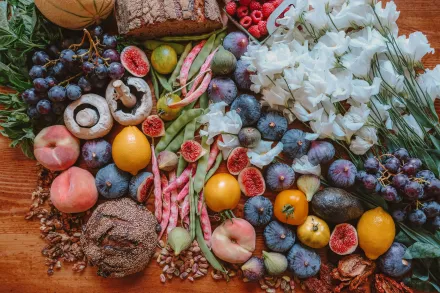
Bone health is a dynamic balance between bone formation and bone resorption, a process influenced by genetics, age, physical activity, and notably the foods we choose to feed our bodies. The skeleton is not simply a passive framework; it is a living tissue that responds to nutrients with remodeling cycles that can strengthen or weaken its structure over time. In this broader view, nutrition emerges as a central player in maintaining bone integrity, reducing the risk of fractures, and sustaining mobility across the life course. The foods highlig...

The brain is a marvel of biological engineering, and fats play a central role in its structure and function. Neuronal membranes are composed largely of lipids, and the fluidity of these membranes influences how receptors and channels work, shaping communication between neurons. Myelin, the insulating layer around nerve fibers, is rich in lipids, and the integrity of this sheath supports rapid signaling essential for learning and memory. Without healthy fats, signaling can become less efficient, and cognitive performance may feel dulled, especia...

Cravings for sugar arise for many reasons, weaving together biology, emotion, habit, and environment. When a person reaches for something sweet, the brain may be seeking a quick surge of energy or a momentary comfort from stress. In this light, reducing sugar cravings becomes less about avoidance and more about reshaping the signals that drive food choices. By understanding the interplay between blood sugar fluctuations, hunger cues, and emotional states, a person can craft a pathway that gradually tilts toward healthier patterns without feelin...
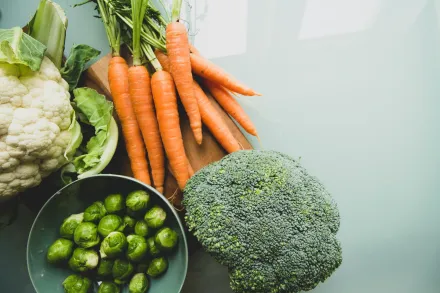
Vitamin E is a term that encompasses a group of fat soluble compounds with distinct chemical structures, yet a shared mission within the human body: to protect cells and tissues from oxidative damage while participating in a range of metabolic processes that influence health and resilience. The most studied form in human nutrition is alpha-tocopherol, which is considered the biologically active component in many dietary recommendations. Beyond alpha-tocopherol, a family of related compounds known as tocopherols and tocotrienols exists, each con...

Vacation is a time to unwind, explore new places, and create memories that last beyond the photos you take. Yet it can also be a moment when regular routines around meals, sleep, and activity are disrupted. The goal of healthy eating on vacation is not rigidity or deprivation but a thoughtful approach that supports energy, mood, and enjoyment. When you blend practical choices with a flexible mindset, you can savor local flavors, keep your nutrition on track, and return home without feeling overwhelmed by the dietary derailment that sometimes ac...

Plant proteins form a cornerstone of culinary culture across continents, appearing in dishes that range from hearty stews and grain bowls to delicate sauces and snackable morsels. They matter not only because they deliver essential amino acids that the body cannot synthesize on its own, but also because their diverse sources bring fiber, minerals, and phytochemicals that can support long term health. The concept of a complete protein, one that provides all nine essential amino acids in adequate amounts, has often been described in relation to a...

In the realm of modern living, few goals are as compelling as the ability to nourish the body with wholesome meals without drowning in the clock’s relentless pressure. The art of cooking healthy meals quickly is not simply a matter of sprinting through recipes; it is about cultivating a mindset that blends efficiency with nutrition, flavor with balance, and simplicity with variety. The intention here is to explore practical approaches that empower anyone to craft meals that sustain energy, support wellbeing, and taste satisfying while taking le...

Fats have long been misunderstood in popular dieting culture, often demonized or oversimplified as a simple source of excess calories. In truth, fats are a diverse family of molecules that perform essential functions in every cell of the body. They provide a concentrated supply of energy, help absorb fat-soluble vitamins, support the integrity of cell membranes, and contribute to the production of hormones that regulate metabolism, mood, and immune responses. For many people, including healthy fats in meals increases satisfaction and reduces cr...

Fruits and vegetables bring a broad spectrum of color, texture, and flavor to everyday eating, and more importantly they deliver a wealth of nutrients that support energy, immune function, digestion, and overall well being. The practical goal is not simply to add produce on occasion, but to weave fruits and vegetables into the rhythm of daily meals and snacks in a natural and enjoyable way. When produce becomes a regular companion to breakfast, lunch, dinner, and even dessert, it shifts from a separate side dish to a central part of the culinar...