In today’s world, cultivating a diet that is both nourishing and affordable is a practical skill that can transform daily life. The pursuit of nutrition need not be a luxury reserved for those with ample means or time. Instead, it can emerge from deliberate choices, steady habits, and a mindset that values whole foods, thoughtful planning, and efficient preparation. The aim of this exploration is to illuminate strategies that help align the desire for nutritious meals with the reality of limited financial resources, while preserving flavor, variety, and satisfaction. By embracing a holistic approach to shopping, cooking, and mindful consumption, individuals can enjoy meals that fuel energy, support health, and respect budget constraints without sacrificing taste or quality. This perspective acknowledges that healthy eating is not about deprivation but about making the most of available options, maximizing nutrient density per dollar, and reducing waste through smarter routines and smarter purchasing choices. The path described here emphasizes balance, practicality, and sustainability, recognizing that lasting change often grows from small, consistent steps that compound over time into meaningful improvements in well being.
Planning as the foundation
Effective planning creates a stable framework for nutrition that protects both health and finances. When a person takes time to map out meals, they reduce the likelihood of impulse purchases and food waste, two common drains on a budget. A thoughtful plan begins with a gentle assessment of weekly routines, including work hours, family needs, and the rhythms of shopping opportunities. A simple approach is to sketch a rough outline of what meals will look like across the week, allowing room for leftovers to become the main course on subsequent days. The act of planning should consider variety, ensuring that a spectrum of nutrients is represented through a rotating menu that emphasizes vegetables, legumes, whole grains, and lean proteins. A practical mindset is to set a flexible target that balances favorites with new ingredients to keep meals interesting without inflating costs. The plan should also identify a few core ingredients that can anchor multiple dishes, creating cohesion and reducing the chance of waste if a rare item sits unused in the pantry. When planning, it is beneficial to estimate costs loosely, recognizing that markets fluctuate and seasonal specials can shift the price landscape. The goal is not to chase every discount but to cultivate dependable shopping habits that maintain nutritional quality while protecting the wallet. A well crafted plan also accounts for time, acknowledging that some days demand quick meals while other days invite longer cooking sessions that yield generous leftovers. This awareness helps in choosing recipes that suit both energy and schedule, so meals remain accessible rather than stressful.
Building a resilient pantry
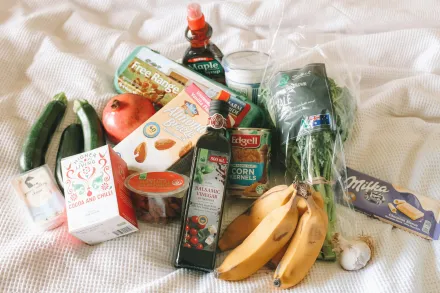
A sturdily stocked pantry acts as a shield against expensive last minute purchases. A resilient pantry is built around staples that store well, travel well, and form the backbone of many meals. Consider basing it around plain grains such as brown rice, oats, whole wheat pasta, and quinoa kept in airtight containers to extend shelf life. Legumes in dried form or canned varieties provide protein, fiber, and satiety at a modest cost. Canned tomatoes, tomato paste, and a selection of herbs and spices unlock a wide array of flavor profiles without needing fresh produce for every dish. Nut butters, peanut butter for example, offer protein and healthy fats that promote fullness when spread on bread or added to sauces. Eggs provide high nutritional value at a relatively modest price per serving, and they can be incorporated into countless preparations that stretch into breakfast, lunch, and dinner. Shelf stable dairy alternatives, powdered milk, or soy milk can supplement calcium and vitamin D when fresh dairy is not available at a good price. A pantry that includes olive oil or another heart healthy oil, minced garlic, onions, and a small selection of vinegars can elevate simple meals without requiring frequent shopping trips. By cultivating a set of core pantry items, a household can improvise meals that are nutritious, flavorful, and affordable even on a tight schedule or during lean weeks. The pantry is not a prison but a flexible toolkit that invites creativity while anchoring choices in value and health. Keeping inventory with a routine check helps prevent duplicates and spoilage, and rotating stocks reduces waste while highlighting opportunities to use older ingredients in new ways.
Smart shopping habits
Smart shopping is as much about discipline as it is about knowledge. It begins with understanding unit prices and recognizing that a larger package may be more economical per unit, while the extra quantity must still be used before it spoils. It also involves comparing store brands with name brands, because many low cost options deliver equal nutrition with similar taste. When possible, shopping at markets, cooperatives, or discount grocers that emphasize fresh produce and bulk items can yield savings that compound over the course of a month. Planning a shopping trip around a prewritten list anchored in the weekly plan reduces unnecessary diversions and helps maintain focus on nutrient dense foods rather than impulse purchases. It is valuable to be mindful of the timing of purchases, as many stores reduce prices on perishables toward the end of the day or week to clear stock. Bulk bins provide opportunities to buy exactly the amount needed for a recipe without excess packaging costs, and they often come with the extra benefit of enabling experimentation with new ingredients without committing to large quantities. Flexible shopping can include choosing seasonal produce, which tends to be less expensive and fresher, and seeking out frozen alternatives that lock in vitamins and minerals while offering a long shelf life. A steady habit of evaluating prices, reading labels for sodium, added sugars, and processing levels, and choosing products with the fewest unnecessary additives supports both health and budget goals. In practice, this means making deliberate choices about staples, treating fresh produce as a feature rather than a requirement, and recognizing that small adjustments to routine can yield meaningful financial relief without sacrificing nutrition.
Protein on a budget
Protein is essential for growth, repair, and satiety, yet it can also be a major expense if approached with a stiff price premium on every item. Fortunately there are abundant affordable sources that reliably contribute quality to meals. Legumes such as beans, lentils, and chickpeas deliver fiber and plant based protein at low cost, and they adapt well to soups, stews, salads, and comforting bowls. Eggs stand out for their versatility and are often among the least expensive animal based options per serving, especially when bought in larger packs and stored properly. Canned fish such as tuna or sardines provide high protein with a long shelf life when fresh options are scarce or expensive; they can be incorporated into casseroles, salads, or warm grain bowls. Chicken or turkey on sale can be a prudent choice when portioned and frozen, while tofu and tempeh offer plant based alternatives that soak up flavors and integrate smoothly into a variety of cuisines. Dairy products such as Greek yogurt or cottage cheese provide protein and micronutrients, and when used in moderation, can enhance meals without pushing the budget beyond reasonable limits. Balancing protein sources across days and meals reduces the reliance on any single item and helps extend the purchasing power of the grocery dollar while preserving nutrition. Learning to combine diverse protein sources throughout the week can sustain fullness, support muscle maintenance, and broaden culinary horizons without inflating costs.
Vegetables and fruits without breaking the bank
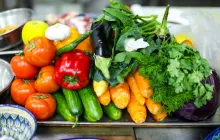
The vegetable and fruit component of a healthy budget is a dynamic space where creativity and timing matter. Seasonal produce often offers the best value and flavor, so aligning the meals with what grows best in a given period can yield both freshness and savings. When fresh options are limited or expensive, frozen vegetables can be an excellent substitute, capturing nutrients close to harvest and readily integrated into stir fries, bowls, soups, and casseroles. Root vegetables, cabbage, leafy greens, onions, carrots, and peppers present a broad spectrum of options that can be prioritzed for cost efficiency. A strategy that helps stretch dollars is to include produce that has a longer shelf life and to plan dishes that use up perishable items quickly while saving those with longer staying power for later in the week. When possible, buying produce in larger quantities and sharing with neighbors or friends who cook regularly can reduce waste and increase variety without increasing expenditure. Another approach is to emphasize versatility by selecting ingredients that serve as the base for multiple meals, such as spinach that can go into a frittata, a smoothie, or a hearty soup, or cabbage that becomes a slaw, a wrap filling, or a chopped topping for a grain bowl. Fresh fruits can be chosen by considering price per serving, refrigeration needs, and willingness to consume fruit in different forms such as fresh, frozen, dried, or canned with no added sugars if possible. The aim is to create a colorful plate that supplies fiber, antioxidants, minerals, and essential vitamins while maintaining a sustainable budget that fits the household rhythm.
Cooking methods that stretch meals
The way meals are prepared can dramatically influence both taste and portion satisfaction. Batch cooking and one pot or sheet pan meals reduce energy use and simplify weeknight routines, enabling the same ingredients to carry through several dishes over a few days. A slow simmer can transform inexpensive cuts of vegetables and grains into comforting soups and stews that provide multiple portions. Roasting vegetables at once concentrates their natural sweetness and adds depth to bowls, sides, and fillings, while a well planned stir fry can transform a handful of ingredients into a vibrant main dish. A kitchen technique that consistently pays off is creating base flavors with aromatics such as onions and garlic, then layering in herbs and spices to craft diverse profiles without expanding shopping lists. Leftovers can be repurposed thoughtfully, turning yesterday’s dinner into today’s lunch with a different arrangement of grains, proteins, and produce. The art of cooking on a budget invites experimentation with texture and color, making meals more enjoyable and less monotonous while keeping costs manageable. The key is to approach each batch with a close eye on portion sizes and on how to combine ingredients into new formats, ensuring that every item serves multiple meals and minimizes the need for wasteful replacements.
Seasonality and frozen options
Seasonality offers a reliable compass for budgeting since produce at the peak of its season is often more affordable and flavorful. Embracing seasonal ingredients supports both health and wallet by aligning taste with value. When fresh options are abundant, they can be featured prominently in meals, while off season, frozen vegetables and fruits preserve nutrients and provide convenience without compromising nutrition. The choice between fresh and frozen should be guided by price, practicality, and the intended cooking method. For instance, a frozen berry blend can be a cost effective option for smoothies or toppings, whereas vibrant fresh herbs chosen in moderation can elevate a dish without a heavy price tag. Understanding that both fresh and frozen formats can contribute to nutrition helps in building meals that are dynamic and affordable. This mindful approach extends to other staples such as seafood, meat, and dairy, where seasonal sales or alternative sources can adjust the overall dietary picture in a budget friendly way.
Smart beverage and snack choices
Budget friendly nutrition includes mindful beverage and snack choices that support energy without adding excessive calories or cost. Water remains the essential hydration choice and requires no special planning beyond carrying a bottle and keeping it accessible. Tea and coffee can be enjoyed in moderation, especially when prepared at home, providing warmth and ritual without excessive sugar or cream. When thirst is satisfied primarily with water, it frees budget room for nutrient dense foods. Snacks can be built around fruits, plain yogurt, nuts in measured portions, or homemade popcorn, each offering sustained fullness without requiring substantial expense. Carefully selecting snacks that complement meals rather than replacing them helps maintain appetite control and nutrition balance. It is valuable to avoid highly processed, sweetened, or salted snacks that offer little nutritional payoff and tend to be costly relative to their satisfaction level. In this context, the budget becomes a tool to sustain steady energy, pleasant flavors, and calm dietary choices that align with long term health goals.
Storage and food safety to minimize waste
Proper storage supports freshness, nutrition, and cost efficiency. Fresh produce should be stored in appropriate spaces to slow spoilage, while perishable proteins need refrigeration or freezing to extend their life. Understanding basic food safety practices helps prevent waste and protect health. Freezing leftovers in usable portions makes it easy to reheat and enjoy without over consuming in a single sitting. Labeling containers with dates assists in keeping track of what should be consumed first and reduces the chance of discarding meals that seemed fine but have passed their shelf life. Dry staples should be kept in cool, dry conditions away from moisture, which helps maintain their quality and lengthens their usefulness. By adopting a routine around storage and safety, households reduce waste and maximize the nutritional value of every purchase. The practical listener discovers that well organized storage elevates the kitchen experience, transforming it from a place of necessity into a space where food can be celebrated, reshaped, and enjoyed across many meals with minimal loss or waste.
Meal planning for a busy week
A week with a busy schedule benefits from meals that can be assembled quickly while still delivering nourishment. A typical pattern involves preparing components like cooked grains, beans, roasted vegetables, and a protein on one day to be mixed and matched across several days. A thoughtful approach to week night meals centers on simplicity and flexibility, choosing combinations that satisfy protein needs, fiber goals, and micronutrient requirements without requiring elaborate cooking. When the kitchen routine is smooth, a household can enjoy varied meals without fatigue, enabling consistent healthy choices even during periods of high demand. The memory that meals are built from a small roster of flavors and textures helps reduce decision fatigue and supports steady budgeting. A calm, patient approach to planning and cooking fosters a sustainable culture around eating well, where healthy decisions become a habit rather than a struggle driven by urgency or scarcity.
Digital tools and community resources
Digital tools can assist in making informed choices without adding complexity to daily life. Price comparison apps can help spot bargains for staple items as they appear on shelves and online, while meal planning platforms may offer suggestions aligned with preferred cuisines and dietary needs. Community resources such as farmers markets, cooperative programs, and community supported agriculture schemes provide opportunities to access fresh produce at competitive prices, supporting local growers and reducing transport costs. Community kitchens and cooking classes offer practical instruction in preparing nutritious meals with limited ingredients, building confidence in the kitchen and expanding dietary possibilities. Using these resources as a bridge between health goals and budget realities can empower families to sustain healthy eating over time, while also fostering a sense of belonging and shared purpose. This approach is about more than price, it is about access, education, and the social benefits of food choices that strengthen neighborhoods and personal well being.
Myths and misconceptions to avoid
A common misconception is that healthy eating requires expensive ingredients or complex techniques reserved for experts. In truth, nutrition can be achieved through simple, repetitive patterns that prioritize whole foods, vegetables, legumes, grains, and careful preparation. Another myth is that convenience always equates to a worse diet; while convenience foods can be tempting, many quick and affordable preparations rely on the same core pantry items, enabling quick meals that are both tasty and nourishing. Some people assume that fresh produce is always superior to frozen options, but frozen fruits and vegetables can preserve nutritional quality and reduce waste by providing ready to use portions. There is often a belief that a budget limits flavor, yet with thoughtful seasoning, careful cooking, and creative combinations, meals can be deeply satisfying without excess costs. By challenging these myths, a budget aware eater gains confidence to experiment, maintain variety, and sustain health across weeks and seasons.
Mindful eating and reducing waste
Mindful eating connects nourishment with awareness of hunger, fullness, and satisfaction. It invites a slower pace during meals, giving the brain time to register fullness and preventing overeating that often translates into wasted food and money. Listening to the body’s signals guides portion sizes and fosters a relationship with food that emphasizes quality and quantity in balance. Reducing waste involves planning more accurately, storing leftovers safely, and creatively repurposing ingredients into new dishes. When meals are designed with flexibility in mind, leftovers become opportunities rather than burdens, allowing a household to stretch resources further while enjoying nutritious variety. Mindfulness in shopping influences choices, encouraging soil and seasonality considerations, and nudging individuals toward options that sustain health within budget limitations. This approach makes food a lasting ally in personal well being rather than a source of stress or deficiency.
Putting it all together: a sustainable everyday practice
Creating a sustainable practice around healthy eating on a budget means weaving together planning, pantry management, smart shopping, versatile cooking, and a flexible mindset. It is a journey that evolves with changes in income, family size, tastes, and time availability, yet it remains anchored in core principles: prioritize nutrient density, minimize waste, maximize flavor with affordable ingredients, and maintain a constructive relationship with food. A sustainable routine might begin with a simple weekly plan, a refreshed inventory check, and a trip to a market or store that emphasizes value without compromising quality. Throughout the week, meals can be built from a few reliable components that are prepared in bulk and used in different combinations to create variety. The approach celebrates the idea that nourishing meals do not require extravagance; instead, they emerge from patience, curiosity, and practical ingenuity. A daily practice of staying hydrated, choosing whole foods, and enjoying meals with others can transform budget constraints into a catalyst for healthier habits and a more satisfying relationship with food. This holistic perspective invites ongoing adjustments, learning, and growth, and it positions healthy eating as a lifelong skill rather than a temporary project.
Closing thoughts on lasting nourishment within reach
The journey toward healthy eating on a budget is a continuous process that rewards diligence, curiosity, and generosity toward oneself and others. It invites a gentle shift in how meals are planned, purchased, stored, and enjoyed, highlighting that nutrition is not a luxury to be earned but a daily practice to be cultivated. By embracing the core ideas outlined here—plan with intention, stock a durable pantry, shop with discernment, choose affordable protein and produce, cook with clever methods, and care for the foods that sustain us—every person can craft a diet that honors health and respects financial boundaries. The result is not merely a set of tips but a philosophy of eating that blends practicality with nourishment, flavor with value, and routine with flexibility. In adopting these approaches, a household can experience steady improvements in well being, greater consistency in meals, and a sense of empowerment rooted in informed choices, resilience, and a hopeful outlook toward long term health and vitality.