As we age, our skin undergoes a series of changes that reflect both the passage of time and the cumulative impact of daily habits. The skin's outermost barrier becomes thinner and less efficient at retaining moisture, while the deeper layers produce less collagen and elastin, leading to fine lines, reduced elasticity, and a drier, duller appearance. But while genetics sets the stage, nutrition plays a guiding role in how gracefully the skin ages. A steady supply of nourishing foods can support cellular repair, bolster antioxidant defenses, help maintain hydration, and calm inflammatory processes that contribute to visible aging. The idea of skin aging as a whole-body process means that what you eat matters as much as what you apply, and the best dietary approach treats the skin as an organ that responds to patterns of eating that emphasize whole foods over processed options, with attention to balance, variety, and sustainable habits.
Understanding the aging skin and the role of nutrition
Dermatologists describe aging skin as a consequence of intrinsic aging that occurs over decades and extrinsic aging driven by sun exposure, pollution, smoking, and lifestyle choices. In the skin, collagen fibers in the dermis become less abundant and less tightly organized, while the epidermal barrier loses some of its lipid content and its ability to shed and renew cells efficiently. Reactive oxygen species generated during metabolism and from environmental stressors can damage lipids, proteins, and DNA, accelerating the breakdown of collagen and elastin and promoting pigmentary changes. Nutrition can intervene at multiple points: supplying building blocks for structural proteins, delivering cofactors for enzymatic reactions that repair DNA, providing antioxidants that neutralize radicals, supporting hydration and lipid synthesis, and modulating inflammatory signaling that can destabilize skin tissue over time.
Key nutrients that support aging skin
Among the nutrients most closely linked to skin resilience are vitamin C, vitamin E, carotenoids, and a spectrum of polyphenols that function as antioxidants and modulators of cellular signals. Amino acids from dietary protein supply the raw materials for collagen synthesis, while minerals such as zinc and selenium support the function of antioxidant enzymes and the maintenance of barrier integrity. Adequate protein intake ensures that the skin has enough amino acids to rebuild structural components after daily wear, while healthy fats provide the skin with the essential fatty acids that help preserve a supple surface and maintain proper cell membrane function. In combination, these nutrients help keep the skin more resistant to environmental stress and better able to repair damage when it occurs. The interplay between micronutrients and macronutrients matters as much as the amount of one nutrient alone, and foods that combine several of these nutrients may offer synergistic benefits that are particularly relevant for aging skin.
Antioxidant rich fruits and vegetables
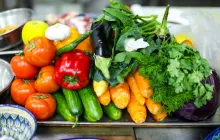
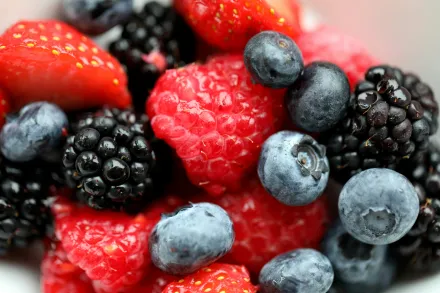
Colorful fruits and vegetables bring a broad spectrum of antioxidants, vitamins, minerals, and fiber that support skin health. Citrus fruits and berries provide vitamin C, which acts as a cofactor for collagen synthesis and helps stabilize newly formed collagen fibers, contributing to a firmer dermal matrix. Deep green leafy vegetables supply lutein and zeaxanthin along with vitamins A and K, which support cellular turnover and hydration much of the time, while orange and red vegetables such as carrots, sweet peppers, and tomatoes introduce carotenoids that can lend a protective shield against ultraviolet–induced oxidative stress. The fiber present in plant foods also supports gut health, which in turn can influence skin inflammation and nutrient absorption. Dark chocolate with flavanols and a moderate amount of tea polyphenols may further amplify antioxidant capacity and improve microcirculation, a combination that can help the complexion appear more radiant over time.
Healthy fats that nourish the skin from within
Fatty acids from fish, flaxseed, chia seeds, walnuts, and other plant sources supply omega-3 and omega-6 fats that help regulate inflammatory pathways and maintain the lipid barrier of the skin. Long-chain omega-3s, notably EPA and DHA, are associated with reduced skin dryness and a lower propensity for redness and irritation, while omega-6 fats, when balanced properly with omega-3s, support membrane fluidity and cell signaling. In practice, this means choosing fatty fish such as salmon, sardines, and mackerel a couple of times a week, incorporating flaxseed or chia seeds into smoothies or yogurt, and occasionally enjoying nuts and seeds as part of meals. Extra-virgin olive oil and other monounsaturated fats help maintain the integrity of the skin’s surface lipids, which can translate into better moisture retention and a smoother texture. A diet that favors these fats over highly processed oils tends to improve not only skin appearance but also cardiovascular markers that indirectly support skin health as well.
Protein and collagen-building foods
Collagen production declines with age, and supplying adequate amino acids is essential for sustaining the structure of the dermal matrix. Rich sources of high-quality protein provide the essential amino acids glycine, proline, hydroxyproline, and lysine that the body uses to manufacture collagen and to repair damaged proteins. Animal-based proteins such as lean poultry, eggs, dairy products, and fish offer complete amino acid profiles, while plant-based proteins—when consumed in variety and with sufficient total intake—can also meet these needs through combinations like legumes and grains or soy products. In addition to direct collagen support, protein helps maintain skin elasticity by supporting muscle tone beneath the skin, which influences how the face and body hold their shape over time. Adequate protein also fosters the creation of other structural components such as elastin and laminin, supporting resilience and reducing the appearance of sagging as aging advances.
Hydration and mineral balance for skin health
Hydration begins with water intake but is also shaped by the balance of electrolytes and minerals that regulate tissue water content and barrier function. While many people focus on drinking water, minerals such as potassium and magnesium play roles in maintaining skin hydration, nerve signaling, and muscle function that indirectly affect a healthy complexion. Adequate iron supports oxygen transport to tissues, which is important for cellular metabolism in the skin, and zinc supports wound repair and immune defenses that influence inflammatory conditions that can alter skin quality. Silicon, though less discussed, has been linked in some studies to connective tissue health and collagen formation, underscoring the idea that a varied, nutrient-dense diet can support multiple pathways relevant to aging skin. This approach emphasizes not just quantity of fluid intake but also the quality of the foods that deliver hydration along with minerals and other bioactives, such as soups, stews, watery vegetables, and fruits with high water content that help maintain a hydrated and vibrant appearance throughout the day.
Speaking of practical dietary patterns
Rather than chasing a single miracle nutrient, adopting a dietary pattern that emphasizes a spectrum of nutrients appears to be more effective for skin aging. A Mediterranean-inspired approach that prioritizes vegetables, fruits, whole grains, legumes, nuts, seeds, olive oil, moderate dairy, and lean proteins provides a robust mix of antioxidants, omega-3 fats, polyphenols, and protein with favorable effects on metabolic health, inflammation, and vascular function. In real life this means cooking at home with lots of vegetables, choosing fatty fish like salmon or sardines several times a week, and using olive oil as the primary fat for dressing and cooking. It also means integrating a variety of colorful fruits and vegetables across the week so that no single nutrient becomes a limiting factor. A plant-forward tilt that includes small portions of animal-based foods can offer flexibility for different lifestyles and budgets while maintaining the nutrient density that skin needs to stay resilient as time passes.
Foods to minimize for healthy aging skin
Reducing the intake of highly processed foods, sugary desserts, and refined carbohydrates can help blunt glycation processes and reduce the inflammatory milieu that contributes to dullness and redness. Large portions of ultra-processed snacks and beverages can cause blood sugar spikes that eventually promote the formation of advanced glycation end products in tissues, including the skin, which can accelerate stiffness and loss of elasticity. Alcohol, when consumed in excess, can dehydrate and provoke flushing, while excessive salt can create puffiness that masks skin tone. By focusing on whole foods, mindful portion sizes, and occasional indulgences that fit into an overall balanced diet, it is possible to sustain energy, hydration, and nutrient delivery to the skin without triggering adverse effects. This approach aligns well with other lifestyle factors such as sleep quality and sun protection, which together with nutrition contribute to the long-term appearance and health of the complexion.
Putting it all together in daily life
In everyday routines, small, sustainable shifts can accumulate into lasting benefits for the skin. Start the day with a breakfast that blends protein, fiber, and healthy fats—think yogurt or a plant-based yogurt with berries and a sprinkle of nuts, or eggs with vegetables and avocado on whole-grain toast. For lunch, imagine a colorful salad with leafy greens, tomatoes, beans or chickpeas, a handful of seeds, and a citrus-based dressing that supplies vitamin C and polyphenols. Dinner can feature a piece of fatty fish alongside steamed vegetables and a serving of whole grains, followed by a piece of seasonal fruit for dessert. Snacks can be composed of fruit and nuts or vegetable sticks with a hummus dip. Over the week, these choices create a repeating pattern that delivers a broad array of nutrients without requiring complex preparation, and they can be adjusted for taste, budget, and cultural preferences. Consistency matters more than any single meal, so developing a routine that aligns with personal preferences is a practical route to healthier skin over time.
Special considerations for different life stages
As the body ages there are changes in digestion, absorption, and metabolism that influence how nutrients reach the skin. Older adults may require a slightly higher intake of high-quality protein to maintain muscle and tissue synthesis, especially if appetite is reduced. Vitamin D status commonly declines with age and can affect skin health indirectly through immune function and inflammation; sunlight exposure or supplementation might be discussed with a clinician. Hormonal changes during menopause influence skin thickness and moisture, making the inclusion of phytonutrient-rich plant foods and omega-3 fats particularly beneficial for maintaining softness and pliability. Pregnant individuals and those planning pregnancy face their own nutrient priorities, including adequate folate, iron, and iodine, which have implications for both maternal skin health and fetal development. The key idea is to tailor patterns to life stage while keeping the overarching goal of delivering diverse, nutrient-dense foods that support aging skin in a holistic manner.
Case studies and ongoing research
Scientific investigations into diet and skin aging are ongoing, with studies showing associations between higher intake of fruits, vegetables, and fatty fish and improvements in skin hydration, elasticity, and wrinkle appearance. However, researchers emphasize that results are influenced by genetics, sun exposure, smoking status, physical activity, and the overall dietary pattern, making it difficult to attribute changes to any single nutrient. Randomized trials on collagen supplementation have produced mixed outcomes, potentially due to differences in study design, dosing, and participant characteristics, but many trials report improvements in skin dryness, roughness, and elasticity with consistent use over months. The current consensus among nutrition and dermatology researchers is that a balanced, nutrient-dense diet supports skin health as part of a broader lifestyle strategy that includes sun protection, adequate sleep, regular exercise, and avoidance of harmful exposures. This nuanced view encourages patience and consistency, recognizing that what you eat is part of a long‑term investment in the skin’s resilience and appearance.
With these ideas in mind, individuals can begin to shape a daily life that nourishes the skin by not only selecting nutrient-dense foods but also by cultivating habits that enhance nutrient absorption and utilization. Cooking methods that preserve heat-sensitive vitamins, chopping vegetables to release carotenoids, pairing iron-rich plant foods with vitamin C to enhance absorption, and choosing spices that deliver anti-inflammatory benefits can all contribute to a more robust nutrient profile. The result is not a dramatic transformation overnight but a steady improvement in skin texture, tone, and moisture that aligns with a sense of well‑being and vitality. In practice, this means paying attention to color diversity on the plate, opting for foods in their most natural state when possible, and embracing whole, minimally processed options that supply a broad spectrum of bioactive compounds capable of supporting the skin’s defense systems over many years.
Ultimately, the relationship between diet and skin aging is best understood through a long view that respects individual differences in digestion, metabolism, and lifestyle. A flexible framework that emphasizes a variety of plant-based foods, good quality proteins, healthy fats, and hydration creates a foundation for healthier skin aging across decades. It is the daily choices—the greens included in a midday bowl, the piece of fruit that ends a meal, the fish two or three times a week, and the drizzle of olive oil that brightens the flavors—that shape how the skin endures sun exposure and oxidative stress. By cultivating these habits and treating nutrition as a partner in the aging process, people can support not only their appearance but their overall health, a synergy that benefits every aspect of life and helps preserve the skin’s natural radiance as years advance.
As this approach evolves with new scientific insights, it remains clear that the simplest path toward healthy skin aging is to emphasize a diverse, nutrient-rich diet that prioritizes real foods, minimizes ultra-processed options, and respects the body’s natural rhythms. When combined with sensible sun protection, adequate sleep, regular physical activity, and stress management, dietary choices become a powerful ally in maintaining skin hydration, tone, and resilience. The long arc of aging becomes more tolerable and perhaps more graceful when nourishment is understood as a lasting source of strength for the skin, not merely a cosmetic afterthought. In this sense, the foods we eat function as daily medicine for the skin, supporting its structure, protecting against environmental challenges, and enabling a more luminous and healthier aging process that can be enjoyed for years to come.