During moments of pressure and upheaval the body enters a state that can alter the very core of daily nourishment. The brain signals to the digestive system through an intricate cascade of hormones, with cortisol and adrenaline rising to mobilize energy for action while neurotransmitters influence mood, sleep, and cravings. This biological response can lead to a tug of war between instinctual comfort and deliberate, healthful decision making. Some people notice a surge of sweet or salty cravings as a form of emotional regulation, while others e...
Nutrition & Diet

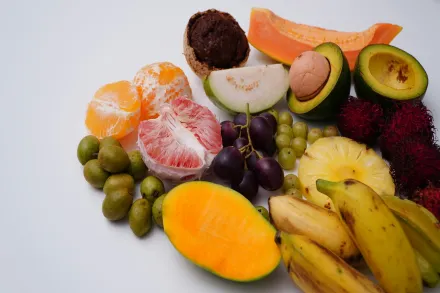
Cholesterol management is a journey that mirrors how a person adjusts a complex orchestra of habits, where different foods play distinct roles and work together over time to influence the balance of cholesterol in the bloodstream. In this exploration we focus on natural dietary strategies that have demonstrated, through a blend of laboratory research, clinical observation, and everyday experiences, the potential to lower harmful LDL cholesterol while supporting healthy HDL cholesterol and overall heart function. The central idea is not a single...

Across cultures and cuisines, people have long linked what we eat with how our skin looks and feels. The glow that emerges from healthy skin is not merely a cosmetic effect but a reflection of the body's inner balance and the nourishment delivered to every layer of the skin. A skin that appears vibrant often signals that the cells are well hydrated, that inflammation is kept in check, and that essential compounds responsible for barrier function and collagen integrity are in adequate supply. Dietary choices influence these processes by providin...

Describing a healthy dessert often invites questions about whether indulgence and nourishment can coexist, yet the best approach demonstrates that desserts can be both delightful and nourishing when built from thoughtful ingredients and careful technique. A healthy dessert treats the senses while supplying energy, vitamins, minerals, fiber, and healthy fats in measured portions. The essence lies in choosing ingredients with complementary macronutrients, balancing sweetness with acidity and depth, and honoring seasonal produce to create a finish...
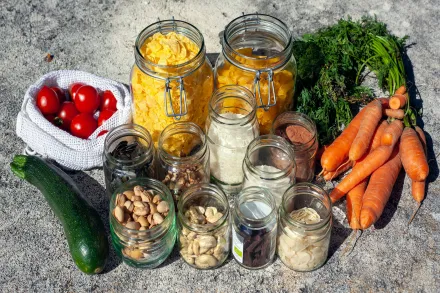
Fermentation is an ancient technique that transforms foods through the action of microbe cultures, often lactic acid producing bacteria, yeasts, or a combination of organisms. This natural process not only preserves foods but also creates environments where beneficial microbes can thrive, contributing to a diverse microbial ecosystem within the digestive tract. When we speak of gut health in relation to fermented foods, we are referring to a dynamic interaction between introduced microbes, the existing gut microbiome, and the dietary substrates...

Long workdays can push nutrition to the back burner, yet the foods we choose during these hours shape energy, mood, cognitive performance, and resilience. When schedules are tight, meals should be reliable, quick to prepare, portable, and satisfying, not merely convenient. Healthy eating on busy days isn't about perfection; it's about consistency, smart choices, and deliberate planning that align with personal goals, whether the aim is weight management, better stamina, or improved focus. A steady rhythm of nutritious options helps prevent the ...
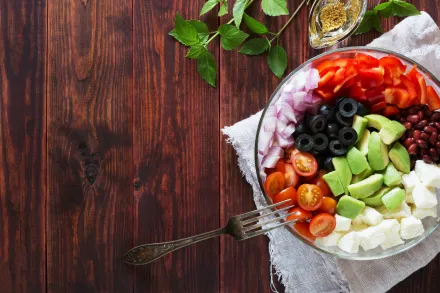
Maintaining healthy eating habits over the long term is not a quest for perfection but a patient journey toward a more reliable relationship with food. It requires recognizing that life is dynamic, with busy days, social occasions, travel, and seasonal changes that influence appetite and choices. The approach that endures is built on small, repeatable actions that fit into daily routines, personal preferences, and financial realities rather than dramatic, unsustainable resets. When the aim is lasting change, the emphasis shifts from chasing rap...
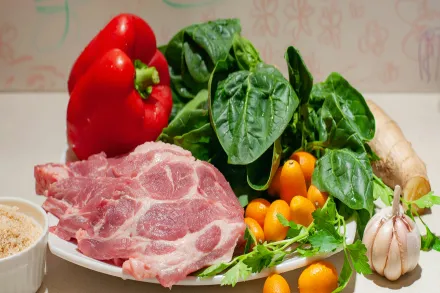
In a world where meals are often defined by convenience and speed, the idea of eating raw foods invites a return to a more natural relationship with nourishment. Raw foods encompass a wide spectrum that includes fresh fruits and vegetables, crunchy leafy greens, sprouted grains and legumes, nuts and seeds, and even some forms of raw dairy or seafood where culturally and legally permissible. The central premise is simple yet powerful: food in its natural state can provide a wide array of nutrients in forms that are readily usable by the body. Pe...
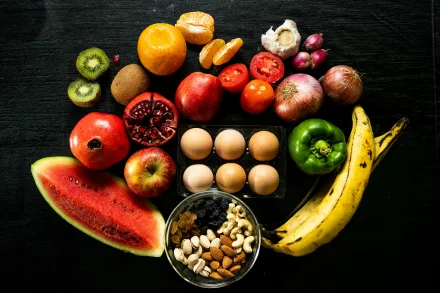
Antioxidants have long been discussed as essential players in protecting cells from damage caused by free radicals. In modern nutrition science, the focus extends beyond single molecules to the broader pattern of how dietary choices influence redox balance across tissues. This article explores why foods rich in antioxidants are associated with reduced risk for a range of chronic diseases and how everyday meals can contribute to prevention without relying solely on supplements.
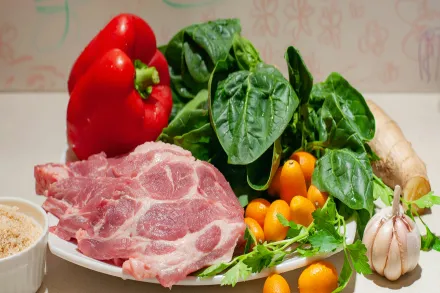
Vegetarian eating patterns can provide ample nourishment, but ensuring adequate protein requires attention to protein quality, distribution, and variety. For many people, protein is not simply about muscle maintenance; it supports enzymes, hormones, immune function, and tissue repair. In vegetarian diets, the source diversity matters because different foods contribute different amino acid profiles, and combining foods across meals can help cover all essential amino acids without requiring meticulous planning at every meal. A thoughtful approach...