Cholesterol management is a journey that mirrors how a person adjusts a complex orchestra of habits, where different foods play distinct roles and work together over time to influence the balance of cholesterol in the bloodstream. In this exploration we focus on natural dietary strategies that have demonstrated, through a blend of laboratory research, clinical observation, and everyday experiences, the potential to lower harmful LDL cholesterol while supporting healthy HDL cholesterol and overall heart function. The central idea is not a single magic food but a pattern that emphasizes plant-based richness, fiber, healthy fats, and mindful preparation. When people replace highly processed items and refined carbohydrates with whole, minimally processed plant foods, the body often responds with improved lipid profiles, steadier energy, and more durable cardiovascular resilience. This article presents a broad, integrated view of foods that reduce cholesterol naturally, explained with clear reasoning and practical implications for daily meals, snacks, and cooking choices. By embracing a holistic approach, individuals can cultivate dietary habits that feel nourishing and sustainable rather than restrictive, turning everyday meals into allies in the ongoing effort to maintain healthy cholesterol levels and heart health. The emphasis is on long term changes that are enjoyable, doable, and supported by a growing body of evidence indicating that what people eat can meaningfully influence their lipid markers without requiring expensive supplements or aggressive medical interventions. Throughout this discussion, the focus remains on foods that contribute to lowering LDL cholesterol, increasing fiber intake, supplying healthy fats, and providing bioactive compounds that support metabolic balance. With patience and consistency, the patterns described here can become intuitive parts of a balanced eating pattern that preserves taste, satisfaction, and energy while offering measurable health benefits.
High-Fiber Foods
Fiber stands as a central pillar in the regimen of cholesterol reduction because it binds bile acids in the digestive tract and promotes their excretion, compelling the liver to draw on circulating cholesterol to synthesize more bile acids. As a result, LDL cholesterol can gradually decline as the body rebalances its lipid pool. When high fiber foods are consumed regularly, particularly soluble fibers, the digestive system crafts a gentler, more stable nutrient release and supports a healthier gut microbiome that interacts with lipid metabolism in meaningful ways. In practical terms this means including a variety of fiber-rich items at most meals and snacks, such as oats, barley, legumes, fruits with edible skins, vegetables with firm textures, and seeds that contribute both soluble and insoluble fiber. A diet rich in fiber not only helps cholesterol levels but also fosters a sense of fullness and steady energy, reducing the urge to snack on refined carbohydrates. Within this fiber framework, the emphasis is on a diverse array of plant foods that deliver a broad spectrum of micronutrients, phytochemicals, and resistant starches, all of which contribute to cardiovascular health in synergistic ways and support ongoing cholesterol management over months and years rather than days.
Whole Grains and Oats
Whole grains such as oats, barley, and brown rice offer more than steady energy; they deliver specific compounds that influence cholesterol chemistry. The star of this group is beta-glucan, a soluble fiber found abundantly in oats and barley, which forms a viscous gel in the gut and slows the absorption of cholesterol and calories. Regular intake of beta-glucan has been associated with modest reductions in LDL cholesterol, particularly when consumed as part of a generally healthy diet emphasizing vegetables, legumes, and lean proteins. The practical upshot is a simple daily habit of soaking or cooking oats for breakfast, including a bowl of oatmeal topped with fruit, nuts, and a drizzle of nut butter, or incorporating barley into soups and grain bowls. Beyond the fiber, whole grains also supply a spectrum of minerals such as magnesium and potassium that support blood pressure regulation, another facet of heart health that complements cholesterol management. It is important to choose minimally processed forms and to avoid loading these grains with excessive sugar or highly processed toppings that can blunt their benefits. In short, integrating regular portions of oats and other whole grains into meals creates a reliable, delicious foundation for cholesterol-friendly eating.
Legumes and Pulses
Legumes, including beans, lentils, chickpeas, and peas, are powerful allies in lowering LDL cholesterol due to their fiber content, plant-based protein, and low glycemic load. Their fiber consists of both soluble and insoluble varieties, which support digestion and lipid metabolism in complementary ways. When legumes are included as a consistent part of dietary patterns, they help replace higher saturated-fat sources and refined carbohydrates, promoting more favorable lipid profiles and better glycemic control. Legumes also contribute minerals, B vitamins, and phytonutrients that support vascular integrity and antioxidant defense. A practical approach is to expose the palate to a wide range of legumes across the week, preparing dishes such as hearty bean soups, lentil stews, chickpea salads, and bean-based spreads that substitute for higher-fat options. While preparing legumes, attention to cooking method matters; soaking and simmering until tender without excessive added fats helps preserve their natural benefits while keeping flavors rich and comforting. The cumulative effect of such choices extends beyond cholesterol, influencing energy balance, weight management, and overall metabolic health in meaningful ways over time.
Nuts, Seeds, and Healthy Fats
Nuts and seeds provide a combination of heart-friendly fats, plant sterols, fiber, and antioxidant compounds that collectively support cholesterol balance. The monounsaturated fats found in almonds, walnuts, pistachios, and other tree nuts can modestly lower LDL cholesterol when they replace saturated fats in the diet, while also contributing to improved lipid particle function and reduced inflammation. Seeds such as flaxseeds, chia, and sesame introduce additional fiber and lignans, along with omega-3 precursors that help modulate triglycerides and cardiovascular risk profiles. Incorporating these foods as part of daily meals—such as a handful of nuts as a snack, a seed topping on salads or yogurt, or a drizzle of nut-based oils for flavor—can enhance diet quality without causing any disruption to enjoyment or satiety. It is worth noting that portion control matters, as nuts are energy dense; small, thoughtful servings preserve their benefits without excessive calorie intake. In this way, nuts and seeds act as flavorful, nutrient-dense components that complement fiber-rich foods and contribute to a favorable lipid profile over time.
Fruits and Vegetables Rich in Soluble Fiber and Phytochemicals
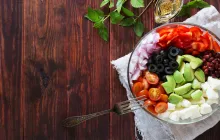
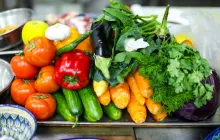
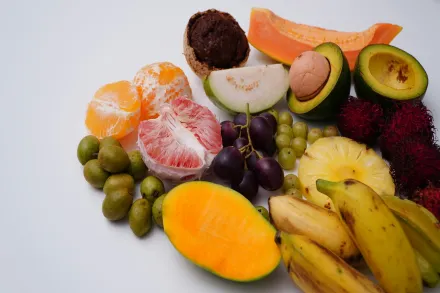
Fruits and vegetables contribute not only to fiber intake but also to a broad spectrum of phytochemicals and antioxidants that support vascular health and lipid balance. Soluble fibers from fruits such as apples, pears, citrus, and berries contribute to cholesterol management by similarly binding bile acids and modulating gut microbiota. Vegetables—especially those with mucilaginous textures, such as okra and certain leafy greens—favor gentle digestion and heart-friendly nutrient delivery. In addition to fiber, many fruits and vegetables deliver flavonoids and carotenoids with anti-inflammatory properties, which can indirectly affect lipid metabolism by reducing oxidative stress that promotes lipid oxidation. The practical habit is to incorporate a colorful rainbow of produce daily, with a focus on both raw and lightly cooked preparations to maximize nutrient availability. A typical day could feature fruit as a mid-morning snack, a substantial vegetable component at lunch and dinner, and a variety of cruciferous vegetables several times a week to support both fiber intake and metabolic diversity. Over time, these choices help maintain cholesterol within healthy ranges while enriching overall nutrient intake and digestive comfort.
Plant Sterols and Stanols in Everyday Foods
Plant sterols and stanols are compounds found in small amounts in many plant foods that can help reduce cholesterol absorption in the gut. When these compounds are consumed in sufficient amounts through fortified foods or natural sources such as certain vegetable oils, nuts, seeds, and fortified spreads, they can modestly lower LDL cholesterol by interfering with the intestinal uptake of dietary cholesterol. The effect is additive when combined with a fiber-rich diet and healthy fat choices, so integrating sterol- and stanol-containing items into meals can provide an extra benefit for those aiming to lower LDL cholesterol. Practical examples include choosing products that are explicitly fortified with plant sterols and stanols, using spreads or dairy substitutes fortified with these compounds, and including a diverse range of sterol-containing plant foods as part of daily meals. It is important to follow product guidelines and consider individual dietary needs, especially for populations with specific health considerations or medication interactions. This approach complements fiber and healthy fats and adds another dimension to a cholesterol-conscious eating style that emphasizes natural, plant-based sources wherever possible.
Omega-3 Fatty Acids and Fatty Fish Alternatives
Omega-3 fatty acids, particularly the long-chain forms found in fatty fish, have well-established cardiovascular benefits that extend to triglyceride management and inflammatory processes related to atherosclerosis. While fish provides the most readily usable forms of these fats, a well-planned vegetarian or plant-based diet can still supply omega-3s through algae-derived supplements and plant sources such as flaxseeds, chia seeds, walnuts, and certain oils that offer alpha-linolenic acid with the caveat that the conversion efficiency to the longer chain forms varies among individuals. The overall message is to include sources of healthy fats that favorably influence lipid metabolism, replacing saturated fats with polyunsaturated fats when possible and ensuring a balance that supports both cholesterol control and heart function. Enriching meals with fatty fish a couple of times per week or using high-quality plant-based omega-3 sources can contribute meaningfully to LDL reduction goals while supporting overall cardiovascular wellness and metabolic harmony.
Fermented Foods and Probiotics
Fermented foods introduce live cultures and a range of bioactive compounds that influence gut microbiota composition, digestion, and metabolic signaling related to lipid processing. While the direct impact of probiotics on LDL cholesterol varies among strains and individuals, a growing body of evidence suggests that a healthy gut ecosystem participates in lipid regulation and inflammation, both of which can influence cardiovascular risk. Consuming fermented foods such as yogurt with live cultures, kefir, sauerkraut, kimchi, miso, and other cultured products can contribute to microbial diversity and digestive comfort, which in turn supports a platform for cholesterol-friendly eating. The practical takeaway is to incorporate a few servings of fermented foods regularly, selecting products with minimal added sugars and appropriate bacterial strains, to promote sustained gut health and potentially support lipid balance as part of an overall heart-healthy diet. This approach complements fiber, healthy fats, and plant-based protein, strengthening the comprehensive strategy for reducing cholesterol naturally.
Cooking Habits and Meal Patterns for Cholesterol Control
Beyond the choice of foods themselves, the way meals are prepared and consumed can magnify or dampen their cholesterol-lowering effects. Gentle cooking methods such as steaming, simmering, grilling, or roasting with minimal added saturated fats help preserve the beneficial constituents of plant foods while keeping energy intake aligned with weight management, a critical factor in cholesterol management. Mindful portion sizes, regular meal timing, and the inclusion of protein, fiber, and healthy fats in each eating occasion promote stable blood sugar, reduced cravings for refined carbohydrates, and better satiety, all of which contribute to sustainable improvements in lipid profiles. The rhythm of meals matters as well: distributing fiber-rich foods across the day, pairing fruit with a source of protein to avoid rapid sugar spikes, and limiting processed snacks contribute to a steady approach to cholesterol management. Household cooking routines that emphasize fresh ingredients, flavor through herbs and spices, and plant-forward preparations foster a humane, enjoyable way to maintain heart-healthy eating patterns over weeks, months, and years, rather than short-term diet cycles. This practical orientation helps people translate scientific understanding into everyday actions that add up to meaningful health benefits.
Practical Daily Routines and Recipes Without Lists
When people start to translate principles into daily practice, the goal is to create simple, flavorful routines that reinforce cholesterol-friendly choices without feeling like a chore. A typical day can unfold with a warm bowl of oats at breakfast, a legume-rich lunch such as a hearty bean soup or a chickpea salad, a snack featuring a handful of mixed nuts, and a dinner built around vegetables, whole grains, and a source of plant-based protein. Flavor is elevated through herbs, spices, citrus, garlic, and olive oil, which add depth without requiring heavy sauces or saturated fats. By layering textures, colors, and aromas, meals become more satisfying, supporting adherence over time. It is also valuable to prepare meals in larger batches that can be portioned for multiple days, a practice that reduces cooking time and increases the likelihood of choosing heart-friendly options during busy periods. The overall aim is to create a sustainable ecosystem of eating where cholesterol-friendly choices are accessible, enjoyable, and integrated into everyday life rather than treated as a temporary intervention.
Myth Busting and Evidence from Research
A steady stream of scientific studies, meta-analyses, and clinical trials has investigated how certain dietary patterns influence cholesterol and cardiovascular risk. A nuanced view shows that individual responses vary, yet there is broad evidence supporting the benefits of high-fiber foods, healthy fats, legumes, and plant sterols in reducing LDL cholesterol when incorporated consistently as part of a balanced diet. It is important to interpret results in the context of overall dietary patterns, lifestyle factors such as physical activity, weight management, and genetic predispositions, rather than isolating any single food as a universal cure. By understanding the mechanism—fiber binding bile acids, sterols reducing cholesterol absorption, and healthy fats improving lipid particle profiles—readers can appreciate why these foods contribute to cholesterol reduction in real-world settings. This scientific landscape encourages a practical, long-term approach rather than a transient dietary experiment, reinforcing the idea that incremental, repeatable changes accumulate into meaningful cardiovascular benefits over time.
Personalization and Monitoring Progress
Because people differ in metabolism, gut microbiota, dietary preferences, and health baselines, personalizing cholesterol-related dietary strategies can optimize outcomes. Working with healthcare providers to establish realistic targets for LDL, HDL, and triglycerides, and using home or clinical lipid panels to monitor progress, helps tailor choices to individual responses. A gradual approach that tunes fiber intake, fat quality, and protein sources allows adjustments based on feedback from measurements, energy levels, and digestive comfort. Embracing a flexible plan that accommodates cultural foods, seasonal produce, and personal taste increases the likelihood that healthy changes will endure. In practice, this means setting a small, steady course: add a fiber-rich food to meals, swap a saturated fat source for a healthy fat option, and regularly include legumes or whole grains in the weekly repertoire. Reassessing every few months with a clinician or dietitian helps keep the strategy aligned with evolving health goals while reinforcing confidence and motivation as lipid values respond to dietary changes.
Common Pitfalls and How to Sustain Changes
A practical path to lasting cholesterol-friendly eating involves recognizing common obstacles and implementing strategies to overcome them. Time constraints, temptation for highly processed snacks, social dining pressures, and misinterpretations of dietary fat benefits can derail progress if not anticipated. To counter these challenges, it helps to plan meals with clear choices, keep a pantry stocked with fiber-rich staples, and cultivate a repertoire of quick, heart-healthy recipes that feel satisfying and comforting. Consistency is more important than perfection; even small daily improvements accumulate over weeks and months. Keeping a food and mood journal can increase awareness of triggers and patterns, supporting targeted adjustments. Social support, that sense of community around healthier eating, reinforces adherence and makes the journey more enjoyable. By maintaining curiosity about new foods, experimenting with flavors and textures, and gradually expanding taste experiences, individuals can sustain meaningful dietary changes that contribute to lower LDL cholesterol and improved heart health without sacrificing pleasure or variety in meals.