Describing a healthy dessert often invites questions about whether indulgence and nourishment can coexist, yet the best approach demonstrates that desserts can be both delightful and nourishing when built from thoughtful ingredients and careful technique. A healthy dessert treats the senses while supplying energy, vitamins, minerals, fiber, and healthy fats in measured portions. The essence lies in choosing ingredients with complementary macronutrients, balancing sweetness with acidity and depth, and honoring seasonal produce to create a finished treat that feels like a celebration rather than a compromise. With this mindset, desserts transform from afterthoughts into small rituals that support ongoing wellness and sustained satisfaction, turning cravings into opportunities for creativity and care rather than guilt or retreat from nourishment.
Foundations of Healthy Dessert Craft
At the core of healthy dessert making is a practical philosophy that prioritizes whole foods, gentle processing, and mindful sweetness. Start by identifying ingredients that contribute fiber, protein, and healthy fats, because those elements slow digestion and promote steadier energy release. Fresh fruit brings vitamins, minerals, and natural sugars in a form that the body recognizes, while nuts, seeds, yogurt, and dairy alternatives add creaminess and texture with beneficial fats. The technique of combining textures—creamy, crunchy, set, and fresh—creates a dessert experience that satisfies multiple senses simultaneously and reduces the need for overpowering sweetness. This foundations-focused approach not only improves nutritional quality but also makes it easier to portion portions appropriately, so desserts remain a positive part of the daily routine rather than an all-or-nothing choice.
Another important foundation is the understanding that sweetness is not a single-mode experience. It can arrive through ripe fruit, lightly roasted grains, warm spices, citrus zest, and a splash of natural syrups, each contributing a distinct profile while keeping the overall sugar content in check. By layering flavors rather than blasting the palate with sugar, you create a dessert that feels sophisticated and balanced. A simple rule of thumb is to aim for a dessert that would still be enjoyable without added sugar if you rely on the fruit’s natural sweetness, the tang of yogurt, or the brightness of citrus. This approach helps maintain a pleasant finish without leaving the diner with a heavy aftertaste or a crash after the last bite.
Beyond flavor, texture plays a crucial role in healthy desserts. Creaminess can come from avocado, silken tofu, yogurt, or oats blended until smooth, while a contrasting crunch might be provided by toasted nuts, seeds, or crisped grains. Freezing adds a refreshing dimension, and gentle chilling helps delicate components set without the need for artificial stabilizers. When you design a dessert with textural variety, you invite interest and satisfaction without resorting to overly sweet components. Finally, portion control matters: know your typical serving size and design the recipe so that one well-balanced portion delivers genuine pleasure while aligning with daily nutritional goals.
Principles of Balance and Nutrition
Balance in a healthy dessert means combining energy from carbohydrates with a dash of protein or fat to moderate the rate of glucose release. For instance, a mango yogurt parfait or a baked apple with almond butter demonstrates how fruit can shine alongside a protein-rich layer or a bit of healthy fat. The idea is not to eliminate sweetness but to integrate it within a broader nutritional context so the dessert supports steady energy and satiety. Another principle is flavor layering; a dessert can be delicious when it blends sweetness with acidity from citrus, bitterness from cocoa or coffee, and a subtle saline note from a pinch of sea salt, all wrapped in a familiar comforting aroma from vanilla, cinnamon, or cardamom. This multi-note complexity makes a modest dessert feel lush and indulgent without demanding excessive sugar or artificial flavor enhancers.
Texture and temperature are also tools for balance. A chilled mousse made with Greek yogurt and blended silken tofu can be as satisfying as a warm, spiced crumble when enjoyed at the right moment. Textural contrasts keep the palate engaged, so a single serving feels complete and satisfying, reducing the tendency to overeat. Portioning is the practical anchor of nutrition: even the most nutrient-dense dessert loses value if consumed in excess. Thoughtful portion sizes, paired with mindful eating practices, help maintain a healthy relationship with sweets while still honoring the mental and sensory pleasure of dessert time. Finally, mindful ingredient choices—favoring whole-food options, minimizing refined starches, and avoiding heavy reliance on artificial sweeteners—create a dessert that aligns with long-term health goals and tastes genuinely satisfying.
Ingredient quality acts as the third pillar. Fresh, seasonal produce offers peak flavor and nutrient density, while nuts and seeds supply protein, fats, and crunch that contribute to fullness. Dairy alternatives such as unsweetened almond or coconut yogurt provide creaminess with different micronutrient profiles, allowing you to tailor desserts to dietary needs or flavor preferences. When you begin with high-quality ingredients, you reduce the need for heavy processing or excessive sweeteners to achieve a desirable end result, making healthy desserts more accessible and enjoyable for everyday use rather than a sporadic treat. The combination of balance, flavor, texture, portion control, and ingredient quality forms a practical blueprint that you can apply to any dessert idea, from simple fruit-based preparations to more elaborate layered creations.
Finally, timing and method influence outcomes dramatically. Gentle mixing, avoiding overbeating, and giving components sufficient time to rest or chill can transform a texture from flat to lush. Baking temperatures and durations that respect the structure of lighter ingredients, such as delicate fruits or aquafaba-based foams, protect valuable moisture and prevent dryness or toughness. By attending to process details as an integral part of the recipe, you ensure consistency, repeatability, and a better chance of achieving a satisfying result with fewer trials. The cumulative effect of these principles is a toolkit for designing desserts that are nourishing, delicious, and reliable enough to become a regular part of a healthy eating plan rather than a rare exception.
Key Ingredients for Healthy Desserts
In the pantry, a few versatile ingredients unlock a wide range of healthy dessert possibilities. Whole grains such as oats, quinoa, and whole-wheat flour provide fiber and a gentle texture that supports slow digestion, making them excellent bases for crumbles, crusts, and puddings. Nut flours like almond or hazelnut offer rich flavor and healthy fats when used in moderation to replace some refined flour. Nuts and seeds contribute crunch, texture, and a source of protein and fats, which helps balance sweetness and contribute to satiety. Natural sweeteners, when used sparingly, can enhance depth without dominating the flavor. Dates, dried plums, prunes, and figs are particularly valuable for their caramel-like notes and fiber content, allowing you to replace refined sugars with fruit-based sweetness that resonates with the palate. Fresh fruit forms the backbone of many healthy desserts, providing brightness, moisture, and a refreshing finish that cleanses the palate after a rich bite.
Yogurt and dairy alternatives bring creaminess tang and a dose of calcium and protein. Greek yogurt, Icelandic skyr, kefir, and unsweetened plant-based alternatives all serve as a canvas for flavors and textures, enabling you to craft layered desserts that feel indulgent yet balanced. Avocado offers a unique silkiness ripe for mousse-like effects or creamy fillings without relying on dairy. Silken tofu can be blended into custards and desserts to create a smooth mouthfeel with a gentle profile that accepts spices and citrus with ease. Cocoa powder or 70 percent dark chocolate contributes a bitter kiss that deepens sweetness and helps reduce the overall sugar level by enhancing aroma and satisfaction. Vanilla, citrus zest, cinnamon, cardamom, and ginger provide aromatic depth, lifting the flavor profile without needing excessive sugar or fat.
Liquid bases such as unsweetened plant milks, brewed coffee, or coconut milk broaden the possibilities for puddings, mousses, and frozen treats. Chia seeds and flaxseeds thicken and add texture while delivering omega-3 fats and fiber, making them useful in puddings, jams, or jam-like fillings. Agar-agar or gelatin can help set desserts cleanly when a light, airy structure is desired, particularly in fruit gels or custards, though plant-based substitutes should be chosen to fit dietary restrictions. Salt plays a tiny but powerful role in intensifying flavors and balancing sweetness, so a light pinch can transform a dish from flat to vibrant. By keeping a few of these ingredients on hand and learning a handful of dependable pairings, you can approach any dessert idea with confidence and flexibility.
Techniques for Creaminess, Structure, and Depth
Achieving creaminess without heavy dairy involves leveraging ingredients such as ripe avocado, banana, yogurt, silken tofu, and soaked cashews blended to a velvet texture. A classic approach is to create a base by blending fruit with a creamy element, then folding in a stabilizer like yogurt or a small amount of nut butter to add body. For lighter, plant-based mousses, aquafaba—the liquid from canned chickpeas—can be whipped to soft peaks and folded into a fruit puree for an airy texture that feels indulgent yet light. When a dessert benefits from a dense, fudgy quality, blending cocoa with almond butter, dates, and a touch of vanilla yields a rich paste that can be portioned into small servings or spread into a crust for bars or tarts. The goal with texture is to surprise the palate with variation while preserving the sense that the dessert remains wholesome and accessible.
Setting and stabilization are essential for structure, particularly in chilled desserts such as puddings, custards, and cheesecakes. Refrigeration tightens textures without the need for heavy starches or artificial binders. If using plant-based milks, allowing layers to set between steps helps maintain clean separation of flavors and prevents smearing that can compromise the finished appearance. In baked preparations, gentle handling matters: using chilled ingredients, avoiding overworking batter, and testing for just-past-done states prevents tough or dry results. The interplay between gentle processing, balanced ingredients, and appropriate resting times yields desserts with professional texture and a home-cook charm that makes healthy choices feel effortless rather than clinical.
Flavor depth emerges from slow-building aromatics. Toasting nuts lightly intensifies their sweetness and creaminess, while a warm spice blend or a touch of citrus zest can brighten the profile without adding sugar. Balancing bitterness and sweetness enhances perception, so choosing a high-percentage chocolate or a roasted spice can provide the satisfaction of sweetness with less sugar. If you aim for complexity, consider layering flavors by starting with a base fruit, adding a tart or bitter accent, and finishing with a delicate cream or mousse. By calibrating these elements, you build a dessert that tastes richer and more sophisticated than its ingredient list might suggest, reinforcing that healthful does not have to mean simple or dull.
Scaling and adaptability are practical skills; a single recipe can be adjusted for different diets by swapping dairy for plant-based milks, using almond flour in place of wheat, or replacing refined sugar with whole-food sweeteners. Keeping a few reliable ratios in mind helps you adapt quickly. For example, a creamy base often follows a two-to-one proportion of fruit to dairy alternative, with a small amount of a fat source to finish the texture. A tart filling can balance sweetness with citrus or vinegar, while a crust made from oats and nuts can support a lighter, gluten-aware approach. The art lies in recognizing when to preserve a core idea and when to modify components to meet nutritional needs or dietary restrictions, without sacrificing the imagination that makes a healthy dessert truly exciting.
Natural Sweeteners and Flavor Enhancement
Natural sweeteners can carry flavor beyond what refined sugar offers, especially when used in moderation and paired with ingredients that complement their profiles. Dates and date paste deliver caramel-like notes and a fiber-rich sweetness that lingers pleasantly on the palate. Maple syrup provides a nuanced sweetness with a hint of woody depth, while honey lends floral brightness that can enhance certain fruit-forward desserts. When using these syrups, consider the overall level of sweetness in the finished dish and aim to rely on fruit acidity, citrus, or a touch of tart dairy or plant-based yogurt to balance the sweetness. This approach preserves depth and prevents a one-note finish that can fatigue the palate.
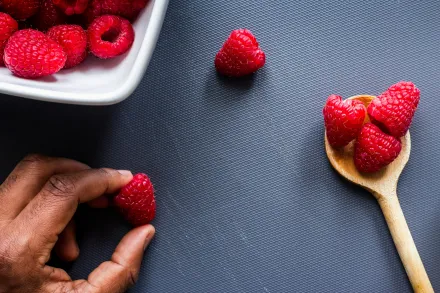
Pure fruit reductions and compotes offer concentrated sweetness without refined sugar. Simmering berries or stone fruits with a splash of water, a squeeze of lemon, and a pinch of spice creates a vivid, naturally sweet sauce that can be swirled into yogurt, layered into parfaits, or used as a dessert topping. For a thicker texture, incorporate chia seeds or ground nuts that absorb moisture and create a satisfying body. When choosing sweeteners, the goal is to maximize flavor while keeping portions reasonable; a little goes a long way when it contains authentic fruit character, which makes the dessert feel indulgent yet wholesome.
Spice and aroma are powerful tools for depth and perception of sweetness. Cinnamon, vanilla, cardamom, ginger, and citrus zest bring warmth and brightness that can reduce the need for extra sugar. A pinch of salt balances the sweetness, sharpening flavors and preventing a syrupy finish. The mindful use of spices not only enhances taste but also enhances the overall sensory experience, making a modest dessert feel complex and satisfying. The best practice is to start with a small amount, taste, and incrementally adjust, allowing the aroma to develop as the dessert cools or rests. In this way, flavor becomes a quiet but transformative partner to nutrition, turning every bite into a richer, more memorable moment.
Healthy Desserts by Category
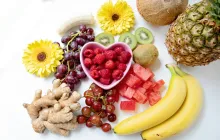
Fruit-based desserts celebrate the natural sweetness and moisture of ripe produce, often requiring minimal added sugar. A simple baked apple or pear, lightly seasoned with cinnamon and walnuts, can become a comforting, nutrient-dense treat. Fruit crisps and crumbles made with oats or almond flour create a cozy texture while providing fiber and healthy fats. For those who enjoy cold treats, frozen desserts built on yogurt or plant-based alternatives offer refreshing surfaces and a creamy center while keeping sugars in check through fruit-based bases and careful portioning. Each fruit-focused idea can be enriched with a complementary element such as a nut butter swirl, a yogurt layer, or a crunchy topping to achieve a satisfying balance of flavors and textures without excessive sweetness.
Frozen desserts expand the repertoire beyond typical ice cream. A frozen smoothie bowl, enriched with avocado or silken tofu, can deliver a velvety mouthfeel without relying on heavy dairy or refined sugar. Chilled puddings made with chia or flaxseed gel hydrate the body with fiber while presenting a dessert that is both visually appealing and comforting. When freezing, consider the impact of water content on texture; adding a small amount of coconut milk or yogurt helps maintain creaminess even after freezing. The result is a dessert that is fragrant, cool, and nourishing, inviting repeated portions without overwhelming the palate with sugar or fat.
Baked goods with a healthful tilt offer warmth, aroma, and heartiness. A crust of oats, nuts, and a touch of olive oil or coconut oil can support a fruit-based filling with a satisfying bite. The sweetness in such desserts typically comes from fruit and a modest amount of maple syrup, with spices adding complexity. Cakes and muffins prepared with whole-grain flours or almond flour present a denser, more satisfying texture and a richer nutrient profile than their white-flour counterparts. When you bake with care and portion control, your desserts can achieve the comforting experience of traditional favorites while staying aligned with nutritional goals and digestive comfort.
No-bake treats demonstrate how simplicity can deliver depth. A layered yogurt chia parfait with berry compote becomes a visually appealing dessert that feels luxurious and easy to assemble. A creamy avocado chocolate pudding offers a velvety texture that rivals pastry-shop indulgence, yet rests on wholesome ingredients like avocado, cocoa, and a touch of natural sweetener. No-bake bars and bites use pressed crusts of oats and nuts combined with a compact filling that supplies fat, protein, and fiber, producing a balanced bite that satisfies craving and nourishes the body. These no-bake formats are excellent for busy days, social gatherings, or meal-prep routines, helping to maintain dietary goals without sacrificing delight.
Seasonal variations invite experimentation and sustainability. In spring, tart rhubarb or bright berries can lead to light, refreshing desserts with a citrus finish. In summer, stone fruits and melons become juicy centers for chilled, airy preparations that are easy to assemble and colorfully appealing. Autumn brings the warmth of baked apples, pears, pumpkins, and warming spices that pair well with nuts and yogurt. Winter desserts can lean into citrus zest, dried fruit compotes, and chocolate with reduced sugar content. By aligning dessert ideas with what nature offers, you not only simplify ingredient sourcing but also heighten flavor and satisfaction, making healthy desserts a year-round practice rather than a seasonal novelty.
Kid-friendly healthy desserts emphasize gentle sweetness, approachable textures, and familiar flavors. A fruit-and-yogurt swirl served in small portions can be a gateway to more adventurous combinations later, showing children that desserts can be delicious without being overly sugary. Desserts that involve assembly, such as layered yogurts with fruit compotes or oats pressed into a crust for a small bar, invite participation and learning about ingredients. The use of colorful fruit, gentle spices, and a light touch with chocolate or peanut butter can create treats that kids love while parents feel confident about nutrition. With thoughtful choices and playful presentation, healthy desserts can become a family favorite that supports healthy habits for life.
Practical Tips for Everyday Healthy Desserts
Plan ahead by stocking a few versatile ingredients that cover a range of dessert ideas. Keep a stash of frozen berries, bananas, and chopped nuts for quick assembly, an assortment of unsweetened plant milks, a jar of dates or other dried fruits, and a can of coconut cream for rich, dairy-free creams. When you want indulgence without excess sugar, begin with fruit as the base and build complexity through texture and aroma rather than more sweetness. Taste as you go and adjust gradually, allowing each layer to reveal its character before adding more sweetness or richness. This mindful approach makes dessert a deliberate and enjoyable part of the day rather than a reaction to a craving.
Practice portion control by serving in small bowls and focusing on savoring each bite. Pair a dessert with a small amount of protein or fiber from yogurt, seeds, or a crust made of oats to reinforce fullness. Use natural flavor boosters such as vanilla, citrus zest, cinnamon, or a touch of espresso to heighten perception of sweetness without relying on sugar. When baking, measure ingredients carefully and allow recipes to come to life with patient cooling and resting; a settled texture often yields a more satisfying bite and a more balanced finish. Embracing these habits will help you create healthy desserts that feel special and celebratory rather than routine and heavy.
Experiment with texture and presentation to keep healthy desserts engaging. A dessert can be as visually appealing as it is palate-pleasing with vibrant colors, glossy finishes, and thoughtful plating. Layered textures, fruit compotes, and contrasting toppings can transform a simple recipe into a memorable experience. Keep a notebook of flavor pairings and textures that work well together, then revisit them to create new variations that suit different seasons, dietary needs, and occasions. The more you practice, the more your confidence grows, and the more natural it becomes to craft desserts that honor both flavor and health in equal measure.
The journey toward consistently healthy desserts is not about perfection but progress. Each recipe offers another chance to refine ratios, adjust sweetness, and explore ingredients you may not have considered before. With curiosity, patience, and attention to balance, you will build a repertoire of treats that delight the palate, respect the body, and support an enduring pattern of mindful eating. The result is a dessert discipline that feels empowering, approachable, and thoroughly enjoyable, turning dessert time into a small, consistent practice of nourishment and joy rather than a distant, moralizing challenge. In this way, healthy desserts become a natural extension of a thoughtful, flavorful, and health-conscious lifestyle.