In modern eating patterns the idea of a balanced plate serves as a practical mental model for combining nourishment with enjoyment. Rather than relying on strict rules or deprivation, this approach invites people to visualize half of their plate filled with vegetables and legumes, a quarter with quality protein, and the remaining quarter with wholesome carbohydrates, complemented by healthy fats. The principle is not a rigid formula but a flexible framework that can adapt to different cuisines, dietary preferences, and daily schedules. It empha...
Nutrition & Diet


Weight loss is fundamentally a dialogue between energy intake and energy expenditure, and meal prepping is a practical tool to influence that dialogue with consistency. When you prepare meals in advance, you reduce the risk of impulsive choices driven by hunger, fatigue, or the convenience of quick but nutritionally incomplete options. This approach also supports a calmer relationship with food, because it shifts the decision making from a rushed moment in the day to a deliberate plan crafted with intention. The science behind weight loss hinge...

Fat plays a central role in how we experience food, partnering with aroma, texture, and aroma to deliver a satisfying eating experience. It carries and releases flavor compounds, softens the bite, and helps create the creamy, luscious feel that many dishes rely on. Yet fat also accounts for a large portion of daily calorie intake, and modern dietary guidance emphasizes moderation without demanding a sterile, flavorless menu. When we appreciate how fat functions, we can design meals that taste rich and rewarding while using less of it, ultimatel...
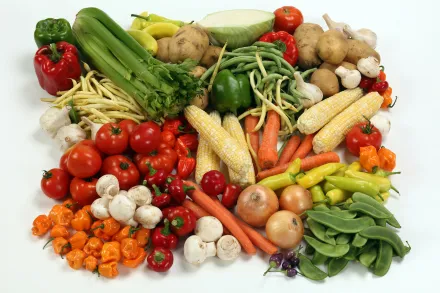
Micronutrients are the vitamins and minerals required by the human body in small amounts to sustain metabolism, growth, and health. Even though their daily quantities are tiny compared to macronutrients like carbohydrates, fats, and proteins, their impact on every major system is profound. Without adequate micronutrients, enzymes fail to function, immune defenses weaken, and the body’s ability to repair tissues diminishes. The term micronutrient encompasses a diverse set of compounds, each with distinct chemical properties and specific roles. S...

Mindful eating is a practice that invites you to move through meals with awareness, kindness, and curiosity rather than through habit and automatic judgment. It begins with the simple decision to pause before taking a bite, to notice the sensations in the body, and to observe the thoughts and feelings that arise around food. It is not a ritual of restriction or a strict rule set; instead it is a flexible approach that honors personal needs, cultural contexts, and individual rhythms. When you engage in mindful eating you learn to listen to the s...
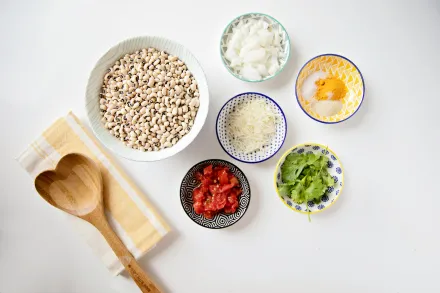
Whole grains are a cornerstone of a balanced and nourishing diet, offering a steady supply of fiber, vitamins, minerals, and plant compounds that support digestion, energy levels, and long term health. Embracing whole grains in every meal does not require a drastic overhaul of your pantry or your cooking routine; it invites a gentle shift toward using more nutrient dense ingredients that can enhance flavor, texture, and satisfaction. The goal is to create meals that feel natural and comforting while delivering sustained energy, rather than rely...

Plant based eating centers the plate on foods that come from the earth rather than from animals, inviting a broad spectrum of vegetables, fruits, legumes, whole grains, nuts, and seeds into everyday meals. This way of eating emphasizes variety, color, texture, and seasonal produce, offering nourishment that supports energy, resilience, and a sense of connection to the natural world. People adopt plant based patterns for health, for environmental stewardship, and from a desire to align daily choices with personal values, cultural traditions, and...
In the broad landscape of nutrition, people frequently encounter traps that impede progress and cloud judgment. Advice shifts as studies emerge, trends wax and wane, and individual experiences color general guidance. This complexity can foster confusion, yet it also offers an opportunity to adopt a thoughtful, evidence-informed approach that remains practical in daily life. The aim of this article is to illuminate the most common missteps encountered on the path to healthier eating and to propose strategies that emphasize balance, sustainabilit...

Joint health depends on a delicate balance between inflammatory processes, mechanical wear and tear, and the body’s ability to repair cartilage and maintain the lubricant environment within joints. What you eat can influence that balance in meaningful ways, shaping how your joints feel on a day to day basis and potentially altering the trajectory of common conditions that affect mobility. A diet oriented toward reducing chronic inflammation, supplying essential nutrients for cartilage and bone, and supporting gut health can work in concert with...

One pot meals stand as a practical answer to the modern impulse for nourishment that is both comforting and efficient. In their simplest form they reduce clutter, minimize washing up, and concentrate flavors in a single vessel that can carry a complete meal from the stove to the table. Yet the beauty of a well crafted one pot dish goes beyond convenience. It is a careful synthesis of nutrition, texture, and balance, where protein, complex carbohydrates, fiber, and an array of vegetables mingle with aromatics, fats, and acids to produce somethin...