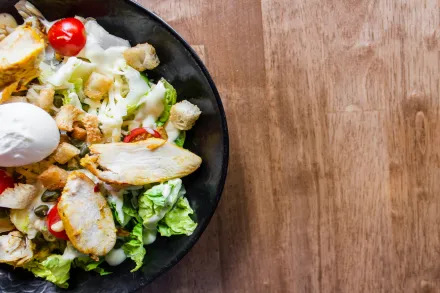
Understanding the foundation of meal prep for weight loss
Weight loss is fundamentally a dialogue between energy intake and energy expenditure, and meal prepping is a practical tool to influence that dialogue with consistency. When you prepare meals in advance, you reduce the risk of impulsive choices driven by hunger, fatigue, or the convenience of quick but nutritionally incomplete options. This approach also supports a calmer relationship with food, because it shifts the decision making from a rushed moment in the day to a deliberate plan crafted with intention. The science behind weight loss hinges on creating a modest energy deficit over time, typically by consuming fewer calories than the body requires for maintenance, while preserving muscle mass and ensuring adequate micronutrients. Meal prep helps achieve that by aligning portion sizes, food quality, and timing with personal goals and daily routines, turning a broad objective into a sequence of manageable actions rather than a single heroic effort.
At its core, successful meal prep for weight loss rests on choosing foods that satisfy hunger, provide steady energy, and contribute essential vitamins and minerals. High fiber and high-volume foods like vegetables, legumes, whole grains, and lean proteins tend to be more filling relative to their calorie content, which helps with adherence and reduces the likelihood of snacking between meals. Proteins preserve lean mass during a caloric deficit, while carbohydrates mainly support physical performance and brain function, especially when timed around activity. Healthy fats contribute to satiety and flavor, making meals satisfying while still allowing room for a calorie target. Understanding these relationships empowers you to build meals that feel abundant, not restrictive, while keeping you on track toward your weekly goals.
Consistency is the silent driver of results in weight management, and meal prep is a tool to create predictable patterns. When you repeatedly prepare similar building blocks—protein portions, cooked grains or starches, vegetables, and a simple sauce you enjoy—you create a reliable framework that reduces decision fatigue. This framework makes it easier to hit protein targets, control portion sizes, and maintain variety through careful rotation of ingredients and flavors rather than relying on a single menu or a short-term diet. The benefit extends beyond calories: by planning meals you also improve nutrient diversity, ensure you get enough fiber, micronutrients, and hydration, and develop a sustainable rhythm that can be kept for months or years rather than abandoned after a short trial.
As you embark on meal prep, it is important to recognize that weight loss is not a one-size-fits-all process. Individual energy needs vary with age, sex, body composition, activity level, and health status. A practical approach is to set a gentle deficit that is sustainable and easy to sustain, with room to adjust based on progress and how you feel. The aim is to create a plan that you can replicate weekly, rather than chasing rapid changes that are difficult to maintain. Understanding this flexibility helps reduce feelings of deprivation and supports a healthier mindset toward food, exercise, and body autonomy. Meal prep then becomes a collaborator to your goals rather than a rigid set of rules you must follow, fostering long-term adherence and real-world success.
Setting realistic goals and building a sustainable plan
Before you start cooking for the week, it is valuable to clarify what you want to achieve and how you will measure progress in a way that respects your lived experience. Realistic goals for weight loss often involve a gradual pace that couples well with meal prep routines. Rather than chasing dramatic week-to-week changes, you can aim for steady, steady, measurable improvements in body composition, energy levels, and overall fitness. A sustainable plan considers not just calories but the quality of food, the distribution of meals across the day, and the social and emotional aspects of eating. When goals are framed in terms of habits, skills, and consistency, weight loss becomes a predictable outcome of repeated well-chosen actions rather than a series of heroic efforts that fade away after a few weeks.
Define a weekly calorie target that aligns with your needs, often falling in a modest deficit range. This might mean a range rather than a fixed number to accommodate fluctuations in activity, hormonal cycles, and daily energy expenditure. Pair that target with macronutrient balance that supports satiety and function: moderate protein to preserve lean mass, fiber-rich carbohydrates to manage appetite, and healthy fats for fullness and hormonal health. By setting these anchors, you create a blueprint that can guide how you shop, what you cook, and how you portion meals. The plan should reflect your preferences, cultural foods, and cooking comfort level, so it feels personal and doable rather than theoretical. As you implement your plan, give yourself permission to adjust portions, swap ingredients, and explore new flavors while staying within your overall energy framework.
Adherence is enhanced when the plan is compatible with your daily life. This means aligning meal prep with work schedules, family responsibilities, and workouts, so that food preparation supports rather than disrupts your routine. Some people thrive with a single batch day, while others prefer smaller, more frequent batch sessions. The key is to choose a cadence that feels sustainable and to build a small set of anchor meals that cover most days. An anchored approach leaves room for flexibility, such as quick meals after training sessions or social events, without derailing progress. As you establish your goals, consider how you will handle days when you cannot follow the plan precisely, and design contingencies that preserve the overall momentum rather than creating a sense of failure or guilt.
A sustainable plan also encourages nutritional diversity and joy. You can achieve this by rotating protein sources, vegetables, and flavor profiles across the week, ensuring you experience a broad spectrum of micronutrients and avoid meal fatigue. Rather than treating variety as a luxury, treat it as a core element of your strategy to support long-term adherence. In addition, allow yourself a flexible indulgence occasionally so that the plan remains enjoyable rather than a strict burden. When the plan feels enjoyable, it is more likely to be followed, and the small daily choices add up to meaningful results over time.
Designing a weekly meal plan that fits your lifestyle
Crafting a weekly meal plan begins with a clear sense of your typical days, energy needs, and cooking resources. Start by listing the meals you consume regularly and identify which ones are most conducive to batch preparation. For example, a protein-forward lunch and a couple of dinners that reheat well are common anchors for many people. The objective is to create a flexible framework that can accommodate leftovers, casual meals, and weekend variations without compromising your overall energy balance. The plan should reflect your cooking skills, kitchen equipment, and time available, turning what could be a stressful project into a smooth routine that you can sustain over months.
One effective approach is to designate a batch day or a rapid batch cadence, depending on your schedule. On your batch day, you prepare certain staples such as proteins, grains, and roasted vegetables in larger quantities. You then assemble meals using these building blocks throughout the week, pairing them with fresh components or simple sauces that can be stored separately to preserve texture and flavor. If you have more time on weekends, you can build more elaborate meals; if weekdays are busiest, you can focus on simpler combinations that still align with your targets. The goal is to minimize daily decision fatigue while maximizing consistency and satisfaction with each meal.
Consider the variety of your plate as a protective factor against boredom and nutritional gaps. A well-designed weekly plan rotates protein sources between lean poultry, fish, legumes, and plant-based proteins, while weaving in a spectrum of vegetables, colors, and textures. The grain or starch component can alternate between brown rice, quinoa, bulgur, oats, or potatoes, depending on energy needs and personal preference. Sauces and dressings play a crucial role in making meals appealing without adding excessive calories; preparing a couple of simple, versatile sauces in advance can dramatically improve flavor while keeping portions in check. A balanced plate can be described as a confident mix of protein, vegetables, a controlled portion of carbohydrates, and a small amount of healthy fats, all aimed at sustaining energy and satisfaction between meals.
Implementing a weekly plan also involves a mindful approach to portioning. Rather than guessing portion sizes, you can use practical cues such as container sizes, visual plate guidelines, or simple weight measurements for the first couple of weeks to calibrate what feels satisfying. As you gain experience, you will be able to estimate portions more accurately from memory, which speeds up your routine and reduces the need for constant weighing. The important point is to maintain a consistent structure across meals while allowing for daily variability in activity and appetite. This balance between consistency and flexibility makes meal prep effective and enjoyable rather than tedious and restrictive.
Finally, the weekly plan should include a mechanism for evaluation and adjustment. Set a recurring moment—perhaps midweek—to review how meals are meeting your hunger, energy, and satisfaction goals, and adjust if necessary. If certain meals leave you feeling underfed, consider adjusting protein or fiber content; if others lead to afternoon slumps, you may need to modify carbohydrate timing or fat content. The goal is to develop a feedback loop in which your plan evolves with your experience, ensuring that the meal prep system remains aligned with your changing needs and lifestyle. When you treat the plan as a living document rather than a fixed decree, you empower yourself to maintain progress in a humane and sustainable way.
Smart grocery shopping and pantry setup
Shopping with a purpose is a cornerstone of successful meal prep. Instead of impulsive purchases that lead to waste or unplanned eating, you can create a streamlined list based on your planned meals, energy targets, and storage options. Start with a core of lean proteins, vegetables, whole grains, legumes, fruits, nuts, seeds, and healthy fats, then tailor the selection to your taste preferences and dietary needs. A well-curated pantry reduces the need for last minute decisions and keeps you on track even on busy days. The goal is to assemble a repertoire of dependable ingredients that you enjoy and that store well, enabling you to compose balanced meals quickly without resorting to takeout.
Organization in the kitchen matters as much as the shopping itself. Separate zones for different categories—proteins, carbohydrates, vegetables, and flavor boosters—help you assemble meals quickly and intuitively. When staples are easy to access, you are more likely to rely on them rather than seeking convenience foods. Consider investing in containers that stack neatly and are clearly labeled with contents and, if useful, portion sizes. This clarity supports portion control and ensures that meals can be packed and stored without confusion. A practical strategy is to prepare a handful of go-to sauces or dressings that pair well with multiple meals, so flavor remains exciting without a large number of unique ingredients that complicate shopping and storage.
In terms of fresh produce, a mix of hardy vegetables that tolerate storage plus a weekly rotation of seasonal items can help maintain variety without waste. It is helpful to assess how long you can keep different items before they lose texture or flavor and to plan around those timelines. Frozen vegetables and fruits can be strategic allies because they retain nutrients and extend shelf life, allowing you to expand your options while keeping costs predictable. When possible, buy what you will use within a reasonable window and consider freezing components that you cannot finish before they spoil. The quiet discipline of smart shopping and smart storage translates into more consistent meals and less last-minute scramble.
Labeling is a small but powerful practice. Before placing batches in the freezer or fridge, label them with contents and dates so you know at a glance what you have and how fresh it remains. Clear labeling helps prevent waste and ensures that items are used while still at their best quality. As you become more confident, you may streamline the process by creating a standardized system for naming, such as a simple format that captures the main ingredients and the approximate cooking method. A well-organized grocery routine reduces stress and makes meal prep a predictable, reliable part of your week rather than a weekly puzzle you need to solve under time pressure.
While shopping, consider cost and sustainability. Buying in bulk for non-perishable or long-lasting items often saves money and reduces trips to the store. For perishables, look for deals on proteins you enjoy and plan meals around what is affordable without compromising your goals. Building a plan that respects your budget reinforces consistency, removes a common source of stress, and supports ongoing adherence. By combining thoughtful shopping with careful pantry organization, you create a strong foundation for successful meal prep that long outlasts a single week and becomes a durable habit.
Batch cooking techniques that save time and preserve nutrients
Batch cooking is the engine that powers efficient meal prep. The central idea is to prepare several components at once, so you can assemble meals quickly during the week. A well-structured batch plan usually includes mouthwatering proteins, grain or legume bases, and a generous amount of vegetables prepared in a way that maintains flavor and texture after reheating. A key principle is to avoid overcooking vegetables, as excessive heat can erode both texture and certain nutrients, especially delicate vitamins. Instead, you can roast, steam, or sauté vegetables to a crisp-tender finish and then chill or reheat as needed to maintain their appeal and nutritional value.
Proteins are the anchor of most meal prep systems. Cooking methods vary based on preferences and equipment, but the goal is to achieve a reliable, flavorful result that remains tender after reheating. Grilling, baking, broiling, or slow cooking can all work, with seasoning designed to endure reheating without becoming dull. When you prepare proteins in bulk, consider portioning them into single-serving containers to simplify daily decisions and keep you aligned with your calorie and protein targets. This approach also minimizes the temptation to overeat, since you can access a pre-portioned portion that satisfies hunger in a controlled manner.
Carbohydrates and legumes form the energy backbone of meals and should be cooked in portions aligned with your weekly plan. In batch cooking, it is practical to cook grains in larger batches and refrigerate or freeze them in divided portions. Legumes require attention to soaking times and cooking durations, but they pay off in fiber and protein that support fullness. Starches like potatoes or sweet potatoes can be roasted with olive oil and herbs, or boiled and stored for quick reheating. Combining these bases with vegetables and protein creates meals that are balanced and satisfying, reinforcing adherence through variety and texture rather than monotony.
Flavors travel far on batch-prepped sauces and dressings. A couple of versatile sauces, such as a lemon-garlic vinaigrette or a smoky tomato-based sauce, can elevate meals without adding excessive calories. It is helpful to prepare sauces that keep well in the fridge or freezer and that complement a broad range of proteins and vegetables. When you have a small selection of go-to sauces, you can rotate them to create new flavor profiles while maintaining a consistent nutritional structure. Sauces also allow you to control oil quantity and sodium, two important levers in managing energy intake and cardiovascular health over time.
Storage considerations are essential to preserve texture and safety. After batch cooking, let hot foods cool briefly before sealing them to prevent moisture buildup and bacterial growth. Use airtight containers that fit well in your fridge and freezer, and consider separating components to allow for flexible meal assembly. For example, keep proteins separate from sauces and vegetables until serving, so you can modify flavors and textures day by day. This strategy reduces the risk of soggy meals and helps maintain the integrity of individual ingredients, which makes the entire plan more enjoyable and easier to sustain across many weeks.
Storage safety and portion control
Safety in storage is not merely a matter of compliance, but a practical contributor to consistent health outcomes. Refrigerated foods should be kept at or below four degrees Celsius (40 degrees Fahrenheit) to minimize bacterial growth, while freezer temperatures should be well below freezing to preserve quality and safety over extended periods. It is sensible to portion meals into single-serving containers that can be easily reheated without compromising texture. This approach reduces the temptation to eat more than planned and helps you maintain a predictable daily energy intake. By pairing sensible portions with safe storage practices, you create a predictable cycle of preparation, storage, and consumption that aligns with your weight loss goals.
Portion control is easier when you introduce practical cues. Use standard containers with known volumes or weigh portions for accuracy as you establish your baseline. Once you feel confident about appropriate amounts, you can rely on visual cues to guide serving sizes during the week. The key is consistency: sticking to a reasonable portion across meals reduces the cumulative excess that can undermine a weekly deficit. Emotional and sensory cues also matter; if you frequently finish meals with lingering hunger, you may need to adjust protein or fiber content, or incorporate a brief, healthy snack to bridge gaps. These adjustments should be made gradually and with attention to how they influence satiety and energy levels throughout the day.
Another practical tactic is to label containers with a date and a brief description, which helps you rotate stock and minimize waste. When you track what you have used and what remains, you can plan more accurately for the upcoming week and avoid letting meals slip into a backlog of forgotten ingredients. A routine that includes immediate post-catchup with your storage system will save time and prevent the emotional drift that sometimes leads to unplanned choices. Over time, you will develop a rhythm of batch-cook, portion, and store that supports steady progress instead of sporadic bursts followed by gaps in adherence.
Experience with portioning and storage builds confidence. You will learn how long different items typically stay at peak quality and how their textures respond to reheating. This knowledge allows you to optimize your batch plan for maximum flavor and nutrition, while also reducing waste and cost. It is reasonable to adjust the weekly batch quantities based on appetite fluctuations, exercise intensity, or social plans. Making these small calibrations preserves the integrity of your plan and helps sustain motivation, transforming meal prep from a chore into a reliable pathway toward your weight loss objectives.
In addition to safety and portioning, consider the impact of freezing on texture and flavor. Some items freeze exceptionally well, such as cooked grains, beans, sturdy vegetables, and marinated proteins, while others may lose a bit of brightness after thawing. Designing the batch with these differences in mind helps maintain a satisfying experience across the week. A thoughtful approach to batch cooking, storage, and portion control creates a win-win: meals that remain tasty and nutritionally balanced, while supporting a realistic and lasting energy deficit necessary for weight loss.
Flavor, variety, and adherence without boredom
One of the most common barriers to long-term weight loss is boredom with meals. When flavor, texture, and color fade, adherence can wane, and it becomes tempting to abandon the plan for easier, less nutritious options. The antidote is deliberate variety combined with smart preparation strategies. Begin by embracing a palette of herbs, spices, and citrus notes that can be applied across meals without dramatically increasing complexity. A few well-chosen flavor profiles can transform a basic protein and vegetable plate into a satisfying, exciting meal each day. The aim is to build a repertoire of flavors that you enjoy and that pair well with your batch-cooked components, enabling you to rotate meals with minimal time investment while preserving interest and satisfaction.
Texture matters as well. By layering different textures—crunchy vegetables, creamy sauces, chewy grains, and tender proteins—you create an eating experience that remains engaging. Part of the strategy is to prepare components that reheat well and retain their desirable mouthfeel. For instance, roasting vegetables to a slightly firmer finish helps them maintain texture after storage, while emulsified sauces can stay smooth and flavorful when paired with reheated proteins. Planning texture variety within your weekly batch plan can drastically reduce monotony and increase adherence while delivering steady nourishment.
Color is another powerful cue for satiety and nutrition. A varied plate with greens, reds, purples, and yellows signals a broad spectrum of micronutrients and plant compounds. When you design meals around colorful produce, you naturally increase fiber, vitamins, minerals, and phytochemicals, which supports overall health and energy. Beyond aesthetics, color variety corresponds to different nutritional benefits, from antioxidant activity to gut health support. A vibrant plate is not just appealing; it represents a thoughtful approach to nourishing your body in a sustainable way.
Adherence is enhanced when meals feel tailored to your preferences and lifestyle rather than dictated by rigidity. If you dislike a particular vegetable, find a compatible substitute with a similar nutrient profile. If a protein feels dry after reheating, adjust the cooking method, seasoning, or portion size. By treating meals as customizable templates instead of fixed recipes, you preserve autonomy and motivation. This mindset shift makes the meal prep process a creative, gratifying routine rather than a chore, increasing the likelihood that you will continue to invest time and energy into it over the long term.
Enjoyment also comes from balance. Pairing indulgent flavors with healthier choices can satisfy cravings without derailing your plan. For example, a small portion of a favorite sauce or a nuanced spice blend can elevate a lean protein and vegetable dish without significantly increasing calories. In practice, this means exploring a spectrum of ingredients and combinations, testing new flavors, and recording what works for you so you can replicate successes. When your meals feel nourishing, flavorful, and enjoyable, you create a positive feedback loop that reinforces healthy eating habits as a natural part of daily life rather than a temporary experiment.
Finally, variety supports sustainability by preventing dietary fatigue. By rotating proteins, grains, vegetables, and flavor techniques, you increase the probability of meeting micronutrient needs and maintaining enthusiasm for meal prep. A thoughtful approach to flavor and texture makes the planning phase engaging and the execution phase efficient, helping you stay on track with your weight loss goals while enjoying the process rather than merely counting calories. The result is a practical, enjoyable system that supports health, performance, and a healthier relationship with food you can trust week after week.
Adapting meal prep for different dietary needs
Meal prep can be customized to suit a wide range of dietary preferences and restrictions without sacrificing effectiveness. Whether you follow a vegetarian, vegan, keto, low-carb, gluten-free, dairy-free, or otherwise specialized pattern, the foundational principles remain the same: prioritize protein, fiber, vegetables, and healthy fats, and manage portions to align with energy goals. The adaptations involve selecting appropriate protein sources, carbohydrate choices, and fat sources that fit the dietary framework while ensuring satiety and nutrient adequacy. For instance, a plant-based plan can rely on legumes, tofu, tempeh, seitan, nuts, seeds, and whole grains to meet protein needs while emphasizing fiber-rich vegetables and fruits for micronutrients and fullness.
For those seeking low-carbohydrate options, the emphasis shifts toward lean proteins, non-starchy vegetables, and healthy fats, with careful attention to fiber intake and micronutrient density. In gluten-free plans, naturally gluten-free grains like quinoa, millet, or brown rice can be paired with a broad array of vegetables, legumes, and lean proteins to deliver balanced meals. People with dairy sensitivities or lactose intolerance can obtain calcium and vitamin D from fortified plant milks, leafy greens, and tofu, ensuring that meals remain enjoyable and nutritionally complete. The important point is that dietary modifications should preserve satiety, energy, and long-term adherence while respecting individual health needs and lifestyle choices.
In all cases, it is wise to maintain a flexible approach rather than rigidly adhering to a single template. You can rotate ingredients based on seasonality, budget, and personal preference, and adjust seasoning to reflect regional cuisines or cultural traditions. This flexible mindset helps you stay engaged with the meal plan and promotes sustainability. If health considerations require professional guidance, such as managing a medical condition or tailoring macronutrient targets, seek input from a qualified practitioner who can help tailor the plan without compromising your weight loss goals. When personalized adjustments are made thoughtfully, meal prep becomes a safe and empowering tool rather than a generic one-size-fits-all prescription.
Experimentation within a framework is particularly beneficial. Try swapping a protein source or a carbohydrate base and observe how it affects appetite, energy, and mood. Keeping notes about which combinations yield the most satisfaction can guide future choices and reduce trial-and-error time. This process fosters a sense of mastery and ownership over your nutrition, which is essential for long-term dedication. The goal is not to reign in creativity, but to channel it into practical, repeatable actions that reliably support weight management while honoring your dietary needs and preferences.
Incorporating cultural foods and family traditions into meal prep also supports adherence. If your usual meals are deeply rooted in your heritage or daily routine, you can adapt those dishes to fit a weight loss framework by adjusting portions, using leaner cooking methods, or incorporating more vegetables as a base. This approach preserves identity and enjoyment, transforming weight management into a positive, inclusive experience rather than a distraction from what you love. By blending personal meaning with practical nutrition strategies, meal prep becomes a sustainable practice rather than a temporary experiment, encouraging lasting change that fits your life as it unfolds.
Overcoming challenges and common mistakes
Even with a solid plan, several common obstacles can derail meal prep for weight loss. A frequent pitfall is underestimating the time needed for batch cooking or overplanning to the point that the routine becomes overwhelming. The antidote is a scaled, realistic approach that gradually expands as you gain confidence. Start with a small batch of meals and a few staple ingredients, then build from there as you become more efficient and comfortable in the kitchen. By avoiding overcommitment, you reduce stress and increase the likelihood of long-term adherence.
Another typical mistake is neglecting hunger cues and relying on rigid schedules that ignore appetite. It is essential to listen to your body and adjust portions or meal timing in response to hunger, energy levels, and activity. If you experience persistent hunger between meals, it may indicate that protein, fiber, or overall energy intake needs adjustment. Conversely, if you feel overly full after meals or experience fatigue, you may need to slightly reduce portion sizes or alter the macronutrient balance. A flexible approach that respects internal signals tends to produce better outcomes than a strict, emotion-laden plan that disregards how you actually feel.
Social situations pose another challenge, as meals shared with others can disrupt routine. To navigate this, consider planning for social meals as part of your weekly framework, allowing room for a few higher-calorie meals while maintaining an overall deficit across the week. This approach reduces the likelihood of binge behavior and helps you stay aligned with your goals. It can also be helpful to prepare portable options that travel well or to modulate portions rather than skipping meals to compensate later. The key is to maintain the sense that your dietary plan remains in control and still compatible with a vibrant social life.
A common error is to treat meal prep as a fixed, unchanging system rather than a living process. Food preferences, work schedules, and energy needs change, and the plan should adapt accordingly. Regularly reviewing and revising recipes, portions, and schedules prevents stagnation and enables continued progress. If you notice a plateau, consider tweaking protein targets, increasing fiber, or adjusting meal timing in response to training cycles or stress. Rather than perceiving plateaus as failures, view them as signals to refine the approach, test new meals, and re-engage with the plan with renewed clarity and motivation.
Another pitfall is neglecting hydration, which can masquerade as unnecessary snacking or tiredness. Drinking adequate water throughout the day supports digestion, appetite regulation, and energy for meals and workouts. Hydration should be integrated into the daily routine alongside meal preparation, not treated as an afterthought. By recognizing the interconnectedness of hydration with weight management, you create a more complete and resilient strategy that honors both physical needs and lifestyle pleasures. The result is a more confident, holistic approach to weight loss that sustains you beyond any single week or batch of meals.
Ultimately, the most effective meal prep strategy is one that emphasizes progress over perfection. Small, consistent improvements compound over time, delivering meaningful changes in body composition, health, and mood. When mistakes occur, they offer an opportunity to learn, adjust, and recommit with greater wisdom. A mindset that treats preparation as a skill to be practiced rather than a verdict on personal worth paves the way for lasting success. By adopting this compassionate, pragmatic approach, you can navigate challenges with resilience and continue to advance toward your weight loss goals with confidence and clarity.
Tracking progress and adjusting your plan
Measuring progress in weight loss through meal prep involves more than stepping on a scale. A holistic approach includes tracking body measurements, how clothes fit, energy levels, performance in workouts, sleep quality, and mood. A simple, regular check-in can help you decide when to adjust portions, energy targets, or meal timing. Rather than focusing solely on weight changes, consider the broader picture of body composition, strength, stamina, and overall well-being. This broader lens helps sustain motivation and ensures that changes support health in multiple dimensions beyond the numbers on a scale.
During the tracking process, it is valuable to document what meals you enjoyed, how full you felt, and how you recovered from workouts. This diary can guide future decisions about which meals to keep, modify, or replace. Recording practical details such as grocery expenses, time spent cooking, and waste levels provides insight into the efficiency and sustainability of your plan. When you review these notes, look for patterns that signal success, such as meals that consistently curb cravings or provide steady energy for training sessions. Recognizing these patterns helps you refine your strategy in ways that reinforce positive habits.
Adjustments should be thoughtful and incremental. If you see slow progress or plateaus, you might consider slight modifications to portion sizes, the distribution of macros, or meal timing around workouts. If you report better adherence on some days than others, analyze what factors contributed to those days and attempt to reproduce the conditions that supported success. The aim is to create a feedback loop where data informs decisions, and decisions are implemented with care and attention. Over time, this approach yields a personalized blueprint that evolves with your body and lifestyle, sustaining weight loss while honoring your preferences and daily reality.
In addition to quantitative tracking, qualitative reflections are equally important. Journaling about satisfaction with meals, social experiences, and emotional responses to food can reveal patterns that numbers alone might miss. For instance, recognizing that a particular meal reliably reduces afternoon hunger can be a powerful signal to incorporate it more regularly. By integrating both objective measurements and subjective experiences, you develop a well-rounded understanding of what truly supports your goals. This integrated approach transforms meal prep from a rigid regimen into a dynamic practice that adapts to you while remaining aligned with your weight loss ambitions.
As you refine your plan, keep the emphasis on sustainability. The most successful strategies are those you can maintain for months, not just weeks. Your capacity to stay consistent depends on the practicality of your system, the enjoyment you derive from meals, and the degree to which the plan aligns with your life. By treating tracking and adjustment as a natural and ongoing part of the process, you create a pathway toward lasting health improvements that extend beyond a single weight target. The payoff is a balanced, energized, and more confident you, supported by a meal prep routine that respects both science and daily life.
Mindset and behavioral strategies to sustain meal prep
The long-term success of meal prep relies as much on psychology as on recipes. Developing a mindset that embraces planning, consistency, and self-compassion can dramatically improve adherence. Habit formation thrives when actions become automatic through repetition in a stable context. To build these automatic behaviors, embed meal prep into your daily routine at a predictable time and place, so the activity becomes a natural habit rather than a cognitive burden. The more your environment supports this behavior, the more likely you are to sustain it even when motivation wanes.
Cue-based strategies help automate healthy choices. For example, an after-work ritual that includes opening the fridge, selecting pre-portioned proteins, and combining them with a prepared grain and vegetables can become a mental shortcut that reduces decision fatigue. If certain environments or emotions trigger cravings for less nutritious options, design alternative responses that align with your goals, such as stepping away, taking a short walk, or preparing a quick, satisfying batch-friendly snack. By shaping your surroundings and responses, you can maintain progress with less stress and greater ease.
Automation supports consistency, but flexibility protects motivation. Allow yourself a degree of experimentation and occasional deviation from the plan to avoid resentment and burnout. This could mean rotating a few dishes when life becomes busy or allowing a weekend treat within an overall healthy framework. The objective is not to abandon structure, but to preserve the sense that your approach is sustainable and enjoyable. When you feel empowered to adapt, you are more likely to stick with the plan over weeks, months, and years, turning weight management into a lasting habit rather than a temporary project.
Social accountability can bolster adherence, especially if you share goals with a partner or friend. Engaging someone in a similar journey can provide support, motivation, and practical ideas for meals, shopping, and routines. You can exchange recipes, celebrate small wins, and collaborate on meal prep strategies that fit both lifestyles. Positive accountability fosters a sense of shared purpose and reduces the isolation that can sometimes accompany lifestyle changes. The presence of a supportive network reinforces commitment and makes the process more enjoyable and sustainable.
Self-compassion plays a critical role when missteps occur. Instead of criticizing yourself for occasional deviations, acknowledge what happened, reflect on the contributing factors, and re-engage with the plan. A compassionate approach reduces the risk of spiraling into guilt or discouragement, which often derails progress more than a single misstep would. By treating setbacks as learning experiences and continuing with renewed intention, you maintain momentum and protect your long-term trajectory. A kind, patient attitude toward yourself is a powerful catalyst for lasting change, especially when it is applied consistently alongside practical meal-prep strategies.
Putting it into practice: a step by step blueprint for the first week
Begin with a modest but concrete plan that you can execute reliably. Start by identifying three core meals to anchor your week, such as a protein-forward lunch, a balanced dinner, and a nutrient-dense breakfast. Decide on their protein sources, vegetables, grains, and a simple sauce that can be made in larger batches. This blueprint should be realistic in terms of time, equipment, and culinary skill, setting you up for success rather than frustration. The aim is to establish a reusable template that you can adapt in subsequent weeks, gradually expanding your repertoire as you gain confidence. A feasible plan is far more valuable than an ideal plan that never leaves the page.
Next, audit your schedule to determine a batch-friendly window. Whether you have a block of time on Sunday or a lighter weekday evening, allocate it to cooking, cooling, storing, and labeling. During this batch session, you should prepare the major components: a protein portioned into single servings, a starch or grain batch, and a flexible set of vegetables that can be combined with different sauces. When these elements are ready, you can assemble meals quickly during the week, keeping portions aligned with your targets. By separating components and then combining them at mealtime, you preserve texture and flavor while maintaining control over calories.
Then, design a simple three-day rotation for flavor variety. Keep one dependable sauce that suits all meals and introduce two additional flavor profiles to rotate every couple of days. This approach preserves simplicity while providing enough diversity to prevent boredom. A rotating menu supports satisfaction and adherence while maintaining the core nutritional framework. As you implement the rotation, observe which combinations feel most nourishing and which ones feel lacking, and adjust the balance of protein, fiber, and fats accordingly. The week will reveal what works best for you, and you can refine your plan for the following week based on these insights.
Finally, build in a reflection and adjustment moment. At the end of the batch day, review what went smoothly and what could be improved. Note any meals that did not satisfy or any ingredients that were wasted, and use this information to alter future shopping lists or meal combinations. This practice strengthens your ability to adapt and optimize, making the weekly cycle increasingly efficient. By treating your first week as an experiment with practical feedback loops, you develop a robust, repeatable system that grows more effective with time, gradually turning meal prep into an automatic and enjoyable habit rather than a chore.