The first years of a child’s life are a period of rapid growth and astonishing change, when the brain forms billions of connections and learns to interpret the world through sight, sound, touch, and language. Nutrition acts as both the fuel and the blueprint for this intricate process, influencing how well neural networks are established, how efficiently information is processed, and how resilient the developing mind becomes in the face of stress and learning challenges. The foods that a caregiver offers a child can help support attention, memo...
Nutrition & Diet


Understanding why processed sugar feels so appealing can empower you to choose differently without feeling deprived. The modern food environment is saturated with sweet flavors designed to trigger immediate pleasure, and many products carry sugar in multiple forms that can be easily overlooked. Processed sugar provides a quick burst of energy and a temporary mood lift, which can become a kind of habit when stress, fatigue, or time pressure loom. The brain releases dopamine in response to sweet tastes, reinforcing the desire to seek out sweets a...

Water is the most fundamental component of the human body, shaping structural integrity and enabling a vast array of biochemical processes that sustain life. It acts as a universal solvent, dissolving nutrients, electrolytes, and metabolic byproducts so that biochemical reactions can proceed with efficiency and precision. The circulatory system relies on an aqueous medium to transport oxygen, nutrients, hormones, and immune cells to tissues throughout the body, while also enabling the removal of carbon dioxide and waste products through the kid...

Meal planning and preparation for an entire week is not simply a set of recipes or a ticking clock of kitchen tasks; it is a philosophy that blends discipline with flexibility and respect for your own rhythms. The first step is to cultivate a mindset that views food as both nourishment and enjoyment, not as a burden that must be endured. This mindset helps you approach a Sunday or any day of the week with calm rather than panic, and it allows you to imagine a series of meals that sustain energy, pleasure, and consistency. When you embrace this ...

Antioxidants are a broad family of naturally occurring compounds that help shield cells from damage caused by free radicals, unstable molecules produced during normal metabolism and exposure to environmental stressors. In everyday meals these compounds appear in a spectrum of forms, from the deep orange glow of beta-carotene to the rich violet hues of anthocyanins and the bright greens that accompany chlorophyll, as well as essential vitamins and minerals that support the body’s own antioxidant defenses. When we focus on including antioxidants ...

Maintaining a healthy weight is a dynamic process that blends nourishment, awareness, and steady effort over time. It is not simply a number on a scale or a temporary diet plan, but a holistic approach to how you fuel your body, how you move, and how you live each day. A thoughtful strategy emphasizes energy balance, nutrient density, and sustainable habits that support vitality, mood, and long term wellbeing. When you seek a healthy weight through diet, the aim is to create a pattern of eating that fits your preferences, respects your health h...

The journey toward a healthier gut begins with a careful attention to the choices we make at the table and the way those choices interact with the complex system that processes food, nourishes the body, and hosts trillions of microbes. Digestive function is not a single mechanism but an orchestra of processes that involve mechanical breakdown, chemical actions, hormone signaling, and the dynamic ecosystem inside the intestines. By selecting foods that support stool formation, promote beneficial bacterial balance, and ease the workload of the st...

On days that sprint past with meetings, deadlines, and errands, planning ahead is not a luxury but a practical tool that keeps nutrition intact. When you design a flexible plan the night before or early in the morning, you create a map that guides every meal and snack toward nourishment rather than impulse. The idea is simple: anticipate constraints and build buffers. If your schedule is unpredictable, embracing portable options, portioned meals, and a clear sense of what constitutes a balanced plate helps transform chaos into a controllable fr...

In a world that moves at a relentless pace, nourishment often competes with deadlines, commutes, and the lure of convenient but less wholesome options. The goal of cooking nutritious meals quickly is not to substitute quality with speed but to harmonize the two, creating nourishment that sustains energy, supports health, and still leaves room for enjoyment. When meals are prepared with intention, even on busy days, the body receives balanced portions of protein, complex carbohydrates, and vegetables, along with healthy fats that aid in satiety ...
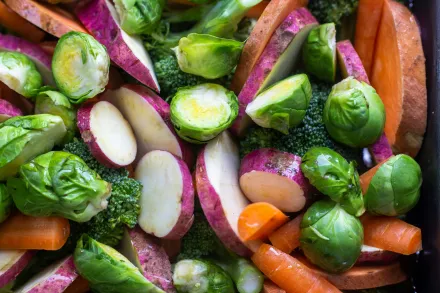
In modern kitchens, the challenge is not the desire to eat more vegetables but the practical habit of integrating them into meals that feel complete, satisfying, and comforting. The goal of this guide is to explore how to include more vegetables in every meal without sacrificing flavor, texture, or convenience. By examining both mindset and technique, you can transform everyday routines into opportunities for colorful, nutrient-dense plates. This approach respects diverse tastes, dietary needs, and busy schedules while inviting you to see veget...