Why quick nutritious meals matter
In a world that moves at a relentless pace, nourishment often competes with deadlines, commutes, and the lure of convenient but less wholesome options. The goal of cooking nutritious meals quickly is not to substitute quality with speed but to harmonize the two, creating nourishment that sustains energy, supports health, and still leaves room for enjoyment. When meals are prepared with intention, even on busy days, the body receives balanced portions of protein, complex carbohydrates, and vegetables, along with healthy fats that aid in satiety and mood stability. This approach is not about rushing through recipes; it is about crafting routines and choosing techniques that minimize wasted time without compromising taste or nutritional value. The result is a daily rhythm where wholesome food becomes a natural default rather than an extra obligation, and the confidence that comes from knowing you can feed yourself well even when the clock is tight.
Core principles for speed and nutrition
Efficiency and nourishment are not mutually exclusive. They share a core: planning informed by real appetite, pantry knowledge, and practical kitchen skill. When you cook with purpose you lean into techniques that preserve nutrients while shortening cooking times. Quick meals often rely on ingredients that require minimal processing yet deliver a crowd-pleasing texture and flavor. A well-balanced plate features protein to support muscle and repair, fiber-rich carbohydrates for steady energy, plenty of colorful vegetables for micronutrients, and a modest amount of healthy fats for flavor and fullness. Mastery comes from recognizing which components can be prepared in advance, which can be finished in a short burst, and how to combine them into satisfying meals with minimal fuss. Smart equipment and simple techniques become allies in this journey, allowing you to translate nutrition into meals you genuinely crave rather than meals you feel you ought to eat.
Smart planning and mise en place
Effective quick cooking rests on a calm, organized approach. Start by taking a few minutes to assess what you have in the fridge, the freezer, and the pantry, then imagine the meals that could be assembled from those ingredients with only a few additions. Harmonize proteins, vegetables, starches, and sauces so that every element complements the others and nothing sits unused. Mise en place becomes a quiet ritual that saves both time and energy; chopped vegetables, measured spices, and pre-washed greens lined up in clear containers help you avoid stumbling blocks when hunger and fatigue rise. This deliberate preparation also reduces waste, because you are more likely to use what you already have instead of creating new items that linger in the back of the fridge. The practice of arranging ingredients ahead of cooking might seem small, but it has a magnified effect on how quickly meals come together later in the week. Consistency in prep translates to consistency in meals.
Power pantry and fridge staples
A well stocked pantry and fridge can dramatically shorten cooking times because you are not chasing ingredients or waiting for groceries to arrive. Staple items include a source of protein such as canned beans, lentils, tuna, or shrimp, a handful of whole grains or quick-cooking starches like quinoa or brown rice, and a repertoire of flavorful but fast sauces and condiments that can transform a simple base into a complete dish. Frozen vegetables are a revelation for speed and nutrition because they preserve nutrients at their peak, cook in minutes, and eliminate the need for last-minute shopping. Fresh greens like spinach and kale offer nutrition and speed, while a sturdy set of aromatics—garlic, onions, ginger—provides abundant flavor with minimal effort. When you stock these elements and rotate them thoughtfully, you unlock endless possibilities for nutritious meals that come together in under half an hour. Smart stocking is half the battle won.
Protein to fuel fast meals
Proteins are the anchor of quick meals, offering satiety and muscular support without requiring long cooking times. Lean animal proteins such as chicken breasts, fish fillets, and eggs cook rapidly and pair well with a variety of vegetables and grains. Plant-based options like canned beans, lentils, and tofu provide texture and nutrient density with minimal preparation, especially when prepped in bulk and seasoned boldly. A small yet meaningful approach is to choose protein portions that fit the meal size you need and to leverage cooking methods that preserve moisture and flavor. Pan-searing, sautéing, or quick steaming can yield juicy results in minutes, while batch-cooked proteins can be portioned and frozen for future use. The beauty lies in versatility: a single protein can power multiple quick meals with different sauces and vegetables across the week. Protein is the steady drumbeat of quick, nutritious cooking.
Vegetables that brighten flavor without slowing you down
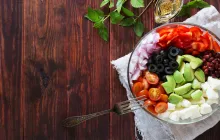
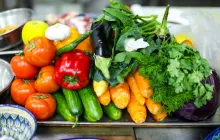
Vegetables are the heart of nutrition and color, yet many fear they will slow cooking down. The truth is that the right vegetables, prepared in a few efficient ways, can elevate any meal in minutes. Leafy greens wilt rapidly and provide a nutrient-dense base, while cruciferous vegetables like broccoli and cauliflower can be chopped into small florets that finish quickly when steamed, sautéed, or roasted on a sheet pan. Bell peppers, zucchini, mushrooms, and cherry tomatoes add texture and natural sweetness, reducing the need for heavy sauces. When you choose vegetables that cook quickly or can be prepped in advance, you create vivid, satisfying meals that maintain their brightness and texture. A handful of greens tossed into a hot skillet just before serving can transform simple grains into a nourishing plate in moments, and roasting vegetables on a sheet pan frees up the stove for other components of the meal. The vegetables are not an afterthought; they are the main event in speed.
Techniques that save time in the kitchen
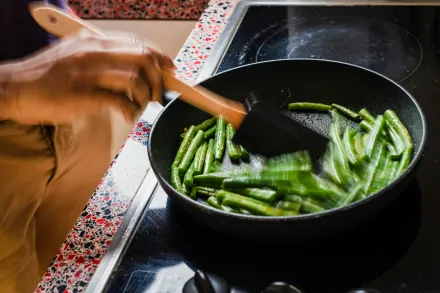
Speed in the kitchen often comes from choosing methods that maximize heat transfer without overcooking. Sautéing and stir-frying over high heat with a small amount of oil can seal flavors quickly while maintaining moisture in proteins and crispness in vegetables. Steaming preserves color and nutrients with minimal fat, especially when using.
When possible, use one-pot or one-pan techniques. A skillet that futures as a cooking surface for vegetables, protein, and starches reduces washing up and consolidates flavors in a single vessel. Pressure cooking and pressure-assisted methods accelerate tenderization of grains, legumes, and tougher cuts, turning what used to require longer simmering into a brief, controlled process. Quick braises and mortar-and-pestle sauces can build deep flavor with minimal time, turning simple ingredients into a comforting and nourishing meal. The choice of technique depends on what you want to achieve in texture and flavor, but each method has a recognizable payoff in speed, while staying faithful to nutrition. Technique is the quiet engine behind quick, nutritious meals.
Breakfast ideas that carry you through busy mornings
Morning meals set the tone for the day, and options that come together in a short span can be both delightful and nourishing. Oats warmed with milk or a plant-based alternative, flavored with fruit, nuts, and seeds, provide sustained energy without heaviness. Overnight preparations enable you to wake to soft textures and ready-to-eat meals that need only a quick reheating. Eggs, whether scrambled, poached, or turned into a hearty omelet with vegetables, deliver high-quality protein and can be paired with whole-grain toast or tortillas for balance. Yogurt bowls with fruit, granola, and a drizzle of honey offer a refreshing start with less time spent at the stove, while smoothies packed with greens, fruit, protein powder, and healthy fats can be a portable option for days when you are on the move. The key is to assemble components that require minimal cooking yet deliver fullness that lasts, ensuring you do not reach for less nutritious choices out of hunger or haste. Breakfast that works with your schedule sets you up for success all day.
Lunch and dinner ideas under twenty minutes
To create meals under twenty minutes, begin with a robust base such as whole grains or fast-cooking starches, fold in a protein you have on hand, and finish with vegetables that cook quickly. Stir-fries capture the essence of speed and nutrition, giving you a sizzle of flavor in a short window, while bowls built on quinoa or brown rice provide a satisfying texture and a canvas for colorful toppings. A sizzling protein with a tangy glaze, a handful of greens, and a drizzle of bright dressing can transform humble pantry items into a complete plate. When you prepare sauces in advance or keep a few ready-made options in the fridge, you can brighten a simple base with minimal effort. The emphasis is on harmony between protein, fiber, and micronutrients, so every bite feels nourishing and complete, even when time is scarce. Quick meals can be deeply satisfying and nutritionally complete with the right balance and mindset.
One-pan and sheet pan strategies
One-pan and sheet pan meals excel in speed because they reduce handling and cleanup while delivering layered flavors. A sheet pan can host protein, vegetables, and aromatics, roasted together until everything is tender and caramelized, which concentrates flavor and minimizes the number of pans used. When vegetables and proteins are chosen to cook at similar speeds, you achieve a cohesive finish where the sauce or glaze ties components together. The sheet pan approach also invites creativity, as you can switch seasonings and pantry staples to tailor a dish to your current cravings. The result is a complete, balanced meal with a crisp edge and comforting aroma, achieved with minimal effort and a fraction of the usual cookware. Sheet pan meals are practical, forgiving, and endlessly adaptable.
Batch cooking and reusing leftovers
Batch cooking converts a long cooking session into several days of ready-to-assemble meals. A single block of time can yield soups, stews, grains, roasted vegetables, and proteins that reheat well and stay delicious hours later or even across days. When you design batches with compatible flavors, you can combine leftover components into new meals without boredom. For instance, cooked beans can star in warm bowls with greens, grains, and a quick dressing, while roasted vegetables can support a warm salad or be reimagined as a filling for wraps. Proper storage, including airtight containers and clear labeling, helps you keep track of what you have and reduces waste. Leftovers become a resource rather than a problem, enabling you to enjoy nutritious meals with minimal daily effort. Batch cooking is a sustainability and efficiency strategy that pays off daily.
Healthy sauces and flavor boosters
Sauces can lift a simple base into something vibrant and satisfying without adding heavy ingredients. A bright citrus vinaigrette, a savory yogurt-based sauce, a sesame-ginger glaze, or a tomato-based reduction can be prepared quickly and used across multiple meals to create variety. The key is to keep a few versatile flavor boosters on hand, such as miso paste, tahini, low-sodium soy sauce, fresh herbs, and citrus zest, which can be whisked into small amounts of warm liquid to produce a quick coating or finishing touch. Avoid overreliance on heavy cream or processed sauces, which can erase the benefits of quick cooking by adding excessive fat and calories. Instead, lean on fresh aromatics, acidity, and a balance of salt and sweetness to achieve nourishment and delight in every bite. Flavor boosters are the secret to keeping fast meals interesting and satisfying.
Flavor without heaviness
Nutrition and flavor need not be at odds with one another. By focusing on whole foods, high-quality proteins, legumes, grains, and vegetables, you can craft meals that are satisfying without feeling heavy. A practiced approach involves pairing fiber-rich vegetables with lean proteins and a modest amount of healthy fats, such as olive oil, avocado, or nuts. Bold seasoning can compensate for shorter cooking times by delivering aroma and mouthfeel that feel indulgent even when the ingredients are light. Rich textures come from textures and temperature contrasts, such as a crunchy topping on a soft kernel of grain or a warm, glossy sauce with crisp greens. This balance keeps meals enjoyable, encourages healthier choices, and supports consistent quick cooking over time. Light does not mean flavorless; it means thoughtful composition and technique.
Dietary variations and accommodating restrictions
The landscape of dietary needs is broad, but the principle remains the same: plan with possibility in mind. For those who do not eat meat, plant-based proteins combined with a variety of legumes and grains can meet protein requirements while still cooking quickly. For individuals watching carbohydrates, you can emphasize vegetables, lean proteins, and lighter starches like quinoa or buckwheat. Gluten-free needs can be met with naturally gluten-free grains and pulses plus creative sauces to maintain diversity. Dairy sensitivity can be addressed with fortified plant milks, nut creams, or yogurt alternatives. The practice of adapting recipes without sacrificing speed involves recognizing the role of each ingredient and choosing substitutes that maintain texture and flavor. With attention to labels, portion control, and seasonal produce, quick meals can be inclusive, flavorful, and nutritionally sound for a wide range of dietary preferences. Flexibility in ingredients opens doors to nourishing quick meals for everyone.
Safety, freshness, and food safety while moving fast
Cooking quickly does not mean neglecting safety. Proper handling of raw proteins, careful washing of produce, and correct storage of prepared foods are essential practices that prevent mishaps. When you plan ahead, you also help ensure that foods are consumed while fresh, and that leftovers are cooled promptly and stored appropriately. Freezing portions for future use helps maintain quality, while labeling and dating containers reduces waste and gives you confidence in what you are consuming. In a fast kitchen, staying mindful of time and temperature protects both flavor and health. The goal is to preserve the nutrients and textures you rely on while avoiding shortcuts that could compromise safety. With routine habits and a calm approach, you can cook quickly without compromising care and quality. Safety and speed can coexist when attention stays steady.
Mindful portioning and balanced plates
Even in hurried cooking, the idea of a balanced plate remains central. A practical approach includes envisioning a plate where half is vegetables, a quarter is lean protein, and a quarter is whole grains or starchy vegetables. This balance supports energy, fullness, and steady blood sugar, which is crucial for sustained performance through busy days. When you prepare meals, consider how the portions will look when served and how leftovers can be repurposed. A mindful mindset helps prevent overeating or undernourishment, turning quick meals into reliable sources of nourishment rather than hurried snacks. The result is a sustainable pattern that honors both appetite and health, regardless of how tight the schedule may be. Portion awareness elevates quick meals from convenience to care.
Seasonal and regional inspiration for variety
Seasonal produce and regional ingredients bring flavor complexity without long preparation times. When you align your meals with what is readily available, you minimize transit time from store to stove and maximize freshness on the plate. Seasonal greens, root vegetables, and fruits lend themselves to quick transformations, whether they are roasted, sautéed, or blended into sauces. Regional staples often come with efficient preparation methods that leverage local traditions and ingredients, offering a sense of rootedness and satisfaction that makes quick cooking feel less like a task and more like a daily ritual. By staying curious about what is in season and nearby, you enrich your repertoire with meals that are fast, nutritious, and deeply satisfying. Seasonal and regional choices make speed delicious and sustainable.
Building a sustainable quick cooking routine
Creating a sustainable routine means building habits that endure beyond a single week. Commit to a consistent planning ritual, a predictable shopping approach, and a flexible cooking schedule that adapts to shifting work and family demands. When a routine emerges, your brain stops treating cooking as a heroic act and begins to see it as an automatic, repeatable process that yields reliable results. This shift reduces stress, increases confidence, and supports ongoing access to nutritious meals. It also leaves room for creativity and variation, which keeps meals interesting without requiring extensive time. The most effective routines evolve with experience, learning which shortcuts work best for you and which flavors you enjoy most, turning quick cooking into a joyful and sustaining practice rather than a chore. Consistency builds speed and health over time.
Next steps for ongoing success
The path to continued success in nutritious quick cooking is paved with curiosity, practice, and a willingness to adjust. Keep expanding your pantry with versatile staples, experiment with different vegetables, and refine your go-to workflows for protein, starch, and sauce. When a week feels hectic, revisit your batch meals and repurpose leftovers creatively, so no ingredient feels wasted. Track what works in your schedule and what can be simplified further, and let feedback from your body guide your choices. Above all, celebrate the small victories: a perfectly seared fillet that cooked in minutes, a colorful bowl that satisfies both appetite and nutrition, a sauce that brightens a simple grain, and the quiet confidence that you can nourish yourself quickly, consistently, and deliciously without sacrificing health. Your ongoing kitchen practice is a quiet revolution in daily life.