Foundations and mindset of smart meal prepping
Meal planning and preparation for an entire week is not simply a set of recipes or a ticking clock of kitchen tasks; it is a philosophy that blends discipline with flexibility and respect for your own rhythms. The first step is to cultivate a mindset that views food as both nourishment and enjoyment, not as a burden that must be endured. This mindset helps you approach a Sunday or any day of the week with calm rather than panic, and it allows you to imagine a series of meals that sustain energy, pleasure, and consistency. When you embrace this perspective, you begin to see meal prep as a practical ritual that reduces decision fatigue, minimizes waste, and frees up time for other meaningful activities without sacrificing flavor or health.
In this foundation lay a simple truth: successful weekly meal prep hinges on clear boundaries between what you can realistically achieve and what is merely aspirational. You should design a plan that respects your cooking skills, your available equipment, and the pace of your daily life. A practical approach balances variety with simplicity, preferring a handful of reliable staple ingredients that can be combined in multiple ways. Such a strategy makes it easier to stay on track when fatigue or a busy schedule hits, because you already have a reliable toolkit rather than relying on last minute improvisations that may drift toward convenience foods or less nutritious choices.
Assessing your week and setting realistic goals
The next step is to take a precise inventory of your week, not just your pantry. Consider how many meals you must provide, the number of people you are feeding, and any dietary needs or preferences that must be accommodated. The goal is to map a rough outline of breakfasts, lunches, and dinners for every day, while leaving some room for spontaneous meals or dining out. When you assess your schedule, you should also factor in gym sessions, late workdays, family gatherings, or travel. By aligning your meal plan with the realities of your week, you create a blueprint that reduces the likelihood of last minute takeout or skipped meals because nothing suitable is ready to eat.
In addition to timing, you should assess storage space and equipment. A clear picture of how many containers you have, what temperatures your fridge and freezer can maintain, and which cooking appliances you can rely on every day helps you avoid overcommitting to recipes that require gadgets you do not own. Your goals should be quantifiable yet humane: enough meals prepared to cover most days, with a couple of backup options for days that demand flexibility. This balanced approach supports consistency without creating a sense of failure when a plan needs to bend in the face of life’s unpredictability.
Choosing the right containers and kitchen tools
Your container selection is a cornerstone of successful meal prep. Durable, leakproof containers that seal well and tolerate the freezer, fridge, and microwave alike are worth the investment. Transparent designs help you quickly identify what is inside, and stackable shapes maximize storage efficiency in crowded spaces. When you choose containers, consider sizes that match common portions for your household, avoiding tiny jars that encourage snacking or oversized portions that go to waste. The goal is to have a system that makes retrieval easy, reheating straightforward, and portion control intuitive, so you do not have to rummage through drawers while hungry or stressed.
Beyond containers, the tools you rely on can shorten your time in the kitchen dramatically. A sharp knife, a sturdy cutting board, and a reliable set of measuring cups become allies in the rhythm of batch cooking. A large skillet, a dependable pot, a sheet pan, and a versatile slow cooker or an instant pot can cover many cooking scenarios with minimal setup. While it might be tempting to seek out the latest gadget, a practical approach emphasizes flexibility and durability over novelty. When your tools match your plan, you can execute a batch of dishes with confidence rather than improvising late at night.
Planning a balanced weekly menu with pantry staples
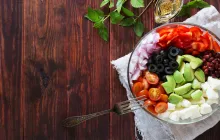
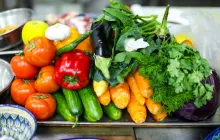
Constructing a weekly menu that feels varied yet manageable relies on a core set of pantry staples that you rotate strategically. Base grains like rice, quinoa, or whole-wheat pasta provide a flexible canvas for many flavors. Legumes such as beans or lentils introduce plant-based protein and fiber at a reasonable cost. A rainbow of vegetables, both fresh and frozen, ensures color, texture, and nutrients without excessive waste. For protein, lean chicken, turkey, fish, eggs, or tofu can be incorporated, depending on personal preference and dietary goals. The idea is to craft a menu that can be combined with sauces, herbs, and seasonings to create distinct meals throughout the week without requiring a long shopping list for each day.
Seasoning is the bridge between routine and variety. A well rounded pantry includes garlic, onions, citrus, soy sauce or tamari, olive oil, a selection of dried herbs, and a few bright condiments. By pairing a staple grain with a protein source and a colorful assortment of vegetables, you can produce meals that feel different each day simply through flavor combinations. A practical plan might map out a few key flavors—citrusy and herbaceous, smoky and savory, or warm and comforting—and then apply them to different proteins and vegetables. This approach minimizes repetitive meals while maintaining a cohesive weekly menu that supports energy, satisfaction, and budgetary restraint.
Batch cooking strategies that save time and effort
Batch cooking is less about cooking everything in a single day and more about assembling a workflow that spreads effort and preserves freshness. A core principle is to prepare components that can be mixed and matched later in the week. For many households, this means cooking a large batch of grains, a generous amount of proteins, and a handful of vegetables that can be reheated or repurposed as needed. By cooking in stages and letting flavors mingle, you can avoid the fatigue that comes from long, uninterrupted cooking sessions. The result is a library of ready-to-use ingredients that enable quick assembly with minimal decision fatigue at mealtimes.
To implement this effectively, you can designate a block of time for shopping, another for cooking, and a final segment for cooling and packaging. The sequencing matters: starting with items that require longer cooking times ensures that everything finishes in a structured order. Yet the plan should allow for interruptions, such as needing to watch a child, answer a work message, or take a break. The key is to create a reproducible rhythm where you can return to the kitchen with confidence, knowing that most of the heavy lifting has already been completed and all that remains is to combine components into satisfying meals.
Smart cooking methods for efficiency and flavor
Sheet pan meals, one-pot dishes, and stove top batches are all allies in the quest to streamline weekly cooking. Sheet pan meals minimize cleanup by roasting proteins and vegetables together on a single tray, allowing you to adjust flavors with a simple sauce or finish with a fresh squeeze of citrus. One-pot dishes, such as stews or casseroles, consolidate ingredients in a way that preserves moisture and blends flavors over time. When you choose cooking methods, aim for versatility; a technique that works for vegetables can often be extended to proteins with modest adjustments in timing and temperature. By focusing on adaptable methods, you create a flexible framework that supports a wide range of end products with minimal fuss.
Seasoning and finishing touches can transform bulk preparations into meals that feel fresh and inviting. A bright finish with herbs, a tangy drizzle, or a gentle acid such as lemon juice or balsamic glaze can elevate simple combinations into meals that feel vibrant and satisfying. While consistency is valuable, small variations in herbs, sauces, or dressings can prevent monotony and make the week feel more enjoyable. This balance between uniform components and diverse flavors is a common thread in effective meal prep and helps sustain motivation across the entire cycle of weekly cooking.
Fresh produce, frozen options, and shelf stability
Fruits and vegetables bring color, texture, and micronutrients to a weekly plan, but their shelf life varies widely. Fresh produce is ideal when you want crisp textures and immediate flavor, yet it requires careful planning to avoid waste. Mastering this aspect means purchasing quantities that align with your meals for the week and incorporating quick-use items that can be consumed early in the cycle. For longer storage, frozen vegetables and fruits are an excellent choice; they retain nutrients well and can be used directly from the freezer in many recipes. The combination of fresh and frozen elements enables you to maintain variety while keeping waste to a minimum.
When considering pantry staples and oils, remember that heat and light can degrade quality over time. Store products in a cool, dry place and use containers that protect against moisture. Labeling containers with the date of preparation helps you practice aging awareness and ensures you consume meals while flavors are at their best. A thoughtful approach to produce and shelf life reduces the likelihood of discarding edible food, supports budget discipline, and makes your weekly plan feel reliable rather than precarious in the face of busy days.
Breakfasts and snacks that travel well through the week
Breakfasts and snacks are often the most neglected elements of weekly prep, yet they set the tone for energy and mood during busy mornings. A well planned sequence includes ready-to-eat options that require minimal assembly or heating, such as overnight oats, hearty yogurt parfaits, or quick-grain bowls that can be reheated with a splash of hot water or milk. If you enjoy protein-rich choices, consider portable options like savory egg muffins or tofu scramble stored in individual portions. For snacks, keep nutrient-dense options at hand, such as cut raw vegetables, fruit portions, a handful of nuts, and small containers of hummus or yogurt for dipping. The aim is to reduce impulsive choices by making nourishing options convenient and visibly accessible.
To maintain variety, rotate flavor profiles from week to week. One week might emphasize cinnamon and apple in oatmeal, while another emphasizes vanilla and berries. A small, well chosen assortment of toppings—nuts, seeds, dried fruit, and a drizzle of honey or maple syrup—enables you to customize each morning without needing new ingredients every day. The ability to assemble a compelling breakfast and snack lineup with minimal effort is a major factor in sustaining a weekly meal prep routine over the long term.
Lunches that carry through workdays and school days
Lunches benefit from being complete, balanced, and portable. A pantry approach works best when you prepare protein sources that reheat well, grains that hold texture, and vegetables that remain vibrant after storage. Think about building bowls or bento-like combinations that can be assembled quickly. A base of grains or greens, a protein, some vegetables, and a flavorful sauce or dressing can be mixed and matched with little daily effort. By investing in several sauces or dressings that complement your core components, you can transform a single batch of ingredients into multiple distinct meals without consuming extra time or energy. This strategy supports consistent midday nourishment regardless of the day’s demands.
As you craft lunches, consider the impact of texture and moisture on enjoyment. Some ingredients maintain their appeal even after reheating, while others benefit from being kept separate until the moment of eating. You can achieve this by portioning components into containers that keep sauces on the side or by choosing dressings that travel well and don’t compromise the base ingredients. A well planned lunch routine contributes significantly to overall health goals by providing steady energy and reducing the temptation to rely on unhealthy quick fixes during busy intervals.
Dinners that feel fresh even when cooked in bulk
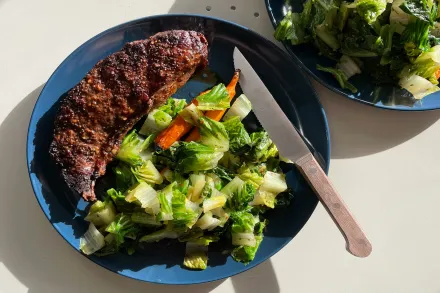
Dinner is a focal point of the weekly plan because it often determines how you end the day. A bulk approach makes it possible to offer comforting meals with a modern twist. When you design bulk-friendly dinners, aim for elements that reheat evenly and retain flavor, such as roasted vegetable trays, seasoned proteins, and two or three sauces you can mix as needed. By preparing a few robust base dishes, you create a foundation that can be upgraded with fresh herbs, citrus zest, or a quick pan sauce at the moment of serving. The result is that dinners throughout the week feel satisfying and thoughtfully prepared without demanding continuous kitchen time.
To maintain variety, you can rotate regional flavors or global influences. A week might include a fragrant herb roasted chicken with lemon and garlic, a smoky chickpea and vegetable stew, and a salmon with dill and cucumber cream sauce. Pair these with a set of adaptable sides, such as quinoa, brown rice, or roasted roots. The interplay of textures and tastes helps prevent boredom, and the ability to reheat or reassemble with small adjustments keeps weeknight meals approachable rather than daunting.
Safe storage, reheating, and food safety essentials
Safety is a central pillar of successful meal prep. Proper cooling before packing, keeping foods at safe temperatures, and labeling each container with preparation dates are practical habits that prevent spoilage and maintain quality. Refrigerators should be kept at or below four degrees Celsius (forty degrees Fahrenheit) to protect perishable items, while freezers should stay at or below minus eighteen degrees Celsius (zero degrees Fahrenheit) to preserve texture and flavor. Quick, consistent reheating ensures that meals reach an even temperature that destroys potential pathogens and preserves moisture. Using a microwave or oven with attention to heat distribution helps maintain the integrity of dishes rather than turning them into uniform mush or dry bites.
In addition to proper temperature control, you should be mindful of ingredient compatibility and sensitive foods. Some vegetables release water when reheated, which can dilute sauces or make grains soggy. Others may lose crunch or bright color after storage. By considering these tendencies in your planning, you can assign better matches of components to reheating methods. A practical rule is to package sauces separately when possible and to reheat proteins and starches gently, finishing with a brief rest period to rediscover natural tenderness and moisture. Consistent attention to food safety elevates meal prep from a convenience to a dependable lifestyle choice.
Labeling, rotation, and minimizing waste
A simple labeling system reduces guesswork and helps you rotate meals effectively. Labels can include the dish name, date prepared, and a suggested consumption window, which guides you to use items in a timely manner. Maintaining an organized rotation means you frequently consume the oldest items first, which minimizes waste and supports budget goals. When you plan ahead, you are more likely to encounter a week where nothing is wasted and almost everything is enjoyed, which reinforces the habit and makes meal prep feel rewarding rather than burdensome. Organization plus discipline creates momentum that sustains your weekly routine over time.
Waste reduction is not only economical but also environmentally responsible. You can further minimize waste by repurposing leftovers into new meals. A chunk of roasted vegetables can become a vibrant topping for a grain bowl, while extra proteins can be folded into a comforting soup or mixed into a frittata. By imagining leftovers as opportunities rather than as cleanup tasks, you extend the value of every ingredient and keep the weekly plan dynamic and interesting. This mindset shift encourages creative thinking and supports long-term adherence to a weekly meal prep habit.
Adaptability for dietary restrictions and personal goals
Personalization is essential in meal planning. Whether you are following a vegetarian, vegan, gluten-free, keto, or dairy-conscious path, the core principles of batch cooking, sensible portioning, and flavor balance remain relevant. The trick is to adapt each recipe or base configuration to your needs without complicating the system. A protein source can be swapped with plant-based equivalents, grains can be replaced with gluten-free options, and dairy elements can be adjusted with non-dairy substitutes. The aim is to preserve texture, aroma, and satisfaction while honoring individual requirements. A flexible plan can accommodate occasional indulgences as well, provided they are integrated thoughtfully rather than placed in opposition to your overall goals.
In practice, this adaptability might mean choosing chickpeas or lentils in place of meat, using quinoa in place of rice, or adding a creamy element with a plant-based yogurt rather than dairy cream. The strategy is to maintain a stable workflow and a menu that feels both nourishing and inclusive. When your framework accommodates variation, you empower yourself to stay on track even as tastes, schedules, or available ingredients shift. This resilience is a key differentiator between a good plan and a great one that lasts beyond a few weeks.
Seasonal shopping, budgeting, and reducing costs
Seasonality can guide a more economical and flavorful weekly plan. Vegetables and fruits that are in peak season often come with superior taste and lower prices, which makes batch cooking more enjoyable and sustainable. A smart approach is to build meals around a few seasonal heroes that can be paired with pantry staples for variety. When budgeting, consider the cost per portion rather than the total price of individual ingredients. This perspective helps you compare options fairly and choose protein sources, grains, and vegetables that offer the best value per meal. The goal is to deliver high nutritional value without overspending, so your weekly planning remains feasible and repeatable across many weeks.
To maximize savings, you can plan meals that leverage larger quantities of a single ingredient and then transform them through different seasonings or sauces across several days. A big batch of beans, for example, can serve as base for soups, bowls, or wraps, while a roast can reappear in a salad or a hearty grain dish later in the week. When you combine cost-aware choices with creative reuse, you create a robust system that pays dividends in time saved and money earned, making meal prep an asset rather than a chore.
Final rhythm: review, adjust, and sustain momentum
An effective weekly meal prep routine includes regular checks and small refinements. After the first run, take stock of what worked well and what was challenging. Perhaps you found certain flavors pleasing but the portions too large, or perhaps an evening schedule changed and someone needed a different postwork meal. Use these insights to adjust your plan, reconfigure batch sizes, and tweak seasoning blends. Sustaining momentum does not require drastic overhauls; it requires patient observation and thoughtful tweaks that accumulate into a smoother system over time. The aim is a sustainable cadence that fits your life and continues to deliver nourishment with ease.
As you refine your approach, you may find that certain components lend themselves to micro-adjustments that yield big benefits. A small shift in spice balance, a slightly larger batch of a versatile sauce, or the introduction of a new protein alternative can reinvigorate the weekly menu. The process becomes a collaborative conversation with your own needs, preferences, and energy levels. When you allow yourself to iterate, you create a meal prep routine that feels intuitive, reliable, and genuinely enjoyable, transforming a weekly task into a reliable foundation for health, productivity, and peace of mind throughout the week.