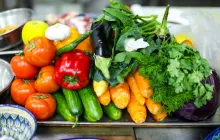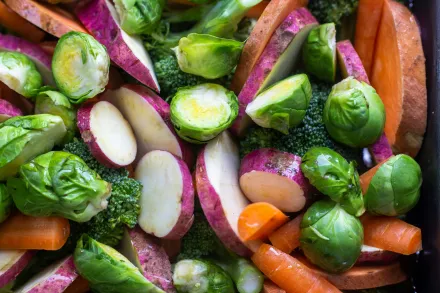
In modern kitchens, the challenge is not the desire to eat more vegetables but the practical habit of integrating them into meals that feel complete, satisfying, and comforting. The goal of this guide is to explore how to include more vegetables in every meal without sacrificing flavor, texture, or convenience. By examining both mindset and technique, you can transform everyday routines into opportunities for colorful, nutrient-dense plates. This approach respects diverse tastes, dietary needs, and busy schedules while inviting you to see vegetables not as a side dish but as an essential partner in every bite. Through deliberate planning, creative cooking, and mindful shopping, you can create meals that show vegetables in their many forms, from crisp raw slivers to deeply roasted ribbons, from silky purees to vibrant stews, making vegetables a natural and enjoyable part of your daily routine.
Understanding the benefits of vegetables in daily meals
Vegetables offer a broad spectrum of nutrients that support steady energy, immune function, and long term health. Their fiber aids digestion, helps regulate blood sugar, and contributes to feelings of fullness that can reduce overall calorie intake without hunger. The mineral content, including potassium, magnesium, and iron in certain vegetables, supports muscle function, cardiovascular health, and oxygen transport in the blood. Phytonutrients such as carotenoids, flavonoids, and sulforaphane provide antioxidant protection and may help combat inflammation. When vegetables are present in a high proportion of meals, the body experiences a steady influx of vitamins and minerals that support cellular function and resilience against daily stresses. Understanding this backdrop encourages a shift in perspective: vegetables become not a garnish but a central, sustaining element that shapes flavor, texture, and satisfaction across all meals. Embracing this mindset makes it easier to choose vegetables first, to seek variety, and to rely on vegetables as the foundation for sauces, fillings, salads, stews, and toppings that enrich every calorie with color and nutrient density.
Starting the day with vegetables: breakfast and early meals
Breakfast can be a surprisingly vegetable rich affair when approached with creativity and a light touch. A warm morning bowl can be built around a base of leafy greens folded into eggs, or a slice of whole grain toast topped with avocado, sliced tomato, and peppery greens. Even smoothies can be transformed into vegetable-forward beverages when you add spinach, kale, cucumber, or beet juice along with fruits for natural sweetness, balancing flavors rather than masking them with sugar. For savory mornings, consider options like vegetable frittatas that incorporate peppers, onions, zucchini, mushrooms, and herbs, or gratins that bake eggs with a mosaic of vegetables. The key is to design breakfast in a way that feels familiar while expanding its vegetable content, so the first meal sets a pattern for appetite and taste that carries you through the day with energy and satisfaction.
Smart shopping and storage to maximize vegetable usage
Shopping with intention means choosing vegetables that are versatile, affordable, and resilient to use across multiple meals. When you select a mix of cruciferous greens, root vegetables, and colorful squash varieties, you create a pantry of possibilities that adapt to soups, sautés, stews, and salads. It helps to buy produce that keeps well and to understand which items can be stored to prolong freshness. Planning simple pairings in advance, such as onions with peppers and carrots for a base, can speed up meal prep and prevent waste. Proper storage, including the right humidity for greens, a cool environment for root vegetables, and separation of ethylene-producing fruits from more delicate vegetables, extends the life of your purchases and preserves flavor. In addition, keeping pre-washed greens and shredded vegetables ready to go in the fridge reduces friction when you are short on time, enabling fast incorporation of extra vegetables into any dish. The result is a well stocked, efficient system where vegetables enter meals almost by habit rather than by deliberate last minute decisions.
Meal planning strategies that naturally increase vegetables
Healthy meal planning centers on rhythm and repetition rather than radical changes. A weekly rhythm that includes a couple of vegetable-forward dishes can shape daily eating patterns. Begin by choosing one familiar recipe and adapting it to include extra vegetables, then rotate the vegetables to maintain variety and interest. Planning also works through batch cooking: preparing a large pot of vegetable-rich soup, a tray of roasted vegetables, or a big salad base that can be mixed with different proteins and grains during the week. When you track meals in a simple mental map or a notebook, you begin to see how vegetables can be integrated without overhauling your routines. The creative heartbeat of planning is to imagine a single dish as a canvas that welcomes different vegetables as seasons change, a method that keeps meals interesting while ensuring you meet daily vegetable targets in a natural, sustainable way.
Cooking techniques that boost vegetable flavor and volume
Technique matters when you want vegetables to feel abundant rather than sparse. Roasting concentrates sweetness and adds a pleasing caramelization that makes vegetables more appealing to palates that expect bold flavors. Sautéing with a touch of oil, garlic, and herbs awakens aroma and depth, while steaming preserves color and texture for delicate greens, creating a crisp-tresh feel that contrasts nicely with sauces or grains. Braising vegetables in soups or stews allows them to absorb the flavors of the cooking liquid and blend into comforting textures that feel hearty and satisfying. Blending vegetables into creamy bases or sauces can increase portions without changing the perceived richness of a dish, as in a puree that cooks with onion and garlic to enrich a sauce or a velvety soup. The goal is to use temperatures, cooking times, and seasoning to highlight the natural sweetness and complexity of vegetables, which makes larger portions feel indulgent rather than excessive.
Incorporating vegetables into familiar favorites
Every familiar dish can be reimagined to include more vegetables by thinking about the core components. A pasta dish can be elevated by a generous vegetable ragù that mimics the texture of meat while adding color and fiber. A noodle bowl can be brightened with a rainbow of crisp vegetables tossed with a light sesame oil and soy glaze. A pizza can ride on a foundation of a vegetable-rich tomato sauce, with mushrooms, peppers, spinach, and onions distributed evenly across the surface. Even sandwiches can become vegetable showcases by layering slices of cucumber, tomato, avocado, spinach, and sprouts, or by turning the filling into a vegetable-centric spread such as roasted red pepper and white bean purée. The trick is to weave vegetables into the structural elements of the dish so they contribute to the bite and the overall mouthfeel rather than acting as a garnish that is easily ignored.
Creative ways to add vegetables to sauces, soups, and gravies
Sauces, soups, and gravies provide an excellent avenue to intensify vegetable content without changing the character of the dish. A tomato sauce can pair with diced carrots and celery to create a soffritto that deepens flavor and bulk. A cheese sauce can be lightened with puréed white bean or cauliflower to add creaminess without heavy dairy. Soups can begin with onions, leeks, and garlic, then blend in vegetables such as spinach, kale, or zucchini so that every spoonful includes greens. Gravy can be enriched with mushroom paste or roasted vegetable purée to bring fullness and moisture, allowing you to serve a richer plate that still feels balanced. The idea is to treat vegetables as both texture builders and flavor foundations, providing color, aroma, and fullness across sauces and broths when integrated thoughtfully.
Snacks and sides that center on vegetables
Snacks can be transformed into vegetable-forward experiences without sacrificing satisfaction. Carrot sticks with a savory dip made from yogurt and herbs, cucumber ribbons rolled with a light spread, or bell pepper slices stuffed with a quinoa and herb mix are examples of sides that feel nourishing rather than indulgent. Grain bowls with roasted vegetables provide balanced meals that function as snacks or light dinners, especially when paired with a protein, a healthy fat, and a vibrant dressing. Sides such as roasted root vegetables, steamed greens with olive oil and lemon, or a bright salad of mixed greens and shredded vegetables contribute to daily vegetable intake in approachable ways. The key is to choose textures and flavors that pair well with the main course so that the vegetables become an integral part of the eating experience rather than a separate course that must be earned.
Vegetable-centric meals for kids and adults
In households with varied tastes, presenting vegetables in a familiar, appealing format helps both children and adults adopt larger quantities. For children, textural contrast and mild flavors can be appealing; for adults, robust seasonings and creative combinations can transform vegetables into comfort food. A vegetable-laden casserole can replace a meat-centered version, a stir-fry can mix colorful vegetables with a small amount of protein, and a hearty chili can incorporate beans, corn, and zucchini to increase vegetable density while maintaining warmth and heartiness. Encouraging involvement, such as little ones choosing vegetables at the market or helping with simple washing and preparation, can create a personal connection to the produce and a willingness to try new items. The goal is to provide meals that feel satisfying for all ages while subtly increasing the vegetable load at every meal through inclusive, family-friendly recipes and presentation.
Seasonal planning to maximize variety
Seasonality shapes flavor intensity, texture, and available varieties, making it a natural ally in increasing vegetable intake. In spring and early summer, leafy greens, peas, asparagus, and fresh herbs offer bright, delicate notes that enliven sandwiches, pasta dishes, and stews. In late summer and autumn, tomatoes, peppers, squash, and cruciferous greens such as broccoli and kale become more plentiful and can anchor heartier meals or bright salads. Winter vegetables like root crops, cabbage, onions, and hardy greens provide warmth and texture through roasting and slow simmering. By aligning shopping with seasonal abundance, you gain access to vegetables at their peak, which makes cooking more pleasurable and meals more satisfying. Seasonal planning also reduces waste and supports sustainable eating patterns by leveraging what the land is producing in that moment, leading to a natural rhythm where vegetables flow into each meal with enthusiasm rather than as an afterthought.
Practical tips for busy days
On days with crowded schedules, vegetables can still take center stage by leveraging quick methods and smart prep. A few minutes of chopping and roasting a pan of mixed vegetables can yield ready-to-use components for multiple meals. One-pot meals allow vegetables to cook with grains or beans in a single pot, reducing cleanup and preserving nutrients. Pre-made sauces and pestos that incorporate vegetables can be stirred into grains, spread on bread, or used as a glaze for proteins, amplifying vegetable content with minimal effort. When time is scarce, keeping a few reliable vegetable-forward staples on hand, such as frozen greens, pre-cut vegetables, and robust aromatics, ensures you can assemble meals quickly while maintaining nutritional density. The objective is to create a lightweight system that reduces the friction of cooking and increases the likelihood that vegetables will appear in every meal, even during the busiest weeks.
Techniques for reducing waste while increasing veggie intake
Reducing waste while boosting vegetable intake involves thoughtful planning, proper storage, and creative reuse of leftovers. Plan portions that can be repurposed into new meals; for instance, roasted vegetables can become a filling for wraps, a topping for pizzas, or a base for a vegetable-rich soup. Use stems and leafy greens in stocks or smoothies to maximize every part of the plant. Freeze overripe vegetables to extend their life and save them for a future dish, then thaw and blend into sauces or soups to maintain body and flavor. Paying attention to knife skills and chopping sizes helps vegetables cook evenly, reducing failed batches that end up wasted. A mindset that treats every vegetable as a potential contributor to multiple meals can transform what might feel like a burden into a resourceful practice that stretches flavor, nutrition, and budget in a sustainable way.
Integrating vegetables into comfort meals without sacrificing indulgence
Comfort meals often rely on familiar textures and warm sensations, which can be complemented by a generous addition of vegetables without compromising satisfaction. A creamy pasta can host a vibrant vegetable ragù that coats the noodles and adds color as well as body. A hearty casserole can subsist on a layer of vegetables that contribute sweetness, contrast, and bite, balancing heavier elements like cheese or meat. A bake can include grated zucchini or carrot folded into the batter, ensuring moisture and nutrition in every slice. The secret is not to force vegetables into every bite but to weave them into the core of the dish so that they become an integral part of the comforting experience. By embracing vegetables as a main component rather than a garnish, you unlock new flavors and textures that enrich familiar meals while preserving the sense of warmth that you seek in comfort foods.
Creative hydration and beverages with vegetable influence
Even beverages can carry a vegetable-rich profile when approached with balance. Infused waters, vegetable-based smoothies, and soups served as warm beverages in cooler seasons can contribute to daily vegetable intake while offering hydration and nourishment. A glass of tomato juice or a light vegetable broth can serve as a midday pick-me-up, while cold-pressed vegetable juices, if balanced with fruit, can introduce a broader color palette and nutrient diversity. The key is to maintain moderation and avoid turning beverages into a substitute for proper meals, while appreciating the texture, flavor, and color vegetables add to the overall hydration strategy. In this way, vegetables extend beyond plates and bowls into the entire eating experience, encouraging ongoing variety and curiosity throughout the day.
Incorporating vegetables into sauces and dressings for every dining occasion
Sauces and dressings are a gateway to vegetable richness that can elevate even simple meals. A bright vinaigrette with finely minced herbs and grated vegetables like cucumber or carrot can transform a plain salad into a vibrant, crunchy treat. A pesto enriched with spinach, kale, or arugula adds a leafy intensity to pasta, grains, or roasted vegetables. A creamy alternative using blended cauliflower or white beans can replace dairy while maintaining lushness and body. These additions do not require dramatic changes in cooking routines; they instead invite a gentle expansion of technique, turning pantry staples into vehicles for more vegetables. The practice is to think of sauces as combs that weave vegetables into every course, enabling a consistent, flavorful presence of vegetables across meals without feeling like a challenge to prepare.
Mentally reframing meals as vegetable-centered experiences
Finally, the mental frame around meals matters as much as the technique. Viewing vegetables as the central energy source, a source of color, texture, and brightness, helps to shift appetite toward plants as the default choice. This mindset reduces the perception that vegetables are a side dish and instead treats them as a primary feature that supports satisfaction across the day. It invites experimentation with different combinations, colors, and textures, reinforcing that vegetables are adaptable, forgiving, and rich in potential. By approaching meals with curiosity rather than rigidity, you develop a flexible, joyful relationship with vegetables that extends beyond specific recipes to everyday dining habits. As confidence grows, the habit becomes effortless, and meals naturally reflect a commitment to more vegetables without sacrificing comfort or taste.