The holiday season often presents a delicious maze of meals, treats, and celebrations that test our intentions about healthy eating. This article offers a thoughtful, practical guide to navigate festivities without sacrificing enjoyment or well being. It recognizes that holidays carry meaning beyond food and that nourishment can be part of the celebration itself. The aim is to help you cultivate a sense of balance that protects energy, mood, and longevity while still letting you savor memories, flavors, and the company of friends and loved ones...
Nutrition & Diet

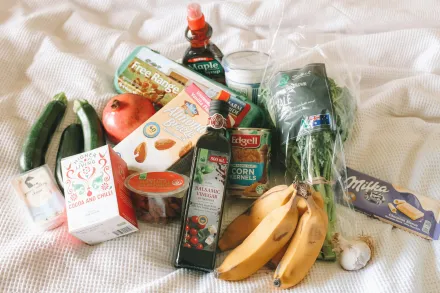
In today’s world, cultivating a diet that is both nourishing and affordable is a practical skill that can transform daily life. The pursuit of nutrition need not be a luxury reserved for those with ample means or time. Instead, it can emerge from deliberate choices, steady habits, and a mindset that values whole foods, thoughtful planning, and efficient preparation. The aim of this exploration is to illuminate strategies that help align the desire for nutritious meals with the reality of limited financial resources, while preserving flavor, var...
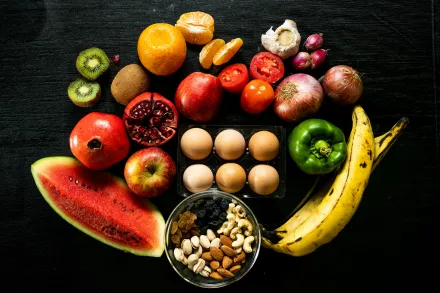
Metabolism is a complex blend of chemical reactions that keep our bodies alive, energized, and capable of performing every activity from breathing to sprinting. The term covers a range of processes, including how the body converts food into usable energy, how it manages heat production, and how efficiently it uses nutrients to build and repair tissues. While genetics play a role in determining baseline metabolic rate, lifestyle choices exert a powerful influence. Among the most impactful of these choices are the foods we choose, the amounts we ...

Functional foods are foods that carry compounds associated with health benefits beyond basic nutrition, and they can be real foods or fortified products. The idea is not that a single item will rescue health, but that a consistent intake of nutrient-rich foods with bioactive components may support digestion, immune function, energy metabolism, and overall resilience. This approach aligns with traditional eating patterns that emphasize variety, color, and freshness while recognizing that science continues to uncover how specific molecules intera...

Seasonal eating is a practice that ties food choices to the natural rhythms of the year, inviting a deeper awareness of where meals come from and how the cycles of growing, harvesting, and resting the earth influence what appears on the plate. It is not merely a matter of availability, but a philosophy that connects people with local climates, ecosystems, and communities in a way that feels both practical and meaningful. When the calendar changes from spring to summer, from summer to autumn, and into winter, the foods that thrive in each period...

Healthy hair and nails are not just about appearance; they are windows into the body's overall function and resilience. Hair follicles are dynamic structures that constantly cycle through growth and resting phases, while nails are keratin-rich plates that reveal information about nutrient status and microcirculation. When the body receives steady nourishment through a balanced diet, the rate of hair growth can improve, shedding may decrease, and nails can become less brittle and more resilient. The foods that support this harmony are not myster...
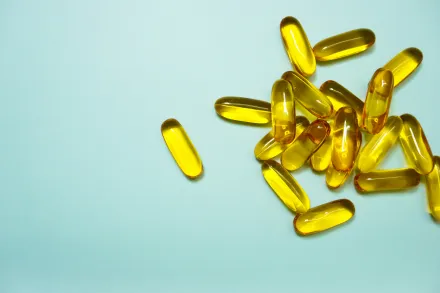
Vitamin B12, also known as cobalamin, is a complex, cobalt-containing molecule that plays a vital role in the chemistry of life. It exists in several forms, or vitamers, that differ slightly in their chemical side chains but share a central corrin ring that coordinates a cobalt atom at its core. In the human body, two forms are particularly important for metabolism: methylcobalamin, which participates in one-carbon transfer reactions, and adenosylcobalamin, which is essential for the proper functioning of certain enzymes in the mitochondria. A ...

Feeding a family with nutritious meals is more than filling bowls; it is a daily practice that shapes energy, mood, growth, and long term health. When you cook for loved ones, you have a chance to introduce a wide spectrum of flavors, textures, and nutrients that support development in children, sustain the stamina of busy adults, and provide steady nourishment for aging relatives. The goal is not perfection in every dish but consistency in habit, simplicity in execution, and a flexible approach that accommodates different tastes and schedules....
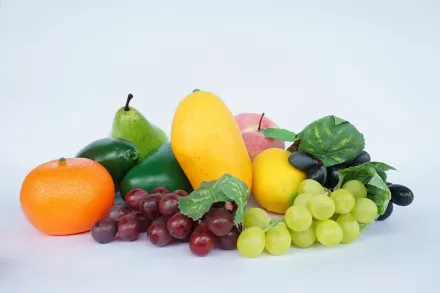
Antioxidants are molecules that have the ability to donate electrons to unstable free radicals without becoming destabilized themselves, thereby interrupting chain reactions that can damage cellular components such as DNA, proteins, and lipids. In everyday language, they help protect the body from oxidative stress that arises when the balance between oxidants and defenders shifts toward the former. This balance is continually challenged by metabolic processes, environmental exposures, and lifestyle choices. The dietary intake of antioxidants is...
In everyday life many people encounter foods that provoke reactions ranging from mild discomfort to dramatic emergencies. The landscape of how the body responds to what we eat includes two broad categories that are often discussed together but are fundamentally different in their causes and their management: food allergies and food intolerances. This distinction matters because it shapes how a person experiences symptoms, how a clinician investigates the issue, and what kinds of strategies are best suited to reduce risk while maintaining a nour...