The beauty of hair and nails begins with biology and daily choices
Healthy hair and nails are not just about appearance; they are windows into the body's overall function and resilience. Hair follicles are dynamic structures that constantly cycle through growth and resting phases, while nails are keratin-rich plates that reveal information about nutrient status and microcirculation. When the body receives steady nourishment through a balanced diet, the rate of hair growth can improve, shedding may decrease, and nails can become less brittle and more resilient. The foods that support this harmony are not mysterious; they are everyday staples that provide a blend of proteins, fats, vitamins, minerals, and phytonutrients that work together to form strong keratin, help skin support the follicles, and promote healthy cuticles and nail beds. Understanding how these nutrients interact can guide food choices in a way that naturally aligns with the body's rhythms rather than chasing quick fixes or supplements alone.
How hair and nails grow and why nutrition matters
Hair grows from follicles that draw nutrients from the bloodstream to make keratin, the tough protein that gives hair its strength. Nails form in the nail matrix, another zone that relies on a steady supply of amino acids, minerals, and vitamins to produce a hard, resilient plate. Because the growth cycles of hair and nails are long and influenced by hormones, stress, sleep, and nutrient availability, consistent nutrition matters more than any single nutrient. When the diet consistently supplies high-quality protein along with essential vitamins and minerals, the rate of growth can improve and the texture may become smoother and shinier. Conversely, chronic undernutrition or imbalances can lead to slower growth, dry hair, and nails that chip or become ridged. The aim is a comprehensive dietary pattern that supports structural proteins, antioxidant protection, and micronutrient sufficiency over time.
Protein and amino acids as building blocks for strength
Proteins supply the amino acids that build keratin, the structural protein that composes hair and the hard keratin of nails. A steady intake of high-quality protein ensures a reliable pool of amino acids like lysine, methionine, and cysteine, which play roles in disulfide bonds that add strength to keratin. Even in the absence of perfect digestion, the body can adapt when the dietary supply is ample, and hair can appear healthier as the rate of breakage decreases. Plant-based diets can provide robust protein through legumes, whole grains, soy, nuts, and seeds, but attention to variety and total intake is critical to meet all essential amino acid needs. For those who eat animal products, lean meats, fish, eggs, and dairy contribute complete protein alongside other nourishing nutrients.
Healthy fats and the shine of hair
Fats are not merely energy sources; they are carriers of fat-soluble vitamins and essential fatty acids that influence scalp health and hair texture. Omega-3 fatty acids, particularly those from fatty fish such as salmon, trout, and sardines, help maintain cell membranes and reduce inflammation, which can support a calm, well-nourished scalp environment. Plant sources like flaxseeds, chia seeds, walnuts, and hemp seeds provide alpha-linolenic acid and other bioactive compounds that contribute to a supple, resilient look. Adequate fat intake helps skin and nails stay moisturized, reducing dryness that can lead to brittleness. The goal is to include a regular, balanced fat intake that emphasizes quality sources and avoids excessive processing or trans fats.
B vitamins and biotin: real roles in growth and strength
The family of B vitamins plays diverse roles in metabolism and energy production, which can indirectly influence hair and nails. Biotin, often highlighted in popular culture, supports keratin infrastructure, but true clinical deficiency is rare in well-nourished populations. More often, the overall B vitamin status, including niacin, riboflavin, pantothenic acid, and B12, contributes to continued cellular turnover and growth. A diet rich in whole grains, legumes, leafy greens, dairy, eggs, and fortified cereals can help maintain adequate B vitamin stores. Minimal supplementation should be approached with care and ideally guided by a professional, as excessive biotin can interfere with certain lab tests and may not provide additional benefits if your intake is already sufficient.
Vitamin C, vitamin E, and antioxidants for protective health
Vitamins C and E serve as antioxidants that protect hair follicles and nail beds from oxidative stress caused by environmental exposure, pollution, and stress hormones. Vitamin C also supports collagen synthesis, a structural protein that helps anchor hair follicles to the dermis, while vitamin E helps with skin and scalp surface health. A diet rich in colorful fruits and vegetables—berries, citrus, bell peppers, leafy greens, and seeds—provides a broad spectrum of antioxidants. The synergy of these micronutrients arrives not as one miracle pill but as a broad protective network that helps maintain the integrity of keratin-containing tissues over time.
Minerals that matter: iron, zinc, copper, and selenium
Iron is essential for carrying oxygen to hair follicle centers, and iron deficiency is a well-documented cause of brittle hair and slow growth in some populations. Zinc supports DNA and protein synthesis necessary for cell replication, which is critical in the rapidly dividing cells of hair follicles and nail beds. Copper contributes to the formation of elastic fibers in connective tissue, influencing the strength and resilience of nails and the scalp’s structural matrix. Selenium acts as a cofactor for antioxidant enzymes that help protect skin and hair follicles from oxidative damage. A varied diet that includes red meat or leafy greens and legumes for iron, shellfish, meat, and dairy for zinc and copper, and nuts and seeds for selenium can help maintain steady mineral status. It is important to consider potential interactions and avoid excessive supplementation, especially with minerals that can accumulate with improper dosing.
Vitamin D and the health of hair follicles
Vitamin D has emerged as a player in hair follicle cycling, with receptors present in hair follicle cells that may influence the growth phase. While the exact mechanisms are still being explored, maintaining adequate vitamin D levels through sensible sun exposure, fortified foods, and dietary sources such as fatty fish or egg yolks can support follicle health. People who have limited sun exposure or certain medical conditions may be more prone to deficiency, and in those cases a clinician-guided assessment can determine whether supplementation is appropriate. The key is balance, because excessive vitamin D without medical supervision carries potential risks and does not guarantee improved hair outcomes for everyone.
Leafy greens, legumes, dairy, and eggs: cornerstone foods
Several everyday foods provide multiple benefits for hair and nails in a single package. Leafy greens deliver iron non-heme, folate, and a suite of antioxidants that support cellular turnover and skin health. Legumes such as lentils, chickpeas, and beans supply plant-based protein, zinc, and fiber, which help stabilize blood sugar and reduce inflammatory signals that can affect the hair growth cycle. Dairy products and eggs bring high-quality protein along with calcium, riboflavin, and choline, all of which contribute to the structural integrity of tissues. Eggs, in particular, deliver biotin and methionine in a form that is readily absorbed by the body, supporting keratin formation and nail strength. Yogurt and cheese add calcium and additional protein while offering probiotic benefits that may influence gut health, a factor increasingly linked to nutrient absorption and skin condition. Consuming a varied palette of these staples helps create dietary patterns that support hair and nail health without the need for drastic changes or supplements.
Whole grains, seeds, and nuts for resilience and energy
Whole grains provide complex carbohydrates, B vitamins, and minerals that sustain energy metabolism essential for tissue growth. They contribute to a steady supply of glucose to tissues and help maintain hormonal balance that can influence hair growth cycles. Seeds such as flax, chia, sesame, and pumpkin offer a concentrated source of essential fatty acids, minerals like zinc and magnesium, and phytochemicals that guard against oxidative stress. Nuts contribute a mix of healthy fats, protein, and micronutrients that support skin and nail integrity. The combination of these foods in meals ensures a slow, steady release of energy, stable mood, and a nutrient-rich environment for keratin production and nail matrix activity. Regular inclusion of seeds and nuts in snacks, salads, or breakfast bowls adds depth to the diet and supports long-term hair and nail health.
Fishing for good health: fish, shellfish, and seafood staples
Fish, particularly oily varieties, supplies high-quality protein along with long-chain omega-3 fatty acids that have anti-inflammatory properties and may help maintain a healthy scalp environment. Shellfish and fortified seafood contribute iron, zinc, and B vitamins in forms that are easily absorbed. For those who prefer plant-based diets, algae-derived sources and fortified foods can provide DHA and EPA, the forms of omega-3s that support membrane fluidity and cellular signaling within hair follicles. The message is to include seafood or suitable alternatives a few times a week, balancing with other protein sources to avoid excessive mercury exposure and to tailor to personal dietary preferences and sustainability considerations.
Colorful fruits and vegetables: nutrition for skin, scalp, and nails
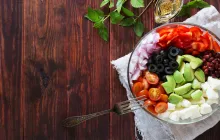
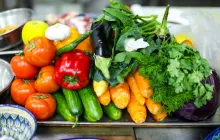
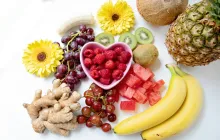
Phytochemicals, pigments, and fiber found in colorful produce offer broad protection against oxidative stress and help maintain the integrity of tissues. Vitamin C-rich fruits such as oranges, kiwis, and berries support collagen formation and act as antioxidants. Deep green vegetables supply folate, iron, and magnesium. Purple and red produce offer anthocyanins and carotenoids that may aid in reducing inflammatory signals and promoting healthy microcirculation in the scalp. Regularly consuming a rainbow of fruits and vegetables can contribute to stronger nails and shinier hair by supplying micronutrients that support tissue renewal and repair, while also benefiting overall cardiovascular and metabolic health that underpins healthy hair growth.
Hydration, fiber, and digestive health as foundations
Hydration plays a surprising role in hair and nail health because it influences the moisture content of skin and scalp, which can impact flakiness and brittleness. Water also supports nutrient transport and metabolic processes that generate energy for tissue growth. Dietary fiber from fruits, vegetables, and whole grains supports gut health, which in turn affects nutrient absorption and immune balance. A well-functioning digestive system ensures that proteins, minerals, and vitamins are efficiently utilized, reducing the risk of deficiencies that could manifest as brittle nails or dull hair. Therefore, daily water intake alongside a fiber-rich diet forms a stable foundation for nutrient availability and tissue resilience.
Practical patterns for meals that nurture hair and nails
To translate these ideas into everyday practice, focus on meals that pair protein-rich foods with colorful vegetables, healthy fats, and whole grains. For example, a plate featuring grilled salmon with a side of quinoa and a bright salad of leafy greens with citrus and olive oil delivers protein, omega-3s, minerals, and vitamin C in one meal. A vegetarian option could be a lentil stew with tomatoes, spinach, and a handful of almonds, offering protein, iron, and a spectrum of trace minerals. Breakfasts can include yogurt with berries and chopped walnuts, providing calcium, probiotics, antioxidants, and healthy fats. Snacks such as hummus with carrot sticks or a smoothie with spinach, banana, and chia seeds add protein and micronutrients without excessive processing. The overarching principle is to embrace variety, ensure regular protein intake, and include a spectrum of micronutrients across the day so that hair and nails receive a continuous supply of the building blocks they need.
Vegetarian and vegan considerations for long-term hair and nail health
Plant-based patterns require careful planning to guarantee all essential amino acids and minerals are present in sufficient amounts. Soy products, legumes, grains, and a diverse mix of nuts and seeds can build a complete protein profile when consumed together across meals. Iron from plant sources is better absorbed when paired with vitamin C-rich foods, so combining beans or lentils with citrus fruits or peppers can boost iron uptake. Zinc, calcium, iodine, and selenium are also viable with careful choices, such as fortified cereals, dairy or fortified plant milks, sea vegetables, and a variety of seeds and nuts. For those who abstain from animal products, tracking intake and occasionally consulting with a nutritionist can help tailor diets to individual needs, prevent deficiencies, and support sustained hair and nail health without compromising personal or ethical choices.
Supplements: when they may help and what to watch out for
Supplements can assist in specific deficit scenarios, but they are not a substitute for a balanced diet. Biotin supplements, while popular, are most beneficial for individuals with a documented deficiency or a clinical need, and excessive intake can interfere with certain laboratory tests or cause skin eruptions and other imbalances. Vitamin D or iron supplements are sometimes required for people with documented deficiencies, but these should be taken under medical supervision to avoid toxicity or interactions. Fatty acid supplements should be chosen with attention to quality and source. The healthiest approach remains a nutrient-dense, varied diet that meets daily requirements and supports hair and nail tissues through the nutrients they naturally receive from diverse foods over time.
Maximizing absorption and nutrient synergy
The absorption of nutrients is enhanced when foods are combined thoughtfully. For example, vitamin C enhances non-heme iron absorption, so pairing beans or spinach with citrus fruits can improve iron uptake. Healthy fats help with the absorption of fat-soluble vitamins such as A, D, E, and K, so including a little avocado, olive oil, or nuts in meals can boost the bioavailability of these micronutrients. Cooking methods also matter; steaming vegetables can preserve water-soluble vitamins like vitamin C, while gentle cooking helps maintain micronutrient integrity. Spreading protein intake across meals supports steady amino acid availability for keratin production, and you can optimize this by including a protein source in most meals rather than relying on a single daily protein punch. These patterns create a nutrient network that supports hair and nails through continuous daily intake rather than sporadic boosts.
Seasonal eating and why it matters for hair and nails
Seasonality affects the nutrient profile of foods and the likelihood of achieving dietary variety. In spring and summer, fresh fruits and vegetables supply abundant antioxidants and vitamin C, while autumn brings an emphasis on hearty legumes, whole grains, and root vegetables rich in minerals. Winter can be a time to emphasize fortified foods and fatty fish to support vitamin D and omega-3 intake when sunlight is limited. By rotating through seasonal choices, you naturally increase exposure to a broad spectrum of micronutrients and keep meals interesting, which supports long-term adherence and, by extension, sustained hair and nail health. This dynamic approach aligns nutrition with environmental patterns, reducing monotony and promoting a robust, well-rounded diet.
Putting it all together: a long-term nourishment mindset
Achieving lasting improvements in hair and nail health comes from a lifestyle approach rather than a single dietary adjustment. Consistency in protein quality and quantity, a steady supply of essential fats, a diverse intake of vitamins and minerals, and attention to hydration are all part of the same tapestry. Regular meals that combine lean protein with vegetables and whole grains, smart snacks that incorporate nuts, seeds, and fruit, and mindful choices about fortified foods when appropriate form the backbone of a nourishing pattern. Over months, this pattern can support supple hair with natural shine, reduced brittleness in nails, and a more resilient integumentary system that better withstands environmental stress. The journey is about sustainable habits, not overnight miracles, and the payoff is a body that looks and feels healthier because its nutritional foundations are solid and enduring.