Feeding a family with nutritious meals is more than filling bowls; it is a daily practice that shapes energy, mood, growth, and long term health. When you cook for loved ones, you have a chance to introduce a wide spectrum of flavors, textures, and nutrients that support development in children, sustain the stamina of busy adults, and provide steady nourishment for aging relatives. The goal is not perfection in every dish but consistency in habit, simplicity in execution, and a flexible approach that accommodates different tastes and schedules. By focusing on whole foods, balanced portions, and mindful preparation, you can turn everyday dinners into an opportunity for learning, bonding, and lasting well being.
To build meals that truly support a healthy family, it helps to understand some basic nutrition principles without turning cooking into a science lecture. A well rounded eating pattern emphasizes a variety of vegetables and fruits, adequate lean proteins, healthy fats, and whole grains as core components. It also includes sufficient fiber, vitamins, minerals, and hydration, while limiting highly processed items that tend to be high in added sugars, sodium, and empty calories. When these ideas are translated into regular menus and simple routines, they become a practical framework rather than a list of restrictions. The aim is to create meals that are enjoyable, affordable, and adaptable to changing appetites and activity levels across ages and seasons.
When you plan a plate for a family, a simple visual guide can be surprisingly effective. A balanced plate often features vegetables that fill half the plate, a portion of lean protein that occupies about a quarter, and a portion of wholesome carbohydrates or whole grains to complete the last quarter. This approach helps ensure that meals deliver fiber, micronutrients, and steady energy. It is also helpful to think about color as a signal of varied nutrients, because different pigments in produce reflect different vitamins and minerals. By prioritizing colorful vegetables, legumes, whole grains, and modest portions of protein, meals can become both nutrient dense and visually appealing to children who are learning to rely on color and texture as cues about what is good to eat. Throughout the week, rotating vegetables, grains, and protein sources keeps meals interesting and reduces the risk of monotony that can undermine healthy choices.
Smart grocery shopping lays the groundwork for nutritious family meals. A well organized trip begins with a prior plan that specifies meals for the week, a rough budget, and a quick list of ingredients that support those meals. Shopping around the perimeter of the store often yields the freshest produce, dairy, eggs, and meats, while the interior aisles can still supply pantry staples when chosen wisely. Emphasizing seasonal produce can lower costs and maximize flavor, and buying frozen vegetables without added sauces preserves nutrition and reduces waste when fresh options are scarce. It is also valuable to consider versatile ingredients that can cross into multiple meals, such as lentils, canned tomatoes with no added salt, dried beans, oats, and yogurt. These staples, used thoughtfully, empower a family to create a range of meals with minimal planning.
In the kitchen, routine matters as much as recipe choices. Setting aside a block of time for batch tasks can transform what feels like nightly chaos into predictable, calm preparation. Cooking grains in advance, soaking and cooking beans or lentils, roasting vegetables, and preparing a few go to sauces or dressings creates a base that can be recombined for different dinners. Thoughtful storage also helps; keeping properly cooled dishes in clear containers, labeling with dates, and dividing portions for different family members into the right size helps reduce waste and makes it easier to reheat meals without compromising texture. A well organized kitchen supports faster weeknight dinners and frees up time for talking, playing, and enjoying meals together.
Picky eating is a challenge many families face, and it often hinges on exposure, gradual change, and the social atmosphere of the dining table. Rather than pressuring children to finish foods they dislike, building a habit of repeated, gentle exposure to a variety of textures and flavors can broaden preferences over time. Involving children in the cooking process—from washing vegetables to measuring ingredients or tasting sauces—creates curiosity and agency, which can shift attitudes toward unfamiliar items. Presenting vegetables in different forms, such as raw sticks with dips, sautéed ribbons of greens, or roasted florets with a touch of olive oil and citrus, demonstrates that a single ingredient can be both comforting and exciting. Pairing new foods with familiar favorites and maintaining a steady rhythm of meals helps create a sense of safety that encourages discussion, rather than resistance, around what is on the table.
Batch cooking and smart meal prep are powerful allies for families juggling schedules, budgets, and energy levels. Preparing several meals in advance does not require extensive time blocks; even short sessions on a weekend can yield sauces, grain bases, and protein portions that can be mixed and matched through the week. For example, cooking a pot of whole grains, a pan of roasted vegetables, and a batch of a protein such as chicken, beans, or tofu provides a flexible core that can be reassembled into different dishes, from nourishing bowls to comforting stews. Freezing portions in small containers makes reentry into a busy week less daunting, and labeling with clear descriptions helps everyone choose what they want without a long negotiation. When planning batch work, consider simple, repeatable components that can be altered with spices, herbs, or a splash of citrus to create variety without requiring a new recipe each night.
Proteins are a cornerstone of nutritious family meals, providing building blocks for growth and satiety that helps children feel satisfied after eating. A healthy approach includes a mix of plant based and animal sources, depending on preferences, access, and values. Plant based options like beans, lentils, chickpeas, tofu, tempeh, and edamame offer fiber and micronutrients that support heart health and digestive function, while lean animal proteins such as poultry, fish, and eggs deliver essential nutrients with relatively modest saturated fat when chosen wisely. It is beneficial to rotate protein sources across meals to diversify mineral intake and keep menus interesting. Particular attention to portion sizes is wise, as the needs of growing children differ from those of adults, yet generous plant based proteins can stretch a family budget while delivering deep nutritional value.
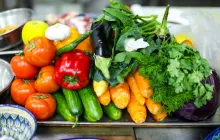
Vegetables and fruits deserve a central role in every day meals. They bring vitamins, minerals, fiber, and phytochemicals that support immune function, energy production, and digestive health. Cooking methods change how nutrients are retained or released; some vegetables lend themselves to quick heat to preserve color and crunch, while others unlock nutrients through gentle steaming or roasting. A variety of textures—crunchy, soft, creamy, and juicy—keeps meals engaging, especially for younger eaters. When possible, include raw options like crisp salads or sliced fruit alongside warm, cooked dishes to offer contrast and encourage hydrating and satisfying flavors. Prioritizing vegetables at lunch and dinner can establish a healthy rhythm that echoes into other meals and snacks, making nutrition an accessible and ongoing part of family life.
Whole grains and other complex carbohydrates contribute lasting energy and fiber, which help maintain focus and feel full between meals. Options such as oats, quinoa, brown rice, barley, farro, and whole wheat pasta provide resilience against blood sugar spikes and are versatile enough to appear in soups, salads, bowls, and casseroles. Incorporating these grains into daily routines does not require exotic ingredients; many families discover that pantry staples can be transformed into nourishing bases with simple flavor boosters like roasted spices, citrus zest, herbs, and a drizzle of olive oil. By making whole grains a regular part of meals rather than a rare treat, children learn that complex carbohydrates are part of everyday nourishment, not something reserved for special occasions.
Flavor remains central to family meals, yet it is possible to achieve rich taste without relying on excessive salt or sugar. Fresh herbs, garlic, onions, citrus, and a spectrum of spices can deliver depth and brightness that entice the palate while supporting healthier sodium levels. Umami rich ingredients such as mushrooms, tomatoes, miso, or parmesan in modest amounts can elevate dishes, making vegetables and grains feel more satisfying. Acid from lemon or vinegar can brighten flavors without adding sugar, and slow simmering softens tough vegetables and blends flavors deeply. By prioritizing natural flavor development, meals become more enjoyable while staying aligned with health goals.
Cooking is also about practice and curiosity, and there is value in trying new preparations that still align with family routines. Roasting vegetables at a moderate temperature brings out sweetness and a satisfying texture, while steaming or sautéing preserves crispness and nutrients. A gentle approach to sauces and dressings, using olive oil as a base and balancing with acids or dairy, can create creamy textures and high palatability without heaviness. When families experiment with different textures, colors, and aromas, mealtime becomes an invitation for exploration rather than a source of tension, and curiosity replaces hesitation with a sense of play.
Involving children in meal planning can transform kitchens into collaborative spaces where everyone contributes to healthier choices. A family conversation about what is available, what is desired, and what new foods might be tried can be framed as discovery rather than obligation. Allowing children to select a vegetable or fruit from the market, or to suggest a twist on a familiar dish, fosters responsibility and pride. It is helpful to set realistic expectations and to celebrate small wins, such as finishing a serving of a new vegetable or finishing a full portion of a balanced plate. In this way, meals become a shared project rather than a unilateral task, strengthening family bonds while reinforcing healthy habits.
Storage, safety, and reheating are practical aspects that support nutritious family meals rather than hindrances. After cooking, let hot dishes cool safely before refrigerating, and keep the refrigerator at the correct temperature to slow bacterial growth. When reheating, aim to bring foods to a safe temperature and avoid multiple reheats that degrade texture and flavor. Properly portioning meals for freezing, labeling with dates, and using transparent containers helps keep track of what is available and reduces waste. These habits not only preserve nutritional quality but also empower families to respond quickly to rushed evenings or unexpected schedule changes.
Cooking for diverse families often means honoring cultural and dietary considerations. Some households may follow specific traditions, religious restrictions, or ethical choices, while others may manage allergies or intolerances. The beauty of nutritious family cooking lies in adaptability: ingredients can be substituted without losing the integrity of meals, cooking methods can be adjusted to meet safety requirements, and flavors can be tuned to reflect heritage and personal preferences. By approaching a meal plan with openness and respect for differences, families can enjoy a broad array of dishes that satisfy both appetite and values, while maintaining a high standard of nutrition and taste.
Finally, sustaining long term healthy eating habits is about continuity, support, and joy. Small, repeatable changes accumulate into a robust pattern over weeks and months, and the family that feeds together often stays connected in the process. Consistency comes from establishing predictable routines, preparing a few go to meals that the whole family likes, and gradually expanding the repertoire with gradual introductions to new ingredients. When meals are designed to be flexible, affordable, and enjoyable, nutrition becomes a natural part of daily life rather than a stranded goal. A calm, patient, and collaborative approach can help families maintain nourishing habits through seasons of change, keeping meals a source of energy, comfort, and connection for everyone at the table.