Overview
Antioxidants are molecules that have the ability to donate electrons to unstable free radicals without becoming destabilized themselves, thereby interrupting chain reactions that can damage cellular components such as DNA, proteins, and lipids. In everyday language, they help protect the body from oxidative stress that arises when the balance between oxidants and defenders shifts toward the former. This balance is continually challenged by metabolic processes, environmental exposures, and lifestyle choices. The dietary intake of antioxidants is widely discussed as a practical strategy to support health, and it is increasingly understood as part of a holistic pattern of eating rather than a quest for a single magic nutrient. The central idea is that a diverse, colorful array of plant-based foods introduces a spectrum of compounds that can interact with one another and with endogenous defense systems, contributing to resilience in cells and tissues. Occasionally, the discussion expands to include minerals and trace elements that serve as cofactors for antioxidant enzymes, creating a broader network of protection that works in tandem with the body’s innate systems. In any conversation about antioxidants, it is important to distinguish between whole foods, which deliver a complex matrix of bioactive compounds, and high-dose supplements, which can sometimes yield different effects and do not always replicate the benefits observed with foods. When approached as part of a balanced diet, antioxidants are a meaningful piece of the puzzle of chronic disease prevention and healthy aging, rather than a universal remedy or a substitute for other healthy habits such as physical activity, sleep, and stress management.
Understanding antioxidants
At their core, antioxidants function by neutralizing reactive species that can form during normal metabolism or in response to external stressors. Reactive oxygen species and reactive nitrogen species are produced in cells as byproducts of mitochondrial respiration, immune responses, and enzyme-mediated processes. While these reactive molecules can play signaling roles and contribute to defense against pathogens in some contexts, excessive or prolonged production can lead to damage through lipid peroxidation, protein modification, and DNA strand breaks. Antioxidants can act through several mechanisms, including directly scavenging free radicals, chelating metal ions that catalyze radical formation, and serving as cofactors for enzymatic systems that detoxify reactive species. In humans, the antioxidant defense network comprises both non-enzymatic compounds found in the diet and endogenous enzymes such as superoxide dismutase, catalase, and glutathione peroxidase. The interplay between dietary antioxidants and these bodywide systems reflects a dynamic equilibrium in which intake quality, timing, and synergistic effects matter as much as the absolute quantity consumed. It is also important to recognize that not every antioxidant is equal in bioavailability or activity, and individual genetic and gut microbial factors can influence how antioxidants are absorbed, distributed, metabolized, and excreted. This complexity invites a perspective that emphasizes dietary patterns and food variety rather than a fixation on any single nutrient.
Major classes of antioxidants
Few topics in nutrition are as broad as the range of antioxidant compounds encountered in foods. Vitamins such as vitamin C and vitamin E are well known examples, with vitamin C providing water-soluble protection and vitamin E offering lipid-soluble defense in cellular membranes. Carotenoids, including beta-carotene and lycopene, contribute vibrant colors to fruits and vegetables and can be converted to retinol in the body to support vision and other physiological functions; their bioavailability often improves when consumed with healthy fats that aid absorption. Polyphenols represent a vast and diverse family, including flavonoids, lignans, and phenolic acids, characterized by multiple rings and hydroxyl groups that lend both antioxidant and anti-inflammatory properties. These compounds are plentiful in tea, coffee, cocoa, berries, apples, and a wide array of plant-based foods. Minerals such as selenium and zinc act as essential cofactors for antioxidant enzymes, enabling the cellular machinery that neutralizes reactive species to operate effectively. The overall antioxidant portfolio found in a typical diet arises from a combination of these classes, each contributing unique structural features, absorption profiles, and physiological effects. The synergy among these compounds can enhance activity beyond what any single nutrient could achieve alone, particularly when consumed as part of a varied dietary pattern that includes whole fruits, vegetables, whole grains, nuts, seeds, and legumes.
Food sources and dietary patterns
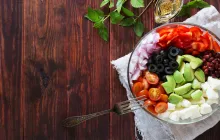
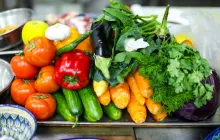
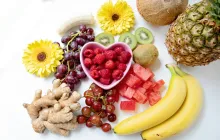
The most robust way to obtain a wide spectrum of antioxidants is through a diverse, plant-forward dietary pattern that emphasizes color, variety, and freshness. Fruits and vegetables provide an abundant supply of water-soluble and fat-soluble antioxidants, with darker hues often signaling higher concentrations of particular compounds such as anthocyanins in blueberries and anthocyanin-rich berries, or beta-carotene in orange vegetables like carrots and sweet potatoes. Leafy greens contribute vitamin C and various carotenoids, while cruciferous vegetables bring compounds such as sulforaphane that may influence antioxidant defenses and detoxification pathways. Whole grains and legumes add durable, fiber-rich matrices that modulate digestion and slow the release of nutrients, aiding the sustained availability of bioactive compounds. Nuts and seeds deliver vitamin E and a spectrum of polyphenols along with healthy fats that support the solubility and transport of fat-soluble antioxidants. Beverages such as tea and coffee provide an abundant set of polyphenols, while olive oil offers monounsaturated fats and additional antioxidant constituents that enhance the nutrition profile of meals. It is not merely the presence of individual compounds that matters, but the combination and timing of intake across meals, which can facilitate absorption and utilization. Cultural dietary patterns that emphasize vegetables, fruits, legumes, whole grains, nuts, and healthy fats, while limiting highly processed foods rich in refined carbohydrates and added sugars, often yield a robust antioxidant intake that supports general health and metabolic balance. In practice, achieving this pattern means prioritizing colorful plates, incorporating a wide range of plant-based foods, and choosing minimally processed options whenever possible.
Antioxidants and health outcomes
Observational studies have long suggested that higher consumption of antioxidant-rich foods correlates with lower risks of certain chronic diseases, including cardiovascular disease and several forms of cancer, as well as slower progression of neurodegenerative conditions in some populations. Randomized trials of isolated antioxidant supplements, however, have frequently produced mixed or neutral results, and in some cases have raised concerns about potential adverse effects at high doses. This discrepancy highlights an important nuance: whole foods deliver a matrix of nutrients and bioactive compounds that interact within the digestive system and the body in ways that isolated supplements may not replicate. The benefits observed in dietary patterns likely reflect the cumulative effects of multiple components acting on inflammation, endothelial function, lipid metabolism, and insulin sensitivity, coupled with lifestyle factors such as physical activity and sleep quality. Consequently, dietary guidance tends to emphasize patterns rather than pills: prioritize a variety of plant-based foods, choose color-rich produce, and view antioxidants as a supportive feature of a broader healthy lifestyle rather than a sole solution to disease risk. In clinical practice, attention to antioxidant-rich foods is often integrated with other dietary recommendations, physical activity, weight management, and risk factor control to create a holistic approach to health that respects individual preferences and cultural contexts.
Bioavailability and metabolism
The journey of antioxidants from the plate to the tissues where they exert effects is shaped by bioavailability, metabolism, and the body’s redox state. Some compounds are readily absorbed in the small intestine, while others undergo extensive modification by gut microbes and liver enzymes before reaching systemic circulation. The matrix in which antioxidants reside—the presence of fiber, fats, and other nutrients—can influence their absorption. For example, fats in a meal can enhance the absorption of fat-soluble antioxidants, while certain polyphenols may require microbial transformation to form metabolites with distinct activity. The intestinal microbiota plays a central role in metabolizing polyphenols into smaller, sometimes more bioactive, metabolites that can circulate and reach various tissues. Interindividual differences in gut microbial composition mean that identical foods can yield different antioxidant bioavailability across people. This variability reinforces the idea that dietary guidance should emphasize long-term eating patterns rather than precise nutrient counts for individuals. It also suggests potential for personalized nutrition strategies that consider genetics, microbiome profiles, and lifestyle factors to optimize antioxidant status within safe and practical limits.
Handling and cooking to preserve antioxidants
Antioxidant content in foods is sensitive to storage, processing, and cooking methods. Light, heat, and prolonged storage can degrade some vitamins, particularly vitamin C, while others such as carotenoids can become more available after light cooking or processing that breaks down cell walls. Gentle cooking methods like steaming, microwaving, or sautéing with a small amount of healthy fat can help preserve or enhance antioxidant intake, whereas excessive boiling may leach water-soluble antioxidants into cooking liquids. Freshness matters: purchases that prioritize ripe, firm produce and practices that minimize time between harvest and consumption can help maximize antioxidant content. Proper storage is also important; keeping fruits and vegetables in appropriate temperatures and protected from light helps maintain their bioactive potential. When possible, consuming produce soon after purchase and using a mix of raw and lightly cooked preparations can offer a broader array of antioxidants in the diet. In addition to cooking, preparation practices such as slicing and chopping can temporarily expose antioxidants to oxygen, so minimizing oxidation through prompt consumption after preparation is a practical consideration for maintaining quality.
Practical dietary guidance
To cultivate a diet rich in antioxidants, aim for everyday meals that emphasize color, variety, and balance. Build meals around vegetables and fruits that span a spectrum of hues, ensuring that no single color dominates every day. Incorporate legumes and whole grains to provide fiber and polyphenols that contribute to a sense of fullness and steady energy. Include nuts or seeds as convenient snacks or toppings to add vitamin E and other protective compounds, and choose healthy fats such as olive oil or avocado to support the absorption of fat-soluble antioxidants. Be mindful of processing: choose minimally processed foods and prefer whole fruit over juice to retain fiber and a broader antioxidant profile. Hydration and sleep, along with regular physical activity, support metabolic processes that enable antioxidants to function effectively. In daily menus, consider flavor variety, seasonal produce, and cultural food traditions to maintain long-term adherence without sacrificing nutritional quality. Rather than chasing a single target, view meals as opportunities to assemble a diverse set of bioactive compounds that work together across meals and days. Over time, this approach can lead to a durable, enjoyable pattern that aligns with personal tastes and health goals.
Common myths and misconceptions
One common misconception is that megadoses of antioxidants from pills are equivalent to eating a diet rich in fruits and vegetables. In truth, high-dose supplement use has not consistently delivered the same benefits as whole foods, and some trials have suggested potential harms at very high intakes. Another myth is that all antioxidants act the same way in every person; in reality, absorption, metabolism, and responsiveness vary among individuals due to genetic factors, gut microbiota composition, and overall health status. Some people believe that cooking destroys all antioxidant value, but depending on the compound, heat can either degrade or liberate bioavailable forms, so a combination of raw and gently cooked options often yields the best overall profile. Others may assume that antioxidants are a cure-all for aging or disease, whereas the more accurate view emphasizes that they are supportive elements within a comprehensive lifestyle strategy. Debunking these myths involves recognizing the nuance of nutrient interactions, appreciating the role of foods as complex systems, and maintaining realistic expectations about what dietary antioxidants can achieve without overreliance on supplementation.
Future directions in antioxidant research
Emerging areas of study are increasingly focused on how antioxidant intake interacts with the gut microbiome, genetics, and biomarkers of oxidative stress and inflammation. Researchers are exploring how individual differences in metabolism influence the efficacy of dietary antioxidants and whether certain populations may benefit from tailored dietary patterns. The concept of redox biology, which examines how cells balance oxidation and reduction processes in real time, is guiding investigations into how antioxidants influence signaling pathways that regulate immune responses, metabolic health, and tissue repair. Climate, food systems, and agricultural practices also shape the antioxidant content of foods, prompting efforts to preserve nutrient density through harvest timing, storage conditions, and processing methods. Additionally, scientists are examining not only which antioxidants are present in foods but how they interact within meals to produce synergistic effects that enhance overall health outcomes. This line of inquiry supports a broader nutrition paradigm that prioritizes real-world eating habits, culture, and accessibility, recognizing that antioxidant benefits emerge from sustained dietary patterns rather than isolated dietary tinkering.