Foundations of antioxidants in daily meals
Antioxidants are a broad family of naturally occurring compounds that help shield cells from damage caused by free radicals, unstable molecules produced during normal metabolism and exposure to environmental stressors. In everyday meals these compounds appear in a spectrum of forms, from the deep orange glow of beta-carotene to the rich violet hues of anthocyanins and the bright greens that accompany chlorophyll, as well as essential vitamins and minerals that support the body’s own antioxidant defenses. When we focus on including antioxidants in each meal we are embracing a strategy that blends color, taste, and nutrient variety so the body receives a diverse set of bioactive substances that can act in concert to curb oxidative stress, support resilience, and nourish long-term health. The goal is not to chase a single superstar ingredient but to cultivate a pattern in which every bite contributes to a broader protective network, recognizing that whole foods provide a harmony of compounds that interact in meaningful ways. This perspective offers a practical footing for planning daily meals that feel satisfying while delivering steady antioxidant support, creating a routine rather than a diet temporary fix. The journey begins with curiosity about what plants and seasonings can bring to the plate, and grows through mindful choices that honor freshness, balance, and simplicity.
Breakfast with color and zest
Starting the day with antioxidant richness sets a tone that carries into later meals, and breakfast can be both vibrant and practical when it centers on colorful produce, whole grains, and a gentle infusion of spices. A smoothie layered with berries, spinach, and a splash of citrus not only tastes refreshing but also delivers polyphenols alongside vitamin C, which helps protect fats in the mix from oxidation. Oats or barley warmed with cinnamon and a handful of chopped fruit create a comforting base that carries phytonutrients through the morning. Even savory options can shine, such as a vegetable omelet studded with peppers and herbs, or whole-grain toast topped with mashed avocado and sliced tomatoes, where the greens and reds forge a lively antioxidant profile. The key is to pair plant-rich components with a source of protein or dairy to slow digestion slightly so antioxidant compounds remain available during the morning hours, supporting steady energy and mood without a crash.
Lunches that color the plate and support resilience
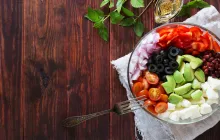
At midday the goal is to assemble a meal that is satisfying, easy to prepare, and packed with antioxidant partners that function well together. A bed of greens such as kale or arugula can serve as a canvas for beans or lentils, a slice of grilled vegetables, and a citrusy dressing made with extra virgin olive oil and fresh herbs. The vibrant colors of peppers, red onions, tomatoes, and cruciferous vegetables signal a spectrum of phytochemicals that work in synergy to nourish tissues and protect cells from oxidative stress. A thoughtful habit is to add a handful of nuts or seeds for texture and a source of selenium and vitamin E, which complement the polyphenols in vegetables and fruit. When possible, include a spoonful of quinoa or another whole grain to provide a steady release of energy, while the herbs—think parsley, cilantro, dill, or mint—bring both flavor and additional protective compounds to the mix. Such a lunch not only fulfills hunger but reinforces daily antioxidant intake through repeated, balanced exposure to diverse plant compounds.
Dinners that preserve and illuminate antioxidant power
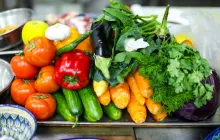
Evening meals offer a prime opportunity to preserve delicate antioxidant compounds through mindful cooking and thoughtful ingredient choices. Roasting vegetables like carrots, sweet potatoes, peppers, and zucchini concentrates their flavors and may even unlock certain polyphenols, while gentle steaming preserves heat-sensitive nutrients such as vitamin C and certain B vitamins. A protein source such as salmon or plant-based alternatives can be paired with a colorful array of vegetables, and a drizzle of olive oil or a squeeze of lemon can boost the bioavailability of carotenoids and other phytochemicals. Spices play an essential role here as well; turmeric with black pepper enhances curcumin absorption, garlic adds sulfur compounds with potential antioxidant benefits, and a light sprinkle of cinnamon or paprika can elevate both taste and nutritional value. The trick is to avoid heavy, prolonged cooking that can deplete these benefits, opting instead for quick methods that preserve vibrant pigments and potent bioactives while delivering a satisfying plate that supports restful evenings.
Snacks that bridge hunger and nourishment
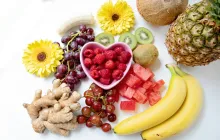
Smart snacking can maintain antioxidant intake without derailing appetite or energy. A small bowl of mixed berries with a handful of almonds provides a combination of polyphenols and healthy fats that support cellular protection and steady glucose levels. Yogurt or a plant-based alternative swirled with cacao nibs and a scatter of chia seeds can deliver flavonoids, minerals, and omega-rich fats that contribute to satiety and nutrient variety. Fresh fruit slices wrapped in a few leaves of dark leafy greens or a slice of whole grain toast with a thin layer of nut butter can transform a simple break into a nourishing moment that sustains mood and focus. Rather than relying on highly processed snacks, aim for options that bring color, fiber, and protective compounds, so each small bite contributes to an ongoing antioxidant dialogue throughout the day.
Herbs and spices that unlock antioxidant potential
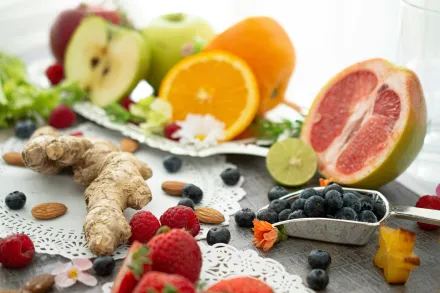
Herbs and spices do more than flavor a dish; they introduce concentrated bioactive compounds that can intensify the antioxidant capacity of meals. A pinch of turmeric in a warm curry or a simmered sauce, layered garlic to activate sulfur-containing compounds, and the bright zing of ginger that accompanies many simmered dishes all contribute to a robust nutrient story. Fresh herbs such as parsley, basil, cilantro, and dill not only lift aroma and brightness but also introduce a spectrum of polyphenols and volatile compounds with potential protective effects. Even a simple vinaigrette can become a vessel for extra protection when infused with lemon zest, cracked pepper, and a handful of chopped herbs. By embracing these flavor boosters, meals become more interesting while naturally expanding the range of antioxidant compounds delivered with each bite.
Smart cooking techniques to preserve antioxidant power
Preservation of antioxidants begins in the kitchen with how foods are prepared and cooked. Choosing shorter cooking times and gentler heat helps maintain vitamin C and other heat-sensitive phytochemicals, while methods such as steaming, light sautéing, or roasting at moderate temperatures can concentrate flavors without sacrificing too many beneficial compounds. Minimizing exposure to air and light during storage slows the degradation of delicate pigments in berries and leafy greens, so preparing a few components ahead of time can be practical. Chopping vegetables just before cooking may preserve certain nutrients, and adding vitamin C-rich ingredients like citrus juice toward the end of preparation can help stabilize pigments in sauces and salads. The overall aim is to respect the integrity of plant foods while delivering a satisfying texture and depth of flavor that invites repeated, antioxidant-rich meals.
Seasonal strategies for year-round antioxidant intake
Seasonality matters because a diet built around fresh, local produce naturally provides a broad spectrum of protective compounds as different fruits and vegetables peak at various times of the year. In the spring, leafy greens, strawberries, and peas bring bright colors and high levels of micronutrients. Summer offers a bounty of tomatoes, peppers, and stone fruits that deliver vivid carotenoids and polyphenols, while autumn brings cruciferous vegetables, apples, and squash with robust antioxidant profiles. Winter often features citrus fruits, root vegetables, and hardy greens that remain potent when properly stored. Embracing this rhythm helps maintain variety and makes it easier to assemble meals that consistently deliver antioxidant support, all while aligning with local growing cycles and seasonal flavor shifts that elevate the dining experience.
For vegetarian and vegan plans
Plant-forward eating naturally lends itself to richer antioxidant exposure because vegetables, fruits, whole grains, legumes, nuts, and seeds provide a complex array of protective compounds. In vegetarian and vegan meals it is important to combine iron-rich plant sources with vitamin C-rich foods to optimize iron absorption, and to emphasize colorful vegetables that deliver a spectrum of carotenoids and polyphenols. A hearty bowl of lentils or chickpeas paired with roasted vegetables and a bright citrus dressing can feel substantial while carrying a robust antioxidant payload. Tofu or tempeh can absorb flavors from herbs and spices that themselves contribute protective compounds, turning every bite into a step toward a more resilient energy reserve. The emphasis remains on whole foods, variety, and mindful preparation that keeps flavor intact and nutrients accessible.
For meat lovers and flexible diets
Even when meat is part of the plate, antioxidants can be woven into the meal through abundant vegetables, legumes, and whole grains that accompany the protein. Grilled fish or lean poultry joined with a colorful mix of peppers, spinach, tomatoes, and onions creates a nutrient-dense combination where the presence of fats aids the absorption of fat-soluble antioxidants found in vegetables. Using herbs and spices liberally enhances both taste and nutritional value, while choosing cooking methods that preserve color and texture helps retain protective compounds. A flexible approach that respects taste preferences while prioritizing plant-based components allows antioxidant-rich meals to fit into real-life routines without feeling restrictive or bland.
Beverages and desserts that offer antioxidant benefits
Drinks and desserts can contribute meaningfully to daily antioxidant intake when chosen with intention. Green tea and other unsweetened teas provide polyphenols that complement the pigments in fruit and vegetables, while water-based beverages infused with slices of citrus or berries introduce fresh flavors and additional phytochemicals without added sugars. Desserts built around fruit rather than processed sweets can satisfy cravings while delivering antioxidants, as can a small piece of dark chocolate paired with almonds or berries. The aim is to appreciate the natural sweetness and flavor of whole foods, recognizing that a mindful choice now can support well-being later through a steady stream of protective compounds and a balanced energy profile.
Shopping smarter: building an antioxidant friendly kitchen
A well stocked kitchen becomes a personal ally in maintaining daily antioxidant intake. Stocking frozen berries or mango chunks can extend the availability of colorful produce through off-peak periods while preserving much of their nutritional value. Having a pantry of beans, lentils, whole grains, nuts, and seeds offers versatility for composing meals that feature plant-derived antioxidants alongside protein. Keeping fresh greens and herbs in the crisper, selecting bright peppers, tomatoes, and citrus, and rotating spices to keep flavors dynamic makes it easier to assemble meals with consistent protective compounds. By planning ahead and embracing a pantry that emphasizes variety, meals can become a dependable source of antioxidant exposure without demanding excessive time or effort every day.
Myths and truths about antioxidants in the real world
Common myths about antioxidants can cloud practical choices, so it helps to separate hype from evidence. Supplements, for example, do not replicate the benefits of a diverse, plant-based diet and may even be counterproductive in some contexts, because they cannot capture the synergistic effects of whole foods. More is not always better; extremely high doses of isolated antioxidants can disrupt natural signaling processes in the body. Cooking processes can alter the antioxidant content of foods in both directions, sometimes reducing certain compounds while concentrating others, so a balanced approach that emphasizes whole foods prepared with care tends to yield reliable, sustainable benefits. The overarching truth is that adaptable, colorful meals crafted from real ingredients are the most dependable route to robust antioxidant intake that supports overall health.
Putting it into practice: a sample day of antioxidant rich meals
The day begins with a breakfast built around berries and greens stirred into oats with a touch of cinnamon and a squeeze of citrus, complemented by a dollop of yogurt to provide both texture and protein. Midday offers a lunch of mixed greens, grilled peppers, tomatoes, and legumes dressed with olive oil, lemon, and fresh herbs, all joined by a slice of whole grain bread to finish the plate. A late afternoon snack features a small bowl of fruit, a handful of nuts, and a few dark chocolate shavings to deliver polyphenols and healthy fats in a satisfying bite. Dinner centers on roasted vegetables coated in olive oil, a crisp piece of fish or a plant-based protein, and a bright sauce or salsa that heightens both flavor and the antioxidant profile. Throughout the day, herbs, spices, and citrus are layered into meals to maximize absorption and keep the palate engaged, while cooking methods favor short, gentle heat and crisp textures that preserve pigments and phytochemicals. This approach ensures that color, aroma, and nutrition align in every meal, turning antioxidant richness into a natural habit rather than a selective choice.