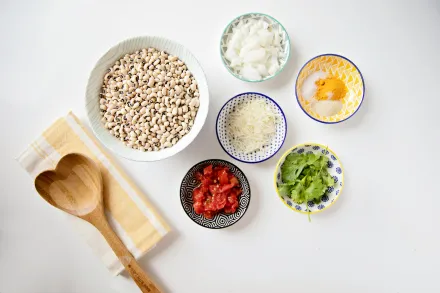
Whole grains are a cornerstone of a balanced and nourishing diet, offering a steady supply of fiber, vitamins, minerals, and plant compounds that support digestion, energy levels, and long term health. Embracing whole grains in every meal does not require a drastic overhaul of your pantry or your cooking routine; it invites a gentle shift toward using more nutrient dense ingredients that can enhance flavor, texture, and satisfaction. The goal is to create meals that feel natural and comforting while delivering sustained energy, rather than relying on refined grains alone. When we speak of including whole grains in every meal, we are embracing a simple philosophy: choose ingredients that are minimally processed, retain their bran and germ, and pair them with a wide variety of vegetables, legumes, and proteins to build meals that are both delicious and nourishing across the day. This approach supports steady blood sugar, promotes fullness, and offers a broader spectrum of micronutrients than diets that rely heavily on refined starches. By integrating whole grains into breakfast, lunch, and dinner, you create a culinary rhythm that makes healthy choices feel natural and enjoyable rather than forced or tedious. The practice can begin with small substitutions and progressively expand into more creative combinations, enabling you to discover textures, flavors, and cultural inspirations that you may not have anticipated when you first started to explore grains beyond white rice or refined flour. The journey toward a grain inclusive meal plan can be both practical and deeply satisfying, touching on kitchen strategy, shopping choices, and the everyday rituals of cooking that transform food into nourishment that supports vitality and well being. In the following sections, you will find a guided exploration of strategies, ideas, and techniques to weave whole grains into all meals, from the gentle morning ritual to the comforting evening plate, with attention paid to flavor balance, cooking times, and storage considerations that help preserve texture and nutrition over the course of a busy week. The aim is not to prescribe a rigid regimen but to invite experimentation and gradual habit formation that honors personal preferences, budget constraints, and seasonal availability, all while keeping the focus on whole grains as the base for diverse, satisfying meals.
Understanding Whole Grains and Their Benefits
Whole grains are cereals in which all parts of the grain kernel are preserved, including the backbone and the nutrient rich bran and the germ, which collectively contribute fiber, phytonutrients, and minerals in greater amounts than their refined counterparts. While refined grains have the bran and germ removed to create a finer texture and longer shelf life, this process also diminishes the nutritional content, particularly fiber and certain B vitamins. When we choose whole grains, we benefit from the slower digestion that fiber provides, which helps maintain steady energy levels and supports digestive health. Beyond fiber, whole grains offer minerals such as iron, magnesium, zinc, and selenium in forms that the body can utilize more effectively. They also supply essential B vitamins, including thiamin, riboflavin, niacin, and folate, which play critical roles in energy metabolism and cellular function. Dietary fiber from whole grains contributes to fullness, which can assist in appetite regulation and weight management by reducing the likelihood of overeating later in the day. In addition to the macronutrient profile, whole grains bring aromatic compounds and texture that enhance the sensory experience of meals, encouraging a sense of satisfaction that supports mindful eating. Intrinsic to choosing whole grains is awareness of cooking times and textures; some grains offer a fluffy and light outcome when cooked properly, while others develop a chewy, toothsome bite that stands up to hearty vegetables and proteins. By recognizing the distinct personalities of grains such as oats, barley, quinoa, bulgur, farro, brown rice, millet, and buckwheat, you can build meals that balance softness, chew, and crunch in pleasing ways, creating a meal experience that is varied and engaging. The nutritional benefits extend beyond digestion and energy; many whole grains contain plant compounds with antioxidant properties that contribute to a robust and resilient body over time. As you become familiar with different grains, you may also discover how their flavors pair with herbs, spices, and seasonings to reveal new culinary avenues in familiar dishes, converting everyday meals into opportunities for culinary exploration while maintaining a strong nutritional foundation.
Strategic Planning for Morning Meals
The morning meal sets the tone for the day, and incorporating whole grains early can create a sustained sense of fullness and steady energy. Start with oatmeal or steel cut oats simmered in water, milk, or a plant based milk, and finish with wholesome additions such as sliced fruit, nuts, seeds, and a touch of cinnamon or vanilla for warmth. Oats bring a creamy texture when gentle cooked and can handle a wide range of flavor pairings without becoming heavy, making them a versatile base for a morning bowl that evolves with the seasons. For those mornings when time is tight, quick cooking options like rolled oats or quinoa prepared the previous day can be reheated with a splash of milk and a pat of nut butter to revive texture and taste while preserving nutrition. Quinoa porridge is another convenient alternative that offers a distinct nutty aroma and a protein boost that helps with fullness and appetite regulation throughout the morning. Breakfast can also include savory grains such as barley or bulgur cooked in a savory broth with vegetables and a fried egg or a dollop of yogurt, turning the first meal into a balanced combination of carbohydrates, protein, and healthy fats. The key is to think of whole grains as a canvas that accepts a wide range of toppings and seasonings, enabling a daily variation in taste without straying from a core idea of grain based nourishment. If you enjoy smoothies, you can blend a portion of cooked farro or freekeh into a thick smoothie to modify texture and fiber content, thereby enriching the nutrition profile of a fast morning beverage. The aim is to create a routine that respects time constraints while ensuring that the grain component remains central, which helps sustain cognitive performance, mood, and physical energy as the day unfolds. In practice, this approach translates into planning sleep hours that leave room for a wholesome breakfast and keeping a small supply of prepared grains that can be quickly warmed or repurposed for the first meal. The result is a morning ritual that feels both comforting and energizing, with whole grains acting as a dependable anchor for the day ahead.
Incorporating Whole Grains into Lunches
Lunch offers an excellent opportunity to extend the discipline of grain centric meals, providing a functional bridge between breakfast energy and dinner nourishment. A bowl built around brown rice, quinoa, or bulgur can serve as a robust foundation for a diverse set of fillings and toppings, including vegetables, beans, lean proteins, seeds, and herbs. The texture of cooked grains can harmonize with crisp vegetables, creamy dressings, and zesty sauces, lending both body and balance to a midday meal. A grain based salad that brings in a rainbow of vegetables can stand alone as a complete lunch when you add protein such as chickpeas, lentils, or grilled tofu, and a bright vinaigrette that lifts flavors without overpowering the natural earthiness of the grains. A grain centered wrap or pita sandwich can be built by layering grilled vegetables, a layer of hummus or yogurt sauce, and a bed of warm barley or farro, creating a satisfying combination that travels well and holds up through a commute. Soups and stews can also benefit from a substantial grain addition; stirring in barley, buckwheat, or millet to a vegetable or legume based soup adds heartiness and texture, extending the meal while enhancing fiber content. When choosing lunch grains, consider variety and seasonality; rotate between different options to minimize monotony and maximize the spectrum of nutrients you receive. A loving attention to seasoning, citrus zest, and fresh herbs can transform a simple grain bowl into a memorable meal that feels nourishing and balanced. You can also explore fermentation friendly grains such as brown rice and barley, which pair with pickled vegetables and tangy dressings to create depth of flavor while supporting gut health through fermentation synergy. The practical benefit of incorporating whole grains into lunch is the establishment of a reliable, satisfying midday meal that helps you maintain energy without falling into the pitfalls of refined snack choices, and it sets a tone of mindful eating that can influence the rest of the day positively.
Dinners Built Around Whole Grains
Dinner offers a canvas for combining heartiness with comfort, allowing whole grains to anchor meals that feel restorative after a busy day. Brown rice can serve as a versatile base for a medley of vegetables and proteins, while farro or barley add a chewy, substantial mouthfeel that pairs well with roasted vegetables and a umami rich sauce. Bulgur provides a lighter texture while still delivering fiber and minerals, making it a compelling choice for pilafs and grain bowls that feature sautéed greens, mushrooms, and lean proteins. Millet and amaranth offer lighter textures and delicate nutty flavors, which work beautifully in soups, stews, or as a bed beneath roasted vegetables and citrusy dressings. When constructing a grain centered dinner, consider the overall balance of textures: a mix of crunchy vegetables, creamy legumes, and a grain with an appealing bite creates a satisfying sensory experience. A simple method is to simmer the grains with aromatics such as garlic, onion, bay leaf, or a pinch of saffron, then fold in roasted vegetables, legumes, and a drizzle of olive oil to finish. You can also craft a one pot dish by simmering grains with vegetables and broth until the grains become tender and the liquid reduces to a glossy, flavorful sauce that clings to each bite. In addition to traditional combinations, you can experiment with international grains and techniques, such as cooking quinoa in broth with chopped herbs and lemon zest or preparing a warm buckwheat dish with sautéed greens and a poached egg for richness. By letting the grains carry much of the texture and body of the meal, you free other ingredients to contribute brightness, freshness, and moisture, resulting in dinners that feel both nourishing and deeply satisfying without being heavy. In practice, making whole grains the centerpiece of dinner helps you unwind from refined carbohydrate routines and invites a slower, more mindful approach to cooking and eating that supports digestion and restful sleep. The sense of accomplishment from a well balanced, grain rich dinner can set a positive tone for the next day, reinforcing the habit loop that keeps whole grains on the table day after day.
Smart Cooking Techniques to Preserve Nutrition
Preserving the nutrition and flavor of whole grains involves attention to soaking, rinsing, cooking ratios, and finishing touches that elevate taste while maintaining texture. Soaking grains like brown rice or farro before cooking can shorten their cooking time and help reduce cooking losses, while rinsing grains under cold water removes surface starches that might make the cooked grain overly sticky. A gentle simmer with ample liquid and a brief rest period after cooking allows grains to hydrate properly, resulting in a more pleasant mouthfeel and better overall texture. The ratio of liquid to grain and the duration of cooking are essential; too little liquid leaves grains undercooked and dry, while too much or too long exposure can erode their structure and turn the grain into a gluey mass. By adjusting these variables in response to the specific grain you are cooking, you can achieve a spectrum of textures from fluffy to chewy to creamy depending on the dish being prepared. Finishing grains with a drizzle of olive oil or a pat of butter can enrich flavor and improve mouthfeel, while a squeeze of lemon juice or a splash of vinegar can brighten the grain’s natural nuttiness and tie it to other components of the meal. When foods are cooked in advance, proper cooling and proper storage become critical; keeping cooked grains in airtight containers in the refrigerator preserves texture and reduces the risk of spoilage while making them readily available for multiple meals. A smart technique is to cook a larger batch and portion it into meal sized containers, allowing you to reheat quickly or transform grains into new dishes with minimal effort. For time pressed cooks, using pre cooked grains or quick cooking variants can help maintain consistency while delivering the benefits of whole grains. You might also explore blending grains, combining the nutty flavors and diverse textures of different varieties to achieve a richer sensory profile without sacrificing nutritional value. In terms of flavor, cinnamon, roasted garlic, sesame oil, or citrus zest can be used at the end of cooking to add layers of aroma and depth that make grain centered dishes more enticing, even on days when you feel less inspired. A thoughtful approach to technique ensures that whole grains become a reliable asset in your kitchen rather than a chore, allowing you to enjoy their benefits without sacrificing flavor or convenience.
Shop Smart: Choosing Quality Grains
Choosing the right grains begins with understanding packaging and storage, as well as recognizing that quality ingredients can dramatically affect both taste and nutrition. Look for grains with intact kernels, minimal processing, and a short ingredient list that simply states the grain name without additives or artificial enhancers. Whole grains should carry a seal or description indicating that the product contains the bran and germ, rather than refined kernels that have been polished. When shopping in bulk, consider aroma, color, and the presence of any odor that suggests rancidity; a fresh, clean smell is a good sign that the product will perform well in cooking and provide satisfying flavor and texture. Storage is another critical factor, with most whole grains remaining freshest when kept in cool, dry conditions within an airtight container. Some grains, such as quinoa and buckwheat, may benefit from refrigeration in warm climates to preserve flavor and prevent spoiling, while others, like brown rice, can be stored in a cool pantry for several months if kept sealed and away from moisture. Understanding shelf life and batch rotation helps reduce waste while ensuring you always have high quality grains available when you need them. When selecting grains in dried form, check for a uniform color and absence of clumps or moisture; such signs can indicate quality issues that may affect cooking time and texture. In addition to rice, barley, and the various other grains, you will encounter ancient grains such as amaranth, teff, and sorghum that offer unique flavors and textures while broadening the palette of meal options. Exploring these alternatives can diversify your meals and introduce new nutrients into your regimen, giving you a way to keep whole grains interesting and aligned with seasonal produce and personal preferences. Finally, consider supporting local suppliers or coops that emphasize sustainable farming and transparent processing, which can yield fresher grains and reinforce a sense of connection to your food sources. By making mindful choices at the shop counter, you lay a foundation for meals that consistently showcase whole grains as a central, nourishing element in every dish.
Creative Flavor Pairings and Textures
Whole grains are inherently versatile, and their natural flavors can be complemented and enhanced with a wide range of herbs, spices, vegetables, and condiments. A simple approach is to pair grains with complementary textures such as crunchy seeds, creamy legumes, and bright dressings that highlight the grain’s earthiness while adding freshness. The use of citrus zest, fresh herbs, toasted nuts, and a splash of olive oil can transform a plain grain into a lively component that sings alongside vegetables and protein. The texture of grains can be adjusted through cooking methods or the addition of ingredients like sautéed greens or roasted vegetables that contribute crispness or tenderness as needed. The choice of seasoning can be tailored to the dish; for instance, a warm cumin and coriander profile works beautifully with barley and roasted root vegetables, while a bright lemon and dill note pairs well with quinoa and a handful of fresh greens. For heartier meals, pairing grains with legumes such as chickpeas or lentils introduces a protein rich, satisfying dimension that supports fullness and satiety. The inclusion of cheese or yogurt adds creaminess and tang, enhancing mouthfeel without overpowering the grain’s intrinsic character. In contrast, plant based sauces like tahini or a tahini lemon dressing bring a nutty dimension that harmonizes with sesame crackers or sesame oil brushed grains for a cohesive plate. The possibilities are extensive, and experimentation with flavor pairings can lead to discoveries that make grain centered meals not only nutritious but also deeply enjoyable. Such creativity is not limited to traditional cuisines; it invites cross cultural inspiration that broadens your culinary horizon while remaining rooted in the healthful benefits of whole grains. By cultivating a habit of thoughtful pairing, you can keep meals interesting, reduce fatigue around meal planning, and maintain a high standard of nourishment that fits into various dietary preferences and lifestyle choices. The art of pairing is a journey in which texture, aroma, and freshness work together to create meals that nourish both body and spirit through the consistent use of wholesome grains.
Meal Prep Strategies for a Grain-Rich Week
Planning ahead is a reliable way to ensure whole grains appear regularly in your meals without becoming a source of stress. A practical approach involves preparing a batch of cooked grains at the start of the week and partitioning them into meal sized portions that can be easily reheated or repurposed. When grains are ready to go, you can quickly assemble bowls with different vegetables, proteins, and sauces to create a variety of meals across days. Cooking a large batch of multiple grains, such as quinoa, brown rice, and farro, provides options for different flavor profiles and textures; you can rotate between bases to maintain interest and maximize nutrient intake. For busy days, keep pre washed greens, roasted vegetables, and canned or dried beans on hand to speed up assembly without sacrificing nutrition. A simple pattern for the week might involve using a cooked grain as the anchor for a bowl one day, as a base for a warm salad another day, or folded into a soup or a stew to enrich the texture. When you bulk cook proteins for the week, consider plant based options such as lentils, chickpeas, or tofu, which complement whole grains well and provide lasting energy without heaviness. You can also employ freezer friendly grains such as cooked brown rice that reheat quickly in the microwave or on the stove, preserving texture and moisture when properly stored. Spices and condiments play a critical role in batch meal prep; a small set of versatile sauces can transform a simple grain base into a dramatic dish with minimal effort. The act of planning, cooking, and portioning reduces daily decision fatigue and fosters consistency in your daily nutritional intake. The long term benefit of a grain centric meal plan includes improved digestive health, more stable energy, and a sense of control over your daily food choices, reinforcing a balanced eating pattern that can adapt to varied schedules and social occasions. In this approach, week after week reveals new combinations, allowing you to refine your favorites while keeping nutrition front and center. Through mindful preparation, whole grains become reliable allies in your kitchen, enabling you to deliver satisfying meals that align with your health goals and taste preferences over time.
Special Diet Adaptations and Whole Grains
Many dietary patterns still offer room for whole grains, and there are abundant options that accommodate gluten free or gluten sensitive eating while preserving the benefits of grain based meals. Quinoa, buckwheat, millet, and teff are naturally gluten free or low risk, offering distinct flavors and textures that pair well with a broad range of ingredients. Quinoa has a light, slightly nutty profile and a fluffy texture when cooked properly, which makes it a versatile base for bowls, salads, or warm side dishes. Buckwheat, despite its name, is gluten free and brings an earthy, robust flavor that complements vegetables, mushrooms, and legumes beautifully. Millet has a delicate, slightly sweet taste and a soft, creamy mouthfeel when cooked, making it an inviting option for breakfast porridge or savory grain bowls. Teff, though small in size, contributes a warm, malty tone that can anchor stews and pilafs with rich depth. For those who require gluten containing grains due to dietary needs or personal preferences, brown rice, barley, bulgur, and farro remain valuable components that offer texture and nutrition without sacrificing flavor in various recipes. The key is to select grains aligned with individual dietary restrictions while maintaining a diverse repertoire to avoid monotony. In all cases, processing and preparation matter; rinsing, soaking when appropriate, and avoiding overcooking will preserve the grain’s structure and maximize nutritional benefits. When possible, pairing gluten free grains with a variety of vegetables and legumes ensures a complete amino acid profile, supporting health and satiety across meals. By exploring gluten free grains alongside traditional ones, you can craft meals that honor dietary needs while remaining rich in fiber, minerals, and flavor that fuel the body with lasting energy and healthful nourishment.
Common Pitfalls and How to Avoid Them
Even with the best intentions, it is easy to slip into habits that undermine the value of including whole grains in every meal. One common pitfall is cooking grains too long and turning them into a mushy texture that becomes less appealing and leads to waste. To avoid this, follow grain specific cooking times and allow the grains to rest briefly after cooking to achieve a desirable texture. Another challenge is relying on a single grain repeatedly, which may lead to flavor fatigue and a narrower nutrient intake. By rotating different grains and experimenting with flavor pairings, you maintain interest while broadening your nutritional profile. A third pitfall is pairing grains with heavy sauces or dense fats that overwhelm their natural grain character, masking health benefits and increasing caloric load. Instead, aim for light dressings, fresh herbs, citrus, and a modest amount of olive oil or yogurt to complement grains without overburdening the meal. Storage issues also emerge when grains are not kept properly; moisture and heat can trigger spoilage or rancidity, particularly in nuts and seeds that you might pair with the grains. Keeping grains in airtight containers in a cool, dry place helps preserve quality and flavor for longer periods. Planning ahead can reduce waste, but it is important to check each grain’s shelf life and use first in, first out. A final pitfall is dismissing the potential for flavor variety and texture; grains are adaptable and can take on global flavor profiles, from Mediterranean to Asian to Latin American palates. By approaching each grain as a new ingredient with a unique personality, you avoid monotony and create meals that feel fresh and satisfying while still rooted in wholesome nutrition. By remaining attentive to cooking times, rotation of grains, light dressings, and proper storage, you can sidestep common mistakes and keep whole grains as a reliable pillar of your daily meals, ensuring consistent nutrition and enjoyment across the entire week.
Putting It All Together: A Day of Grain-Inclusive Eating
A day that centers on whole grains can begin with a comforting breakfast bowl of oats simmered with milk, a touch of cinnamon, and fresh fruit, then move into a lunch built on a quinoa or barley base topped with colorful vegetables and a bright lemon tahini dressing. For dinner, a warm bowl of farro with roasted vegetables, chickpeas, and a drizzle of olive oil can offer a satisfying conclusion to the day, with greens on the side to provide balance and fiber. Throughout the day, you can enjoy snacks that keep nutrition in focus, such as air popped popcorn seasoned with herbs or a small portion of mixed nuts paired with a grain based dip. The intention is not to restrict but to weave whole grains into meals in ways that feel natural and enjoyable, letting their flavors and textures shine while supporting healthful digestion, energy, and satiety. This kind of daily pattern demonstrates that whole grains are not simply a dietary add on but a flexible and integral part of a well rounded nutrition plan. As you navigate meals and seasons, you can continue to refine your choices, exploring new grains, new combinations, and new techniques while maintaining a steadfast commitment to the core principle of nourishing the body through wholesome, minimally processed grains. The result is a lifestyle that values variety within a consistent framework, where every meal offers the chance to nourish, delight, and sustain through the enduring benefits of whole grains. This is the essence of including whole grains in every meal: a steady, joyful practice that supports vigor, wellbeing, and a sustainable approach to nutrition that can adapt to changing tastes, schedules, and culinary ambitions.