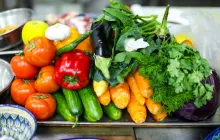
Across cultures and cuisines, people have long linked what we eat with how our skin looks and feels. The glow that emerges from healthy skin is not merely a cosmetic effect but a reflection of the body's inner balance and the nourishment delivered to every layer of the skin. A skin that appears vibrant often signals that the cells are well hydrated, that inflammation is kept in check, and that essential compounds responsible for barrier function and collagen integrity are in adequate supply. Dietary choices influence these processes by providing antioxidants that neutralize damaging molecules, vitamins that support cell turnover and repair, minerals that help maintain moisture and elasticity, and healthy fats that cushion and protect the skin from environmental stressors. This article explores how foods can promote a lasting glow by supporting structure, hydration, and function from the inside out, with a focus on practical, evidence informed guidance that fits a variety of eating patterns.
Building a radiant complexion through diet begins with recognizing the skin as an organ that reflects overall health. When the diet is rich in nutrient-dense foods, the skin benefits from improved antioxidant defenses, reduced inflammatory signaling, and more robust barrier performance. The glow you see is often the result of well-fed skin cells, properly nourished extracellular matrix components like collagen and elastin, and a well-balanced microbiome that contributes to skin calmness and resilience. While topical products and skincare routines matter, nutrition supplies the foundation that helps skin respond to sun exposure, pollution, stress, and the inevitable wear and tear of daily life with steadier hydration, more even tone, and a healthier texture. What follows is a comprehensive look at foods that support those goals and how to incorporate them into a satisfying, varied diet.
Key nutrients that drive skin radiance
Among the most influential nutrients for skin glow are the antioxidants and compounds that protect cells from oxidative stress, the vitamins that regulate cell turnover and collagen formation, the fats that form the lipid barrier and dampen inflammation, and the minerals that participate in hydration and repair. A practical approach emphasizes whole foods rather than isolated supplements, allowing a naturally balanced mix of compounds that work together. Beta-carotene, lycopene, and other carotenoids from colorful fruits and vegetables contribute to color and protection against sun damage. Vitamin C supports collagen synthesis and acts as a powerful antioxidant, while vitamin E helps shield cell membranes from injury. Omega-3 fatty acids, particularly EPA and DHA, contribute to anti-inflammatory signaling and may help soften the look of redness or roughness. Zinc, selenium, and other trace minerals participate in tissue repair and immune function, which indirectly support skin health. When these nutrients arrive through a diverse array of foods, the skin is equipped with the resources it needs to maintain elasticity, hydration, and an even complexion.
Beyond individual nutrients, the overall pattern of eating matters. A diet rich in plant-based foods, lean proteins, whole grains, and healthy fats provides a spectrum of bioactive compounds that can support skin structure. Hydration remains essential, and foods with high water content contribute to this, but the larger picture includes steady energy balance, gut health, and low chronic inflammation. The concept of a skin-friendly eating pattern aligns with general health guidelines while placing particular emphasis on foods that have demonstrated benefits for skin function. The following sections delve into specific categories and examples, offering guidance on how to build meals that nourish the skin at every level without sacrificing flavor or satisfaction.
Antioxidants and skin health: berries, citrus, and more
Colorful fruits and vegetables act as a frontline defense by delivering a spectrum of antioxidants. Berries such as blueberries, strawberries, and raspberries are packed with polyphenols, anthocyanins, and vitamin C, all of which help protect skin cells from oxidative stress caused by environmental factors. Citrus fruits contribute a bright vitamin C punch along with flavonoids that can improve circulation and collagen production. Pomegranate, grapes, and tart cherries introduce additional polyphenols that support vascular health and may help maintain skin tone over time. Dark leafy greens and cruciferous vegetables offer their own antioxidant profiles, including lutein, zeaxanthin, and sulforaphane, which have been associated with protective effects on the skin as well. Incorporating a variety of these foods in a daily routine encourages a broad defense against free radicals while furnishing the skin with the nutrients needed for resilience and radiance.
To maximize the impact, pair antioxidant-rich foods with sources of healthy fats. The fats help with the absorption of fat-soluble antioxidants such as vitamins A, D, E, and some carotenoids. A bowl of mixed berries with a handful of almonds or seeds, for instance, provides a balanced combination of bioactives and fats that enhance nutrient uptake. Green tea, rich in catechins, is another example of a skin-supporting beverage that complements dietary choices without added sugars or artificial ingredients. It is not just about individual components but about how these antioxidants fit into an overall eating pattern that sustains long-term skin health while offering enjoyment and variety.
Vitamin A, C, and E: roles and food sources
Vitamin A is essential for maintaining the skin’s outer barrier and for supporting cell turnover, which helps skin look smooth and evenly toned. Beta-carotene, a precursor that the body converts into vitamin A, comes from carrot, sweet potato, and leafy green sources, as well as red or yellow peppers. For vitamin C, look to citrus fruits, kiwi, strawberries, and bell peppers, all of which contribute to collagen stabilization and iron absorption, which in turn supports energy and tissue repair. Vitamin E operates as a lipid-soluble antioxidant that helps protect skin cell membranes from oxidative injury; common sources include almonds, sunflower seeds, avocado, and olive oil. Together, these vitamins participate in a synergistic network that supports structure, moisture retention, and resilience against environmental stressors. Prioritizing a colorful plate ensures a broad intake of these vital vitamins over the course of the day and week.
Practical strategies involve including at least one good source of each vitamin in daily meals. For example, a breakfast yogurt bowl with fresh berries and a sprinkle of chopped nuts delivers calcium, vitamin C, and vitamin E in a single dish. A midday salad with leafy greens, bell peppers, and a citrus vinaigrette boosts vitamin A and C while providing healthy fats to improve absorption. A dinner plate that includes a serving of fatty fish or a plant-based oil, along with a side of carrots or sweet potatoes, can round out the vitamin A and E intake. The key is consistency and variety, ensuring that the skin receives a steady stream of these vitamins through diverse foods rather than relying on a few staples alone.
Omega-3 fatty acids and skin inflammation
Omega-3 fatty acids, particularly EPA and DHA, are among the most discussed nutrients when it comes to skin health because of their anti-inflammatory properties. Inflammation can manifest as redness, rough texture, or puffiness, and reducing chronic low-grade inflammation supports a calmer, more even complexion. Rich sources include fatty fish such as salmon, mackerel, sardines, and trout, which supply EPA and DHA in highly bioavailable forms. Plant-based options like flaxseeds, chia seeds, and walnuts provide alpha-linolenic acid (ALA), which the body can convert to EPA and DHA at limited rates, so these seeds are best used to complement direct fish intake or a well planned supplement strategy if appropriate. Incorporating omega-3 rich foods regularly can help maintain skin flexibility and reduce the tendency toward dryness by supporting the skin’s lipid barrier and reducing inflammatory signaling at the cellular level.
Beyond the direct anti-inflammatory effects, omega-3s contribute to the production of prostaglandins and other signaling molecules that influence cell turnover, hydration, and sebum balance. A balanced intake helps prevent extreme dryness and can support a more uniform appearance in skin tone. When designing meals, consider a dietary pattern that includes at least two servings of fatty fish per week or a reliable plant-based omega-3 plan that aligns with overall dietary preferences. Combining these fats with antioxidant-rich vegetables and whole grains creates a nutrient-dense base that supports skin health across seasons and life stages.
Hydration and skin from within
Hydration is fundamental to skin health, but it is not solely a matter of drinking water. The water content in fruits, vegetables, soups, and broths contributes to overall hydration status and provides minerals that aid in maintaining the skin’s moisture barrier. Foods with high water content, such as cucumber, melon, tomatoes, and lettuce, offer practical ways to contribute to daily hydration without relying solely on beverages. In addition, the presence of certain nutrients in these foods, including potassium and magnesium, supports cellular hydration and function. Adequate protein intake also plays a role because amino acids are necessary for the continuous renewal of skin tissues, and hydration is closely connected to the surrounding extracellular matrix that gives skin its springy feel and smooth texture.
For those who enjoy beverages, unsweetened options like green tea and herbal infusions add hydration while delivering polyphenols that support skin health. Bone broth or vegetable broth can contribute minerals and collagen-related amino acids that may support dermal hydration and elasticity. The aim is to cultivate a lifestyle in which hydration comes from multiple sources, ensuring that the skin is adequately moistened from within and that dryness, a common precursor to dull appearance and rough texture, is countered with rich, nutrient-dense foods positioned throughout meals and snacks.
Probiotics and skin health
The gut-skin axis is a growing area of interest, with emerging evidence suggesting that a balanced gut microbiome can influence skin inflammation, barrier function, and overall tone. Fermented foods and probiotic-rich options such as yogurt, kefir, sauerkraut, kimchi, and traditional miso can help cultivate a diverse microbial community. While not a magic bullet, a healthy microbiome supports immune regulation and reduces the likelihood of inflammatory flare-ups that can manifest on the skin as redness or irritation. Some individuals may notice improvements in skin clarity and reduced sensitivity when gut health is optimized through dietary choices that emphasize fiber, fermented foods, and a variety of plant-based nutrients that feed beneficial bacteria.
In practice, a skin-friendly approach to probiotics involves enjoying a serving of fermented foods most days of the week, pairing them with fiber-rich vegetables and adequate protein. This combination fosters a robust microbiome and provides metabolites that influence skin health indirectly. It is also wise to monitor individual responses, as sensitivities or digestive tolerances vary. For many, fermented dairy or plant-based yogurts can be a convenient, tasty way to integrate probiotics into daily meals without sacrificing palate or satiety. The broader benefit is a more resilient internal environment that supports skin longevity and a steady glow over time.
Healthy fats and the skin barrier
Beyond omega-3s, a broader category of healthy fats is essential for maintaining the skin’s protective lipid barrier. Monounsaturated fats, found in olive oil, avocados, and certain nuts, can improve barrier function and provide a steady energy source that helps skin cells recover from daily stress. Polyunsaturated fats, including omega-6 fatty acids in moderate amounts, play roles in signaling pathways that influence inflammation and healing. The goal is to balance fats to support barrier integrity while avoiding excessive intake of processed fats and high-sugar products that can undermine skin health. A thoughtful inclusion of olive oil as a dressing or finishing oil, along with a handful of nuts or slices of avocado, can make a meaningful difference in skin texture and moisture retention over time.
Be mindful of fried foods and heavily processed snacks that may introduce unhealthy fats and sugars that can disrupt skin balance. Instead, prioritize whole, minimally processed fats alongside a spectrum of colorful fruits and vegetables. This approach supports not only the skin but overall cardiovascular and metabolic health, which in turn reinforces skin resilience and vitality. By treating fats as essential building blocks rather than mere calories, you can enjoy meals that feel indulgent while still promoting a glow that comes from true nourishment rather than quick fixes.
Leafy greens and colorful vegetables
Leafy greens such as spinach, kale, and Swiss chard are powerhouses of vitamins, minerals, and phytonutrients. Carotenoids like lutein and zeaxanthin provide antioxidant benefits and help protect against light-induced damage, while chlorophyll and other pigments contribute to overall cellular health. Colorful vegetables like peppers, beets, and squash offer a palette of antioxidants and minerals that support collagen formation and skin repair. A diet rich in these vegetables helps ensure that the skin receives a broad range of protective compounds that can translate into improved tone, reduced dullness, and a more even complexion. The combination of greens and vivid vegetables works well when prepared in a variety of ways, from lightly sautéed greens to roasted colorful medleys that retain their nutrient density while adding depth of flavor to meals.
In practice, consider including at least a couple of servings of leafy greens and several servings of colorful vegetables across the day. The aim is not only to create visually appealing plates but also to deliver a steady stream of protective compounds that collaborate with the skin’s natural renewal cycles. Pair greens with olive oil for better absorption of fat-soluble nutrients, and consider adding a squeeze of citrus to enhance vitamin C availability. With consistent practice, this pattern helps maintain hydration, brightness, and a healthy texture that reflects a well-supported internal environment.
Protein and collagen support through diet
Protein provides the amino acids essential for the synthesis of collagen, elastin, and other components of the extracellular matrix that give skin its structure and elasticity. Good sources include lean meats, fish, eggs, dairy, legumes, and a wide array of plant-based options such as soy, lentils, and quinoa. While collagen supplements have gained popularity, the body’s ability to produce collagen is strongly influenced by overall protein intake and the presence of vitamins and minerals that support collagen synthesis, including vitamin C and zinc. Therefore, a holistic approach that includes sufficient protein at each meal, along with nutrient-dense fruits and vegetables, supports skin health from the inside out. Combining protein with colorful produce and healthy fats helps ensure full absorption of nutrients and steady energy to sustain skin repair processes throughout the day.
When shaping meals, aim for meals that incorporate a quality protein source, such as grilled salmon or eggs, with a colorful accompaniment like bell peppers or leafy greens and a healthy fat. Over time, this approach supports not only skin glow but broader well-being by fostering muscle maintenance, tissue repair, and balanced hormones. The dietary pattern that emphasizes diverse protein sources, varied produce, and mindful fat choices tends to promote a more resilient skin surface, improved hydration, and a more even appearance across ages and life stages.
Practical meals and daily patterns for a skin-glow diet
In everyday life, turning these principles into a sustainable routine is the key. A well-rounded day can begin with a breakfast that pairs protein and fruit with a probiotic component, such as yogurt topped with berries and a sprinkle of chia seeds. This combination provides a steady source of amino acids, vitamin C, and antioxidants that begin the day by supporting skin repair processes and brightness. A midday meal featuring a piece of fatty fish or a plant-based omega-3 source, a generous salad loaded with leafy greens, peppers, tomatoes, and olive oil can maintain hydration, support barrier function, and supply a range of protective nutrients. A dinner that includes lean protein, whole grains or legumes, and a colorful vegetable medley offers continued nourishment, while a snack of nuts or seeds supplies healthy fats and minerals to sustain skin health through the night.
Consistency matters, as does listening to the body’s signals. Some individuals may find certain foods provide immediate perceptual benefits, while others observe more gradual improvements. The goal is a flexible, enjoyable pattern that emphasizes nutrient density, variety, and balance rather than perfection. It is also important to consider flavor, culinary heritage, and personal preferences since enjoyment increases adherence and, by extension, long-term skin health. A comprehensive approach that embraces hydration, antioxidants, vitamins, minerals, and healthy fats creates a robust foundation for a luminous complexion that reflects everyday nourishment rather than ephemeral trends.