Antioxidants have long been discussed as essential players in protecting cells from damage caused by free radicals. In modern nutrition science, the focus extends beyond single molecules to the broader pattern of how dietary choices influence redox balance across tissues. This article explores why foods rich in antioxidants are associated with reduced risk for a range of chronic diseases and how everyday meals can contribute to prevention without relying solely on supplements.
In the body’s intricate ecosystem, reactive oxygen species and related free radicals are produced as natural byproducts of metabolism, immune responses, and environmental exposures. When produced in excess, these molecules can damage lipids, proteins, and DNA, a process broadly called oxidative stress. Antioxidants, whether carried in the diet or produced by the body, work by neutralizing free radicals or by strengthening the body's own defense systems. This balancing act is not about eliminating all oxidation, but about maintaining a dynamic equilibrium where cellular signaling and repair processes remain intact while harmful damage is kept in check.
The concept of antioxidant guidance extends beyond a single nutrient and invites a view of food as a complex matrix where multiple compounds interact. Whole foods deliver a spectrum of phytochemicals, vitamins, minerals, fiber, and other constituents that collectively modulate redox signaling, inflammatory pathways, and gene expression. Individual components may offer specific benefits, yet the real power emerges when diverse plant foods are consumed together, resulting in a broad array of protective mechanisms within tissues and organs.
The science behind antioxidants and oxidative damage
Oxidative stress arises when pro oxidants outweigh antioxidant defenses at the level of cells and tissues. Free radicals can originate from normal energy production in mitochondria, inflammatory processes, and environmental exposures such as pollution or ultraviolet light. If not kept in check, these reactive species can ignite chain reactions that damage cellular membranes, enzymes, and genetic material. In response, the body deploys antioxidant enzymes like superoxide dismutase and catalase, alongside non enzymatic antioxidants that come from the diet, which donate electrons to stabilize reactive molecules. The net effect shapes how much damage accumulates over time, influencing cellular aging, mutation rates, and the risk of chronic diseases. Through this lens, antioxidant-rich foods contribute to reducing cumulative injury and preserving cellular resilience across life stages.
How food antioxidants differ from supplements
Dietary antioxidants found in fruits, vegetables, grains, legumes, seeds, and beverages come packaged with a matrix of nutrients and compounds that interact in complex ways. The absorption, distribution, and utilization of antioxidant compounds can be influenced by fiber, fats, proteins, and other phytochemicals present in the same meal. In contrast, isolated antioxidant supplements deliver concentrated single compounds, which may not replicate the benefits of whole foods and, in some cases, can disturb redox signaling or interact with medications. The synergy among multiple antioxidants and the foods they accompany often helps overall health in ways that single molecules cannot achieve. This interplay with meals, digestion, and microbiota defines why obtaining antioxidants from a varied diet tends to produce more reliable health benefits than relying on pills alone.
Categories of antioxidant-rich foods
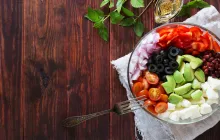
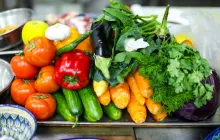
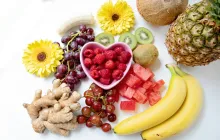
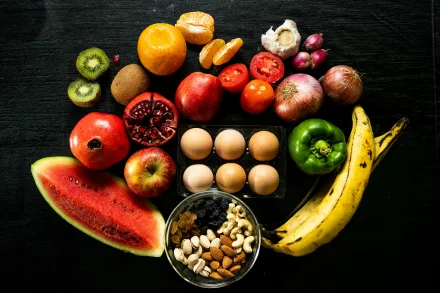
Fruits and berries stand out for their abundance of vitamin C, anthocyanins, flavonoids, and other polyphenols that help shield cells from oxidative injury. Green leafy vegetables provide lutein and zeaxanthin along with chlorophyll and other pigments that contribute to eye health and anti inflammatory effects. Nuts and seeds supply vitamin E and a spectrum of phenolic compounds, while whole grains and legumes contribute lignans, phenolic acids, and minerals that support metabolic resilience. Spices and herbs, including turmeric with curcumin, cinnamon with proanthocyanidins, and ginger with gingerols, add concentrated bursts of antioxidant activity. Beverages such as green tea, coffee, and red wine harbor catechins, chlorogenic acids, and other polyphenols that can modulate inflammation and vascular function. Carotenoid rich vegetables like carrots, tomatoes with lycopene, and colorful peppers extend the palette of protection, as do edible fungi with unique antioxidant enzymes and polysaccharides. The most practical approach is to combine a diverse array of plant foods across meals, ensuring a spectrum of antioxidant compounds rather than relying on a single source.
Cardiovascular health and antioxidants
Cardiovascular disease remains a leading cause of death worldwide, and oxidative modification of low density lipoprotein is a key step in atherogenesis. Antioxidants from foods can reduce the oxidative burden in blood vessels, improve endothelial function, and blunt inflammatory signals that promote plaque formation. Epidemiological data consistently show that diets rich in colorful fruits and vegetables, whole grains, and healthy fats correlate with lower rates of heart disease. Mechanistic studies reveal that polyphenols in berries and tea can enhance nitric oxide bioavailability, supporting vasodilation and blood flow, while vitamin E and carotenoids from nuts and leafy greens help stabilize cell membranes in the face of oxidative stress. While no single food guarantees cardiovascular protection, sustained patterns of antioxidant-rich eating align with safer lipid profiles, healthier blood pressure, and improved arterial function over time.
Cancer prevention and antioxidant-rich foods
In the long arc of cancer prevention, the role of antioxidants centers on limiting DNA damage, reducing chronic inflammation, and supporting cellular repair systems. A diet abundant in plant-based antioxidants supplies not only molecules that scavenge free radicals but also compounds that modulate enzymes involved in detoxification and xenobiotic metabolism. The evidence from observational studies and randomized trials is nuanced, with more robust signals for increased fruit and vegetable intake than for individual antioxidant supplements. In practice, consuming a wide variety of colored produce, whole grains, legumes, and minimally processed fats supports a network of protective pathways. It is important to recognize that cancer risk is shaped by many factors, including genetics, physical activity, body weight, and environmental exposures, so antioxidant-rich foods join a broader preventive strategy rather than serving as a magic bullet.
Neurodegenerative disease and cognitive health
The brain benefits from antioxidants through mechanisms that mitigate oxidative damage in neurons, reduce microglial activation, and preserve the integrity of mitochondrial function. In aging populations, dietary patterns abundant in berries, leafy greens, and olive oil are associated with slower cognitive decline and lower incidence of certain neurodegenerative conditions. Some polyphenols appear to cross the blood brain barrier and influence signaling pathways that govern plasticity and resilience, while adequate intake of vitamins and minerals supports neurotransmitter synthesis and myelin maintenance. Adopting a sustained habit of plant-forward meals, with occasional fish and dairy to complement fat soluble vitamins, creates a nutrient environment that favors neural health over decades of life. Though research continues to tease out precise effects, the practical takeaway remains consistent: diverse, antioxidant-rich meals contribute to brain vitality alongside physical activity and mental engagement.
Antioxidants and metabolic health
Metabolic disorders such as obesity and type 2 diabetes involve intricate dysregulations of insulin signaling and chronic low grade inflammation. Antioxidant-rich foods can support metabolic health by reducing oxidative stress in tissues involved in glucose handling and energy storage. For example, fractions of the diet that include colorful vegetables, legumes, whole grains, and healthy fats help attune inflammatory adipokines and improve insulin sensitivity in many individuals. The fiber content of plant foods also shapes gut microbiota in ways that influence energy harvest and satiety, linking antioxidant intake with broader metabolic regulation. However, it is essential to view these foods as components of a balanced dietary approach rather than as isolated fixes; consistent dietary patterns, physical activity, and sleep are critical to realizing meaningful improvements in metabolic outcomes over time.
The role of the gut microbiome
Emerging research highlights the gut microbiome as a crucial mediator of how dietary antioxidants exert systemic effects. Fibers and polyphenols reach the colon, where resident microbes transform them into metabolites that may enhance vascular function, modulate immune responses, and support mucosal barrier integrity. A diverse plant-based diet tends to promote a richer microbial ecosystem capable of producing short chain fatty acids and other bioactive molecules that influence inflammation and insulin sensitivity. This interaction helps clarify why some individuals respond differently to identical foods and emphasizes the value of dietary variety to sustain a resilient microbiome. The synergy between gut health and antioxidant intake reinforces the concept that prevention is a holistic process spanning digestion, immune function, and metabolic regulation.
Practical guidance for choosing antioxidant-rich foods
Choosing antioxidant-rich foods involves attention to color, variety, and preparation methods that preserve nutrient integrity. A colorful plate signals a spectrum of phytochemicals, while fresh or gently cooked produce often retains more water soluble antioxidants than heavily processed options. Cooking with minimal water, using steaming, sautéing, or roasting, can enhance the availability of certain carotenoids and polyphenols, and pairing vegetables with a touch of healthy fats such as olive oil or avocado improves the absorption of fat soluble compounds. Planning meals around seasonal produce supports freshness and affordability, while incorporating whole grains, legumes, nuts, and seeds adds protective compounds and fiber that benefit digestion and energy balance. Flavorful herbs and spices contribute concentrated antioxidant activity and help reduce the need for excessive salt, sugar, or unhealthy fats. The practical habit of adding a handful of berries to breakfast, tossing leafy greens into daily sandwiches, and including a handful of nuts as a snack creates a steady stream of antioxidant exposure that compounds over time.
Antioxidant-rich foods in cultural traditions
Dietary patterns in different cultures reveal rich traditions that emphasize plant-based ingredients with high antioxidant content. The Mediterranean style, with an emphasis on olive oil, fruits, vegetables, whole grains, legumes, and moderate wine consumption, is often cited for cardiovascular benefits and anti inflammatory properties. Diets inspired by Asian culinary practices feature green tea, soy products, various cruciferous vegetables, and mushrooms that contribute polyphenols and minerals. Latin American cuisines showcase peppers, tomatoes, beans, corn, and a wide range of spices that deliver a mosaic of protective compounds. The recurring theme across traditions is a heavy emphasis on plant foods, legumes, seeds, whole grains, and flavorful herbs, with animal products used in balance rather than as the dominant element. This diversity demonstrates that antioxidant richness does not require a single dietary blueprint but rather an openness to a broad palette of natural ingredients.
Common myths and realistic expectations
A frequent assumption is that simply adding a single antioxidant supplement can dramatically change disease risk. In reality, nutrition science emphasizes the importance of dietary patterns and lifestyle context. Another misconception is that cooked or processed foods offer no benefits, whereas cooking can enhance the availability of certain antioxidants in some vegetables and fruits while preserving others. Realistic expectations acknowledge that antioxidants are one part of a complex physiological network that includes sleep, physical activity, stress management, and exposure to environmental toxins. The best approach is a consistent, varied diet rich in plant foods, with moderate intake of lean proteins and healthy fats, and a mindful approach to overall energy balance rather than chasing isolated nutrients in pill form.
The daily routine of antioxidant-rich foods
In practical terms, building a daily routine around antioxidant-rich foods means integrating color and fiber into meals without sacrificing taste or convenience. A typical day might begin with a breakfast that features berries, yogurt or plant based alternatives, and a sprinkle of nuts, followed by a lunch that combines greens, beans, whole grains, and olive oil; a dinner that pairs vegetables with a protein source such as fish or legumes and uses herbs and spices to intensify flavor while delivering polyphenols. Snacks can include fruit, a small handful of almonds, or a piece of dark chocolate with a high cocoa content. Hydration is also part of the equation, with tea and water serving as the primary beverages. The cumulative effect of consistent choices over weeks, months, and years can shape antioxidant exposure levels in tissues and support resilience against disease processes.
Antioxidants and aging
As the body ages, the efficiency of endogenous antioxidant systems often declines, making dietary supports more relevant. Dietary antioxidants help preserve mitochondrial function, reduce lipid peroxidation, and maintain DNA repair capacity. The cumulative effect of decades of antioxidant intake may relate to better maintenance of tissue integrity, including in skin, joints, and the nervous system. However, aging is influenced by many interacting factors, including genetics, environmental exposure, and lifestyle choices. The message remains that a diet rich in diverse plant-derived compounds offers ongoing protection, while supplementation alone is unlikely to reverse age related decline in all systems.
Specific foods and their standout compounds
Blueberries and blackberries carry high levels of anthocyanins and other flavonoids that appear to support vascular function and neuronal signaling. Spinach, kale, and other leafy greens provide lutein and zeaxanthin, essential for eye health and potentially neuroprotection. Tomatoes deliver lycopene, a carotenoid associated with reduced oxidative stress in vascular tissue. Turmeric contains curcumin, a polyphenol with multifaceted anti inflammatory and antioxidant actions; cumin, coriander, and paprika add further polyphenols that collaborate in meals. Green tea offers catechins that may influence metabolism and inflammatory mediators, while olive oil provides oleuropein and hydroxytyrosol with potent antioxidant properties and favorable effects on lipid profiles. Dark chocolate with high cacao content adds flavanols that can support endothelial function and blood flow, though moderation remains important. This mosaic of specific foods highlights how functional benefits arise not from single nutrients but from the food matrix and daily dietary patterns.
Socioeconomic and accessibility considerations
Access to a wide range of antioxidant-rich foods varies across communities and households. Fresh produce prices, urban availability, and local farming practices influence what individuals shop for and consume. To address disparities, strategies that promote affordable options such as frozen vegetables, canned legumes with low sodium, and shelf stable fruit can help maintain antioxidant intake when fresh options are limited. Community gardens, farmers markets, and nutrition education can empower people to make informed choices within their budget, with an emphasis on plant based meals that are rich in color and variety. It is important to acknowledge that dietary changes are most sustainable when they fit cultural preferences, culinary skills, and time constraints, rather than being imposed as a uniform prescription. In both daily life and public programs, creating environments that nurture access to wholesome, antioxidant rich foods contributes to long term health equity.
Research gaps and future directions
Despite the growing body of evidence linking antioxidant rich diets to disease risk reduction, several gaps remain. Long term randomized trials that isolate the effects of whole dietary patterns, rather than single nutrients, are challenging but essential to understanding real world impact. Additionally, the bioavailability of polyphenols and carotenoids depends on food combinations, gut microbiota composition, and individual genetics, which can yield heterogeneous results. Advanced metabolomics and systems biology approaches are helping researchers map how different foods influence signaling pathways, inflammation, and oxidative stress in various tissues. Future research may illuminate which populations derive the greatest benefits from particular patterns, and how personalized nutrition could tailor antioxidant rich eating to an individual’s unique physiology and microbiome profile.
Integrating antioxidant-rich foods into policy and personal choice
From a policy perspective, guidelines that encourage diverse, plant rich meals in schools, workplaces, and public institutions can support population wide antioxidant intake without resorting to miracle cures. Public health messaging that emphasizes color, variety, and minimally processed foods aligns with whole food nutrition principles, while providing practical steps for households to plan meals that maintain antioxidant presence throughout the day. On a personal level, individuals can cultivate habit formation around choosing a rainbow of foods, incorporating herbs and spices for flavor and health benefits, and preparing meals in ways that maximize nutrient retention. The goal is to embed antioxidant rich eating into daily routines so that prevention feels natural rather than exceptional, and so that the science of redox balance translates into tangible improvements in well being over time.