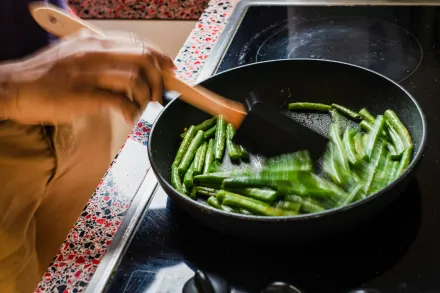
Introduction to how home cooking shapes nourishment
Cooking at home is not merely a routine chore; it is a deliberate act that impacts the nutritional quality of meals. When a person plans, measures, and prepares ingredients within the familiar space of their kitchen, they engage with food in a way that allows for precise control over what is consumed and how it is prepared. The home kitchen becomes a laboratory where basic ingredients are transformed through heat, time, and technique into meals that meet specific dietary goals, whether those goals involve increasing fiber, reducing added salt, balancing fats, or ensuring adequate intake of essential vitamins and minerals. This process is enriched by sensory feedback that comes from smelling simmering pots, watching vegetables soften under heat, listening to the sizzle of garlic in olive oil, and tasting a finished dish before serving it to others. In such a setting, nutrition is not a distant ideal but a practical, attainable practice that can adapt to different stages of life, cultural traditions, and personal health aspirations, making the act of cooking a meaningful daily ritual that supports long term well being rather than a mechanical routine that simply fills calories.
Control over ingredients and nutritional quality
When people cook at home they exercise direct influence over everything that goes into their meals. They can choose fresh produce or frozen equivalents, select lean cuts of meat, decide on whole grains versus refined grains, and opt for oils with healthier fatty acid profiles. This level of control translates into measurable differences in energy density, micronutrient availability, and overall dietary balance compared to meals bought ready made or eaten outside the home. Home cooking allows for the reduction of harmful additives, such as excessive sodium, sugars, and saturated fats, and enables the inclusion of beneficial compounds such as phytochemicals, fiber, and plant sterols that support metabolic health. The act of crafting recipes with mindful substitutions—using whole grain pasta instead of refined variants, adding legumes for protein and fiber, and pooling colorful vegetables for a diverse vitamin and mineral mix—extends beyond taste into a strategic approach to nutrition that respects personal tolerance, budget, and time constraints. This deliberate ingredient selection also fosters greater awareness of the sources of food, encouraging readers to consider seasonal availability, local production, and sustainable practices that further align nourishment with ethical and environmental considerations.
Impact on energy balance and portion control
Beyond ingredient choice, cooking at home shapes how much food is consumed in a given meal. People who prepare their own dishes are often more mindful of serving sizes, the timing of meals, and the rhythm of eating, all of which influence energy intake and satiety. When meals are assembled in the kitchen, there is an opportunity to calibrate portions to match energy expenditure, avoiding the common pattern of oversized restaurant servings that contribute to gradual weight gain over time. The act of measuring, weighing, or visually estimating portions becomes a habit that carries into daily life, aiding in the maintenance of a healthier energy balance. The home kitchen also supports the deliberate inclusion of high fiber foods, protein, and healthy fats within each plate, which tends to promote fullness and reduce cravings between meals. Consistent practice in portion awareness strengthens metabolic regulation and can help people achieve or maintain healthier body weight, while still enjoying flavorful, satisfying meals that meet nutritional goals. Over time this leads to a more stable relationship with food, where hunger cues and fullness are respected and meals become nourishing experiences rather than sources of guilt or stress.
Fresh produce, fiber, and micronutrient optimization
A central advantage of cooking at home is the ability to emphasize fruits, vegetables, whole grains, and legumes as staples. Fresh produce can be prepared in ways that maximize aroma and texture, encouraging greater consumption of diverse plant foods that provide fiber, vitamins, minerals, and phytonutrients. The regular inclusion of vegetables across meals supports gut health, supports immune function, and supplies antioxidants that combat oxidative stress. When meals are planned around vegetables and whole grains, the diet naturally becomes more nutrient dense without a corresponding surge in calories, assuming cooking fats are moderated. The inclusion of legumes and nuts adds plant-based protein and healthy fats, creating meals that sustain energy and contribute to cardiovascular and metabolic health. While some cooking methods may alter the content of certain nutrients, many vitamins and minerals remain robust when vegetables are gently steamed, roasted, or sautéed with modest oil. In addition to macro and micronutrient benefits, cooking at home fosters culinary creativity and a willingness to explore new produce varieties, which broadens the nutritional repertoire beyond routine choices and supports long term dietary diversity that is linked to better health outcomes. This approach helps individuals meet daily fiber targets and achieve a broader spectrum of micronutrients such as potassium, magnesium, folate, and various carotenoids that work together to support health across the lifespan.
Salt, sugar, and fat management in home meals
One of the most tangible nutritional advantages of cooking at home is the ability to moderate salt, sugar, and types of fat used in meals. Processed foods routinely contain high levels of sodium to preserve flavor and extend shelf life, while many commercially prepared sauces, dressings, and snacks contribute added sugars and saturated fats that can accumulate over time. When cooking at home, these elements can be controlled with a light hand and a solid foundation of flavor built from herbs, spices, citrus, and aromatics. Reducing sodium does not mean losing taste because creative seasoning with garlic, onion, cumin, smoked paprika, and fresh herbs can produce dishes that are robust and satisfying. Substituting olive oil or canola oil for butter in certain contexts reduces saturated fat while preserving mouthfeel and texture. Similarly, minimizing added sugars by preparing sauces and desserts from whole ingredients, and balancing desserts with fruit or yogurt rather than heavy refined options, helps maintain steady blood sugar and reduces appetite swings. The cumulative effect of these changes is a more stable metabolic profile, better blood pressure control for many individuals, and a reduced risk of chronic diseases that are sensitive to dietary excesses. The practice of mindful seasoning and cautious use of fats becomes a practical skill that translates beyond the kitchen into everyday choices about snacks, beverages, and restaurant meals, helping people sustain healthier eating patterns over the long term without sacrificing variety or flavor.
Cooking methods and nutrient retention
The method used to cook food matters as much as the ingredients themselves because heat and moisture affect nutrient availability. Gentle cooking techniques such as steaming, simmering, and quick stir frying can preserve water soluble vitamins, maintain color, and keep textures appealing, which in turn supports continued consumption of healthy foods. Conversely, deep frying may add excessive fat and calories and can degrade delicate nutrients if used frequently. When cooking at home, individuals can experiment with roasting vegetables to concentrate flavors, grilling lean proteins to add a savory crust, or applying minimal amounts of healthy fats to preserve texture while keeping calories in check. The choice of cookware and cooking times can influence the retention of bioactive compounds and the overall palatability of meals, which influences adherence to nutritious patterns. In addition, home chefs can monitor the seasoning and acidity levels to ensure that flavor remains appealing without relying on heavy sauces that inflate energy density. This thoughtful approach to cooking supports long term dietary quality by aligning the techniques with nutritional goals, enabling people to maintain interest in balanced meals despite busy schedules.
Time management and habit formation
Time is a critical factor in how people choose between cooking at home and relying on convenience foods. While a busy schedule can make cooking seem daunting, structured planning and a flexible approach can transform the kitchen into a reliable ally rather than a source of stress. By setting aside even small blocks of time for preparation, chopping vegetables, marinating proteins, or pre assembling components, households can create a pipeline of ingredients that can be combined quickly in the evenings. Habit formation emerges as routines become familiar; chopping a batch of vegetables on a Sunday, batch cooking beans or grains, and using weeknight meals as opportunities to practice new recipes gradually increases the repertoire of nutritious options. The benefits extend beyond nutrition, influencing mood, energy, and a sense of control during a hectic day. When individuals view cooking as a nourishing ritual rather than a burdensome obligation, they develop resilience that carries into other areas of life, including planning activities, managing stress, and maintaining social connections around shared meals. The interplay between time management and nutrition is a practical demonstration of how daily choices shape health outcomes through steady, repeatable actions.
Economic considerations and grocery practices
Cooking at home also has economic implications that can drive nutrition in a favorable direction. Although it can be tempting to equate healthier eating with higher costs, careful budgeting and smart shopping can produce meals that are both nutritious and affordable. Buying in bulk, choosing seasonal produce, and planning meals around sale items enable households to stretch their dollar while preserving quality. Food waste reduction is another economic and nutritional win, because repurposing leftovers into new dishes increases the nutritional value of every purchase. A well organized pantry reduces impulse purchases and supports more deliberate decision making about what to cook, which in turn promotes meals that fit energy and nutrient targets. Home cooking also allows for the inclusion of pantry staples like beans, lentils, oats, brown rice, canned tomatoes, and frozen vegetables that offer convenient, affordable nutrition that can be prepared with minimal equipment. In this way, nutrition becomes accessible to a broad range of households regardless of income, while still honoring personal preferences and dietary needs. The net effect is a sustainable practice that complements physical health with financial stability and a more mindful relationship with food shopping and consumption.
Personalization for dietary needs and life stages
Dietary needs vary with life stages and health goals, and cooking at home makes it easier to tailor meals to those needs. Parents cooking for children can introduce a wide variety of vegetables and grains in appealing forms, setting the stage for lifelong healthy eating habits. People managing food allergies or intolerances benefit from the ability to substitute ingredients without sacrificing flavor or texture, while those following plant based patterns can ensure adequate protein, iron, calcium, and other nutrients through carefully chosen combinations. The home kitchen provides a platform for experimenting with fortified foods, naturally rich sources of micronutrients, and balanced plant proteins that support growth, development, and maintenance in adulthood. In addition to addressing macro targets such as protein and carbohydrate balance, home cooking supports micronutrient adequacy by emphasizing leafy greens, citrus fruits, fortified dairy alternatives, and whole grains. The flexibility of home cooking also makes it possible to accommodate cultural preferences, religious dietary restrictions, and personal taste, transforming nutrition from a generic guideline into a personalized practice that respects identity and circumstance while still promoting health. As life evolves, this adaptability becomes a powerful asset, enabling people to sustain healthy patterns through transitions such as pregnancy, aging, or the adoption of new dietary perspectives.
Social and emotional dimensions of home cooking
Cooking at home is often a social activity that strengthens connections and provides emotional nourishment in ways that are hard to replicate with convenience foods. Sharing meals with family members or friends introduces an element of ritual, conversation, and mutual care that supports mental well being and fosters positive associations with healthy eating. When meals are created in a collaborative way, individuals may be more inclined to try unfamiliar vegetables or new spice blends because others are participating in the process and sharing the outcome. This social dimension reinforces nutrition by creating accountability and enjoyment around food, reducing the likelihood of impulsive snacking or disengaged eating. The sensory experiences of home cooking—the aroma of onions caramelizing, the bright color of roasted peppers, the texture of a finished dish—contribute to mindful eating that respects hunger and satisfaction. The practice of cooking thus integrates physical nourishment with social and emotional well being, forming a holistic approach to health that acknowledges the interconnectedness of body, mind, and community.
From takeout to home cooking: mindset and strategies
For many people the transition from frequently ordering takeout to cooking at home represents a shift in mindset as much as a change in routine. It requires reframing meals as opportunities for creativity, learning, and control rather than as a background chore or emergency solution. A practical strategy is to start with simple, reliable recipes that can be scaled to feed household members and then gradually introduce new flavors and ingredients as confidence grows. Establishing a consistent shopping pattern and designating a few versatile staples that can be combined in multiple ways reduces decision fatigue and makes the process smoother. Embracing a flexible schedule that allows for batch cooking, freezer friendly components, and quick weeknight meals helps maintain momentum without turning cooking into a burden. The emotional payoff of this transition often includes a sense of accomplishment, better sleep after eating healthier dinners, and reduced reliance on high calorie, low nutrient convenience items. The cultural and personal significance of home cooking emerges as a source of pride, as meals prepared by hand carry memories, stories, and shared values that reinforce a nourishing lifestyle beyond nutrition alone.
Long term health outcomes and research contextualization
Observational and experimental data increasingly point to the health benefits that accompany regular home cooking as part of a broader pattern of healthier eating. While many studies focus on nutrient intake and disease risk, others examine the behavioral aspects of cooking that promote adherence to dietary recommendations. People who cook at home frequently tend to consume more vegetables, whole grains, and unsaturated fats, and they often have reduced intake of sodium and refined carbohydrates relative to individuals who rely heavily on meals prepared outside the home. These associations are not purely biological but also behavioral; cooking at home may reflect higher levels of nutrition literacy, planning skills, and long term commitment to healthy goals. It is important to consider confounding factors such as socioeconomic status and education when interpreting research, but the overarching theme remains that home cooking supports a nutrient rich dietary pattern with a lower energy density and a greater sense of control over the food environment. Taking these findings into account can help individuals design practical strategies that fit their lives and lead to meaningful improvements in cardiovascular risk factors, metabolic health, and overall well being over time. The cumulative evidence suggests that fostering home cooking skills is a valuable investment in community health as well as personal health, offering a straightforward path to improved nutrition through everyday choices.
Practical kitchen setup and sustainable habits
A well organized kitchen can make cooking at home more accessible and enjoyable, which in turn supports nutritional goals. An efficient work triangle between the stove, sink, and counter space reduces friction during meal preparation, while clear storage, labeled containers, and a stocked spice cabinet boost confidence to improvise and experiment. Keeping staple ingredients on hand, such as whole grains, canned tomatoes, beans, frozen vegetables, olive oil, garlic, onions, and a selection of herbs, provides a foundation for nutritious meals that can be assembled quickly. A sustainable habit emerges when routines are aligned with seasonal ingredients, local markets, and a rotation of recipes that reflect personal preferences and nutritional needs. The kitchen becomes a training ground for practical nutrition literacy: understanding how different ingredients contribute to protein, starch, and fat targets, recognizing the roles of fiber and micronutrients, and learning how cooking methods affect flavor and texture. As confidence grows, meals can be planned with fewer steps yet greater complexity in flavor, enabling families to enjoy diverse menus that remain within energy and nutrient guidelines. This practical setup translates into a durable lifestyle change, where nutrition is embedded in daily routines rather than treated as a sporadic activity with erratic outcomes.
Cultural heritage, culinary diversity, and lifelong learning
Cooking at home invites a connection to culture and tradition that enriches nutrition in meaningful ways. Recipes passed down through generations carry stories of harvests, celebrations, and the values a family places on shared meals. Exploring different culinary traditions can broaden the acceptable range of flavors and ingredients, which in turn increases the variety of nutrients consumed. Embracing this diversity does not conflict with health goals; rather, it complements them by expanding the set of available plant proteins, grains, vegetables, and flavor enhancers that can be integrated into nourishing meals. Learning to balance calories with nutrient density within cultural dishes may involve adjustments such as incorporating more vegetables into a favorite sauce, replacing heavy cream with yogurt, or using spices instead of salt to achieve savoriness. This lifelong learning process supports a resilient approach to nutrition because it anchors healthy choices within a meaningful, enjoyable framework. In short, home cooking becomes a means of sustaining not only physical health but also cultural continuity and personal satisfaction through the exploration of taste, technique, and tradition.
Environmental considerations and sustainable nutrition
The environmental footprint of the food system increasingly shapes choices about what to cook at home. Preparing meals from fresh, local ingredients can reduce packaging waste, transportation emissions, and energy use associated with heavily processed foods. Home cooking thus intersects with ecological awareness, encouraging practices such as using seasonal produce, choosing plant based main dishes more often, and prioritizing methods that minimize energy consumption. Food planning that minimizes waste—by repurposing leftovers, freezing components, and buying only what is needed for a few days—benefits both nutrition and the planet by reducing the waste stream and lowering costs. A sustainable approach to home cooking also includes respectful sourcing, such as supporting local growers, choosing environmentally friendly packaging, and selecting dairy or non dairy alternatives produced with humane and responsible practices. These considerations, while not purely nutritional, reinforce a holistic view of health that accounts for the broader context in which food is produced, prepared, and shared. When nutrition is viewed through this lens, home cooking becomes an ethical as well as a practical practice, aligning personal well being with planetary stewardship and long term societal health.
Through sustained practice, cooking at home can become a lasting habit that supports health, enjoyment, and responsibility in equal measure. The simple act of preparing a meal with care nourishes the body and can quiet cravings that derail dietary goals, while also offering a space for creativity, learning, and connection. By choosing to cook at home, individuals invest in a practical, attainable path to improved nutrition that respects personal taste, life circumstances, and the broader world in which food is produced and shared. The result is not only a more nutrient rich daily intake but a deeper sense of agency over one’s health and a greater appreciation for the nourishment that food provides when it is prepared with attention and intention.