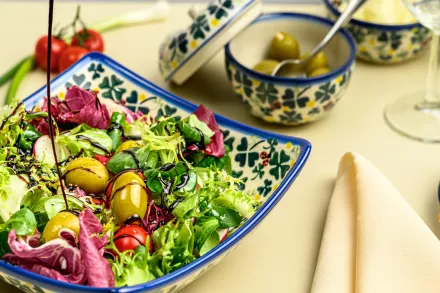
In the modern dietary landscape, the Mediterranean Diet stands out as a model of balanced eating that ties together taste, tradition, and science. It is not a single rigid plan but a philosophy that emphasizes plant-based foods, healthy fats, and mindful cooking. The core idea resonates with both historical patterns of eating in coastal regions and contemporary research that highlights health outcomes across populations. By focusing on real foods rather than processed substitutes, the Mediterranean pattern invites people to enjoy meals with freshness, color, and texture, turning meals into opportunities for nourishment, social connection, and long term well-being.
Introduction to the Mediterranean Way of Eating
In this tradition, olive oil is the principal fat, replacing saturated fats common in many Western diets. Fresh vegetables and fruits form the backbone of daily meals, and whole grains and legumes provide steady energy and fiber. Fish and seafood are favored with modest portions, while dairy is typically consumed in moderate amounts through yogurt, cheese, or milk. Poultry sits alongside red meat only in smaller quantities, and wine is often consumed modestly in social settings, with meals that are slowly savored rather than rushed. The approach celebrates seasonal produce, straightforward cooking methods, and a sense of conviviality that makes healthy choices feel natural rather than punitive. The outcome is a dietary pattern that is both practical and enjoyable, encouraging people to cook at home, share meals with others, and slow down enough to notice the flavors and textures of each dish.
Key Components and Emphasis on Quality
Central to the Mediterranean Diet is the emphasis on quality fats that come from olive oil, nuts, and seeds. This emphasis is paired with abundant plant foods, which provide a broad spectrum of micronutrients, antioxidants, and phytochemicals that support cellular health and immune function. Legumes such as beans, lentils, and chickpeas deliver plant-based protein along with fiber that helps regulate digestion and blood sugar. Whole grains replace refined grains, offering sustained energy and a sense of fullness that can help with weight management. All of this is complemented by herbs and spices that reduce the need for excessive salt while enhancing flavor and aroma, making meals feel satisfying even when they are simple and economical.
Impact on Cardiovascular Health
Extensive research demonstrates that adopting a Mediterranean dietary pattern is associated with favorable effects on several cardiovascular risk factors. The combination of healthy fats, fiber, and micronutrients appears to support healthier cholesterol profiles, with reductions in low-density lipoprotein cholesterol and improvements in high-density lipoprotein function. The anti-inflammatory properties of olive oil, the antioxidant capacity of vegetables and fruit, and the modest intake of red meat contribute to lower blood pressure and improved endothelial function. Over time, these changes can translate into fewer instances of heart disease, stroke, and related complications, while also supporting vascular resilience as age increases.
Weight Management and Metabolic Health
Weight management often improves when people shift away from highly processed foods toward whole, nutrient-dense options that promote satiety. The Mediterranean Diet naturally slows appetite through a high intake of fiber, protein from legumes and fish, and healthy fats that help regulate hunger hormones. This combination can support gradual, sustainable weight loss or maintenance without drastic caloric restriction. In addition, the diet’s emphasis on low glycemic index carbohydrates contributes to better blood sugar control, reducing peaks in glucose and insulin after meals. Over months and years, this pattern supports metabolic health and reduces the risk of insulin resistance and type 2 diabetes, while also offering protective effects against metabolic syndrome through improved lipid and inflammatory profiles.
Brain Health and Longevity
Emerging evidence suggests that the Mediterranean Diet may support cognitive function and reduce the risk of neurodegenerative diseases. The high intake of unsaturated fats from olive oil and fish provides essential fatty acids that support neuronal membranes and synaptic function. Rich sources of polyphenols from colorful vegetables, fruits, and red wine (in moderation) contribute to brain health by combating oxidative stress and inflammation within neural tissue. Consistent dietary patterns that emphasize social eating and a favorable lipid profile are associated with greater resilience in aging populations, and research often links adherence to the Mediterranean pattern with slower cognitive decline, better mood regulation, and a more robust quality of life across the lifespan.
Digestive System and Gut Microbiome
The fiber-rich foods that anchor the Mediterranean pattern play a crucial role in shaping a healthy gut microbiome. Fruits, vegetables, whole grains, and legumes provide prebiotic fibers that feed beneficial bacteria, supporting digestion, stool regularity, and the production of short-chain fatty acids that influence immune function and inflammation. A diverse plant-based menu also introduces a wider array of micronutrients and phytochemicals that feed microbial diversity, a factor correlated with resilience against gastrointestinal disturbances and improved metabolic health. While every individual’s microbiome is unique, a long-term commitment to plant-forward meals and varied sources of fiber tends to foster a more balanced microbial ecosystem and a more favorable metabolic milieu.
Environmental and Economic Considerations
Beyond individual health, the Mediterranean Diet aligns with sustainable eating patterns that emphasize local, seasonal produce and seafood rather than ultra-processed, resource-intensive foods. This can translate into a lower environmental footprint when choices favor plant-based meals and responsibly sourced fish. The pattern also tends to be economical, as staples like beans, lentils, oats, seasonal vegetables, and bulk grains offer cost-effective calories without compromising nutrition. The social aspect of Mediterranean meals, with long tables and shared dishes, reduces food waste through mindful portioning and the use of leftovers in creative ways. In communities where access to fresh produce is available, the diet can be maintained with modest budgets while still delivering a high-quality nutrient intake.
Practical Ways to Adopt the Mediterranean Diet
Adopting the Mediterranean Diet does not require a dramatic life overhaul; it invites small, sustainable changes that accumulate over weeks and months. A practical approach begins with choosing olive oil as the main cooking fat, swapping butter or margarine in favor of its fruity richness. Introducing more vegetables into every meal, choosing whole grains over refined ones, and incorporating legumes as a daily protein source are effective starting points. Seafood should appear several times a week, while red meat is limited to occasional offerings. Dairy can be enjoyed through yogurt and cheese in moderate amounts, and herbs and spices should take the place of salt to heighten flavor. A mindful meal pattern, built around shared experiences and slower eating, supports digestion and satisfaction, making it easier to sustain the diet long term.
Common Myths and Realities
One common misconception is that the Mediterranean Diet requires expensive ingredients or exotic products. In reality, many of the core components are affordable staples such as oats, beans, tomatoes, and olive oil that can be sourced from conventional grocery stores. Another myth is that wine must be consumed daily or that it is essential for health benefits; in truth, the health effects stem from the overall dietary pattern and the fatty acids, fiber, and polyphenols, with alcohol optional and not necessary for those who prefer not to drink. A third misconception is that the diet is only for people living near the sea; in fact, the principles translate well to various climates and cultures when meals emphasize plant-forward cooking, high-quality fats, and mindful preparation.
The Mediterranean approach is flexible enough to accommodate vegetarian and vegan adaptations while maintaining its essential structure. For vegetarians, emphasis on legumes, whole grains, nuts, seeds, and dairy substitutes can preserve protein adequacy and micronutrient balance. For individuals with food allergies or intolerances, there are many ways to reframe meals so that the flavor profile remains lively, the texture remains satisfying, and the nutritional goals stay intact. The diet’s social dimension, which centers on enjoying meals with others, can be preserved in any adaptation, turning cooking and eating into rituals that support both physical health and emotional well-being.
Incorporating Mediterranean Principles into Daily Life
Long-term adherence tends to be higher when meals are simple, flavorful, and anchored in daily routines rather than rare luxury meals. A typical day can begin with a fruit and yogurt or oats with nuts, followed by a light, vegetable-rich lunch that relies on legumes and a drizzle of olive oil. Dinner might feature grilled fish or poultry, a generous plate of vegetables, a whole grain such as quinoa or farro, and a modest portion of cheese or yogurt. Snacks, when chosen, revolve around fruit, nuts, or a small portion of whole-grain crackers with hummus. The social environment matters as much as the food; sharing meals with family or friends makes it easier to slow down, savor each bite, and listen to hunger and fullness cues, reinforcing a healthy relationship with food and a sustainable approach to eating.
Long-Term Benefits and Life Satisfaction
The cumulative effects of a Mediterranean diet extend beyond measurable laboratory markers and clinical outcomes into daily life satisfaction and energy levels. People who embrace this pattern often report a sense of balance that comes from predictable meal routines, reduced cravings for ultra-processed items, and a natural inclination toward movement and outdoor activity that complements healthy eating. The diet’s emphasis on nutrient-dense foods helps sustain vitality through the decades, supporting not only physical health but also mood, cognitive clarity, and social connection. In communities where this pattern has persisted for generations, individuals frequently describe a sense of continuity and identity linked to shared foods, regional flavors, and a philosophy that meals are both nourishment and celebration. The synergy between nutrition, lifestyle, and culture creates a durable foundation for healthy aging and a high quality of life.
Seasonal Rhythms and Cultural Diversity
The Mediterranean region is not a single monolith but a tapestry of nations with distinct culinary traditions that share common threads. In coastal areas, seafood often anchors weekly menus, while inland communities celebrate legumes, grains, and seasonal produce that reflect the climate and available harvests. Seasonal rhythms influence what is grown, when it is harvested, and how it is prepared, encouraging cooks to adapt recipes to the returns of spring greens, summer tomatoes, autumn olives, and winter citrus. Across Greece, Italy, Spain, Turkey, Morocco, Lebanon, and beyond, the shared principles of olive oil, plant-forward plates, and communal meals become a cultural practice that also fosters resilience and environmental stewardship. The result is a flexible and diverse dietary pattern that respects local flavors while preserving a common approach to healthful eating.
Putting It All Together: A Personal Journey
Embracing the Mediterranean pattern often begins with small, approachable changes rather than sweeping transformations. A single shift such as swapping butter for olive oil in a few meals, or adding a handful of leafy greens to one daily dish, can set a momentum that expands into larger habits over time. People who track their progress, notice how meals feel after, and listen to their body’s hunger cues tend to sustain these changes more effectively. Building a pantry around steady staples like oats, beans, lentils, canned tomatoes, whole grain pasta, and a rotation of vegetables creates a flexible framework that supports variety and creativity in cooking. The social dimension matters deeply; inviting friends or family to share a meal, cooking together, and exchanging simple recipes can transform healthy eating from a routine into a source of pleasure and connection. In this way, the Mediterranean lifestyle becomes less about deprivation and more about nourishment, curiosity, and a slower, more intentional way of living that benefits the body, the mind, and the planet.