Understanding inflammation and the role of food
Inflammation is a natural and essential biological process that helps the body heal injuries, fight infections, and respond to stress. It involves a cascade of immune signals, the recruitment of white blood cells, and the production of signaling molecules that coordinate tissue repair. In acute cases, inflammation is a protective and temporary response. Problems arise when inflammation becomes chronic or systemic, persisting for months or years, and contributing to damage in joints, blood vessels, organs, and the brain. Dietary choices can influence the intensity and duration of inflammatory responses by supplying bioactive compounds that modulate signaling pathways, support gut health, and balance the microbes living in the digestive tract. This article explores how different foods can dampen inflammatory signals, improve cellular resilience, and support long term well being while offering practical guidance for everyday meals.
The science behind anti inflammatory foods
Many foods contain compounds that act as antioxidants, anti inflammatory agents, or immune modulators. Polyphenols, flavonoids, terpenes, and carotenoids found in fruits, vegetables, herbs, and spices can help scavenge free radicals, reduce oxidative stress, and influence enzymes involved in inflammatory pathways such as cyclooxygenase and lipoxygenase. Omega-3 fatty acids, particularly eicosapentaenoic acid and docosahexaenoic acid, integrate into cell membranes and alter the production of inflammatory mediators. Dietary fiber supports a diverse gut microbiome, which in turn generates short chain fatty acids that help regulate immune tone and intestinal barrier function. The cumulative effect of these nutrients is a slower, more controlled inflammatory response that may lower the risk of chronic diseases linked to inflammation when consumed as part of a balanced diet.
Omega-3 fats: crucial anti inflammatory allies
Fatty fish such as salmon, mackerel, sardines, and trout are among the richest sources of long chain omega-3 fats that directly participate in anti inflammatory processes. Vegetarians and those who do not eat fish can obtain alpha linolenic acid from flaxseeds, chia seeds, walnuts, and some algae sources, though the body’s conversion to the longer chains is limited. Regular consumption of omega-3 rich foods has been associated with lower levels of inflammatory markers in various studies, and these fats also contribute to heart health, brain function, and joint comfort. When integrating these fats, it is beneficial to choose minimally processed options and to prepare them with methods that preserve their healthy fats, such as baking, grilling, or steaming rather than high heat frying. Pairing omega-3 sources with colorful vegetables and whole grains can further enhance anti inflammatory potential through synergistic effects of nutrients and fiber.
Colorful fruits and vegetables: a broad spectrum of anti inflammatory compounds
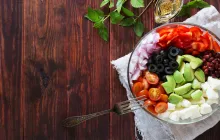
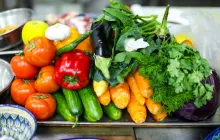
Brightly colored fruits and vegetables bring a diverse array of phytochemicals that combat inflammation. Blue and red berries deliver anthocyanins that may modulate inflammatory enzymes and improve endothelial function. Leafy greens, kale, spinach, and Swiss chard supply lutein, zeaxanthin, and vitamin K, which play roles in cellular signaling and immune balance. Cruciferous vegetables like broccoli, Brussels sprouts, and cabbage contain compounds such as sulforaphane that activate detoxification pathways and reduce oxidative stress. Tomatoes provide lycopene, a carotenoid linked with reduced inflammatory markers, especially when consumed with a small amount of healthy fat to improve absorption. A daily habit of including a rainbow of produce ensures a wide range of bioactive molecules that collectively help regulate inflammation rather than relying on a single nutrient.
Herbs and spices with potent anti inflammatory actions
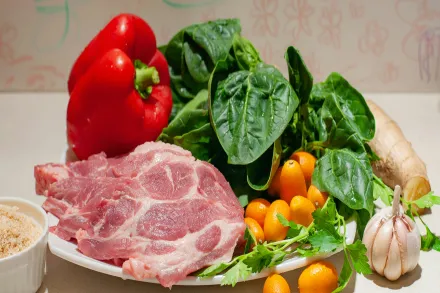
Turmeric contains curcumin, a compound repeatedly shown to dampen inflammatory signaling. Black pepper enhances the absorption of curcumin through piperine, making the combination particularly effective. Ginger features gingerol and related compounds that can inhibit inflammatory enzymes and support gut health. Garlic offers organosulfur compounds that influence immune response and antioxidant status. Cinnamon and clove bring additional polyphenols with potential anti inflammatory effects. Incorporating these spices into daily cooking not only adds flavor but also provides a practical way to sustain anti inflammatory benefits over time without relying on supplements alone. The key is variety and regular use, as the synergistic effects of multiple spices can be greater than any single component.
Whole grains and legumes: fiber and phytochemicals for gut health
Whole grains such as oats, quinoa, barley, and brown rice contribute valuable fiber, vitamins, minerals, and phytonutrients that support a balanced inflammatory profile. Fiber nourishes the gut microbiota, leading to the production of short chain fatty acids like butyrate that help regulate immune responses and protect the gut barrier. Legumes, including lentils, chickpeas, and beans, add plant protein, fiber, and minerals, and their regular consumption has been linked with improved inflammatory markers in diverse populations. Cooking methods that retain fiber integrity and minimize phytate interference, such as soaking beans before cooking and avoiding excessive processing of whole grains, help maximize the anti inflammatory benefits of these foods while keeping meals satisfying and nutrient dense.
Olive oil and other healthy fats: the cornerstone of an anti inflammatory diet
Extra virgin olive oil is rich in monounsaturated fats and contains oleocanthal, a compound with anti inflammatory properties that resembles some actions of non steroidal anti inflammatory drugs in the body. Using olive oil as a primary fat source aligns with traditional dietary patterns that have been associated with lower chronic disease risk and improved inflammatory status. Other healthy fats, such as avocado, nuts, and seeds, provide a mix of monounsaturated and polyunsaturated fats, along with fiber and micronutrients. Consuming these fats in place of saturated fats can support cellular function, hormone balance, and the delicate equilibrium of inflammatory mediators. When preparing meals, aiming for unrefined or minimally processed fats helps preserve the natural phytochemicals that enhance anti inflammatory effects.
Fermented foods and gut friendly microbes
The health of the gut microbiome is closely tied to systemic inflammation. Fermented foods like yogurt with live cultures, kefir, sauerkraut, kimchi, miso, and tempeh introduce beneficial bacteria and can improve gut barrier function. A resilient barrier reduces the leakage of inflammatory molecules into circulation, which in turn lowers chronic inflammatory signals. While individual tolerance varies and dairy products may not suit everyone, plant based fermented foods provide varieties of probiotic opportunities that can complement a diverse diet. Pairing fermented foods with high fiber vegetables and whole grains supports both microbial diversity and anti inflammatory effects across meals.
Coffee and tea: beverages that may modulate inflammation
Green tea contains catechins such as EGCG that have antioxidant properties and may influence inflammatory pathways. Moderate coffee consumption has been associated with lower risk of some inflammatory markers in observational studies for many populations, though effects can vary with genetics and overall diet. Both beverages contribute polyphenols and caffeine that can support alertness and metabolic health while supporting anti inflammatory processes when consumed in sensible amounts. It is wise to avoid adding excessive sugar or high fat dairy that could negate potential benefits, and to consider individual tolerance and sleep patterns when choosing how much to drink each day.
Protein quality and timing for inflammation control
Protein is essential for tissue repair and immune function, but the source and quality matter for inflammation. Lean animal proteins, fish, and a variety of plant proteins from legumes, nuts, and whole grains help maintain muscle mass and metabolic balance without excessively elevating inflammatory markers. Emphasizing a diverse protein pattern, rather than relying on a single source, ensures a broad range of amino acids and micronutrients that can support anti inflammatory signaling. Spreading protein intake evenly across meals and pairing proteins with fiber rich vegetables enhances satiety, stabilizes blood sugar, and contributes to a lower inflammatory profile over the course of a day.
What to cook and how to cook for maximum anti inflammatory benefit
Cooking methods influence nutrient preservation and the availability of anti inflammatory compounds. Gentle methods such as steaming, simmering, sautéing over low to medium heat, and light roasting can preserve heat sensitive vitamins, polyphenols, and enzymes. Combining vegetables with olive oil or avocado oil helps to absorb fat soluble compounds like carotenoids and fat soluble vitamins. When possible, aim to cook whole foods rather than rely on highly processed substitutes, and include a colorful array of ingredients in a single dish to maximize nutrient synergy. Balancing meals to include a protein source, a healthy fat, whole grains or legumes, and abundant vegetables creates a holistic approach that supports anti inflammatory effects across the day.
Daily patterns: integrating anti inflammatory foods into meals
Rather than following a rigid plan, many people benefit from a flexible approach that gradually expands the variety of anti inflammatory foods in their routine. Start with adding a handful of berries to breakfast, drizzle extra virgin olive oil over a vegetable based dish, include a portion of fatty fish a couple of times each week, and sprinkle turmeric and ginger into sauces or soups. Keep a rotation of leafy greens and cruciferous vegetables on the menu, and snack on nuts or seeds alongside fruit to maintain a balance of fiber, healthy fats, and micronutrients. By building meals that naturally emphasize color, flavor, and texture, the liver and immune system receive steady signals that support a calmer inflammatory state without feeling restrictive or tedious.
Special considerations and practical cautions
While most people can benefit from a diet focused on anti inflammatory foods, a few individuals may have specific sensitivities or conditions that require adjustments. People with allergies or intolerances should tailor choices to avoid triggers, and those with kidney stones or certain metabolic disorders may need to moderate high oxalate or purine containing foods. The use of supplements, such as curcumin or fish oil, should be discussed with a healthcare provider, especially for those taking anticoagulants or with known interactions. In many cases, a well rounded diet rich in fruits, vegetables, whole grains, legumes, nuts, seeds, herbs, and healthy fats can deliver robust anti inflammatory benefits without the need for concentrated pills, while still allowing room for personal preferences and cultural traditions.
Meal planning strategies for busy lifestyles
For people juggling work, family, and commitments, planning ahead makes it easier to maintain an anti inflammatory pattern. Batch cooking vegetables and legumes, preparing a simple marinade that includes turmeric, garlic, and olive oil, and having quick protein options like canned sardines or pre cooked beans can save time. Stocking a pantry with a variety of spices and a selection of high quality oils helps transform ordinary meals into anti inflammatory experiences. Even on the busiest days, it is possible to assemble a balanced plate by combining a protein source, a colorful mix of vegetables, a healthy fat, and a whole grain or legume, ensuring that inflammation friendly components are present in most meals.
Monitoring progress and listening to the body
Dietary changes often show their benefits gradually, and individuals may notice improvements in energy, digestion, joint comfort, or skin health over weeks to months. Keeping a simple record of foods eaten and any noticeable changes can be helpful for identifying patterns and preferences. It is important to note that inflammation is influenced by many factors beyond diet, including sleep quality, physical activity, stress, and environmental exposures. A comprehensive approach that addresses these elements, along with a consistent intake of anti inflammatory foods, tends to yield more meaningful and lasting improvements than focusing on a single nutrient or meal.
Putting it all together: a sample day of inflammation friendly eating
Begin with a breakfast that features a bowl of oats topped with berries, chopped nuts, and a drizzle of olive oil to enhance absorption of nutrients. A mid morning snack might include an apple with a handful of almonds, providing fiber and healthy fats. Lunch could be a colorful salad with leafy greens, a portion of fatty fish or a plant based protein, avocado, tomatoes, and a olive oil based dressing enriched with lemon juice and herbs. Dinner might feature a roasted vegetable medley with broccoli and peppers, quinoa or brown rice, and a turmeric ginger seasoned sauce. Throughout the day, water and unsweetened beverages support hydration, while spices like cinnamon or cardamom add flavor depth without excess sugar.
Closing thoughts: embracing a holistic anti inflammatory eating pattern
Incorporating foods that help reduce inflammation is less about a single hero ingredient and more about creating a sustainable, enjoyable pattern that emphasizes variety, color, and balance. By prioritizing fatty fish or plant based omega-3s, consuming a wide range of fruits and vegetables, relying on whole grains and legumes for fiber, and using olive oil, nuts, seeds, and flavorful spices, it is possible to influence inflammatory processes positively. This approach aligns with broader health goals such as stable energy, better digestion, heart health, and a resilient immune system, while also honoring personal tastes, cultural traditions, and lifestyle constraints. The key is consistency, mindfulness, and a willingness to experiment with new flavors and combinations that keep meals both satisfying and protective against chronic inflammation.