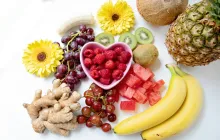
In a world that moves quickly and often pushes nutrition to the back burner, the idea of healthy snacking can feel like a small rebellion against a busy life. Yet snacks, when chosen with intention, are not a guilty pleasure but a strategic tool that supports steady energy, better mood, and longer stamina between meals. The purpose of this article is to guide you through a thoughtful approach to snacking that fits real life, respects taste, and nourishes the body. It invites you to see snacks not as a second course of arbitrary nibbling, but as an opportunity to pair protein, fiber, healthy fats, and micronutrients in a way that keeps you satisfied, focused, and resilient throughout the day.
Understanding the role of snacks
Snacks occupy a unique place on the daily timetable, bridging the gaps between meals and smoothing out peaks and valleys in energy. When chosen wisely, snacks can prevent overeating during the next meal, stabilize blood sugar, and curb cravings that often originate from long stretches without nourishment. The key is to imagine snacking as a chance to supply the body with a modest, balanced portion that honors both appetite and nutrition. A snack that combines protein and fiber, for example, tends to be more satisfying than something primarily high in simple carbohydrates. This balance helps to maintain a steady pace of energy and supports cognitive function, especially during times when mental performance matters most, such as during work, study, or caregiving tasks. In addition, the convenience of a well-planned snack can reduce impulse choices that come with hunger or fatigue. The right snacks act like tiny investments in your day, paying dividends in mood, focus, and long-term health outcomes.
When thinking about snacks, it’s useful to shift away from labeling foods as inherently good or bad and toward evaluating them based on context. A snack that is perfect in the morning might not fit as well in the late afternoon if it lacks lasting fullness or contains excessive sugar. The aim is to cultivate a flexible framework that respects personal taste preferences, dietary needs, and energy demands. A well-timed snack can also support athletic performance by providing fuel before training and aiding recovery after. By framing snacks as strategic supports rather than distractions, you create a sustainable habit that improves how you feel across the entire day.
Another essential aspect is portion awareness. Snacks should contribute to, rather than derail, daily energy balance. A common pitfall is either undereating or overdoing it, which can undermine goals such as steady weight management or blood sugar control. To avoid this, think in terms of a modest but nourishing quantity, roughly equivalent to the size of a closed fist for many people. This general guideline can be adjusted based on body size, activity level, and personal hunger signals. Listening to hunger cues is an important skill; it helps you determine when a snack is truly needed versus when a craving is simply emotional or habitual. Mindful eating practices—slowing down, savoring flavors, and appreciating textures—make snacks more satisfying and reduce the likelihood of overindulgence.
Planning and preparation
Preparation is the backbone of successful healthy snacking. When snacks are easy to grab, you are far more likely to choose them over less nutritious options that appear more convenient in the moment. A practical starting point is to perform a quick inventory of pantry, fridge, and freezer items that can become the foundation of balanced snacks. Staples often include pre-portioned containers of yogurt, fresh fruit, raw vegetables, nuts, seeds, whole grain crackers, and protein-rich dips such as hummus or cottage cheese. When you have a clear picture of available options, you can assemble snack combinations with a few deliberate pairings that consistently deliver satisfaction and nutrition. The goal is to build an ecosystem of options that you can rotate, so snacking stays interesting and responsive to your evolving tastes and goals.
Another essential step is setting aside time for batch preparation. This does not have to be elaborate or time-consuming. Even a small block of effort once or twice a week can yield portable, ready-to-eat snacks. For example, washing and chopping vegetables in advance creates an inviting array of crunchy, hydrating options. Preparing portions of fruit that travel well, like apples or berries, prevents soggy or neglected produce from going to waste. Pre-portioning ingredients into small containers can simplify decision-making during a busy day. If you enjoy dairy or plant-based alternatives, portioned servings of yogurt or yogurt-based parfaits can be layered with fruit and nuts to balance sweetness with protein and fat. The more you normalize these practices, the less mental energy you must devote to snacking in the moment, leaving more room for other daily priorities.
Storage considerations play a role as well. Keeping a few snack-ready items in accessible places—such as the work desk drawer, gym bag, or car glove compartment—reduces the likelihood of reaching for less nutritious options when hunger strikes. At the same time, it is wise to rotate choices to avoid boredom and to ensure a broad spectrum of nutrients. A well-rounded plan includes a mix of fresh produce, dairy or dairy alternatives, whole grains, legumes, nuts, and seeds. Variety matters not only for taste but for providing different vitamins, minerals, and phytochemicals that support overall health. Make space for at least one savory option and one mildly sweet option so you can choose based on how you feel and what your day requires.
Choosing nutrient-dense snacks
Healthy snacks share several common characteristics. They tend to provide a blend of protein, healthy fats, and fiber, which together promote fullness and steady energy. They are relatively minimally processed, or if processed, still deliver nutrition without excessive added sugars or sodium. They emphasize whole foods—nutrient-dense choices that supply vitamins and minerals along with enduring satisfaction. When you scan snack options, look for at least two of the following elements: a reliable source of protein, a good amount of fiber, and a portion of healthy fats. Protein supports muscle repair and satiety, fiber slows digestion to help control blood sugar, and healthy fats add flavor and provide sustained energy. Examples include a small handful of almonds paired with an apple, a slice of cheese with whole-grain crackers, a cup of yogurt with berries, or vegetables dipped into a protein-rich dip like hummus or bean-based spreads. These combinations tend to keep you fuller longer than snacks that lean heavily on refined carbohydrates alone.
Fiber is a central ally in healthy snacking. It comes from fruits, vegetables, whole grains, legumes, nuts, and seeds. A snack rich in fiber helps stabilize post-meal glucose, supports digestive health, and fosters a sense of fullness that can reduce subsequent intake. When choosing fiber-rich snacks, consider options that also provide a bit of protein or healthy fat to round out the experience. For instance, a pear with a small amount of peanut butter delivers both fiber and protein, making the snack more satisfying and nourishing. Meanwhile, dairy or fortified non-dairy products can contribute calcium and vitamin D, which support bone health and metabolic function. The best approach is to pair fibrous foods with a protein source to maximize satiety and long-term energy stability.
Healthy fats deserve a central role in snacking strategy. They contribute flavor and texture, slow digestion, and support cellular function. Foods such as avocado, nuts, seeds, olive oil-based dips, and fatty fish offer fats that are beneficial for heart health and cognitive performance. A well-rounded snack may combine a smooth avocado with whole-grain toast, or almonds with a piece of fruit, or a small portion of Greek yogurt with a drizzle of olive oil and seeds. Remember that fats are energy-dense, so portion control matters; a small handful of nuts or a few spoonfuls of a dip typically provide a satisfying amount without tipping the scale in calories. By prioritizing nutrient density and savoring the flavors, you can make snacks a delightful and health-supporting part of your day.
Flavor balance matters as well. A snack should feel satisfying in texture and taste. Crunch, creaminess, brightness from fruit, and warmth from spices can elevate a simple snack into something you genuinely look forward to. Using herbs, spices, citrus zest, or a touch of cinnamon can transform ordinary ingredients into something exciting. Variety helps maintain interest and reduces the likelihood of craving less healthy options. It is perfectly acceptable to rotate between different snack profiles throughout the week to reflect changing energy needs and seasonal produce. By building a repertoire of reliable, tasty options, you build confidence in your ability to snack well, even on demanding days.
Timing and portion control
Timing is a practical dimension of healthy snacking that aligns with energy rhythms. Some people feel hungry in the mid-morning and again in mid-afternoon, while others experience hunger more evenly throughout the day. Observing your own patterns can help you insert snacks at moments that prevent energy crashes, mood dips, and overeating at meals. If you tend to eat large meals late in the day, smaller, well-timed snacks can help distribute energy more evenly and support better sleep. The goal is to meet hunger with nourishment rather than to chase cravings triggered by fatigue or stress. A useful approach is to plan for one snack mid-morning and another mid-afternoon, adjusting the size and content based on activity levels and the time of year. If you have an early morning workout, a light pre-exercise snack that combines carbohydrates and protein can improve performance and recovery, while a post-workout snack should focus on protein and carbohydrates to replenish glycogen stores and support muscle repair.
Portion control remains a central component of successful snacking. Even healthy foods can contribute to excess energy if consumed in large quantities. A practical guideline is to aim for a snack that provides roughly 150 to 250 calories, depending on individual needs. For some people, a smaller range of 100 to 200 calories is more appropriate, especially if snacks are frequent or the day already includes several meals with moderate portions. It is not merely about calories, though; it is about the quality of the fuel. A snack built around protein and fiber often yields greater satiety with fewer total calories than a snack rich solely in refined carbohydrates. If you find yourself routinely overeating at snack time, consider using a small plate or a reusable container to visualize portion size and slow down the pace of eating to allow fullness signals to register.
Another nuance is the timing relative to meals. If you eat a substantial lunch, you might choose a lighter, more fruit- or vegetable-forward snack in the late afternoon. Alternatively, if you have a long stretch between lunch and dinner because of a late shift or training, a more substantial snack that carries protein and complex carbs can keep energy steady until the next full meal. Keep in mind that hunger and fullness cues can be blunted by dehydration or insufficient sleep, so drinking water and ensuring adequate rest can enhance the effectiveness of your snack strategy. A mindful approach to timing blends habit with individual needs, ensuring snacks support your day without becoming a source of stress or guilt.
Snack ideas for different goals
Different goals call for different snack profiles, and it is possible to tailor choices to weight management, athletic performance, or steady blood sugar. For weight management, focus on protein and fiber-rich options that promote fullness with moderate portions. Think of a small bowl of cottage cheese with sliced peaches, or a handful of almonds with a crisp apple. For athletic or active days, snacks that deliver a quick but substantial boost to energy, followed by recovery support, are valuable. A yogurt smoothie with a scoop of protein powder, berries, and a splash of milk or fortified plant milk can be a convenient pre- or post-workout snack. For blood sugar control, select snacks with a low glycemic load and a balance of fiber and protein, such as an apple with peanut butter or carrot sticks with hummus. The idea is to choose combinations that slow the absorption of sugar and maintain stable energy between meals.
Cravings are a common reason people snack, and sometimes the best approach is to satisfy them in a controlled way rather than ignoring them. If a craving is for something sweet, you might opt for a small piece of dark chocolate with almonds, or a fruit-based treat layered with yogurt. If a craving is for something salty, consider a handful of roasted chickpeas or a small cheese stick with whole-grain crackers. The strategy is not to forbid cravings but to provide a balanced alternative that still fits within your daily nutrition plan. By tying food choices to a broader picture of nutrient richness, you can honor cravings while maintaining health objectives.
Kids and adults alike benefit from snacks that are easy to share and to prepare together. In households that involve family meals, snack planning can become a family activity that teaches nutrition literacy and cooking skills. Involving others helps reinforce healthy habits and can make snacking more social and enjoyable. The most important part of this approach is to ensure that snacks remain accessible and aligned with personal preferences. When you feel positive about the snacks you choose, you are more likely to sustain the habit over time, even when life gets busy or stressful.
Practical strategies for busy days
Busy days demand practical, reliable solutions. The following strategies can help you integrate healthy snacks into even the most demanding schedules. Start with a few go-to options that require little time to assemble, such as pre-portioned yogurt cups, single-serving nut packs, or sliced vegetables with portable dips. Having a few refrigerator staples and shelf-stable choices ready reduces the mental load when hunger arrives unexpectedly. If you have limited time, consider combining quick elements into a satisfying snack, such as a piece of fruit with a handful of seeds or a cheese stick with whole-grain crackers. The goal is to minimize decision fatigue while maximizing nutrition and flavor.
On days when you travel or work outside the home, think about portable, non-messy options. Fruit that travels well, like apples, bananas, and grapes, can be paired with a protein source in a small container. A jar of nut butter can be a versatile companion for fruit or crackers. Prepared dips such as hummus or bean dips in small, leak-proof containers can accompany pre-washed veggies or pita chips. If you prefer cold options, keep a small cool pack in your bag to maintain freshness and safety. The simplicity of these choices is what makes them sustainable; when snacks are easy to grab and quick to eat, you are more likely to include them in your day consistently.
Another helpful tactic is to set reminders that align with your natural energy dips. A gentle nudge around mid-morning or mid-afternoon can prompt you to pause, assess hunger, and choose a nourishing option instead of defaulting to tempting but less nutritious choices. Over time, these reminders become a norm, and the act of snacking becomes a seamless part of your routine rather than an afterthought. The habit-forming aspect of successful snacking rests on a predictable pattern and a reasonable repertoire of foods that satisfy both taste and nutrition.
Finally, it is valuable to keep a flexible mindset. Life changes, schedules shift, and energy needs vary with seasons and activity levels. Allow yourself to adjust portions, swap ingredients, and experiment with new combinations. A snack plan that adapts to your current reality is more likely to endure than one that assumes a static routine. By prioritizing practicality, nourishment, and enjoyment, you create a snack culture that supports health without imposing rigidity or guilt.
Healthy dessert options
For many people, dessert is a daily moment of pleasure. The challenge is to satisfy the sweet tooth without triggering blood sugar spikes or overwhelming caloric intake. Healthy dessert-inspired snacks can be both delicious and nutritious. A bowl of Greek yogurt with berries and a light drizzle of honey offers creaminess, protein, and natural sweetness. Chia pudding made with milk or a plant-based alternative provides fiber and healthy fats, with the option to flavor it with vanilla or cocoa for depth. A chopped fruit salad with a dollop of cottage cheese brings protein into a naturally sweet mix, while a small square of dark chocolate paired with almonds offers a satisfying balance of savor and crunch. The idea is to lean on minimally processed ingredients that deliver flavor and satisfaction, rather than relying on heavily sweetened, artificially flavored products. By choosing desserts that incorporate fruit, dairy or fortified substitutes, and nuts or seeds, you can close the day with nourishment and pleasure without compromising nutrition.
Even snacks that taste indulgent can be aligned with healthy eating. A homemade yogurt-based parfait layered with fresh fruit and a few toasted oats can evoke a dessert-like sensation while staying nutrient-dense. A warm bowl of baked apples sprinkled with cinnamon and a handful of walnuts feels comforting and generous, yet remains balanced in calories and nutrients. These options demonstrate that eco-friendly sweetness can coexist with wellness goals, provided portion sizes are mindful and ingredients are wholesome.
In practice, the best approach is to choose desserts that emphasize whole foods and minimize ultra-processed ingredients. When you satisfy a craving with such options, you reinforce a positive relationship with food and reduce the likelihood of feeling deprived or rebellious about snacks. A well-crafted approach to dessert snacks can become a rewarding ritual that complements your daytime nourishment and supports a sustainable healthy lifestyle.
Common pitfalls and how to avoid them
Even with good intentions, there are ubiquitous snacking pitfalls that can derail progress. One common trap is mistaking flavor intensity for fullness. Foods with strong flavors or added sugars can trigger a quick taste response that fades rapidly, leaving you unsatisfied and ready for another snack soon after. The antidote is to favor snacks with a balance of protein, fiber, and healthy fats that deliver lasting fullness. Another pitfall is overreliance on convenience foods that are technically snacks but are heavily processed and high in additives, refined sugars, or excessive sodium. Reading labels, choosing recognizable whole-food ingredients, and preparing portions in advance can help guard against this. It is also easy to rely on snacks as a substitute for meals, especially when time is scarce. But a snack should bridge between meals rather than replace them, unless it is carefully planned to provide adequate energy and nutrients for the day. A final common error is responding to emotions rather than hunger. Stress, sadness, or boredom can trigger mindless nibbling. Building awareness of emotional triggers and employing alternative coping strategies—such as a short walk, hydration, or a quick mindfulness exercise—can reduce unnecessary snacking and protect a balanced diet. By recognizing these traps and designating healthier defaults, you create a resilient snack routine that stands up to busy days, stress, and change.
Another challenge is neglecting variety. Limited menus can lead to palate fatigue and momentary complacency, which increases susceptibility to cravings and deviation from nutrition goals. To combat this, aim to rotate snacks across different food groups and textures. A combination of fruits, vegetables, dairy or plant-based alternatives, grains, nuts, and legumes provides a broad spectrum of micronutrients and keeps snacking interesting. The presence of color, aroma, and different textures in your snack choices can enhance appetite satisfaction while delivering essential nutrients. When variety is part of the plan, you experience consistent nourishment and a sense of culinary exploration, which makes healthy snacking sustainable and enjoyable rather than monotonous or punitive.
Another pitfall is underestimating the importance of hydration. Thirst can masquerade as hunger, prompting unnecessary snacking. Ensuring adequate fluid intake throughout the day supports appetite regulation and digestion. A simple habit is to drink a glass of water before choosing a snack, particularly if you feel a twinge of craving that is not clearly tied to energy needs. In many cases, this small step can reduce unnecessary snacking and improve overall energy balance. Addressing hydration alongside snacking creates a holistic approach to nourishment that is more accurate and effective than focusing on calories alone.
Mindful snacking and habit formation
Mindfulness is an underappreciated ally in the quest for healthier snacking habits. It involves paying attention to hunger signals, savoring each bite, and recognizing when a snack is truly needed rather than acting on impulse. Mindful snacking starts with a moment of pause before picking something to eat. Ask yourself whether you are hungry, what kind of hunger you are experiencing, and how the snack you choose will affect your energy and mood. Slow down your eating, appreciate the texture and flavor, and take time to notice fullness cues. This practice reduces the likelihood of overeating and enhances enjoyment. It also helps you to distinguish between genuine hunger and emotional triggers that lead to unnecessary snacking. The more you practice, the more automatic mindful choices become, turning healthy snacking from a discipline into a natural extension of self-care.
Habit formation in snacking relies on consistency and environmental design. You can create cues that help you reach for healthy options by keeping a steady supply of preferred snacks within easy reach. The naming of routines matters as well; framing snacks as a regular part of the day—an afternoon ritual or a post-work decompression moment—helps embed them in your schedule. Pairing snacks with a routine, such as a walk after lunch or a short stretch break, reinforces sustainable behavior. This associative learning strengthens the habit loop, where a cue leads to a snack choice that produces a rewarding outcome, reinforcing the pattern over time. By aligning intention with environment and routine, you make healthy snacking a reliable habit that endures through changing circumstances and competing demands.
It is also important to monitor progress in a constructive way. Rather than counting every calorie or fixating on numbers, track the overall pattern of food quality and energy levels. A weekly review that reflects on how snacks influenced mood, focus, sleep, and appetite can reveal trends and guide adjustments. This reflective practice supports continuous improvement and helps you refine your snack repertoire to better meet personal goals. In the long run, mindful snacking becomes less about policing yourself and more about honoring your body's needs with thoughtful, enjoyable nourishment.
Creating a snack routine that sticks
The final pillar of successful snacking is establishing a routine that fits your life and your preferences. Start with a small set of reliable snacks that you genuinely enjoy and that travel well across different settings. The idea is to create a dependable toolkit that reduces decision fatigue and preserves nutrition even on the busiest days. Build a weekly plan that rotates a few favorites so you don’t tire of the same flavors. Integrate your snacks with your existing meals to create a seamless energy pattern throughout the day. For many people, this means ensuring there is a protein component in every snack, along with a fiber source, and a touch of healthy fat to deliver fullness and satisfaction. When your routine is clear and enjoyable, it becomes easier to maintain and to adapt to holidays, travel, and shifts in work or school schedules.
Environmental design is a powerful facilitator of habit formation. Make healthy snacks easy to access in your environment and reduce exposure to less nutritious temptations. You can place snack options at eye level in the pantry, keep a few ready-to-eat containers in the fridge, and stock a small bag with portable options for commutes or workouts. Simplify choices by having a few non-negotiable combinations that you can fall back on when time is tight. Over time, the consistency of these choices helps establish a reliable pattern, and the initial effort invested in planning pays off with ongoing ease and satisfaction. The result is a sustainable approach to snacking that supports health goals without feeling restrictive or burdensome.
As you implement a snack routine, remain open to refinement. Personal energy needs shift with age, activity, sleep quality, and health status. A plan that works beautifully for a while may need adjustments later, and that is perfectly normal. Periodically revisiting your snacks, trying new ingredients, and listening to your body will keep the practice dynamic and responsive. The overarching principle is simple: nurture your body with nourishment that respects your taste, time, and goals. When snacks are integrated as a deliberate, enjoyable part of daily life, they cease to be an afterthought and become a reliable ally in your ongoing journey toward health and well-being.
In essence, incorporating healthy snacks into the day is less about following a rigid set of rules and more about creating a balanced, flavorful, and practical approach to nourishment. By combining thoughtful choices with preparation, timing, and mindful eating, you can transform snacking from a potential source of excess into a strategic practice that supports energy, mood, and long-term health. The path is accessible to anyone, and the rewards—consistency, vitality, and a greater sense of control over your daily life—are well within reach when you treat snacks as a meaningful part of overall wellness rather than an afterthought or a guilty indulgence.