Sleep is a complex physiological state that supports healing, memory consolidation, emotional regulation, and physical restoration. When sleep is disrupted, mood, cognitive function, and physical health can deteriorate. At the same time, stress and hyperarousal can prevent the body from entering the deeper stages of restorative sleep. Meditation offers a bridge between conscious awareness and automatic physiological processes, providing a gentle method to temper the brain's alerting signals and invite the nervous system into a calmer rhythm tha...


Nature has long been perceived as a sanctuary for human well-being. In modern life, where screens glow late into the night and schedules tighten, the pull of the natural world remains a steady counterbalance. From the rustle of leaves to the scent of rain on soil, nature offers more than pleasant aesthetics; it can modulate the body's stress systems, influence mood, and shape how we perceive challenges. The following exploration surveys the biological, psychological, and social mechanisms by which contact with natural environments can lower str...

In this exploration, you will discover how the practice of visualization can become a reliable ally in reducing daily stress and restoring a sense of balance. Visualization is more than a mental image; it is a deliberate engagement of the senses, memory, and intention that can modulate the body’s stress response and shift experiences from tension to ease. It invites you to paint inner pictures with clarity, to rehearse calm responses, and to build a mental library of resources you can draw upon when pressure rises. By weaving vivid scenes, prec...

Straight hair is often praised for its sleek lines and natural shine, yet it can present a unique set of challenges that require a thoughtful routine. The way straight strands reflect light can create a smooth, polished appearance, but without the right balance it can look flat, even limp, especially at the crown. The natural oils produced by the scalp travel quickly along the hair shaft in straight textures, which can mean a hairday goes from fresh to weighed down in a hurry. Achieving and maintaining a healthy, vibrant look for straight hair ...

Across cultures and eras, healing has often been described in terms that point beyond the purely mechanical function of the body. In many traditional systems, life is viewed as sustained by a dynamic energy that circulates through channels or fields, animating tissues, organs, and minds. This energy is not merely metaphorical; it is conceived as something that can be sensed, directed, or balanced through practiced techniques. In contemporary discussions, energy medicine refers to a constellation of approaches that aim to enhance the body’s natu...

In the middle of a busy workday, the lunch plate becomes more than just a pause; it is fuel that supports productivity, mood, and cognitive function. A healthy office lunch should bring together protein to sustain muscles and repair tissue, fiber to support digestion and steady energy, and complex carbohydrates that provide a steady release of energy rather than a quick spike. Fats in modest amounts contribute to satiety and the absorption of fat‑soluble vitamins, while a bright array of vegetables offers essential minerals, antioxidants, and h...
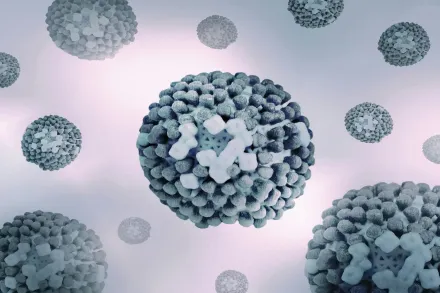
Immunotherapy has emerged as a transformative approach in oncology, offering a way to harness the body's own defenses to recognize and attack cancer cells. Historically, cancer treatment relied on surgery, radiation, and chemotherapy, which often target both malignant and healthy cells with significant toxicity. Immunotherapy shifts the focus from directly killing cancer cells to empowering the immune system to perform surveillance, mount a targeted assault, and potentially sustain a memory of cancerous changes to prevent relapse. This article ...

Radiation therapy stands as one of the oldest and most versatile treatments used in cancer care. In children, its role is both protective and curative, aiming to eradicate tumor cells while preserving growth, development, and organ function as much as possible. The pediatric patient presents unique challenges compared to adults because the tissues are still growing and organs are maturing, and the long horizon ahead makes late effects a central consideration in any treatment plan. This article explores how radiation therapy works in pediatric o...

Magnesium is a foundational mineral in human biology, a participant in hundreds of enzymatic reactions that underlie energy production, macronutrient metabolism, and the maintenance of cellular homeostasis. It is present in every organ system, with particular importance in the muscles, nerves, bones, heart, and kidneys. The body does not manufacture magnesium, so it must be absorbed from the foods we eat or from carefully chosen supplements when dietary intake is inadequate. In the realm of nutrition, magnesium stands out not merely as a static...

Aromatherapy, as a practice that uses volatile plant extracts to influence mood, physiology, and behavior, sits at an intersection of tradition and science that continues to evolve with new research and practical experience. At its core, aromatherapy engages the sense of smell, a direct pathway to the brain that can alter autonomic processes, emotional state, and cortical activity. When someone enters a restful state after a long day, the careful introduction of botanical scents can act as a cue that signals the brain to transition from wakeful...