Iron is a trace element that influences many biochemical pathways, and among its most critical roles is participation in the immune response. The body keeps tight control over iron to balance the needs of immune cells against the risks of pathogens that may exploit iron for growth. A nuanced view of iron in immunity recognizes that both deficiency and excess can alter susceptibility to infections, inflammation, and recovery dynamics. In healthy individuals, iron supports the development and function of certain white blood cells, the production ...

Breast cancer is a condition that often begins long before it is felt or seen by most people. The early signs can be subtle, and some people may experience changes that seem minor at first glance. Yet when these changes are identified promptly, the window of opportunity for effective treatment expands significantly. Early detection can translate into smaller tumors, fewer surgical complications, and options that preserve more normal tissue. It also tends to correlate with better overall survival rates and less intensive therapy in many cases. U...

In the quiet moments before sleep the mind can become a crowded space filled with worries, to do lists that refuse to fade, and sensations of restlessness that keep the body slightly on alert. Anxiety at night is a common experience, and it often arises from a mixture of lingering concerns from the day, residual stress stored in muscles and nerves, and the natural shift from daytime activity toward the stillness of darkness. The goal of natural strategies is not to force sleep but to support the nervous system in unwinding gradually, so that th...

Obesity is more than a simple measure of body weight; it represents a complex state of metabolic alteration that interacts with nearly every system in the body. When the body carries excess fat, especially around the abdomen, inflammatory processes intensify, hormone signaling shifts, and the cardiovascular system adapts in ways that can set the stage for a stroke. A stroke occurs when blood flow to part of the brain is abruptly interrupted or reduced, depriving brain cells of oxygen and nutrients and triggering a cascade of cellular damage. Th...

Vitamin C, scientifically known as ascorbic acid in its pure form and as a family of related compounds in its stabilized derivatives, is celebrated in modern skincare for its multifaceted benefits that address several common concerns at once. As a potent antioxidant, it helps to neutralize reactive oxygen species generated by daily exposure to ultraviolet light, pollution, and stress. This antioxidant action supports the skin's resilience and can reduce the visible impact of environmental aggressors over time. Beyond protection, vitamin C serve...

Eczema is a broad term used to describe a family of skin conditions characterized by itching, redness, and ongoing changes in the texture and color of the skin. While many people occasionally experience dry patches, eczema tends to appear repeatedly, sometimes in cycles that ebb and flow with seasons, stress, and exposure to triggers. The impact of eczema can extend beyond the visible rash, affecting sleep, daily activities, self esteem, and social interactions. With a clear understanding of the underlying factors and a consistent approach to s...

Stress is a pervasive companion in contemporary life, shaping daily choices and influencing physical wellbeing. Acupressure offers a tactile approach that taps into a long tradition of traditional medicine, using the fingertips to apply sustained, gentle pressure to specific points along meridians or energy channels. Through careful touch, breathing alignment, and mindful attention, acupressure seeks to restore balance within the body's systems and invite a calmer, more centered state of being. This article explores how such touch-based work ca...
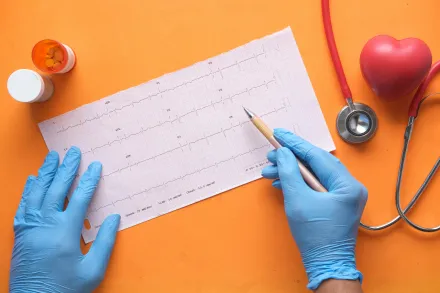
Regular health check-ups stand as a cornerstone of modern preventive medicine, offering a structured way to monitor bodily functions, detect conditions before they manifest with noticeable symptoms, and reinforce the habits that sustain long term well being. In a world where illness often reveals itself only after it has progressed, routine visits to a health professional create a safety net that catches warning signs early, when they are most treatable. The value of these check-ups extends beyond the absence of disease; they provide a tangible...
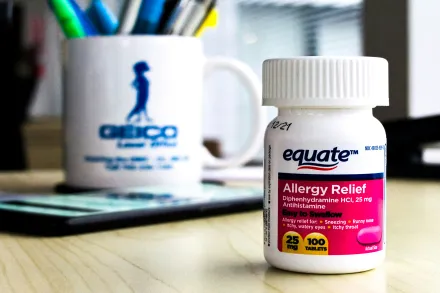
Histamine is a natural chemical that acts as a messenger inside the immune system, and it plays a central role in many allergic reactions. When the body encounters an allergen such as pollen, pet dander, dust mites, or certain foods, immune cells release histamine from storage sites into nearby tissues and the bloodstream. This release sets off a chain reaction that promotes inflammation and triggers symptoms that many people recognize as allergy flares. The effects of histamine depend on the receptors it binds to, with the H1 receptor being a ...

Injuries during workouts rarely happen by chance alone; they emerge when there is a mismatch between ambition and preparation, when the body is asked to perform tasks beyond its current capacity, or when warning signals are ignored. A proactive approach begins with a mindset that values durability as much as performance. This means recognizing that consistency over time requires sustainable habits, paying attention to fatigue, and treating pain as a cue rather than a nuisance to be brushed aside. Athletes and everyday exercisers alike benefit f...