Pores are a natural feature of the skin that perform essential functions, yet their appearance can be a source of concern for many people seeking a smoother, more refined complexion. The goal of pore minimization is not to erase pores or promises of perfection, but to reduce their visibility through thoughtful routines, gentle care, and smart product choices. Achieving this balance involves understanding the biology of pores, the role of oil production, hydration, and elasticity, and how environmental factors interact with skin. When pores look...


Mental fatigue is a form of exhaustion that affects attention, memory, decision making, and the ability to regulate emotions. It is not solely a matter of feeling sleepy or tired after a long day; it arises when the brain has been required to sustain effort for extended periods without sufficient recovery. In practical terms, mental fatigue reduces signal quality in cognitive processing, making simple tasks seem heavy and complex decisions appear delayed or imprecise. This kind of fatigue can accumulate through repeated task switching, sustaine...
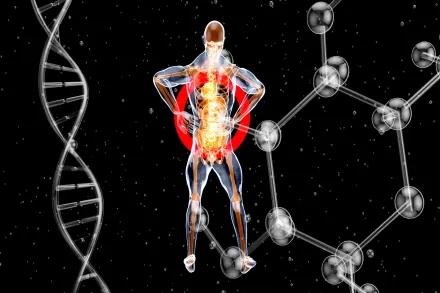
Arthritis represents a broad spectrum of joint disorders characterized by pain, stiffness, swelling, and often a progressive loss of mobility. Among the most common forms are osteoarthritis, which arises from wear and tear and mechanical stress leading to cartilage breakdown; rheumatoid arthritis, an autoimmune disease where the immune system attacks joint tissues; and a variety of other inflammatory or metabolic arthritis conditions. The impact on daily life can be substantial, limiting activities, work, and social participation, while traditi...

In the modern work environment emotional resilience is the capacity to adapt to stress, recover from setbacks, and stay engaged with tasks and relationships even in the face of pressure. It is not a fixed trait but a dynamic skill set that can be cultivated through daily practice and deliberate choice. People who cultivate resilience are able to acknowledge difficult emotions without being overwhelmed by them, they maintain curiosity about the situation, and they choose actions that protect both their own well being and the organization’s goals...
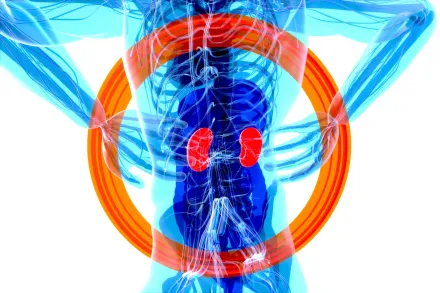
Chronic kidney disease, often abbreviated as CKD, describes a gradual loss of kidney function over time. Progression in this context refers to the pace and pattern by which the kidneys lose filtration capacity, evidenced by a sustained decline in the estimated glomerular filtration rate and by the accumulation of waste products that the kidneys would normally clear. The concept of progression is not a single linear path; it can be irregular, with periods of relative stability interrupted by episodes of faster decline. Clinically meaningful prog...

Stroke remains a leading cause of long term disability and, in many cases, premature death. It occurs when blood flow to part of the brain is interrupted, either by a blockage in an artery or by bleeding within the brain. The consequences can be profound, affecting movement, speech, memory, and independence. While some risk factors are inherited or linked to aging, a great deal of stroke prevention lies within everyday choices. By adopting deliberate lifestyle changes, individuals can significantly lower their risk and improve overall cardiovas...

Digestive enzymes are the biological catalysts that enable the body to break down the food we eat into usable nutrients. They include a range of enzymes produced by the pancreas, stomach, liver, and small intestine, each specialized to act on different types of molecules. Amylase, protease, and lipase are among the most well known enzymes that begin the process of digestion in the mouth and continue their work in the stomach and small intestine. Beyond those, the body produces a variety of enzymes that assist in carbohydrate breakdown, protein ...
Stroke remains a major global health challenge, impacting millions of individuals each year and leaving lasting consequences for survivors, families, and healthcare systems. In this context, artificial intelligence emerges as a powerful tool to augment traditional clinical judgment by uncovering intricate patterns within diverse data sources. AI systems can integrate longitudinal electronic health records, laboratory results, imaging findings, environmental factors, and even wearable sensor signals to generate personalized estimates of stroke r...

To appreciate the ways you can naturally strengthen your immune system, it helps to start with a clear picture of what immunity actually is. The immune system is a complex network of cells, tissues, and organs that work together to defend the body against harmful invaders such as viruses, bacteria, and toxins. At its core lie two broad lines of defense: the innate immune system, which provides immediate but nonspecific protection, and the adaptive immune system, which learns from past exposures to mount targeted responses. The innate system rel...

Living with COPD presents a continuous balance between managing symptoms and preserving the ability to participate in daily life, and breathing exercises offer a foundational tool in that balance. These exercises are not a magic cure, but they empower individuals to influence how air moves in and out of the lungs, ease the effort of breathing, and improve overall stamina. By training the muscles involved in respiration, coordinating breath with movement, and learning gentle strategies to clear mucus, many people with COPD experience a reduction...