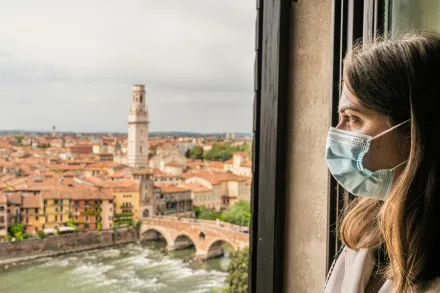
Understanding the immune system and how travel can challenge it
The immune system is a complex network of cells, tissues, and organs that work together to defend the body against microbes, toxins, and stressors. When you travel, a combination of factors can perturb this delicate balance. Changes in routine, sleep disruption from jet lag, and the stress that often accompanies moving from one environment to another can temporarily lower immune efficiency. Add to that exposure to new pathogens in different climates, shifts in diet, and the dry air commonly found on airplanes and in hotel rooms, and you begin to see why travelers may feel more susceptible to seasonal illnesses, stomach upset, or sudden colds. A clear understanding of these dynamics helps frame practical strategies that are not fear-based but rather about maintaining consistent baseline immune function while on the move.
Pre travel assessment and medical readiness
Before you set out, a thoughtful assessment with a healthcare professional can set a solid foundation. This involves ensuring routine vaccinations are up to date, reviewing any chronic conditions that might influence immune readiness, and discussing medications that could interact with travel plans. If you have chronic illnesses such as diabetes, asthma, or autoimmune conditions, securing an action plan with your clinician is prudent. In addition, carrying an extra supply of any essential medications, a simple medical history card, and a list of active allergies can reduce stress should travel require urgent care in a foreign city. Preparing in advance helps your body face travel-related challenges with greater resilience.
Vaccinations and medications: planning for protection
Vaccinations form a cornerstone of immune protection when encountering unfamiliar environments. Depending on your destination, you may benefit from vaccines for influenza, traveler's diarrhea pathogens, hepatitis A or B, typhoid, or other region-specific illnesses. Consulting a travel medicine specialist can tailor advice to your itinerary and health status. In addition to vaccines, carry a small supply of medications that can address common travel ailments, such as antiemetics for motion sickness, antidiarrheals for mild gut upset, and fever reducers. Always use medications as directed and avoid untested remedies. A cautious approach to supplements is wise; some products claim immune boosts but lack robust evidence or interact with prescription drugs, so discuss any new supplements with a professional before packing them for the journey.
Hygiene practices and infection prevention in transit
In airports, on airplanes, trains, and buses, hand hygiene is a practical shield. Frequent handwashing with soap for at least twenty seconds, or using an alcohol-based hand sanitizer when soap and water aren’t readily available, reduces the transfer of microbes. Avoid touching the face, especially the eyes, nose, and mouth, after handling surfaces in crowded spaces. Practice respiratory etiquette by covering coughs and sneezes with a tissue or the inside of the elbow. Carry compact sanitizing wipes to clean high-touch surfaces in hotel rooms and rental accommodations. While masks may not be mandatory everywhere, wearing a well-fitted mask in crowded or enclosed spaces during certain seasons or outbreaks can provide an additional layer of protection for you and for others around you. These routines help maintain immune stability by reducing the burden of avoidable exposures.
Sleep, circadian rhythm, and jet lag management
Sleep is a powerful modulator of immune function. Travel often disrupts sleep through time zone changes, unfamiliar sleeping environments, and altered routines. Prioritizing consistent sleep patterns as much as possible, even across time zones, gives the immune system a steadier footing. If you are crossing multiple zones, consider strategies such as adjusting your sleep schedule a few days before departure, seeking natural light exposure to help reset your internal clock, staying hydrated, and limiting alcohol and heavy meals close to bedtime. Creating a comfortable sleep environment at your destination—darkened rooms, a moderate temperature, and minimal noise—supports restorative sleep, reduces stress hormones, and helps immune cells function more effectively when you wake. By preserving sleep quality, you add resilience to the body’s defenses during travel days that demand physical and mental stamina.
Nutrition, gut health, and immune fueling on the road
Nutrition plays a central role in maintaining immune readiness. A balanced intake of fruits, vegetables, lean proteins, whole grains, and healthy fats supplies micronutrients and antioxidants that support immune cell function. Traveling can disrupt regular eating patterns, so it is useful to plan meals that emphasize nutrient-dense options while remaining practical for airports, hotels, and street vendors. Prioritize hydration with water or electrolyte-enhanced beverages, especially in dry cabin air or hot climates, to maintain mucosal barriers that deter pathogens. Probiotic-rich foods or supplements may support gut health, which in turn interacts with immune responses, though individuals should consider personal tolerance and doctor recommendations. Long travel days often tempt comfort foods; choosing nutrient-dense choices rather than heavy, greasy items helps sustain energy and immune function over time.
Hydration and water safety in unfamiliar environments
Hydration is often overlooked but is essential for a robust immune response. Dehydration can concentrate toxins and make mucous membranes drier, reducing their protective capabilities. Carry a reliable bottle and plan for regular drinking intervals, even when you are not thirsty. In destinations with uncertain water quality, use bottled or filtered water for drinking and brushing teeth, and avoid ice that might be made with questionable water. Hydration isn’t only about water; including beverages with electrolytes in hot climates or during long flights helps maintain the balance of minerals that support cellular functions. Adequate hydration supports the transport of immune cells through the body and helps maintain mucosal defenses that act as barriers to infection.
Physical activity and movement while traveling
Movement supports circulation and helps keep muscles engaged, which can influence immune surveillance and inflammatory responses. When schedules permit, incorporate light activity such as walking tours, stretches in your hotel room, or short workouts in gym spaces. Regular movement can reduce stress, improve sleep, and enhance overall well-being, all of which feed into stronger immune function. Even during long transit times, brief periods of standing, gentle stretching, and optimizing seating posture can reduce fatigue and circulation issues that indirectly affect immune readiness. The objective is not intense exertion on travel days but consistent, body-friendly activity that complements rest and nutrition.
Stress management and emotional well-being on the move
Travel stress is real, and chronic stress can blunt immune responses. Practices that support emotional well-being—mindful breathing, short moments of quiet, or engaging in comforting routines—help modulate stress hormones that may interfere with immune function. Simple techniques such as a few minutes of deep breathing, progressive muscle relaxation, or listening to calming music can be incorporated into travel days between flights or during layovers. Fostering social connections and maintaining a sense of control over your plans also reduces anxiety and supports resilience. Treat self-care not as a luxury but as a core part of staying healthy while exploring new places.
Destination readiness: environmental exposures and microclimates
Different climates expose travelers to varying environmental stressors, from dry air in deserts to high humidity in tropical areas. Temperature fluctuations, air quality, pollen loads, and allergens can influence respiratory tolerances and nasal defenses. Preparing for these exposures means packing appropriate layers for temperature shifts, a simple nasal saline spray to keep mucous membranes moist in dry air, and considering air quality considerations if you have sensitivities or pre-existing conditions. If you suffer from seasonal allergies, plan medications and preventive strategies ahead of time. Being attuned to your environment allows you to adapt more gracefully, safeguarding immune defenses that are particularly vigilant when the body is trying to adapt to new surroundings.
Personal gear and packing strategies that support immune health
Smart packing reduces the friction of travel and helps you maintain healthy routines. A compact kit may include a thermometer for self-monitoring, a basic first aid set, a supply of masks if needed, sanitizer, and motion-sickness aids. Packing a durable water bottle with a built-in filter can increase confidence in safe hydration when bottled water is not readily available. A compact pillow and eye mask can improve sleep quality in transit, while comfortable footwear supports mobility and reduces fatigue. Thoughtful packing also involves selecting a versatile wardrobe that allows comfort without sacrificing hygiene practices. By prioritizing practical gear, you reduce the likelihood of fatigue and discomfort that can indirectly undermine immune defenses during travel.
Public spaces, accommodation, and infection risk minimization
Hotels, hostels, and rental properties vary in cleanliness standards. Before arrival, review recent guest reviews that mention cleanliness, ventilation, and service quality. Upon check-in, inspect the room for dust, mold, and moisture, and request a different room if you notice signs of poor ventilation. Use surface cleaning wipes on frequently touched areas such as door handles, light switches, and remote controls. Ensure good ventilation by opening windows when feasible or using air purifiers in enclosed spaces. When dining out, favor establishments that demonstrate good hygiene practices, and when possible, choose cooked foods over raw dishes to minimize gastrointestinal risk. These precautions help preserve immune resilience by limiting exposure to potential irritants and pathogens in new environments.
Managing illness while still traveling
If illness arises during travel, prioritizing containment and rest can prevent complications and help you recover more quickly. Isolate yourself from others when possible if you have contagious symptoms, wear a mask if you have a respiratory infection, and stay hydrated with fluids that are easy on the stomach. Seek medical advice if symptoms worsen or fail to improve after a short period, and maintain a plan for medications that you might need while away from home. Having travel insurance, a list of local clinics or hospitals, and a plan for transportation to care facilities can reduce anxiety and facilitate timely treatment. Even while managing a mild illness on the road, continuing basic immune-supportive routines such as hydration, nutrition, and sleep remains valuable to shorten the duration and severity of symptoms.
Special considerations for families and older travelers
Families traveling with young children or elderly adults face unique immune-related concerns. Children often experience higher exposure to germs in schools or crowded play areas, so reinforcing hand hygiene, safe food choices, and vaccination status for all family members is particularly important. For older travelers, underlying health conditions may require closer monitoring and adjustments in activity levels. Ensure that medications are accessible, that medical devices or assistive devices are carried as needed, and that a trusted caregiver or companion is available if required. At destinations with limited healthcare infrastructure, having a clear plan for accessing care, understanding insurance coverage, and knowing local emergency numbers provides peace of mind and contributes to safer, more comfortable travel experiences for the whole family.
Post-travel care and reentry to routine life
After returning from travel, it is important to ease back into your regular routines with attention to sleep, meals, and physical activity. Hydration remains important as your body readjusts to local climates and schedules. If you experienced any illness during travel, consider a short period of rest at home before resuming strenuous work or school commitments. Reestablishing consistent morning and evening routines can help regulate circadian rhythms and immune responsiveness. A gentle reintegration into daily life—supported by balanced meals, adequate fluids, and continued good hygiene practices—helps your body consolidate the immune gains built during travel and reduces the risk of lingering discomfort after long journeys.
Constructing a personal travel immune resilience plan
Developing a tailored plan combines everything described into a coherent approach that fits your health status, itinerary, and preferences. Start by documenting your destination climates, potential exposure risks, and any medical considerations. Build a pre-travel checklist that includes vaccines, medication refills, and a small health kit. Establish daily habits that emphasize hydration, balanced meals, sleep, and movement, even on busy days. Consider routines such as a morning stretch, a short walk to a local market, and a light evening relaxation practice to support sleep. Keep a flexible mindset, recognizing that travel environments can be unpredictable, and adjust your plan as needed to maintain immune health. By treating immune protection as an integrated practice rather than a single action, you can stay healthier, feel more energetic, and enjoy your adventures with greater confidence.