Understanding free radicals and oxidative stress
Every living cell is surrounded by a bustling environment where molecules constantly interact, exchange energy, and sometimes collide in ways that generate reactive species. Free radicals are unstable molecules or atoms that have unpaired electrons, which makes them eager to pair up with other electrons. In many cases these reactive species are in fact normal byproducts of metabolism, including certain forms of oxygen such as superoxide and hydroxyl radical, as well as nitrogen containing species that arise under stress. This natural chemistry is not inherently dangerous; it becomes a concern when these reactive entities accumulate faster than the system can neutralize them or repair the damage they cause. In such situations, a state known as oxidative stress can arise, and it can influence lipids, proteins, and DNA, potentially impairing cellular function, signaling pathways, and tissue integrity. The balance between the production of reactive species and the capacity of protective mechanisms to neutralize them determines the overall health of cells and tissues. Within this balance, antioxidants act as vigilant guardians, seeking to intercept radicals before they can initiate chain reactions that propagate damage through membranes, enzymes, and genetic material. The concept of antioxidant defense is not a single ingredient but a coordinated system that includes both endogenous defenses produced by the body and dietary partners that come from the foods we eat. In this broad sense, antioxidants function as a diversified toolkit that reduces harm by scavenging radicals, repairing damaged molecules, and maintaining the redox state that supports normal cellular processes. When free radicals are kept in check, cells retain membrane integrity, signaling networks remain properly modulated, and the risk of long term injury from cumulative molecular damage is reduced. In contrast, when oxidative stress persists, cells can experience lipid peroxidation that disrupts membranes, protein oxidation that alters enzyme activity, and DNA lesions that raise the chances of mutations. The dynamic interplay between radicals and antioxidants is a central theme in nutrition science, cell biology, and medicine, and it informs everyday choices about diet, lifestyle, and strategies for healthy aging.
The role of antioxidants in neutralizing radicals
Antioxidants are molecules capable of neutralizing reactive species by donating electrons, hydrogen atoms, or by stabilizing radical intermediates. This action terminates chain reactions that would otherwise continue to damage lipids and proteins, slow down cell signaling, and disturb genetic material. The elegance of antioxidant defense lies in its diversity: some antioxidants act directly as radical scavengers, while others support the activity of enzymes that catalyze the breakdown of reactive species. In many cases the same molecule can perform multiple roles depending on the cellular context and the presence of metal catalysts that can either promote or inhibit radical formation. A key idea is that antioxidants do not simply erase radicals with a single swipe; rather they participate in a controlled redox balance that preserves essential signaling and metabolic processes while preventing harmful overaccumulation of damaging species. In addition to neutralizing radicals, certain antioxidants help repair damaged biomolecules and reconstitute other antioxidant systems, creating a network of protection that enhances resilience against stress. The interplay among different antioxidants matters because some compounds can regenerate others after they have donated an electron or a hydrogen atom, ensuring a sustainable shield in tissues that face ongoing challenges from environmental exposures, physical activity, and aging. When individuals consume a variety of antioxidant rich foods, they support this network in a way that is greater than the sum of single nutrients, reflecting the complexity of real life where multiple compounds work together in concert. Even small, consistent contributions from a plant based diet can strengthen the body’s capacity to quench reactive species, thereby preserving cellular function and promoting long term health.
Chemical mechanisms that enable scavenging of reactive species
The chemistry of scavenging free radicals hinges on redox reactions where antioxidants donate electrons or hydrogen atoms to radical species. A family of chain breaking antioxidants can intercept lipid radicals that form during lipid peroxidation in membranes, thereby halting the propagation of damage across the lipid bilayer. In this context vitamin E, a fat soluble molecule, often localizes within membranes where it can efficiently donate an electron to lipid radicals, transforming the unstable radical into a more stable product while forming a relatively unreactive radical itself that is stabilized by its environment. The process is not static; after the initial donation, the vitamin E radical can be regenerated by other antioxidants such as vitamin C, creating a cascade of redox recycling that sustains protection with relatively low dietary input. Water soluble antioxidants, such as vitamin C, act in the aqueous compartments of cells, plasma, and extracellular spaces. They can directly neutralize reactive species like singlet oxygen and various peroxyl radicals, and they also play a pivotal role in regenerating lipid soluble antioxidants, restoring their protective capacity. Carotenoids, including beta carotene and related compounds, are excellent quenchers of singlet oxygen and can scavenge other reactive species, contributing to the protection of cellular components from oxidative injury. Polyphenols, a broad class of plant derived compounds, support the antioxidant network by several means: they can scavenge radicals directly, chelate catalytic metal ions that drive radical formation, modulate cellular signaling related to antioxidant defenses, and influence gene expression associated with redox balance. The cumulative effect is a robust system in which diverse chemical strategies converge to reduce oxidative damage and stabilize cellular homeostasis. It is important to remember that the performance of any single antioxidant is influenced by concentration, distribution in tissues, and interactions with other molecules, so its real world impact emerges from the collective behavior of a well stocked antioxidant toolkit rather than any isolated action.
Endogenous defense systems within the body
Beyond dietary compounds, the body maintains an intrinsic set of defenses designed to manage reactive species. Enzymatic antioxidants play a central role in transforming reactive molecules into less harmful forms. Superoxide dismutase converts the superoxide radical into hydrogen peroxide, which is then broken down by catalase and glutathione peroxidase through a series of redox reactions that convert reactive oxygen species into water and oxygen. Glutathione, a tripeptide synthesized within cells, acts as a major non enzymatic antioxidant and participates in detoxification reactions as well as the maintenance of the intracellular redox state. This internal network functions in partnership with repair enzymes that recognize and mend oxidative damage to DNA, proteins, and lipids. The interplay between these enzymes ensures that reactive species do not accumulate to levels that overwhelm cellular defenses. The endogenous system is complemented by metal binding proteins that limit free metal ions such as iron and copper, which can catalyze the formation of highly reactive radicals under certain conditions. The capacity of this internal defense is shaped by genetics, age, health status, and exposure to environmental stressors, so maintaining a balanced lifestyle supports these natural guardians in their ongoing mission to preserve cellular integrity. In combination with dietary antioxidants, the body's own defenses create a layered barrier against oxidative injury that supports healthy aging and disease resistance.
Dietary antioxidants and common sources
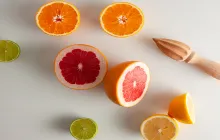
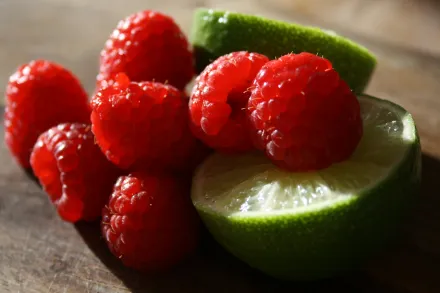
Human diets can provide substantial antioxidant support through a wide array of fruits, vegetables, grains, nuts, seeds, and beverages. Vitamin C, abundant in citrus fruits, berries, peppers, and leafy greens, offers a potent water soluble line of defense capable of neutralizing various reactive species and regenerating other antioxidants in situ. Vitamin E, found in vegetable oils, nuts, seeds, and some fortified foods, anchors protection within lipid rich membranes where oxidation tends to be most damaging. Carotenoids including beta carotene, lycopene, and lutein contribute to light absorption and radical quenching, with rich sources in colorful fruits and vegetables. Polyphenols such as flavonoids, phenolic acids, and stilbenes are widespread in tea, coffee, cocoa, red wine, grapes, apples, onions, and many herbs and spices. These compounds not only directly scavenge radicals but also modulate cellular signaling pathways that govern antioxidant defenses, inflammation, and metabolism. It is common to hear claims that certain foods are “super antioxidants”; in practice, health arises from a diverse pattern of intake rather than reliance on a single nutrient. Moreover, many foods provide multiple antioxidant compounds that can work synergistically, reinforcing the buffer against oxidative stress. The dietary pattern that optimizes antioxidant status typically emphasizes a broad spectrum of colorful plant foods, minimizes processed items that are energy dense but nutrient sparse, and incorporates variety in preparation methods to unlock different protective compounds. Maintaining steady intake across different seasons helps sustain the antioxidant network across tissues and life stages, supporting long term health and resilience against stressors.
How antioxidants preserve cellular structures and signals
Cell membranes rely on lipids that can be vulnerable to attack by radicals, which in turn disrupts permeability, receptor function, and energy production. By interrupting the chain reactions that propagate lipid peroxidation, antioxidants preserve membrane integrity, ensuring that nutrients and signaling molecules continue to traverse protective barriers. Within the cytoplasm and organelles, proteins can be damaged by oxidative modifications that alter shape and function. Antioxidants help prevent improper folding, cross linking, and loss of enzymatic activity, which preserves metabolic flows and prevents the emergence of dysfunctional proteins. Nucleic acids face the risk of mutations caused by radicals that attack bases or the sugar backbone. While DNA repair mechanisms exist, oxidative lesions increase the burden on these systems and can contribute to aging or disease when the repair capacity is overwhelmed. Antioxidants minimize the initial instances of such damage, reducing the burden on repair processes. In addition to direct scavenging, antioxidants influence redox signaling, a set of controlled chemical messages that rely on transient changes in oxidation state to regulate gene expression, enzyme activity, and protein interactions. A balanced redox environment supports normal development, immune function, and adaptation to stress, whereas excessive eccentric oxidation can tip the scale toward cellular dysfunction. The subtlety of these interactions explains why antioxidants are not merely chemical foot soldiers; they are integral partners in maintaining the harmony required for healthful physiology.
Antioxidants and aging: complex relationships and realistic expectations
As organisms age, cumulative oxidative damage has been hypothesized to contribute to functional decline across tissues. Antioxidants have therefore attracted attention as potential modifiers of aging processes and age related diseases. However, the relationship is complex and not simply linear. While robust antioxidant defenses can help maintain cellular integrity, aging is influenced by many factors including genetics, metabolic rate, exposure to toxins, and lifestyle. Some interventions that increase antioxidant intake through diet are associated with better outcomes in observational studies, yet results from controlled trials of high dose supplements for specific diseases have sometimes been inconsistent or even negative. This nuance emphasizes that antioxidants are part of a broader system in which diet, physical activity, sleep, stress management, and environmental exposures interact to shape health trajectories. The goal is not to chase the most potent single antioxidant but to support a balanced redox system that operates within a healthy physiological range. Understanding this complexity helps temper expectations and guides practical choices that promote resilience without oversimplification.
Biomarkers, redox balance, and personalized nutrition considerations
Scientists measure signals of redox status in people to understand how antioxidants are functioning in real life. Biomarkers such as lipid peroxidation products, oxidized DNA bases, and antioxidant enzyme activity provide snapshots of the balance between radicals and defenses. However, these measures can vary with age, health status, diet, and recent exposures, so they are not one size fits all. The idea of personalized nutrition recognizes that people differ in their capacity to metabolize nutrients, absorb plant compounds, and express antioxidant enzymes. Tailoring dietary patterns to individual needs, preferences, and medical conditions can help optimize antioxidant status while avoiding unnecessary supplementation. For example, certain medical conditions or medications can influence how antioxidants are absorbed and utilized, underscoring the importance of a holistic approach to nutrition that considers medications, timing of intake, and overall dietary pattern. Embracing a lifestyle that prioritizes whole foods, variety, and moderation, while remaining mindful of scientific nuance, supports an effective antioxidant strategy that respects individuality and real-world living.
The synergy of a varied diet: moving beyond single nutrients
In practice, the most reliable antioxidant protection emerges from a dietary pattern rich in plant based foods rather than from isolated supplements. Foods provide a constellation of compounds that interact in diverse ways, enabling multiple protective mechanisms to function together. The synergy between water soluble and fat soluble antioxidants enhances scavenging capacity, while phytochemicals can influence enzyme activity and gene expression in a manner that amplifies the body’s own defenses. A diverse array of colors in the diet often signals a broad spectrum of protective compounds, each with unique molecular targets. Culinary practices such as gentle cooking can preserve heat sensitive nutrients, while some preparation methods may release bound antioxidants or increase bioavailability. The practical takeaway is straightforward: eat a colorful, varied diet, prioritize minimally processed staples, and maintain regular meals that supply steady doses of protective compounds across different tissues. This approach supports a resilient antioxidant network that adapts to daily fluctuations in stress and activity, contributing to sustained health over time.
Common myths and realistic expectations about supplementation
Several popular beliefs about antioxidants have persisted despite mixed evidence. The notion that megadoses of a single nutrient will dramatically enhance health or prevent disease has repeatedly been challenged by clinical trials, which have shown limited benefit and, in some cases, potential harm from high-dose supplementation. Some supplements can interact with medications or alter nutrient balance, underscoring the importance of medical guidance when considering supplements. Another misconception is that natural equals risk free; while many foods offer protective compounds, excessive intake of certain antioxidants can disrupt normal cellular signaling or antioxidant balance. It is essential to appreciate that antioxidants are most effective as part of a comprehensive lifestyle that includes a balanced diet, physical activity, and avoidance of harmful exposures. Realistic expectations recognize that antioxidants contribute to health as part of a broader system and are not a substitute for a healthy life strategy or medical treatment when needed.
Practical guidelines to maximize antioxidant protection through daily life
The practical path to stronger antioxidant protection begins with everyday choices that emphasize fresh plant based foods, whole grains, lean proteins, and healthy fats. Regular consumption of a wide variety of fruits and vegetables contributes multiple antioxidants and phytochemicals that work together with endogenous defenses. Incorporating nuts and seeds adds vitamin E and other protective compounds, while whole grains provide additional micronutrients and fiber that support metabolic health. Hydration, moderate sun exposure, physical activity, and sleep quality collectively influence oxidative stress levels and recovery, highlighting that antioxidant defense is intertwined with overall lifestyle. Food preparation matters; for example, light cooking can preserve sensitive vitamins while still releasing beneficial antioxidants from plant matrices. Mindful eating patterns, such as including a vegetable or fruit at each meal, can sustain a steady supply of protective compounds and their regeneration partners. Over time, this approach supports a robust antioxidant network and contributes to healthier aging, better immune function, and greater resilience in the face of daily challenges. Importantly, the emphasis remains on food first, with supplementation reserved for specific medical circumstances under professional guidance.
How environmental factors influence oxidative balance and antioxidant needs
Environmental exposures such as pollution, tobacco smoke, UV radiation, and occupational hazards can raise the production of reactive species, challenging the body’s defense system. In urban settings, diet may help offset some of this burden by supplying a broad spectrum of antioxidants that quench radicals formed by pollutants. Sun exposure increases the generation of reactive species in the skin, where vigilance from protective compounds can slow photoaging and tissue damage. Physical exercise, while excellent for cardiovascular health, can transiently raise oxidative stress during intense activity; however, the body adapts with repeated training to produce stronger endogenous defenses and more efficient repair mechanisms. This nuanced interaction means that antioxidant status is dynamic, shifting with lifestyle, environmental conditions, and individual physiology. A balanced approach that respects both exposure risks and protective strategies tends to yield the most reliable improvements in redox health over time.
Antioxidants in health and disease: nuanced perspectives
Antioxidants are relevant to a wide range of health outcomes, yet their role is not a universal remedy for all ailments. In cardiovascular health, certain antioxidants appear to contribute to reduced oxidative damage to lipids and improved endothelial function, particularly when embedded in a nutrient rich dietary pattern. In cancer risk reduction, scientists recognize the potential for antioxidants to mitigate DNA damage, but clinical results have been mixed and sometimes show that high dose supplements do not consistently reduce risk and may interact with conventional therapies. In neurodegenerative diseases, oxidative stress is a common feature, and antioxidant strategies are explored as potential supportive measures to preserve neuronal function. Nevertheless, the heterogeneity of diseases, individual differences, and the complexity of redox biology mean that antioxidants are best viewed as components of a broader strategy that includes lifestyle choices, early detection, and evidence based medical care. This balanced view helps prevent overstated claims while acknowledging meaningful benefits that can accrue from everyday dietary patterns.
Future directions: research, microbiome, and personalized redox biology
Emerging research explores the interplay between antioxidants and the gut microbiome, recognizing that microbial communities can transform dietary compounds into bioactive metabolites with systemic effects. This line of inquiry highlights the possibility that individual differences in microbiota composition could influence how people respond to antioxidant rich diets or specific phytochemicals. Scientists are also examining how lifestyle interventions shape redox biology at the level of gene expression and protein function, revealing that antioxidants can influence cellular signaling pathways beyond simple radical scavenging. New antioxidants and delivery strategies, including targeted formulations and food matrix interactions, hold promise for enhancing bioavailability and tissue distribution. As researchers map the complexities of redox networks in health and disease, the goal remains to translate findings into practical guidance that improves quality of life without oversimplifying the science. The evolving picture underscores the importance of evidence informed choices, patience in translating laboratory results to real world benefits, and a continual emphasis on a varied, plant rich dietary pattern as a reliable foundation for oxidative balance.