Winter brings a unique set of challenges for the skin, and understanding the interplay between cold air, dry indoor climates, and personal care routines can make a substantial difference. In many regions, the drop in humidity outside meets the heat of indoor environments, creating a paradox where the skin loses moisture both through exposure and through the air that surrounds us. This combination can lead to tightness, flaking, redness, and sensitivity that disrupt daily comfort and even the overall appearance. The goal of winter skincare is no...


Fats have long been misunderstood in popular dieting culture, often demonized or oversimplified as a simple source of excess calories. In truth, fats are a diverse family of molecules that perform essential functions in every cell of the body. They provide a concentrated supply of energy, help absorb fat-soluble vitamins, support the integrity of cell membranes, and contribute to the production of hormones that regulate metabolism, mood, and immune responses. For many people, including healthy fats in meals increases satisfaction and reduces cr...

In the landscape of modern medicine, targeted therapy represents a shift from broad cytotoxic strategies to precise interventions that aim at the molecular roots of disease. The central idea is to identify vulnerabilities that are unique or highly enriched in malignant cells and to design interventions that exploit those vulnerabilities with minimal disruption to normal tissues. When executed with careful molecular profiling and rigorous clinical monitoring, targeted therapies can reduce the collateral damage that often accompanies traditional ...

Winter brings with it a set of challenges to human health that are both familiar and complex. The cold air itself can influence the way the body handles infections, and the way people live during the season often creates conditions that propagate respiratory illnesses. Experiences from clinics and homes alike reveal that a combination of biological, environmental, and behavioral factors shapes how winter affects the lungs and airways. In this landscape, prevention becomes a multi layer effort that weaves together vaccination, hygiene, interior ...

Fruits and vegetables bring a broad spectrum of color, texture, and flavor to everyday eating, and more importantly they deliver a wealth of nutrients that support energy, immune function, digestion, and overall well being. The practical goal is not simply to add produce on occasion, but to weave fruits and vegetables into the rhythm of daily meals and snacks in a natural and enjoyable way. When produce becomes a regular companion to breakfast, lunch, dinner, and even dessert, it shifts from a separate side dish to a central part of the culinar...

Anxiety can be a relentless intruder in daily life, a tide of worry and physical sensations that seems to rise without warning and recede only after long hours or fleeting moments. For many people, the idea of managing anxiety without medication is not a denial of the reality of their feelings but a practical approach to build resilience, regain a sense of control, and cultivate habits that support mental equilibrium. Understanding that anxiety often arises from a combination of biological predisposition, learned responses, and current life str...

Rejection and disappointment are universal experiences that thread through the fabric of everyday life and long arc ambitions alike. They arrive in small, almost unnoticeable ways when a friend declines a request, when a project is shelved, or when a personal dream meets the stark reality of constraints and timing. They can also arrive on a grand scale, when a relationship ends, when a career path shifts abruptly, or when a deeply held belief is challenged by new evidence. The emotional surge that follows often includes a mix of sadness, confus...

Muscle pain is a common human experience that arises from many sources, including overexertion, repetitive strain, injury, inflammation, tension, and illness. It can manifest as a dull ache, a sharp stab, a burning sensation, or a heavy, fatigued heaviness that seems to settle into the tissue. Massage therapy offers a hands on approach that engages the body's own healing mechanisms, helps regulate nervous system activity, and supports the recovery processes that address both the sensation of pain and the underlying tissue states that produce it...
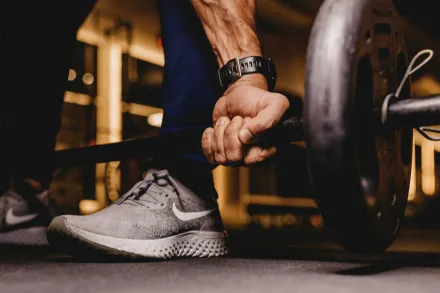
Bodyweight training offers a robust path to strength, endurance, balance, and resilience using nothing more than the human body and gravity. It appeals to people who want flexibility, portability, and sustainability in their fitness routine, whether they live in a small apartment, travel frequently, or simply prefer workouts that require minimal gear. The core appeal lies in the ability to tailor movements to one’s current capacity while scaling up as strength, control, and confidence grow. A well designed plan emphasizes quality of movement, p...

The brain is a highly intricate organ that operates on a delicate balance of nutrients, hydration, and energy flux. When we talk about improving mental performance, we refer not only to sharp focus in the moment but also to lasting cognitive resilience, restored sleep architecture, and mood stability that supports sustained thinking through challenging tasks. Nutrition plays a central role in shaping these processes, influencing neurotransmitter synthesis, cellular signaling, mitochondrial efficiency, and the regenerative capacity of neural tis...