Balance and coordination are fundamental skills that affect nearly every aspect of daily life, from standing upright on a windy day to catching a moving ball with confident hands. They are not just the province of athletes or performers; they are attributes that can be developed and refined by anyone willing to invest time and attention. This article explores the science behind balance and coordination, explains how the body integrates sensory information, and offers a comprehensive, echoed approach to training that can be applied in homes, gym...


Redness-prone skin is a common concern that often reflects a delicate balance between skin physiology and environmental influences. When the skin’s barrier function is compromised, tiny vessels near the surface can become more noticeable, leading to a flushed or burning sensation that can feel both uncomfortable and persistent. Understanding redness as not just a superficial irritation but as a signal from the skin helps in approaching care with patience and precision. This article explores a comprehensive range of strategies, from daily cleans...

The immune system is a complex network of cells, tissues, and organs that work in concert to defend the body against infections, respond to threats, and maintain internal balance. What we eat can influence the efficiency of this system in subtle, meaningful ways. A well chosen diet helps support the normal production of immune cells, provides the energy required for immune processes, and supplies micronutrients that act as cofactors in biochemical pathways critical for defense, repair, and resilience. Understanding the relationship between food...

Curly hair exists as a living, breathing texture that tells a story of movement and moisture. It is shaped by the way the keratin fibers coil and how the cuticle lays over them, creating a surface that can sparkle in the light and yet be vulnerable to frizz and dryness. The journey of caring for curls begins with recognizing that curls are not just small versions of straight hair; they are a different structure with distinct needs. This difference is influenced by porosity, which describes how easily the hair shaft accepts and releases moisture...
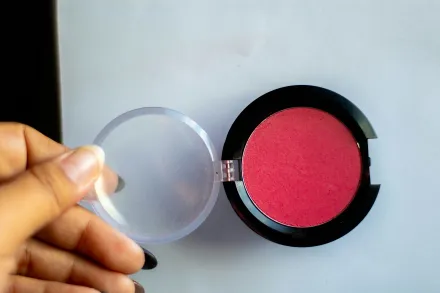
In makeup artistry, blush is more than a decorative splash of color; it is a strategic tool that anchors the complexion, adds warmth, and defines the contours of the face. The proper blush application can transform a tired, flat appearance into a radiant, healthy glow that looks natural in daylight and elegant under studio lighting. The purpose of blush goes beyond merely tinting the cheeks; it creates a sense of vitality, harmonizes with undertones in the skin, and helps the facial features read with balance. When chosen and placed with intent...

Understanding Panic Disorder begins with recognizing that this condition is not simply a momentary surge of fear but a complex, enduring pattern of panic symptoms that can intrude into many areas of a person’s life. In this broader view, panic becomes a recurrent experience that people fear experiencing rather than merely a single episode of distress. It involves repeated, unexpected episodes of intense fear or discomfort, accompanied by physical symptoms that can feel overwhelming and alarming. The experience is often accompanied by a relentle...

Rural communities face a convergence of challenges that hinder timely access to high quality healthcare, including long travel distances, scarcity of specialized clinicians, limited transportation options, and uneven incentives for investment in local facilities. Telehealth has emerged not as a single technology but as an ecosystem of connected services that can bridge distances, reduce wait times, and extend the reach of clinicians who are often stretched by caseloads and geographic isolation. When thoughtfully designed, telehealth respects lo...

In recent years scientists and health professionals have increasingly emphasized the gut as a central hub that links digestion, immunity, mood, and overall well-being. The microbial communities that reside along the digestive tract form complex ecosystems that respond to what we eat, how we move, how we sleep, and how we manage stress. A healthy gut is not about chasing a single food or magical supplement; it is about a consistent pattern of habits that nourish microbial diversity, promote smooth digestion, and support a resilient intestinal li...
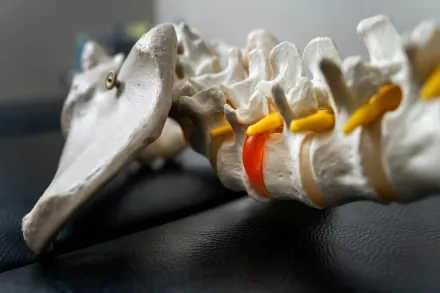
Posture is the living expression of how our bones align, how muscles hold that alignment, and how the nervous system communicates to coordinate movement. The spine acts as the central support column, with curves that help absorb shock and distribute loads evenly. When gravity, habitual positions, or injury disrupt these curves, nearby joints compensate, often leading to tension, restricted range of motion, and a cycle of postural changes that reinforce stiffness. The body favors efficiency, so when the spine becomes misaligned, other regions sw...

In the everyday life of families, infections among children are a common concern that can feel puzzling and overwhelming. Yet many infection-prevention strategies rely on simple, natural approaches that nurture the body's own defenses while reducing exposure to germs in practical ways. This article provides a thoughtful exploration of how sleep, nutrition, hygiene, environment, and gentle routines can add up to meaningful protection for children from common viral and bacterial infections. Rather than chasing quick fixes, the emphasis here is on...