Silky hair is a reflection of a well balanced cuticle that lies flat and smooth along the hair shaft, allowing light to glide along its surface rather than catching on rough edges. The texture of your hair is influenced by both internal factors such as genetics and hormones and external factors such as climate, hair care habits, and exposure to heat and chemicals. When the cuticle scales lie tightly closed and evenly aligned, strands feel soft to the touch and reflect light in a gentle sheen. Conversely, when the cuticle is raised or damaged, s...


Superfoods are foods that offer a high concentration of nutrients relative to their calorie content and are often rich in vitamins, minerals, fiber, and various phytonutrients. The term can be a marketing label, but in practice it represents real foods that have the potential to elevate the overall quality of a diet when eaten regularly. Rather than chasing exotic ingredients or miracle cures, the idea is to anchor meals in whole, minimally processed foods that supply a spectrum of nutrients. When approached thoughtfully, superfoods become step...

Yoga has been practiced for millennia as a discipline that invites attention to the breath, movement, and awareness of body signals. In modern life, this ancient framework resonates with what contemporary science describes as mind-body integration, a dynamic interaction between brain activity, bodily sensations, hormone signaling, and emotional experience. When a person begins a yoga session, the mind is often invited to slow down, the breath lengthens, and the muscles respond with a gentle resistance that grounds the body in the present moment...

Medical imaging has long stood at the intersection of science, engineering, and clinical care, continually transforming how doctors visualize the human body, identify disease, and guide therapy. The journey began with simple projections that revealed silhouettes of internal structures and gradually evolved into sophisticated systems capable of revealing physiology, metabolism, and molecular processes with astonishing precision. Each era brought new detectors, new computational approaches, and new physics that broadened the scope of what could b...

Sensitive skin is not a simple label but a real experience that many people navigate daily. It often manifests as redness, itching, burning sensations, stinging, or a feeling of tightness after routine activities or exposure to common environmental elements. The challenge lies in the fact that sensitive skin does not have a single, universal cause. It can be the result of a compromised skin barrier, genetics, lifestyle factors, historical irritation, or a combination of these. People with sensitive skin frequently find that products that seem g...

Obesity is more than a matter of aesthetics or cardiovascular risk; it profoundly influences joint health through multiple biological and mechanical pathways. Excess body fat alters the way load is distributed across joints, changes the metabolism within the musculoskeletal system, and modulates inflammatory signals that reach bone, cartilage, and connective tissues. For many individuals, the consequence is a gradual emergence of joint pain, stiffness, and limited mobility that can begin early in life and worsen as weight increases. In this exp...
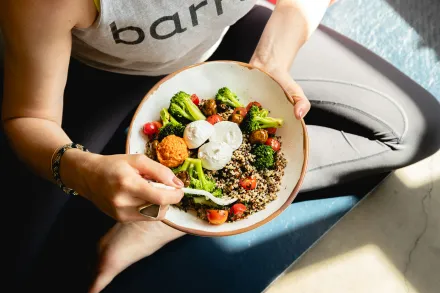
In the modern conversation about health and fitness the term macros is shorthand for macronutrients, the trio of nutrients that provide energy and form the foundation of nearly every diet. Proteins, fats, and carbohydrates supply the calories that fuel movement repair tissue and support brain function, hormones, and immune health. Balancing these macronutrients is not a one size fits all prescription but a personalized approach that respects physiology, goals, and daily life. When the macronutrient mix aligns with your activity level and health...

In the world of competitive sport, recovery is not a luxury but a strategic imperative that translates into better performance, reduced risk of injury, and a longer athletic lifespan. Massage therapy has emerged as a versatile tool within the broader repertoire of recovery strategies, designed to address the body as a dynamic system that processes fatigue, microscopic tissue disruption, and the demands of high training loads. This introduction explains how massage fits into a holistic approach to athletic restoration, emphasizing the nuanced in...
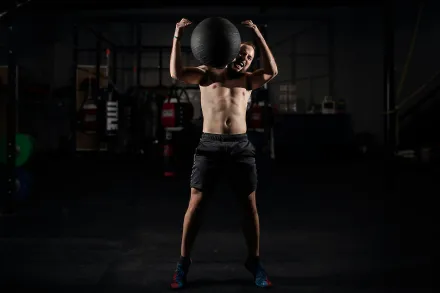
In the evolving world of fitness, athletes and everyday movers alike increasingly turn toward full-body functional training as a practical approach that connects workouts to real life. This approach emphasizes movement patterns that require multiple joints and muscle groups to work in harmony, mirroring the way the body operates during daily tasks. When training programs focus on functional patterns rather than isolated muscles, the body learns to coordinate, stabilize, and generate force in ways that translate to increased efficiency in everyd...

Artificial intelligence has emerged as a powerful ally in modern oncology, offering new ways to quantify risk, interpret complex data, and foresee the likelihood that cancer will return after initial treatment. Cancer recurrence is a multifactorial process influenced by tumor biology, treatment response, patient health, and microenvironment dynamics. Traditional clinical models relied on linear risk factors and static snapshots from diagnostic tests, but AI opens a path to integrate heterogeneous data across time and modalities. By training on ...