Daily movement has become a quiet cornerstone of well-being for many people, a simple habit that can ripple through mood, thinking, energy, and resilience. The idea that exercise is only for athletes or those chasing a dramatic physical transformation is a misconception that fades when people experience even modest daily activity. When movement is integrated into the rhythms of a day, it tends to offer a dependable anchor for mood regulation, cognitive clarity, and stress management. This article explores the science behind how daily exercise s...


Mental health days are periods set aside to care for one’s emotional and psychological well-being rather than to address a physical illness. They are not simply a euphemism for taking a sick day, though they may overlap when stress or anxiety manifests as fatigue or bodily symptoms. At their core, mental health days acknowledge that mental energy, mood regulation, and cognitive clarity are essential resources for everyday functioning. When someone takes a mental health day, they are prioritizing recovery from emotional strain, recharging the ne...

Emotional clarity can feel like a moving target in the middle of a busy life, where thoughts collide with feelings and every concern wears a different face. Journaling, at its core, is a disciplined conversation with that inner landscape. It provides a quiet, structured space where sensations, memories, beliefs, and desires can be named, examined, and understood with calm attention. When practiced with intention, journaling becomes more than a diary of events; it becomes a map that guides us through our internal weather, helping us see patterns...

In the modern world the air we breathe, the foods we eat, and the stresses we endure can collectively tilt the body's balance toward a state known as oxidative stress. This condition arises when the production of reactive oxygen species, reactive nitrogen species, and other free radicals outpaces the body's capacity to neutralize them with antioxidant defenses. When oxidative stress persists, it can damage cells, lipids, proteins, and DNA, contributing to aging and a range of chronic diseases such as cardiovascular disorders, neurodegenerative ...

As populations around the world age, families and healthcare systems face a rising demand for solutions that can extend independence while maintaining safety. Smart wearables offer a unique blend of unobtrusive monitoring and proactive support that aligns with the values of person centered care. These devices, once imagined as gadgets for fitness enthusiasts or tech buffs, are increasingly repurposed to support older adults living at home, in assisted living facilities, or in short-term recovery contexts. By collecting real time data on movemen...

Powerlifting is a discipline that captures a blend of measured strength, precise technique, and disciplined training that appeals to a wide range of people seeking tangible progress. At its core it focuses on three core lifts: the squat, the bench press, and the deadlift, each representing a different axis of human movement and symmetry. The appeal does not lie merely in lifting heavy objects, but in the discipline required to approach a movement with repeatable form, to assess one’s current limits honestly, and to design a plan that pushes tho...

Strength training with dumbbells represents a versatile and accessible pathway to broader physical capacity, offering a balance of simplicity and depth that can scale from gentle rehabilitation work to serious hypertrophy and functional power. The core appeal lies in the way dumbbells force the body to stabilize and coordinate across both sides, challenging the nervous system to recruit muscles efficiently while demanding control over weight in multiple planes of motion. This article explores not just the mechanics of lifting but also the minds...

Stretching before exercise has long been a staple of fitness routines, but the value and best practices have evolved. This article explores how to stretch with purpose, how to structure a routine that respects your body, and how to avoid common pitfalls that can lead to discomfort or injury. The goal is to help you unlock better mobility, improve performance, and feel more confident moving through your chosen activity. In the modern approach, stretching is not a standalone ritual but a harmonic part of a broader warm-up that prepares the nervou...

As people live longer, the desire to maintain vitality without depending on medications becomes more common. This article explores practical paths to aging with grace through everyday choices that support the body and mind. It emphasizes sustainability, personalization, and the idea that small, consistent actions accumulate into meaningful health benefits over time. While medications can play important roles for many conditions, there are numerous lifestyle strategies that help manage risk factors, improve functional capacity, and enhance quali...
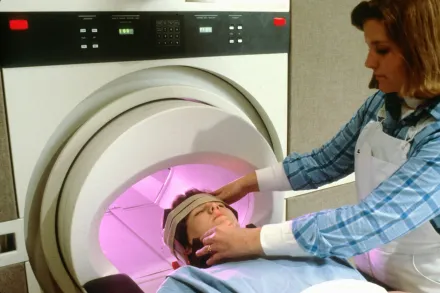
Radiation therapy is a treatment modality that uses high energy waves or particles to damage the DNA inside cancer cells, with the intention of slowing their growth or causing them to die. The same physical mechanism that targets tumor cells can also affect nearby healthy tissues, which leads to side effects. The likelihood and severity of these effects are influenced by many factors, including the type and energy of the radiation, the total dose delivered, how the dose is divided over time (a concept known as fractionation), and the specific l...