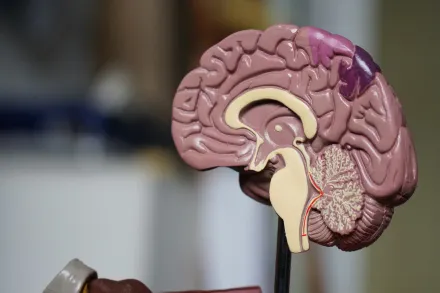
Epilepsy is a complex neurological condition defined by a tendency to experience recurrent seizures that arise from abrupt bursts of electrical activity within the brain. The phenomenon is not a single disease with a single cause but rather a spectrum of conditions in which the brain becomes prone to excessive synchronous discharges. The path from a normal brain to a brain that repeatedly generates seizures can be subtle and multifaceted, often involving a combination of genetic predispositions, structural alterations, metabolic disturbances, i...

Sunlight is a powerful force that touches every sunrise and every venture outdoors, shaping not only our mood and energy but also the health of our largest organ: the skin. The premise of good skincare with sun protection is simple in its intention, yet the execution can be nuanced and personal. A thoughtful approach blends science with daily habits, enabling a person to enjoy the outdoors while keeping the skin resilient against damage. In this guide, you will find a comprehensive, readable, and practical pathway to protecting the skin from ha...

Ankylosing spondylitis (AS) is a chronic inflammatory disease that primarily targets the spine and the sacroiliac joints, yet it often extends to the hips shoulders and ribs. The early signs can be subtle, frequently presenting as deep ache and stiffness that intensifies after rest and gradually loosens with gentle movement. This pattern stands in contrast to ordinary mechanical back pain, because activity tends to improve symptoms rather than worsen them. Diagnosis often takes patience as doctors piece together symptoms over time and look for ...

Endorphins are a family of naturally occurring peptides that the body manufactures to regulate pain, mood, and responses to stress. They are produced in several brain regions, including the hypothalamus and the pituitary gland, and they travel through neural circuits to bind to specialized receptors called opioid receptors. The main receptor types are mu, delta, and kappa, each contributing to subtle differences in how endorphin signaling alters perception and emotion. The result is a complex, context sensitive modulation rather than a single u...
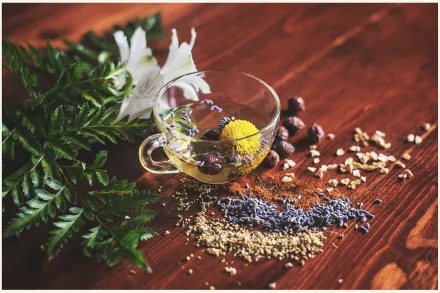
Herbal teas have long been cherished as comforting beverages that nourish the body and ease the mind. They are not merely flavorful infusions but a tapestry of plant-based compounds that can interact with physiological processes in nuanced ways. Across cultures, people have reached for herbs and flowers to soothe a restless stomach, to calm nerves, to support healthy sleep patterns, and to offer a sense of ritual that anchors daily life. In modern times, the appeal of herbal teas lies not only in the sensory pleasure of aroma and taste but also...

Nanotechnology emerged as a language for describing and manipulating matter at the scale where atoms and molecules begin to organize into predictable structures. In medicine, this escalated into a practical toolkit for improving how drugs are carried through the body, how they reach diseased sites, and how they release into target compartments. The core motivation has been to increase the therapeutic index: to deliver enough drug to cancer cells or infected tissue while sparing healthy organs and minimizing systemic toxicity. This requires a co...

In the wake of a stroke, physical therapy functions as a structured, patient centered pathway designed to reduce disabling consequences and restore meaningful movement. Therapists begin by appreciating the unique pattern of weaknesses, spasticity, sensory changes, and cognitive demands each person faces, recognizing that recovery unfolds along multiple domains rather than a single metric. The core objectives are to limit secondary complications such as contractures, pressure injuries, and deconditioning, to promote safe mobility and independenc...

Reflexology is an ancient practice built on the idea that specific points on the feet, hands, and ears correspond to organs and systems within the body, including the digestive tract. When pressure is applied to these points, a reflexologist believes that neural pathways and energetic channels are stimulated to influence organ function, blood flow, and nerve signaling. The digestive system is a remarkable network that processes food, absorbs nutrients, and eliminates waste, and it is simultaneously sensitive to stress, inflammation, and hormona...

In the evolving world of fitness and health, resistance bands have emerged from the margins of accessory equipment to become a central tool for building strength, mobility, and resilience. Their design leverages elasticity to create continuous tension through a range of motion, which challenges muscles not only in a static position but throughout movement. This quality makes resistance band workouts accessible to beginners and challenging to seasoned athletes alike, offering a versatile pathway to improved functional fitness, posture, and metab...

In every waking hour we are confronted with choices that shape mood, resilience, and energy. A daily mental health routine is not a rigid cage but a flexible map that nudges attention toward what matters. It creates consistency across the day so that the mind has predictable signals rather than constant reactive spikes. When we think about routine in this sense, we are not trying to eliminate variability or spontaneity; we are trying to establish reliable anchors that support emotional balance, provide a sense of agency, and reduce the cognitiv...