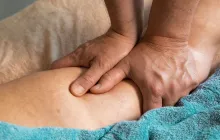
Reflexology is an ancient practice built on the idea that specific points on the feet, hands, and ears correspond to organs and systems within the body, including the digestive tract. When pressure is applied to these points, a reflexologist believes that neural pathways and energetic channels are stimulated to influence organ function, blood flow, and nerve signaling. The digestive system is a remarkable network that processes food, absorbs nutrients, and eliminates waste, and it is simultaneously sensitive to stress, inflammation, and hormonal fluctuations. In this light, reflexology may act as a complementary approach that supports the body’s natural balancing mechanisms rather than replacing medical treatment. For many people, stressful days, disrupted routines, and dietary choices can disrupt the harmonious rhythm of digestion, and a gentle touch therapy can offer a form of noninvasive, relaxing support. By focusing attention on the feet, hands, or ears, practitioners aim to awaken a sense of connection between the body's structural map and its visceral functions, encouraging a calmer state that may help the digestive system regain smoother operation.
In many reflexology traditions, the body is viewed as an integrated network where nerves and energy pathways coordinate sensation, movement, and organ performance. Proponents describe reflex points as mirrors of the body, reflecting the condition of corresponding organs through cues such as tenderness, tension, or temperature changes in the feet or hands. From this perspective, stimulating digestive reflex points may influence autonomic nervous system balance, promoting parasympathetic dominance that supports rest, digestion, secretion, and peristaltic activity. Clinically, this could translate into a more relaxed digestive tract, reduced muscle spasms, and improved communication between the brain and gut. While rigorous laboratory proof remains challenging due to the individualized and subjective nature of reflexology, many practitioners emphasize patient-reported outcomes, noting improvements in bloating, irregularity, and perceived gut comfort after sessions. The interplay between mind, body, and gut is also a focus of modern science, which has examined how stress hormones, inflammatory mediators, and neural circuits can affect intestinal motility and sensitivity. Reflexology seeks to create a calming milieu that may lower cortisol levels, ease anxious symptoms, and, in turn, support digestion in people who are otherwise healthy or dealing with functional digestive concerns.
During a typical reflexology session, a practitioner uses firm, steady pressure to map areas on the feet or hands that correspond to the stomach, liver, pancreas, small intestine, large intestine, and other digestive structures. The intention is not to force the organs to perform specific actions but to help the body enter a state of ease where its natural regulatory systems can operate more smoothly. Touch along the abdominal region is sometimes reflected in the feet, as the entire busier zone can be addressed indirectly through reflex charts. Some clients report a sense of warmth, gentle tingling, or a deep sense of relaxation as the pressure moves through reflex points associated with digestion. This ritual of touch has psychological as well as physiological implications, because the body often responds to calm touch with a reduction in muscle tension, improved breathing, and a more balanced autonomic tone. In practical terms, reflexology can contribute to a more efficient release of gas, a slower or more harmonized intestinal transit, and a feeling of increased lightness after sessions. The precise effects vary widely among individuals, depending on factors such as baseline digestive health, concurrent medical conditions, hydration, and the presence of stressors in daily life.
Different schools of reflexology identify various maps linking reflex zones to digestive components. For instance, the arch of the foot is commonly associated with the digestive tract, while the instep may reflect stomach and small intestine activity. The area corresponding to the colon can be found along the midfoot, and the liver and gallbladder often tie to points on the right side of the foot. In the hands, similar correspondences exist, with the thumb and palm offering routes to the stomach and pancreas through careful pressure and technique. In the hands, similar correspondences exist, with the thumb and palm offering routes to the stomach and pancreas through careful pressure and technique. Skilled practitioners describe a practice in which they harmonize multiple points to support overall digestive function, rather than focusing on a single organ. They may begin with broad, soothing strokes to establish a sense of safety and comfort, then move toward more targeted work on areas that feel tense or reactive. The goal is not to induce pain but to nurture a sense of release that aligns with the body’s own healing rhythms. Readers should understand that reflexology is often used as a supportive modality alongside medical advice and dietary strategies, rather than as a stand-alone treatment. The nuanced effects depend on the practitioner’s training, the client’s openness, and the moment-to-moment feedback from the body's responses during the session.
Many people explore reflexology as part of a broader approach to digestive wellness, appreciative of its potential to complement other healthy habits. For those dealing with mild chronic discomfort, reflexology can contribute to fewer episodes of bloating after meals, greater ease with gas, and a sense of regularity when combined with fiber-rich diets and hydration. In situations where stress and anxiety aggravate the gut, the relaxation response triggered by gentle foot or hand work may help lower heart rate, stabilize breathing, and reduce the visceral tension that can amplify symptoms. Reflexology is also sometimes used to support recovery after gastrointestinal procedures, to ease post-procedural discomfort, and to help people transitioning through dietary changes to adjust with less distress. It is important to note that persistent digestive symptoms, such as persistent pain, unintended weight loss, vomiting, or blood in stool or stool color changes, require medical evaluation, and reflexology should be considered a complementary practice rather than a replacement for professional medical care. When integrated thoughtfully with professional guidance, reflexology may promote an improved sense of digestion, comfort after meals, and a more balanced relationship with food and lifestyle choices.
Holistic approaches to digestion often combine reflexology with mindful eating, regular physical activity, adequate hydration, and sleep hygiene. A reflexology session can serve as a touchstone that signals rest and the prioritization of digestion in a busy day. It can accompany routine practices such as scheduled meals, mindful chewing, and a calm dining environment, reinforcing a restorative cycle that supports gut health. Some clients discover that scheduling sessions before or after meals helps set a gentle rhythm for the day, while others appreciate sessions in the evening to wind down and prepare the body for restful sleep, which is itself very important for digestive regulation. In addition to hands-on work, practitioners may offer guidance on breathing techniques, gentle self-massage for the abdomen, or stretches that align with digestive comfort. This integrated approach helps individuals cultivate a sense of agency, allowing them to participate actively in their digestive health. As with any self-care practice, consistency matters, and regular sessions over weeks or months may yield more durable benefits than a single visit.
A standard reflexology appointment usually begins with a brief conversation about current health, medications, and any areas of tenderness or concern. The practitioner then explains the treatment plan and obtains informed consent before commencing work. During the session, the client often remains fully clothed and lies comfortably, with footwear removed for foot work or hands positioned for finger pressure on either hand. The duration can vary, but many sessions last between thirty and sixty minutes, with the therapist adjusting the pressure to suit the client’s tolerance. Communicating openly about comfort levels is essential, because too much pressure can cause discomfort even in a relaxed setting. Some individuals experience an intense release that may coincide with a sensation of warmth or fullness in the abdomen, followed by a sense of relief and calm. Safety considerations require clients to inform the practitioner about pregnancy, acute illnesses, or existing medical devices, and to seek medical oversight when digestive conditions involve significant symptoms or suspected complications. Reflexology is generally considered safe when performed by trained, licensed or certified practitioners who adhere to professional hygiene standards and respectful boundaries. For several people, a series of sessions is more beneficial than a single visit, as subtle improvements accumulate over time within a compassionate and non invasive framework.
The timeline for perceiving digestive benefits from reflexology varies widely. Some clients report noticeable improvements in digestion after a handful of sessions, particularly when stress is a primary driver of symptoms. Others describe gradual changes over weeks or months, as the nervous system learns to respond with greater ease to daily dietary choices and routines. It is common for patients to experience a temporary lighter feeling or increased awareness of their digestion following a session, which can be interpreted as a sign that the body is recalibrating its autonomic balance. Factors that shape outcomes include baseline gut health, existing medical therapies, dietary patterns, hydration levels, sleep quality, and life stress. A thoughtful practitioner will tailor the approach to each individual, combining reflex work with supportive counseling about lifestyle choices and self care. The experience can feel nonverbal and embodied, with clients noticing subtle shifts in mood, energy, appetite, and bowel patterns that encourage a more mindful approach to meals. Rather than promising dramatic cures, practitioners often frame reflexology as a gentle ally that can create a conducive environment for digestion to operate more smoothly.
Quality reflexology care rests on training, ethical practice, and ongoing professional development. Practitioners typically complete comprehensive courses that cover anatomy, reflex maps, safe pressure techniques, client assessment, and hygiene. Many regions regulate reflexology through licensing or certification programs, reinforcing a standard of care and accountability. Ethical practice includes obtaining informed consent, respecting boundaries, maintaining confidentiality, and recognizing the limits of the modality. For people with digestive concerns, it can be valuable to choose a practitioner who is comfortable coordinating with medical providers and who can adapt the session to medical restrictions or cultural sensitivities. Accessibility remains an important aspect of care, with clinics offering affordable options, sliding scales, or community space aimed at broadening access. Some individuals may prefer at home visits, virtual guidance for self massage, or gentle self care routines that support digestion between sessions. The ethical framework in reflexology emphasizes patient safety, truthful communication, and a collaborative attitude toward health that honors each person’s unique needs and goals.
In the wider landscape of gut health, reflexology sits among a spectrum of modalities including nutrition, physical activity, stress management, and medical care for digestive disorders. While reflexology is not a replacement for medical treatment, it can complement evidence based dietary changes, prokinetic strategies, and symptom guided therapies. The body’s resilience often depends on a balance among physical, emotional, and social factors, and reflexology recognizes this interconnectedness by addressing the body as a whole rather than isolating a single symptom. For some people, the ritual of care itself contributes to a positive mindset that supports adherence to nutrition plans, exercise, and medical advice. By encouraging relaxation, improved sleep, and a calmer nervous system, reflexology may help digestion function more consistently during times of stress or seasonal change. The practice also invites curiosity about how body maps, touch, and intention can influence the subjective experience of gut health, which is a meaningful dimension when dealing with functional digestive concerns.
Readers who are curious about reflexology as a potential aid for digestive health can begin by seeking qualified practitioners who emphasize client safety and evidence informed practice. It is reasonable to ask about the practitioner’s training, the approach they use, and how they monitor progress over time. Personal comfort with touch, appointment length, and the environment of the clinic or home setting can influence the experience, so choosing a setting that feels trustworthy and soothing is important. Before beginning a series of sessions for digestion, individuals may benefit from a short health check with their primary care provider to ensure there are no contraindications or interactions with medications. Keeping a simple diary of meals, symptoms, stress levels, and sleep can help track whether reflexology coincides with any beneficial changes, and this information can be shared with the practitioner to refine the approach. It is also wise to maintain consistent healthy habits outside of sessions, including balanced meals, moderate physical activity, hydration, and adequate rest, as these factors can strengthen the digestive system and support the overall impact of reflexology.
In the end, reflexology for digestive health invites a patient, gentle curiosity about how touch, intention, and routine intersect with bodily rhythms. The practice offers a relaxing space where breath can soften, and attention can align with meal timing, stress reduction, and sleep patterns that together influence digestion. While it is not a guaranteed cure, reflexology can function as a supportive ally, especially when combined with healthy dietary choices, regular activity, and appropriate medical care. For those curious to explore this path, a thoughtful, well informed approach and ongoing communication with healthcare providers can help ensure that reflexology serves as a meaningful adjunct in the broader landscape of digestive wellness.