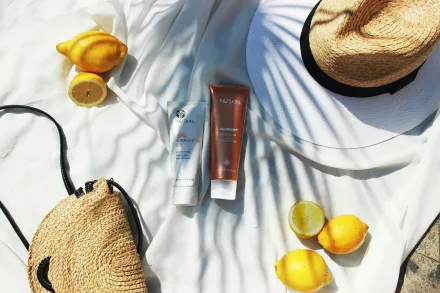
Sunlight is a powerful force that touches every sunrise and every venture outdoors, shaping not only our mood and energy but also the health of our largest organ: the skin. The premise of good skincare with sun protection is simple in its intention, yet the execution can be nuanced and personal. A thoughtful approach blends science with daily habits, enabling a person to enjoy the outdoors while keeping the skin resilient against damage. In this guide, you will find a comprehensive, readable, and practical pathway to protecting the skin from harmful ultraviolet rays, minimizing premature aging, and reducing the risk of skin cancer without compromising comfort, style, or everyday routines. The aim is to equip you with clear concepts, actionable steps, and a sustainable mindset that makes sun protection a natural part of your life rather than a chore you perform only on bright days or vacations.
Understanding the science of sun exposure
Sunlight encompasses a spectrum that includes ultraviolet rays, visible light, and infrared radiation, but it is the ultraviolet portion that interacts most directly with skin health. Within the ultraviolet family, UVA rays penetrate deeply and are associated with photoaging, such as wrinkle formation and loss of elasticity, while UVB rays affect the surface layers and predominately drive skin burning, redness, and the risk of sunburn. The combination of UVA and UVB exposure over time influences DNA damage and cellular changes that can lead to skin cancers. A protective product that covers both UVA and UVB wavelengths is essential, and this is commonly referred to as broad-spectrum protection. When you read the label of sunscreen or sun protection products, the term broad-spectrum signals coverage across the key UV bands that harm the skin, not just the surface-level protection against burning. Beyond UV radiation, the sun emits visible light and infrared heat, which can contribute to oxidative stress in the skin, so a comprehensive approach that supports skin resilience, hydration, and antioxidant defenses becomes valuable in daily life. Embracing the science behind sun exposure helps you prioritize prevention, rather than reacting after harm has occurred, and frames sun protection as a long-term investment in skin quality and health.
Another important aspect is the way sunscreen is tested and labeled. The sun protection factor, or SPF, traditionally indicates the product’s ability to delay burning on typical skin types, but it does not measure UVA protection in isolation or account for real-world factors such as sweating, swimming, or rubbing off with towel use. Therefore, a product that advertises broad-spectrum coverage and a high UVA protection rating is a more dependable choice for everyday wear. The sensitivity of the skin, a person’s phototype, and environmental conditions all influence how much protection is practical in any given situation. Understanding these nuances helps you tailor protection to your routine and to the specific contexts you encounter, whether you are commuting through urban shade or enjoying a long weekend outdoors in a sunny climate. Knowledge of the science behind sun exposure also clarifies why applying the right amount of sunscreen matters, because underapplication reduces the actual protection you receive, potentially giving a false sense of safety. Recognizing these dynamics encourages a diligent approach to applying and reapplying sunscreen as part of a responsible skincare regimen.
Daily sun protection as a skincare habit
Incorporating sun protection into daily life should feel as natural as brushing your teeth or washing your face. The morning routine becomes an anchor that sets the tone for the day, ensuring that skin exposed to daylight begins with a protective layer. If you live in a climate with bright mornings or you frequently face window glare during work, starting the day with sunscreen on exposed areas—such as the face, neck, ears, and hands—can prevent cumulative damage from low-angle sun rays. Beyond the cosmetic benefit, regular use of a broad-spectrum product supports skin health by reducing the ongoing impact of ultraviolet exposure, particularly for areas that are constantly in view and frequently exposed to incidental sun throughout daily activities. Even on cloudy days, ultraviolet rays can penetrate the atmosphere; therefore, protection should be considered a nonnegotiable element of your morning skincare routine. The habit becomes more robust when you pair sunscreen with protective clothing and shade strategies, creating a multi-layered defense that works together to minimize total sun exposure while still allowing you to enjoy daylight and outdoor experiences. A well-rounded approach recognizes that protecting the skin is not merely a summer concern but a year-round practice that integrates with other essential steps in skincare as well as lifestyle choices such as commuting, outdoor work, or recreational time with family and friends.
Consistency is the cornerstone of long-term protection. When you commit to reapplication at appropriate intervals, you maintain steady coverage that compensates for wear, perspiration, towel contact, or light rubbing that can gradually erode protection. Experts commonly recommend reapplying every two hours when outdoors, or more frequently when swimming or sweating heavily. Even if a product claims water resistance, it is prudent to reapply after toweling off or after strenuous activity, because water resistance is rated under controlled conditions and real-world situations may still reduce effectiveness over time. The goal is to build a cadence that suits your daily itinerary, with reminders that fit into your schedule without becoming disruptive. In addition to sunscreen, you can use physical shade, hats with wide brims, and protective clothing to complement the chemical or mineral sunscreen you apply. The synergy among these tools creates a more reliable shield against sun damage while enabling you to pursue outdoor activities with greater confidence and comfort. Portray sun protection not as a constraint but as a practical part of an intelligent routine that supports healthy skin across decades of life.
Choosing the right sunscreen for your skin and lifestyle
When selecting a sunscreen, you face a spectrum of choices, including mineral minerals such as zinc oxide and titanium dioxide, and chemical filters like avobenzone, octocrylene, and octisalate. Mineral sunscreens form a physical barrier on the skin, reflecting ultraviolet rays, which some people find gentler on sensitive or reactive skin and less likely to cause irritation. They can leave a noticeable white cast, particularly on darker skin tones, but newer formulations have improved texture and tint options that better blend with varying complexions. Chemical sunscreens absorb ultraviolet energy and convert it into harmless heat, which some people prefer for a lighter, sheer feel, but certain filters may cause irritation or interact with certain skin conditions. The choice between mineral and chemical filters often comes down to personal tolerance, skin type, and the context of use. In terms of protection, the key is broad-spectrum coverage that includes UVA and UVB protection, a suitable SPF level for daily wear, and the product’s stability when exposed to heat, sweat, and water. For those with sensitive skin, fragrance-free formulas and simple ingredient lists are typically more forgiving and reduce the risk of irritation. For young children and infants, mineral sunscreens with gentle formulations are commonly recommended, while adults may choose based on interaction with makeup, skincare products, and personal preferences for texture and finish. The practical takeaway is to seek a product that you are willing to use consistently, feels comfortable on your skin, and aligns with your daily activities. A healthy habit grows stronger when you like the product you use and find that it integrates smoothly with your skincare routine, makeup, and skincare goals.
In addition to the filter type and SPF, consider the product’s viscosity, finish, and compatibility with moisturizers. A lotion or gel texture may suit a morning routine under makeup, whereas a tinted sunscreen can serve as a light foundation, simplifying your routine. For those who spend extended time outdoors, water resistance and sweat resistance can be important features, though you should check the label for the exact duration of effectiveness as indicated by the manufacturer. Higher SPF values do not replace the need for application and reapplication; they provide more protection per layer, but misapplication can create gaps in coverage. In practice, many people opt for a broad-spectrum sunscreen with an SPF in the range of 30 to 50 for daily use, which balances protection with a natural appearance and comfortable wear. For beaches, mountains, or reflective surfaces like snow, you might choose a higher SPF or a water-resistant variant, recognizing that the fundamental rule remains consistent: reapply as directed to maintain protection over time. The personal decision about texture, finish, and filters becomes a long-term choice that supports, rather than undermines, consistent use, thereby enhancing the protective effect across seasons and activities. The end result is a sunscreen that you can apply confidently every day without discomfort or hesitation, forming the backbone of your sun protection strategy.
Application techniques for maximum protection
Effective sunscreen application is as important as selecting the right product. A practical guideline is to apply a generous layer to all exposed areas and to ensure even coverage across the face, neck, ears, and the back of the hands whenever they are exposed to sunlight. The skin is not a flat surface; it has contours, shadows, and creases that can create thin protective zones if not properly treated. You should apply sunscreen to dry skin about 15 to 30 minutes before sun exposure to allow filters to bind and form a stable barrier. If you apply sunscreen too late, you may experience sudden burning or uneven protection. For facial use, a half-teaspoon to a nickel-sized amount is often enough to cover all visible surfaces, but you should adjust based on the size of your face, neck, and any exposed areas. If you are wearing makeup, consider layering sunscreen first or choosing a makeup product with added sun protection to maintain an even protective film across the skin. For reapplication, remember that sunscreen layers tend to wear off with movement, contact with clothes, and routine activities; reapply after prolonged outdoor exposure or after towel-drying. When doing outdoor work or sports, a quick reapplication schedule—such as every two hours or more often as needed—helps preserve protection while you maintain your outdoor pace. The best approach combines proper application with strategic shade, protective clothing, and routine checks of areas that are easy to overlook, such as the ears, the back of the neck, and the tops of the feet if you are wearing sandals. The goal is to ensure continuous coverage that does not rely on memory alone but on a predictable practice you can repeat daily, season after season.
Another facet of proper application is layering with moisturizers and serums. If you use a moisturizer with superlative hydration and antioxidants, you can supplement the sunscreen to strengthen the skin’s defenses without sacrificing protection. It is often beneficial to allow a moisturizer to absorb before applying sunscreen so that the latter can form a uniform, stable layer on the skin. If you use a primer or a light foundation, you can look for formulations that integrate with SPF or apply sunscreen underneath and follow with makeup that does not physically disrupt the protective layer. If you have dry skin or a tendency toward flaking, a richer moisturizer may help maintain barrier function, which in turn supports even sunscreen distribution. People with oily or combination skin might prefer lighter gels or fluids that absorb quickly and leave a matte finish, making daily protection more comfortable in warm weather and during exercise. The practical message is that protective skincare is not a rigid protocol; it adapts to your skin’s needs, your lifestyle, and the environment while preserving the essential protective goal. Embrace the process as a means to sustain healthy skin over many years, rather than a single temporary solution to a sunny day.
Sun protection for different skin types and tones
All skin tones deserve protection, and the idea that darker skin is immune to sun damage is a misconception that can delay prevention and undermine long-term health. People with fair, medium, or olive complexions may experience more visible immediate effects from sun exposure, such as redness and sunburn, while those with darker skin tones commonly experience chronic photoaging and a risk of hyperpigmentation if exposed without protection. The fundamental principle remains consistent: broad-spectrum protection guards against both UVA and UVB rays, reducing the cumulative impact of sun exposure on cellular function. Those with sensitive or reactive skin can benefit from mineral-based sunscreens, fragrance-free formulas, and simple ingredient lists that minimize irritants. For teenagers and young adults, establishing a sun-protective routine early becomes a protective habit that can influence skin health for decades. For individuals with existing skin conditions, such as melasma or rosacea, regular protection helps manage flare-ups linked to sun exposure, while in cases of acne-prone skin, sunscreen with a non-comedogenic profile can help prevent pore clogging. The overarching idea is inclusivity: sun protection must be accessible, tolerable, and effective across diverse skin types, and the best choice is the one you can consistently apply and reapply with confidence and ease. A varied approach that respects skin diversity reinforces the message that sun safety is universal and essential for everyone, regardless of complexion or heritage.
Beyond the filter choice, consider how your skin interacts with sunlight during different seasons and activities. In winter, the sun's rays may be less intense but can still cause cumulative damage through reflective surfaces like snow and ice. In summer, longer days, higher UV indices, and more outdoor time amplify exposure, so a more robust routine may be warranted. The practical implication is to tailor your sunscreen strategy to the environment you inhabit and the outdoor habits you practice, while maintaining consistent daily protection as a nonnegotiable baseline. By recognizing individual skin needs and limiting exposure to intense midday sun whenever possible, you equip yourself with a flexible yet dependable approach that protects skin health across the changing rhythms of the year. The result is a protection plan that respects diversity in skin types and life circumstances while delivering consistent, reliable defense against ultraviolet damage.
Protecting the eyes and lips as part of sun safety
Sun exposure can affect delicate tissues around the eyes and lips, where the skin is thinner and more prone to irritation. Sunglasses with UVA and UVB protection safeguard the eyes and surrounding skin from cumulative exposure that can contribute to cataracts and photodamage around the eye area. Selecting sunglasses with a wide coverage and 100 percent UV protection helps reduce glare and protects the skin above the cheekbones and near the temples. For lips, a lip balm with SPF offers a barrier against drying sunlight and helps prevent lip photodamage, which can appear as chapping, discoloration, or angular cheilitis that worsens with sunny weather. When choosing lip products, consider options with broad-spectrum protection and hydrating ingredients to minimize cracking. Building these simple steps into your routine promotes a holistic approach to sun safety that addresses not only the face but the delicate features that are often overlooked during outdoor activities. The combined effect of well-chosen sunglasses and protective lip care contributes to an integrated shield that supports comfort, clarity of vision, and lip health throughout the day, regardless of the intensity of the sun.
In addition to eyewear and lip care, be mindful of head coverings. A wide-brimmed hat not only adds style but also provides crucial shade for the forehead, ears, and neck. The shade reduces direct sun exposure to vulnerable areas and helps keep the face cooler, which can influence your willingness to stay outdoors without constantly adjusting sunscreen. For people who spend long periods outdoors, investing in a hat with a broad brim and a fabric that dries quickly can be an economical and practical choice. The environmental context matters; in windy or dusty environments, a hat can also serve as a barrier to debris while maintaining consistent shade. The small habit of wearing protective headgear can yield outsized benefits by creating a physical barrier that complements topical protection, reducing the risk of sunburn and photoaging, and supporting overall comfort during outdoor adventures or daily commutes alike.
Protective clothing and shade as essential allies
Clothing can be an underrated but highly effective form of sun protection. Many fabrics offer UPF (ultraviolet protection factor) ratings that quantify how much ultraviolet radiation a garment blocks. A shirt with a high UPF rating provides substantial defense against UVA and UVB rays, reducing the need for constant sunscreen on covered areas. Long sleeves, lightweight yet tightly woven fabrics, and garments with darker colors can enhance shade and minimize UV penetration while keeping you comfortable in warm conditions. When possible, seek clothing that offers UPF protection and covers more skin without restricting movement or breathability. A sun-smart approach often combines shaded spaces, such as a canopy or a tree-lined path, with protective attire to create a layered defense that allows for sustained outdoor activity without discomfort. Accessorizing with a lightweight scarf, gloves, or leg coverings in certain environments can further boost protection, especially during peak sun hours or when participating in water sports where splash or spray can complicate topical protection. The practical takeaway is that clothing is a strategic tool that complements sunscreen, forming a durable shield that multiplies the overall sun safety effect across daily life and extended outdoor endeavors.
Shade is a simple, effective ally that supports skin protection. Planning outdoor activities to occur in shaded areas when possible reduces cumulative exposure, especially during midday when the sun is most intense. Even brief periods of shade can significantly decrease ultraviolet exposure, and combining shade with sunscreen yields a robust protection plan. While shade cannot replace sunscreen in all circumstances, particularly during extended hours outdoors or in reflective environments, it remains a powerful part of a comprehensive sun safety strategy. Embracing shade during walks, commutes, or recreational tasks aligns with a comfortable, sustainable routine that protects not only the skin but also the eyes and the overall sense of well-being. The practical insight here is to view shade and protective clothing as first-line defenses that work in concert with topical sunscreen, creating a balanced, flexible approach to sun safety that respects personal comfort, style, and daily demands.
Special considerations for children and pregnant individuals
Young children have more sensitive skin and higher surface area-to-body mass, which can make sun exposure more impactful on their skin. For infants younger than six months, it is generally recommended to rely on protective clothing, hats, and shade rather than applying sunscreen directly to the delicate infant skin, unless advised by a pediatrician. For older children, establishing a routine that includes sunscreen, protective clothing, and frequent reapplication fosters healthy habits that can last into adulthood. Pregnant individuals may experience changes in skin sensitivity and hormonal fluctuations that influence how the skin responds to sun exposure. Maintaining sun protection remains important during pregnancy, not only to preserve skin appearance but also to protect fetal health by reducing ultraviolet-induced DNA damage and inflammation. In both cases, a calm, consistent regimen that emphasizes safety, comfort, and practicality is essential. Selecting gentle formulations free of irritating fragrances and opting for protective accessories such as hats, sunglasses, and UPF-rated clothing can simplify routines and encourage adherence while safeguarding skin integrity for the long term.
For families and caregivers, modeling sun-safe behaviors encourages children to adopt similar practices. Demonstrating how to choose appropriate clothing, apply sunscreen properly, and seek shade can have a lasting impact on a child’s relationship with sun exposure. The goal is to create a supportive environment where sun protection is a natural part of outdoor activities, sports, and daily adventures. By making sun safety approachable and integrated into routines, you help ensure that children grow up with protective habits that reduce cumulative UV exposure and promote healthier skin outcomes as they mature. This family-centered approach aligns with broader wellness goals and fosters a culture of care around outdoor living.
Sun protection in different environments and activities
Environmental context significantly shapes how you protect your skin. In urban settings, shade from buildings, tree-lined streets, and bus shelters can reduce UV exposure between errands, but you may still encounter reflective surfaces such as glass, concrete, and pavement that contribute to indirect UV exposure. In coastal or high-altitude areas, UV intensity is amplified, demanding more vigilant protection, frequent reapplication, and attention to areas often neglected, such as the ears, the back of the neck, and the tops of the feet. Water activities present unique challenges because water can wash away sunscreen quickly, while reflection from water surfaces increases UV exposure. When hiking or cycling, a combination of protective clothing, broad-spectrum sunscreen, and a protective cap or helmet with a brim can significantly reduce risk and support comfort. The key is to adapt your sun protection strategy to the context, blending topical products with physical barriers and mindful scheduling to maximize protection without sacrificing enjoyment or performance. The resulting routine becomes a tailored approach that respects environmental demands while prioritizing long-term skin health and personal comfort.
During winter sports or high-elevation activities, UV exposure rises due to thinner atmosphere and reflective snow. In these settings, you should choose a water-resistant sunscreen with broad-spectrum coverage and consider larger SPF if you have sensitive skin or a history of sunburn. Protective eyewear that blocks UVA and UVB rays helps shield the delicate periocular skin, while lip protection remains essential to prevent dryness and cracking caused by cold winds. Even when temperatures are cooler, the sun can cause significant cumulative damage, so a winter sun protection strategy deserves as much attention as a summer routine. Planning ahead and packing an appropriate sunscreen, a lip balm, and a light scarf or face covering can transform a potentially harsh environment into a safer, more enjoyable experience without compromising skin health.
Myths and misconceptions about sun protection
Common myths can undermine protective behaviors. A frequent belief is that tanning provides adequate protection or that a tan serves as a signal of natural defense against sun damage. In truth, tanning reflects skin injury from UV exposure, and it does not significantly increase protection against future burns. Another misconception is that sunscreen is unnecessary on cloudy days; ultraviolet rays can penetrate clouds, and indirect exposure remains a risk, making daily protection important regardless of cloud cover. Some people think that darker skin does not need sunscreen, which is false; even with higher melanin content, UV radiation can cause photoaging and pigment changes, and the risk of skin cancer remains. A further misconception is that high-SPF alone guarantees safety; while higher SPF can increase protection, proper application and reapplication are essential, and no sunscreen should be considered a sole shield without considering shade, clothing, and timing. Debunking these myths supports more accurate behaviors and fosters more reliable sun protection over time. Remember that science evolves, and staying informed helps you refine your routine with credible information rather than porous assumptions. The aim is to replace myths with evidence-based practices that empower you to protect your skin effectively in daily life.
Another widespread myth is that all sunscreens are equally safe for all skin types. In reality, skin sensitivity, texture, and underlying dermatologic conditions can affect tolerability, and some ingredients may cause irritation or contact dermatitis in certain individuals. Choosing hypoallergenic, fragrance-free options or testing a small patch on the inner forearm before full-face application can prevent adverse reactions. Likewise, the belief that makeup with SPF replaces the need for sunscreen is a misconception; makeup products with SPF can contribute to protection but often provide insufficient coverage alone, particularly for all exposed areas and for reapplication opportunities during the day. The practical takeaway is to view sun protection as a multi-layered system rather than a single product, combining sunscreen with shade, protective clothing, and mindful behavior to achieve robust protection. By challenging myths and adopting evidence-based practices, you can build a sun protection routine that matches your skin’s needs, your daily activities, and your personal tolerance for products and textures, resulting in healthier skin and reduced risk of sun-related damage over time.
Seasonal variations in sun exposure and how to adapt
The intensity and duration of sun exposure vary with the seasons, which means your protection plan should adapt accordingly. In spring and summer, extended daylight hours and higher UV indices demand consistent daily protection and careful planning for outdoor activities. In autumn and winter, UV levels may be lower but do not disappear; reflective surfaces like snow can intensify exposure, so reapplication and protective measures remain important. A practical approach is to adjust sunscreen selection and application frequency to the expected conditions, including the likely duration of outdoor time, altitude, and the presence of reflective surfaces. For people with outdoor hobbies or jobs, this adjustment can look like choosing a sunscreen with stronger UVA protection for aging prevention, applying a slightly larger amount for more robust coverage, and pairing sunscreen with additional protection such as UPF clothing during peak sun hours. Regardless of season, the core concept remains: keep skin shielded by using the combination of sunscreen, shade, and protective garments, and reapply as needed to maintain protection during daylight hours. The seasonal adaptation ensures you continue to protect skin health without compromising enjoyment of seasonal activities.
Seasonal changes also affect skincare needs beyond sunscreen. Humidity in summer can make the skin feel slick, while dry air in winter may require more hydration and a different texture of sunscreen that layers smoothly with moisturizers. Adjusting product choices to maintain a balance between hydration and protection supports a proactive approach to skin health. The overarching strategy is to stay mindful of how sun exposure interacts with climate, clothing choices, and daily routines, then align your sun safety practices accordingly. A flexible,-seasonal approach helps sustain protection throughout the year, ensuring that you remain shielded from UV damage while continuing to pursue an active and enjoyable lifestyle with confidence and ease.
Common mistakes to avoid in sun protection routines
Even well-intentioned sun protection can falter if certain mistakes creep in. Underestimating the amount of sunscreen needed leads to weaker protection than anticipated, especially on the face, ears, neck, and hands. Incomplete coverage leaves gaps where UV rays can still reach the skin. Forgetting to reapply after sweating, swimming, or toweling can erode protection quickly, making outdoor time riskier than expected. Some people skip sunscreen in the winter or during overcast days, which undermines long-term protection. Not considering all exposed areas such as the scalp, behind the ears, and the back of the neck allows unprotected skin to accumulate damage across years. Wearing heavy sunscreen under makeup can cause pilling or sliding, so choosing compatible products or applying sunscreen before makeup is important. An overly bold claim of UV protection without checking the label and duration of efficacy can also create false confidence. Additionally, relying solely on SPF as a sole metric disregards the full spectrum of protection and the real-world performance of a product. The practical message is to cultivate habits that address these potential slip-ups: you should apply a sufficient amount, maintain a consistent reapplication schedule, ensure complete coverage of all exposed areas, and choose formulations that suit your skin, lifestyle, and daily routines. By staying mindful of these common mistakes, you can maintain robust sun protection across seasons and activities and ensure that your skin health remains uncompromised by avoidable errors.
Integrating sun protection into a holistic skincare routine
A robust sun protection strategy works best when integrated into a broader skincare regimen focused on hydration, nourishment, and barrier support. Cleanser, moisturizer, antioxidant serums, and sunscreen can be arranged in a sequence that optimizes both cosmetic appeal and protective benefits. A gentle cleanser removes grime and excess oil that can degrade the sunscreen layer, while a hydrating moisturizer helps the skin maintain its barrier function and enhances the comfort of sunscreen application. Antioxidant ingredients, such as vitamin C or polyphenols, can support the skin’s defenses and potentially reduce oxidative stress from UV exposure, though these should not substitute for sunscreen. A well-considered routine considers timing, allowing serums and moisturizers to be absorbed before sunscreen is applied, thereby improving spreadability and performance. The long-term perspective on skincare with sun protection is to treat the routine as a daily investment in skin health, not as a temporary regimen for sunny days only. As you refine your routine, you may experiment with combinations that minimize irritation, optimize finish (matte, dewy, or natural-looking), and amplify protective benefits without sacrificing comfort or aesthetics. The outcome is a sustainable daily practice that honors the skin’s needs and supports its vitality across years and changing life circumstances.
The routine should also acknowledge the role of makeup and skincare products that offer sun protection. When used thoughtfully, makeup with SPF can provide an additional layer of protection after sunscreen is applied, especially for quick reapplications during the day. However, cosmetics alone should not be depended on for full protection, particularly when considerable time outdoors is expected. In practice, you can apply sunscreen as the base protection, then use SPF-enhanced makeup to complement it, and finally ensure a reapplication plan is in place for hours spent outside. This layered approach respects both protective science and personal preference while keeping protection consistent, practical, and part of a normal daily rhythm. The ultimate aim is to craft a personalized, reliable routine that you can maintain with ease, enjoying outdoor life with confidence and skin health preserved through the seasons.
Practical tips for protecting skin during outdoor activities
Outdoor activities present opportunities for vibrant experiences, exercise, and family time, but they also necessitate thoughtful sun protection. For outdoor workouts, wear moisture-wicking fabrics, a broad-brimmed hat, and reapply sunscreen promptly after sweating or after extended time outdoors. If you are engaging in water sports, use a water-resistant sunscreen and consider applying a fresh layer before and after you leave the water to compensate for saltwater or chlorine wear. For hikers and trail runners, a light, breathable long-sleeve shirt and a sunhat can dramatically reduce UV exposure on the arms, torso, and neck while maintaining comfort. When biking, gloves and a head covering can contribute to broader protection, and sunglasses reduce glare that can lead to squinting, which in turn increases facial muscle tension and potential microtrauma to the skin around the eyes. For travelers and commuters who spend time driving or sitting near windows, it is important to protect the skin along the hands and arms and use a sunscreen suitable for the face with a finish that complements the person’s makeup and overall complexion. The aim is to tailor protection to the activity while keeping the routine simple, efficient, and enjoyable, ensuring you can stay outdoors safely and confidently across many different situations.
These practical tips highlight the value of combining multiple layers of protection: sunscreen, shade, clothing, and behavior. Each layer has a role, and together they form a shield that adapts to weather, season, and personal preferences. The more you weave sun protection into your daily decisions, the less you will notice it as a reminder and the more it will exist as a natural, automatic habit. You can maintain a flexible, resilient approach that respects your skin’s needs, your lifestyle, and your comfort, while still achieving a high level of protection that stands up to the sun’s relentless presence. The ultimate payoff is skin health, confidence in the outdoor experience, and a sense that you have a reliable system to keep your skin radiant and resilient across years of sun exposure.
As you refine your sun protection strategy, remember the core idea: solar defense is not a single product or a momentary action but a sustained, thoughtful practice that integrates science with daily life. Embrace the practice, stay curious about new formulations and evidence-based recommendations, and adjust your routine as your skin evolves and as environmental conditions shift. A well-maintained sun protection habit yields benefits that extend far beyond a single season, offering enduring protection, improved appearance, and a healthier relationship with the sun. Let this understanding empower you to protect your skin with intention, consistency, and a sense of calm, enabling you to enjoy the outdoors while safeguarding your skin for years to come.
In sum, competent sun protection blends knowledge, routine, and adaptability. It relies on a broad-spectrum sunscreen that suits your skin type and lifestyle, complemented by protective clothing, shade, and sensible behavior. It respects seasonal differences, acknowledges differences in skin tone and sensitivity, and invites you to participate in a practical, enjoyable regimen rather than a rigid set of prohibitions. The long-term goal is not to hide from the sun but to enjoy it wisely, maintain skin health, and reduce the risk of damage with a plan you can sustain with minimal friction. By embracing these principles, you create a durable, accessible approach to sun safety that supports your confidence, well-being, and radiant skin for decades to come.