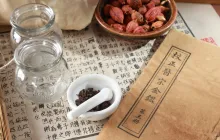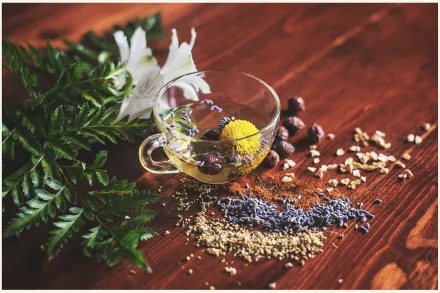
Herbal teas have long been cherished as comforting beverages that nourish the body and ease the mind. They are not merely flavorful infusions but a tapestry of plant-based compounds that can interact with physiological processes in nuanced ways. Across cultures, people have reached for herbs and flowers to soothe a restless stomach, to calm nerves, to support healthy sleep patterns, and to offer a sense of ritual that anchors daily life. In modern times, the appeal of herbal teas lies not only in the sensory pleasure of aroma and taste but also in their potential to contribute to wellness without the stimulant effects of caffeine. This article explores the diverse landscape of herbal teas, how they work in the body, and the ways different herbs can support comfort, balance, and resilience in everyday health practices, all while emphasizing mindful preparation and enjoyment.
Historical roots and modern appeal
For centuries, the practice of preparing herbal decoctions and infusions has been woven into the fabric of traditional medicine and culinary culture. Communities around the world have cultivated gardens of healing plants, preserving recipes passed along through generations. The act of brewing a cup of herbal tea has often carried with it a sense of ceremony, a quiet space in which nourishment and intention converge. In contemporary wellness culture, herbal teas continue to gain attention as accessible, caffeine-free options that can be tailored to personal needs. The modern context intertwines time-honored wisdom with emerging insights from science, creating a bridge between ancestral knowledge and evidence-informed exploration. It is in this continuity that herbal teas are most meaningful, offering a daily possibility for nourishment, mindfulness, and gentle restoration.
What makes herbal teas different from regular tea
Herbal teas are made from the dried leaves, flowers, stems, roots, or barks of plants other than Camellia sinensis, the plant that yields true tea leaves such as green, black, and oolong teas. As a result, many herbal infusions are naturally caffeine-free, which can make them appealing for evening consumption or for people who wish to limit stimulant intake. The flavor profiles of herbal blends arise from a rich array of essential oils, volatile compounds, tannins, organic acids, and other phytochemicals that dissolve into hot water during steeping. These compounds may exert soothing, antioxidant, anti-inflammatory, digestive, or mood-regulating effects, depending on the herb and its preparation. Because herbs vary widely in concentration and potency, attention to sourcing, freshness, and proper extraction can influence the overall wellness experience. Understanding that herbal teas are best thought of as a complementary practice rather than a singular remedy helps maintain a balanced perspective about their benefits and limitations.
Active compounds and how they support wellness
Herbal infusions draw their potential benefits from a spectrum of bioactive constituents, including flavonoids, terpenes, polyphenols, mucilages, alkaloids, and volatile oils. Flavonoids contribute antioxidant protection that helps to neutralize free radicals, supporting cellular health and immune resilience in a general sense. Terpenes and essential oils give rise to aromatic compounds that can influence mood, digestion, and respiratory comfort through gentle interactions with the nervous and gastrointestinal systems. Mucilages found in plants like marshmallow and slippery elm can form a soothing coating on mucous membranes, which may ease throat irritation or cough reflexes. Alkaloids and other phytochemicals in some herbs support metabolism, inflammation management, or liver function in nuanced ways that depend on dosage and individual physiology. Recognizing this variety helps illuminate why different herbal teas can be aligned with different wellness goals, whether one seeks calm, digestion support, or immune comfort. It is important to consider potential interactions with medications and to choose herbs with awareness of individual health conditions or pregnancy status, as some compounds can have contraindications for certain people.
Chamomile and sleep support
Chamomile is renowned for its gentle, soothing properties, often cited as a helps-rest kind of herb that can ease transitions into sleep. The plant contains compounds that may interact with receptors involved in the regulation of the sleep-wake cycle and relaxation responses, contributing to a sense of calm when fatigue or restlessness arises. When prepared as a warm infusion, chamomile releases subtle floral aromatics that act in concert with its phytochemicals to create a comforting sensory experience. For many, a cup of chamomile before bed becomes part of a nightly ritual that signals the body to slow down, encouraging a more restorative rest. However, it is worth noting that some individuals may have sensitivities or allergies to chamomile, and those with ragweed-related allergies should exercise caution due to potential cross-reactivity. In everyday use, chamomile can be a reliable companion for quiet evenings, gentle nerves, and a softening of tension tied to daily stresses, all without relying on pharmaceutical sedatives.
Peppermint and digestive balance
Peppermint is a classic herb in the realm of digestive comfort, providing a cooling aroma and a bright, refreshing flavor that many people enjoy. Its primary active component, menthol, is thought to influence smooth muscle relaxation in the gastrointestinal tract, which can help ease cramps, bloating, and minor stomach upset for some individuals. Peppermint tea is often consumed after meals or during episodes of abdominal discomfort as part of a broader approach to digestive wellness. Beyond physical effects, the scent of peppermint can provide a momentary sense of uplift and clarity, contributing to a more relaxed state that supports healthy digestion. It is important to note that peppermint tea can interact with certain conditions, such as gastroesophageal reflux disease (GERD) for some people, and it may temporarily alter the absorption of some medications. As with all herbal choices, moderation and situational awareness are key to getting the most benefit without unintended effects.
Hibiscus and cardiovascular wellness
Hibiscus tea stands out for its vibrant color and tart flavor, which comes from anthocyanins and other polyphenols abundant in the flowers. These compounds have been studied for their potential to support healthy blood pressure levels and vascular function as part of a balanced diet that includes modest sodium intake and regular physical activity. Hibiscus infusions can be a flavorful way to incorporate plant-derived antioxidants into daily routines, with some research suggesting a modest reduction in systolic blood pressure for certain individuals when consumed regularly as part of a healthy lifestyle. The tart brightness of hibiscus also lends itself to blends with citrus and other herbs, creating a refreshing beverage that can be enjoyed hot or cooled. People with a known sensitivity to acidic foods or citrus may wish to moderate hibiscus intake, as the tangy profile is highly noticeable and can interact with digestive comfort for some individuals.
Ginger for digestion and anti-inflammatory action
Ginger has a long-established role in supporting digestive comfort, including the propulsion of movement through the digestive tract and the alleviation of occasional nausea. The fresh root contains gingerols and shogaols, compounds that contribute to its characteristic warmth and the spicy aroma that accompanies a well-made infusion. Beyond digestive support, ginger is recognized for its anti-inflammatory properties and potential to ease muscle discomfort and joint tenderness when incorporated into a routine that includes balanced nutrition and activity. A cup of ginger tea can be particularly comforting in cooler weather or during times of mild gastric distress, offering warmth and a sense of resilience. Like any potent herb, ginger can interact with certain medications such as anticoagulants or antiplatelet agents, so individuals taking prescription therapy should consult with a healthcare professional if there are concerns about interactions or digestive sensitivity.
Lemon balm for mood and calm
Lemon balm offers a bright, lemony aroma and a calming influence that many people find helpful when stress, overthinking, or restlessness intrude on daily life. The herb has been examined for its potential to support a balanced mood and improved sleep quality, particularly when used as part of a soothing evening routine. The aromatic compounds contribute to a sense of freshness, and the infusion itself provides a soft, mellow flavor that can be enjoyed without the heaviness of caffeine. As with other herbal options, responses vary among individuals, and lemon balm should be consumed in moderation by those with thyroid concerns or those taking sedative medications, since it may interact with central nervous system activity in sensitive individuals. The overall takeaway is that lemon balm can be a gentle ally for emotional balance and restorative rest within a broader wellness practice.
Tulsi and adaptogenic balance
Tulsi, also known as holy basil, is revered in many traditions for its adaptogenic qualities, which are thought to help the body adapt to physical and mental stress. In tea form, tulsi offers a fragrant, slightly peppery and sweet profile that can contribute to a sense of steadiness and focus without causing drowsiness. The plant contains a diverse range of phytochemicals that may support immune function, respiratory comfort, and metabolic balance in subtle ways, particularly when used regularly as part of a balanced diet. Tulsi blends often pair well with citrus notes or cooling herbs, creating a harmonious cup that can be enjoyed at various times of day. As with all adaptogens,individual responses differ, and it is prudent to monitor how tulsi interacts with other herbs, medications, or health conditions before incorporating it into a daily regimen over extended periods.
Rooibos and antioxidant-rich hydration
Rooibos is a caffeine-free infusion sourced from the Aspalathus linearis plant native to certain regions of South Africa. Its reddish infusion carries a naturally sweet and nutty flavor, which many people appreciate on its own or in blends. Rooibos contains a range of polyphenols that contribute antioxidant properties and may support skin health, immune function, and general cellular resilience. People often choose rooibos as a late-evening beverage due to its soothing quality and lack of stimulating compounds. The mineral content in rooibos, including small amounts of calcium and magnesium, can contribute to hydration and overall mineral balance as part of a varied and mindful intake of fluids. High-quality rooibos should be free from contaminants, and those with iron absorption concerns or specific health considerations may want to consult a professional about consistent consumption levels.
Lavender and soothing effects
Lavender tea offers aromatic compounds that have long been associated with relaxation and a sense of calm. Its floral notes can accompany a quiet moment, supporting mood regulation and a gentle sense of well-being when life feels chaotic or demanding. The essential oils released during steeping mingle with other herbs in blends to create a soothing sensory experience that some people find helpful before sleep or during periods of heightened tension. Lavender is generally well tolerated, but individuals with allergies to plant family members or those who are pregnant should seek guidance from a healthcare professional regarding safety and appropriate usage. Used thoughtfully, lavender tea can be a comforting addition to an overall wellness routine focused on balance and restorative rest.
Licorice root and throat comfort
Licorice root has a distinct sweetness and is often included in blends intended to soothe throat irritation or cough. The mucilaginous compounds and flavor constituents can provide a gentle coating that eases throat discomfort and delivers a comforting sensation in the mouth. However, licorice root contains glycyrrhizin, a compound that can influence electrolyte balance and blood pressure when consumed in excess or by individuals with certain medical conditions. For this reason, licorice-containing teas should be used with caution by those who have hypertension, kidney issues, or are taking medications affecting potassium levels. In moderate amounts and under appropriate circumstances, licorice root can contribute to a comforting, therapeutic feel within a carefully chosen blend, particularly during seasonal throat issues or mild upper respiratory discomfort.
Safety, mindful consumption, and quality considerations
As with any herbal practice, safety and thoughtful selection are essential components of a beneficial experience with herbal teas. The quality of dried herbs, the ratio of ingredients in a blend, and the duration of steeping all influence the final cup. Clean, properly stored herbs maintain stronger flavors and more consistent phytochemical profiles, while oversteeping can release tannins or concentrated compounds that may irritate the stomach in sensitive individuals. People with allergies to certain plants, those who are pregnant, individuals taking prescription medications, or anyone with chronic health conditions should seek professional guidance to identify any potential interactions or contraindications before incorporating a wide array of herbal teas into routine consumption. When choosing blends, opting for reputable sources that disclose ingredients, processing methods, and origin can support a positive and predictable experience. Moderation remains a prudent guideline, as even herbally potent components can couple with bodily systems in meaningful, sometimes subtle, ways that accumulate over time.
Practical guidance for making the most of herbal teas daily
Making the most of herbal teas involves aligning choices with personal goals, mindful preparation, and listening to the body's responses. Start with fresh, high-quality dried herbs or whole flower and leaf blends that have been stored in a cool, dark, and dry place to preserve aroma and potency. A standard steeping time for most herbal infusions ranges from five to ten minutes, though some bolder blends may benefit from a longer infusion to extract aroma and phytochemicals more fully. The water temperature for herbal teas typically approaches simmering, around ninety to ninety-five degrees Celsius, depending on the herb and the desired intensity. It can be helpful to vary infusion times and flavors across the day to support different wellness aims, such as a gentle wakefulness in the morning from a citrus-ginger blend or a calming nightcap featuring chamomile and lavender. Pairing herbal teas with meals or with quiet moments can also deepen the sensory and reflective aspects of daily self-care, turning a simple cup into a small, meaningful ritual that supports consistency without enforcing rigidity.
In embracing herbal teas as a component of wellness, it is valuable to cultivate an awareness of how the body responds to different herbs, while maintaining flexibility to adjust blends and frequencies. A diet and lifestyle approach that emphasizes hydration, variety, and balanced nutrition enhances the benefits that herbal teas can offer. The practice becomes less about chasing a single, definitive effect and more about nurturing a steady, compassionate relationship with one's own physiology, taste preferences, and daily rhythms. By treating herbal teas as a complementary practice rather than a replacement for medical care, individuals can enjoy them as a beneficial companion that aligns with broader wellness goals and a mindful way of living. The result is a daily habit that honors the connection between nature, nourishment, and personal well-being, inviting ongoing exploration and a sense of quiet empowerment through the simple act of brewing a cup. The journey through herbal teas is one of ongoing discovery, where flavor and function intersect in ways that celebrate both tradition and personal experience, offering a gentle but meaningful path toward sustained wellness.