Defining Whole Foods and Their Place in Diets
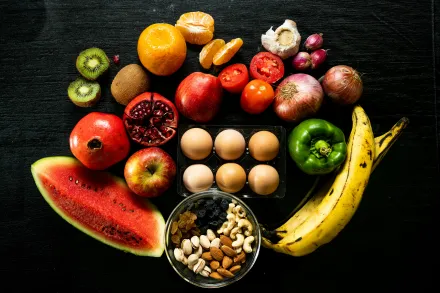
Whole foods represent a broad category that emphasizes foods in their natural or minimally processed state, with most of their inherent nutrients intact and with little to no additions that would alter their foundational composition. In practical terms, this means vegetables, fruits, legumes, nuts, seeds, whole grains, and animal products that have not been heavily transformed by industrial processes. The defining characteristic is that these foods retain their cellular structure, their fiber, vitamins, minerals, and a spectrum of phytochemicals that work together to support metabolic processes. When people speak about whole foods, they often contrast them with ultra processed items that carry added sugars, refined starches, unhealthy fats, artificial flavors, and a long list of additives. The contrast is not a moral judgment but a clarification of what the body can more readily recognize, absorb, and utilize from a nutritional standpoint. In a dietary pattern focused on whole foods, the emphasis is on minimizing highly refined compounds and preserving the complex matrix of nutrients that evolves through natural growth, harvest, and simple preparation methods. This perspective aligns with the idea that foods function as more than the sum of their isolated nutrients, and it invites a broader view of health that includes digestion, microbiome balance, satiety, energy regulation, and long term resilience to illness only partly attributable to individual vitamins or minerals. Within this framework, a single piece of fruit, a bowl of beans, a handful of almonds, or a serving of brown rice can contribute not only macros but a suite of bioactive compounds that support tissue maintenance, immune readiness, and steady metabolic signaling. The practical upshot is that dietary choices rooted in whole foods tend to promote consistent energy availability, stable appetite, and a spectrum of micronutrients that support every tissue from bone to brain to skin. When people pursue this style of eating, they often adopt a pantry approach that prioritizes whole, recognizable foods and places less emphasis on items that have undergone extensive processing or that arrive with a long ingredient list and little fiber. In this light, whole foods become not merely a list of items but a philosophy about how to nourish the body with a diverse range of nutrients working together over time to sustain health.
From a culinary perspective, embracing whole foods invites a broader repertoire of flavors, textures, and techniques that can make healthy eating both satisfying and sustainable. Vegetables can be prepared in countless ways that preserve their natural compounds, while grains can be chosen in forms that retain germ and bran for fiber and micronutrients. Legumes offer plant-based protein alongside resistant starch that supports gut health, and a spectrum of nuts and seeds provides healthy fats, minerals, and concentrated sources of energy. In animal-centered options, the emphasis is often on minimally processed sources such as fresh fish, eggs, lean cuts, and dairy products that have undergone limited aging or processing, preserving their fat-soluble vitamins and amino acid profiles. The emerging consensus in nutrition science is not an insistence on perfection but a practical invitation to incorporate more whole foods into daily meals while recognizing that occasional indulgences or pragmatic substitutions can coexist with a healthful pattern. This approach also accommodates cultural diversity, flavor preferences, and varying access to foods, underscoring the flexible yet principled nature of a whole-food ethos. As individuals experiment with what works in different climates, kitchens, and budgets, the emphasis remains on simplicity, nutrient density, and a balanced plate that blends complexity with accessibility.
In scientific discussions, defining whole foods involves considering their processing footprint, their degree of refinement, and how much of the original plant or animal tissue remains after preparation. A whole grain retains its bran and germ, contributing fiber, B vitamins, and minerals, whereas refined grain products lose portions of these components during milling. An intact vegetable or fruit retains a matrix of fiber, water, and phytonutrients that can influence digestion and microbiota in ways that go beyond isolated carbohydrate or vitamin content. Similarly, a legume that is soaked, cooked, and eaten whole offers a synergy of fiber, protein, and micronutrients that are not fully captured by any single extracted nutrient. This understanding helps explain why dietary patterns built around a diverse array of such foods often correlate with favorable health outcomes. It also invites people to think about preparation methods—such as steaming, simmering, fermenting, and light sautéing—as ways to optimize nutrient availability while preserving structural integrity. In short, defining whole foods is as much about the source and processing as it is about the end product on the plate, and it invites an ongoing conversation about how to align personal tastes, cultural contexts, and scientific insights into a practical eating approach.
Historical Perspective on Diet, Nutrition, and the Rise of Whole Foods
Historically, human diets evolved through adaptation to local ecosystems, seasonal availability, and small-scale agricultural practices that preserved nutrient richness and food integrity. For the majority of human history, people consumed foods in forms that were close to their natural state, with processing limited to drying, fermenting, fermenting, cooking, and basic preservation. Traditional diets across regions frequently featured an emphasis on plant-based foods alongside animal products, with fiber-rich carbohydrates coming from whole grains, root vegetables, and legumes. In many cultures, fermentation was a central technique that transformed food safety, flavor, and digestibility while increasing the spectrum of beneficial compounds such as probiotics and organic acids. The advent of industrial agriculture and modern food processing introduced more refined ingredients, additives, and convenience-oriented products that could extend shelf life but often diluted the nutrient complexity of meals. This transformation did not simply alter what people ate; it changed the way families and communities prepared and shared meals, sometimes creating a distance between seasonal foods and daily consumption. The evolving food system also brought about disparities in access and affordability that shaped dietary patterns across different populations. Arrangements of markets, supply chains, and advertising shaped consumer choices, sometimes privileging convenience over nutrient density. Understanding this history helps explain current interest in whole foods, not as a nostalgic retreat but as a rebalanced approach that reconnects people with the nutrient-rich potentials of real ingredients and with cooking skills that support health. In many parts of the world, there is renewed attention to preserving traditional food practices that emphasize fresh produce, whole grains, legumes, and minimally processed animal products, along with fermentation, pickling, and slow cooking. This revival is not about rejecting modern knowledge but about integrating scientific insights with culinary heritage to promote sustainable and enjoyable eating patterns that can be adapted to contemporary lives.
As research began to reveal the health implications of dietary patterns, a shift toward emphasizing whole foods gained momentum in both public health recommendations and clinical guidance. Observational studies and randomized trials gradually built a picture of how fiber-rich, nutrient-dense foods support cardiovascular health, metabolic regulation, and inflammatory balance. The narrative evolved from focusing on isolated nutrients to appreciating the complex food matrix that includes fiber, micronutrients, and phytochemicals that interact in ways we are still learning to map. The historical arc thus aligns with the contemporary emphasis on whole foods as a practical framework for improving diet quality without losing sight of taste, culture, and daily realities. Communities that reengage with local farming, markets, and seasonal menus often report improvements in dietary variety, cooking confidence, and a sense of connection to land and community, all of which can contribute to long-term adherence to healthful eating patterns. In this sense, the history of the diet is also a story about social determinants, food sovereignty, and the ways in which nourishment intersects with education, economics, and equity.
Scientific Evidence Linking Whole Foods to Health Outcomes
Over the past several decades, a robust body of evidence has emerged to connect patterns rich in whole foods with favorable health outcomes across multiple organ systems. Large-scale cohort studies have identified associations between higher consumption of fruits, vegetables, whole grains, legumes, nuts, and seeds and reduced risk of chronic diseases such as cardiovascular disease, type 2 diabetes, and certain cancers. While observational data point to correlations, randomized controlled trials have begun to illuminate causal pathways, showing that increasing fiber intake, improving nutrient density, and favoring minimally processed foods can influence blood lipid profiles, insulin sensitivity, blood pressure, and inflammatory markers. It is essential to recognize that many of these effects are modest on an individual level and vary based on overall dietary context, physical activity, sleep, stress, and genetics. Nevertheless, the consistency of findings across diverse populations strengthens the case that whole foods play a meaningful role in health promotion. The mechanisms proposed include improvements in gut microbiota diversity and function facilitated by dietary fiber, a richer portfolio of antioxidants and polyphenols that may modulate oxidative stress, and slower, steadier energy release from complex carbohydrates that help regulate appetite and glycemic control. In addition, the nutrient synergy within whole foods can enhance mineral absorption, support hormonal regulation, and contribute to immune resilience. Clinicians often emphasize that the goal is not perfection, but a shift toward higher-quality options and fewer ultra-processed products, with a recognition that small, steady improvements can accumulate over time. This nuanced view supports a practical approach to dietary change that respects individual preferences and cultural practices while aiming for a healthier baseline.
Meta-analytic reviews have highlighted the incremental benefits of substituting whole or minimally processed foods for highly processed equivalents, particularly with regard to cardiovascular risk factors and diabetes incidence. These analyses also underscore the important caveat that the health effects of any dietary pattern depend on the broader lifestyle context, including physical activity, sleep, stress management, and access to nutritious foods. In this sense, whole foods contribute to health within a system of behaviors that collectively support well-being. Emerging research is starting to explore how specific components within whole foods—such as specific fibers, resistant starches, and micronutrient combinations—interact with the gut microbiome and host metabolism to influence long-term health trajectories. While this work progresses, the consensus remains that consuming a variety of plant-based and animal-origin whole foods in their least processed forms is a sound strategy for most people seeking durable health improvements.
Clinical guidelines from health organizations increasingly emphasize diet quality, diversity, and limit exposure to ultra-processed foods rather than prescribing a single blueprint. This flexibility is important because personal preferences, cultural backgrounds, and regional food availability shape what constitutes a sustainable and enjoyable eating plan. The body of evidence also supports focusing on dietary patterns rather than isolated nutrients, recognizing that the matrix of fiber, phytonutrients, minerals, and fats in whole foods interacts in complex ways to influence metabolic health. Researchers continue to investigate how early-life nutrition, epigenetic factors, and lifelong dietary patterns combine to affect disease risk, but the practical takeaway for individuals remains clear: prioritizing a range of whole foods contributes to healthier outcomes and greater resilience against common health challenges.
Categories of Whole Foods and Their Nutrients
Whole foods span a broad spectrum of categories, each contributing a unique constellation of nutrients and health-promoting compounds. Fruits and vegetables provide vitamins, minerals, fiber, and a wide array of phytochemicals that support antioxidant defenses and metabolic signaling. The diversity of colors in produce often corresponds to a diverse nutrient profile and a broader spectrum of bioactive compounds, which may interact synergistically to support cellular health. Whole grains supply complex carbohydrates, fiber, and micronutrients such as magnesium and B vitamins, alongside phytochemicals that can modulate inflammation and lipid metabolism. Legumes offer plant-based protein alongside fiber, resistant starch, and minerals like iron and zinc, making them a central component of many healthful dietary patterns. Nuts and seeds contribute healthy fats, protein, fiber, minerals, and fat-soluble vitamins, while also delivering bioactive compounds that influence inflammation and vascular function. Lean animal products such as fish, poultry, eggs, and dairy in their least processed forms provide high-quality protein, essential fatty acids, calcium, and trace minerals that are integral to bone health and muscle maintenance. Oils that are minimally processed, such as extra virgin olive oil or cold-pressed nut oils, contribute monounsaturated or polyunsaturated fats that can favorably influence lipid profiles when used as components of a balanced diet. This mosaic of categories encourages a plate that blends plant-based foods with suitable animal-derived options, depending on personal beliefs, dietary needs, and ecological considerations, all within a framework that emphasizes nourishment and variety rather than restriction.
The antioxidant potential of many plant foods arises from polyphenols, flavonoids, carotenoids, and other compounds that can modulate oxidative stress and inflammatory pathways. Fiber, including soluble and insoluble varieties, supports gut microbiota and fosters satiety, while slow digestion helps regulate postprandial glucose response. Minerals such as potassium, magnesium, iron, and calcium are present across different whole foods and play integral roles in blood pressure control, energy production, and bone health. Proteins from legumes, grains, and animal sources provide essential amino acids in varying balances, which may shape muscle protein synthesis and recovery, particularly in active individuals. The fat profile offered by nuts, seeds, and certain fish sources supplies essential fatty acids that influence membrane function, inflammatory signaling, and brain health. For many people, the challenge lies in creating meals that combine these nutrients in appealing ways, ensuring that the intake remains enjoyable while meeting daily requirements. In this sense, the arranging of foods on a plate becomes a practical exercise in maximizing nutrient density and culinary satisfaction at once.
Dairy and dairy alternatives also form part of the whole-food conversation, with attention to calcium, vitamin D when fortified, and protein content, balanced against personal tolerance and ecological considerations. Some dairy products retain live cultures and fermentation products that can contribute to gut microbiota diversity, while others are more processed and may add sugars or additives that reduce overall nutritional quality. When evaluating dairy choices, looking for products with minimal added sugars, fewer artificial ingredients, and a short ingredient list aligns with the broader goal of preserving the nutritional integrity of foods. Eggs offer a compact source of high-quality protein and an array of vitamins and minerals, while their preparation can significantly affect digestibility and satiety ratings. In a well-rounded approach, the emphasis is on variety across food groups, ensuring that no single category dominates the diet to the exclusion of others, and that there is room for occasional indulgence within a pattern that respects nutrient balance and personal well-being.
It is important to recognize that the term whole foods encompasses both plant-based and animal-based options, and the emphasis is on the least processed forms that deliver a coherent nutritional package. In practice, this broad categorization invites creativity and personalization: a bowl of quinoa with roasted vegetables and chickpeas can stand alongside a plate of grilled salmon and leafy greens, each form contributing essential components in meaningful ways. The common thread across these categories is the integrity of the food’s matrix, the presence of dietary fiber, and the relative minimization of artificial additives. As one navigates shopping lists and meal planning, the goal is to cultivate a pantry and a kitchen workflow that consistently favors foods that offer more nutrients per bite, more satiety, and more long-term health benefits.
Mechanisms: How Whole Foods Influence Biology
Whole foods influence biology through a cascade of interconnected pathways that begin in the gut and ripple outward to influence metabolism, immune function, and cell signaling. Dietary fiber acts as a major modifier of gut ecology, feeding beneficial microbes that produce short-chain fatty acids, which in turn support the health of colonocytes, regulate inflammation, and help maintain the integrity of the gut barrier. A diverse fiber intake from fruits, vegetables, whole grains, and legumes supports microbial resilience, which has downstream effects on energy balance, mood, and immune readiness. Phytonutrients, a broad class of plant-derived compounds including polyphenols and carotenoids, participate in oxidative defense, modulate enzyme activity, and can influence gene expression related to inflammation, detoxification, and cellular repair. While the precise mechanisms differ among compounds, the general pattern is that these bioactives work in concert with vitamins and minerals to support metabolic homeostasis and stress adaptation. In many whole foods, the matrix effect matters; the combination of fiber, water, minerals, and micronutrients can alter the absorption and utilization of each component more than the same nutrients in isolation would. This synergy can result in more favorable postprandial responses for blood glucose and lipid metabolism, supporting energy stability and reducing the risk of metabolic disturbances when the diet is consistently composed of high-quality foods.
Glycemic control is another key mechanism through which whole foods influence health. Foods that are rich in fiber and have a low to moderate glycemic load tend to produce slower, steadier rises in blood glucose after meals, which supports pancreatic function and insulin sensitivity over time. This effect is particularly relevant for people at risk of type 2 diabetes or those managing weight, since stable glucose and insulin signaling can reduce cravings and promote sustainable energy balance. Moreover, the fats present in whole foods, such as those in nuts, seeds, and fish, contribute to improvements in lipid profiles and can aid in satiety, which helps with portion control and long-term adherence to healthy patterns. The presence of micronutrients such as magnesium, potassium, zinc, and iodine in whole foods supports enzymatic reactions, fluid balance, and thyroid function, all of which are critical to energy, mood, and cognitive performance. In addition, adequate intake of calcium and vitamin D from dairy or fortified foods and sunlight or supplementation supports bone health and immune competence, adding another layer to the health-promoting potential of a whole-food pattern.
Beyond the biochemical pathways, whole foods influence behavior and physiology in ways that matter for long-term health. Higher fiber intake, for example, increases satiety and reduces caloric density without diminishing satisfaction, which can facilitate healthier weight management. The sensory experience of eating real foods—from aroma to texture to flavor—can enhance meal satisfaction and reduce the appeal of highly engineered snacks that offer quick energy but little nutritional value. Psychological and social factors intersect with biology: enjoying meals with others, cooking from fresh ingredients, and participating in food traditions can strengthen adherence to healthful eating patterns and support mental well-being. In sum, whole foods support biology through a blend of nutrient synergy, microbiome modulation, metabolic signaling, and behavioral reinforcement that together promote resilience against metabolic and inflammatory diseases.
The cumulative impact of these mechanisms is most evident when whole foods form the backbone of daily eating patterns rather than appearing as sporadic additions. A routine that consistently centers on plant-forward meals, balanced protein sources, and moderate portions of nutrient-dense fats can influence blood markers, energy levels, and inflammatory status over months and years. It is also important to acknowledge individual variation; genetics, microbiome composition, and life stage can shape how people respond to different food matrices. Nonetheless, the broad mechanistic picture supports the practical advice of prioritizing whole foods, not only for disease prevention but also for immediate improvements in how a person feels, performs, and recovers from daily activities. This holistic lens reinforces the idea that health is a dynamic state built from everyday choices that collectively steer biology toward stability and adaptability.
Practical Strategies for Incorporating Whole Foods Daily
Integrating whole foods into daily life can begin with small, repeatable swaps that yield meaningful benefits over time. Start by making vegetables the centerpiece of meals, adding a colorful variety that covers different textures and flavors. When possible, choose whole fruits instead of juice to preserve fiber and slow digestive absorption, contributing to a stronger sense of fullness. Replacing refined grains with whole-grain options such as oats, barley, brown rice, or quinoa introduces more fiber and micronutrients while maintaining energy levels. Legumes, when included regularly, offer plant-based protein and fiber, supporting satiety and digestive health. Nuts and seeds can be added as snacks or toppings to provide healthy fats, minerals, and a satisfying crunch that elevates meals without relying on ultra-processed ingredients. Preparing meals at home and using simple cooking methods—like steaming, simmering, roasting, or light sautéing—helps retain nutrient integrity and reduces exposure to unnecessary additives. Creating a familiar cooking routine can also decrease reliance on convenience foods that are high in sodium, added sugars, and artificial flavors. In addition, planning meals around seasonal produce supports freshness, flavor, and nutritional quality while often translating into cost savings. This practical approach underscores the idea that small decisions, repeated consistently, accumulate into lasting dietary improvements.
Another strategic emphasis is on diversified protein sources across the week. Rather than relying exclusively on a single protein, blending plant-based options with moderate portions of animal proteins from sustainable sources can deliver complete amino acid profiles while keeping the overall diet varied. Quick, nutrient-dense meals can be built around whole foods like legumes with whole grains, vegetables with lean proteins, and fruit-based desserts that satisfy cravings without undermining nutrition. Food preparation routines can be adapted to fit busy lifestyles by batch cooking on weekends, using slow cookers, or employing simple roasting methods that preserve flavor and nutrient density. The goal is to cultivate an environment in which whole foods are readily accessible, clearly labeled, and easy to integrate into family meals. Consistency matters more than perfection, and even gradual improvements in the quality of ingredients can yield substantial health dividends over months and years.
When shopping, prioritizing the perimeter of the grocery store—where fresh produce, dairy, and fresh proteins are typically located—tends to increase the likelihood of choosing whole foods. Reading labels for minimal processing, avoiding items with long ingredient lists and added sugars, and selecting products with recognizable components supports a more nutrient-dense diet. Cooking at home, using a repertoire of flavors and techniques, not only improves nutrient intake but also enhances enjoyment and motivation to maintain healthy habits. It is important to acknowledge that access and affordability influence choices; seeking community-supported agriculture programs, farmers markets, cooperative groceries, and budget-friendly whole-food options can make this approach more feasible for diverse populations. The overarching message is clear: small, deliberate choices about ingredients, preparation, and sourcing can transform daily meals into powerful drivers of long-term health.
Incorporating variety is another practical principle. A week of meals that includes a spectrum of colors, textures, and flavors ensures a broad range of nutrients and minimizes the risk of deficiencies. This diversity also supports a robust gut microbiome, which thrives on different types of fiber and plant compounds. For families with children, introducing familiar produce in familiar forms and involving kids in simple cooking tasks can foster positive relationships with food and build lifelong habits. Adults can experiment with new grains, legumes, and vegetables, expanding culinary horizons while maintaining nutritional quality. The life course perspective recognizes that different life stages—growth, pregnancy, lactation, aging, and athletic training—require adjustments in quantity and quality, but the principle of prioritizing whole foods remains constant as a foundation for health. In sum, practical strategies emphasize accessibility, habit formation, and a proactive stance toward food choices that sustain energy, mood, and physical capacity.
Challenges and Misconceptions about Whole Foods
Despite the appeal of whole foods, several challenges and misconceptions can hinder their adoption or understanding. Cost perceptions are common, with some people assuming that nutrient-dense options are always expensive. In reality, the cost of whole foods can be managed through strategies like shopping for seasonal produce, choosing staple grains in bulk, incorporating legumes as economical protein sources, and planning meals to minimize waste. Time constraints are another barrier, as cooking from scratch may seem daunting in busy lifestyles. However, batch cooking, simple meal structures, and using quick methods such as steaming or sautéing can streamline the process and still preserve nutrient density. Access to fresh produce may be limited in some neighborhoods, creating inequities that disproportionately affect certain populations. Community programs, transit-friendly markets, and cooperative setups can help address these gaps by increasing availability and affordability of whole foods. Misconceptions about all processed foods being harmful and all whole foods being perfect should be avoided; there is room for flexibility, including occasional indulgences or culturally diverse dishes that incorporate both traditional and contemporary ingredients. The key is to aim for a steady improvement in overall diet quality rather than pursuing an unattainable ideal that ignores real-world constraints.
Another challenge relates to the labeling and interpretation of what counts as “whole.” Some products marketed as “natural” or “organic” may still undergo processing that reduces nutrient density or adds sugar and salt. This is not a condemnation of all natural or organic options but rather a reminder to scrutinize labels, examine the ingredient list, and prioritize foods that retain their fiber, micronutrients, and minimal additives. Cultural and personal preference also shape choices; what counts as a whole food in one culture might differ in another, and a flexible, inclusive approach helps people sustain healthy patterns without feeling alienated. Education about reading labels, understanding processing stages, and recognizing the value of whole-food ingredients can empower individuals to make informed decisions. In this sense, the conversation about whole foods is as much about critical thinking and practical skills as it is about taste and nutrition.
Finally, there is ongoing debate about the role of meat, dairy, and animal products in healthy diets. Some individuals choose plant-based patterns for ethical or environmental reasons, while others include animal-derived foods in modest, well-sourced forms. The central message remains that whole foods, whether plant or animal-based, should be prioritized in their least processed state and integrated into a dietary pattern that respects personal values, health goals, and ecological considerations. This balanced view helps prevent oversimplification and supports a compassionate, evidence-informed approach to nutrition that can be adapted over time as new research and technologies emerge.
Role of Whole Foods in Special Populations
Special populations, including pregnant individuals, children, older adults, athletes, and people with chronic diseases, often have unique nutritional needs that can be met through carefully planned whole-food choices. For pregnant individuals, nutrient density, including adequate folate, iron, calcium, and iodine, is particularly important, and whole foods can help ensure steady nourishment for both mother and developing fetus. In childhood, establishing a foundation of colorful fruits and vegetables, together with reliable sources of protein and calcium, supports growth, cognitive development, and long-term dietary habits. Older adults may benefit from fiber-rich foods to support gut health, bone maintenance, and metabolic regulation; protein intake remains crucial for preserving muscle mass and functional capacity. Athletes and physically active individuals frequently require higher calorie intake and balanced macronutrients to support training adaptations, recovery, and performance, and whole foods can provide the quality calories and micronutrients necessary for sustained effort. For people managing chronic conditions such as hypertension, diabetes, or inflammatory diseases, a strategic emphasis on vegetables, high-fiber grains, lean proteins, and healthy fats can complement medical treatments and support better symptom control. In each case, personalization matters; clinicians, dietitians, and caregivers work with individuals to tailor whole-food choices that respect taste, cultural context, budget, and access while maintaining essential nutrient adequacy. Guidance often centers on establishing consistent meal patterns, ensuring a variety of nutrient-dense options, and balancing enjoyment with health objectives.
Families can foster healthy eating environments by involving children in selecting seasonal produce, explaining why color and texture matter, and turning cooking into a shared activity rather than a distant chore. For older adults, strategies such as nutrient-dense meals, fortified options when necessary, and easy-to-chew preparations can support autonomy and quality of life. In all cases, the emphasis remains on the integrity of foods, their preparation, and how they fit into a broader lifestyle that includes physical activity, sleep, stress management, and meaningful social connections. The practical upshot is that whole foods are not a one-size-fits-all prescription but a flexible framework that can accommodate diverse needs while supporting health, vitality, and a positive relationship with food.
Public Health, Sustainability, and Accessibility
From a population health perspective, promoting whole-food patterns intersects with environmental sustainability and social equity. Diets centered on plant-rich, minimally processed foods tend to align with lower ecological footprints when compared to those heavy in animal products or ultra-processed items, particularly when production methods emphasize sustainable farming, reduced waste, and efficient distribution. However, the real-world application of such patterns must account for regional climate, soil health, water availability, and the capacity of local food systems to provide consistent, affordable access to fresh produce and whole grains. Public health initiatives benefit from linking nutrition education with food system improvements, including farmer-led supply chains, community kitchens, nutrition assistance programs, and incentives that encourage retailers to stock high-quality whole-food options in underserved areas. These strategies aim to reduce disparities in diet quality that arise from cost, access, and information gaps, contributing to healthier communities without imposing rigid dietary mandates. The ethical dimension of promoting whole foods involves acknowledging cultural diversity, supporting local food economies, and respecting consumer autonomy while providing clear, evidence-based guidance about how to build nourishing eating patterns over the life course.
On an individual level, the sustainability conversation complements the health benefits of whole foods by highlighting waste reduction, seasonal eating, and the reduced need for long-distance transportation when feasible. People can adopt practices such as shopping with a weekly plan, choosing produce with minimal packaging, and utilizing home composting to close the loop on organic matter. Education about cooking techniques that maximize yield from affordable staples can also empower households to maintain nutrient density within budget constraints. The interplay between individual choices and community systems is central to making whole-food recommendations practical and durable in diverse settings. When health messages are paired with tangible steps for improving the food environment, people are more likely to sustain healthier habits and feel empowered as stewards of their own well-being.
The accessibility dimension involves ensuring that communication about whole foods is culturally resonant and practically implementable. Tailoring messages to different languages, traditions, and neighborhood realities helps avoid the oversimplification that can accompany broad guidelines. This approach recognizes that healthful eating is not only a medical or nutritional act but a social practice shaped by family routines, price signals, and the availability of familiar ingredients. In the long run, the synergy between health promotion and sustainability goals can foster a more resilient food system that supports healthy eating patterns while reducing waste and supporting producers who adopt environmentally responsible practices.
Ultimately, the public-health narrative around whole foods emphasizes both prevention and empowerment. Encouraging people to explore a broader palette of plant-based options, to incorporate a diverse array of whole grains, to select minimally processed animal products when appropriate, and to prepare meals with attention to flavor and texture creates a sustainable path toward better health. It also invites policymakers, educators, healthcare professionals, and communities to work together to build environments where making nourishing food choices is easier, more affordable, and more aligned with the values people hold about health, the planet, and future generations.
Future Directions in Research and Policy
The science of whole foods continues to evolve as researchers pursue deeper understandings of how food matrices interact with genetics, microbiomes, and chronic disease pathways. Advances in nutrigenomics, metabolomics, and microbiome profiling are starting to reveal more precise ways in which individual responses to whole-food patterns may vary. This research holds promise for tailoring dietary advice to personal biological signatures while preserving the broader public health benefits of whole-food-based eating. As data accumulate, there is growing interest in identifying which components, or combinations thereof, contribute most strongly to specific outcomes, while recognizing that context matters as much as composition. Policy implications of these insights could include more nuanced dietary guidelines, improved front-of-package labeling that reflects whole-food context, and incentives that support farmers and retailers in offering high-quality, locally sourced options. The challenge lies in translating complex scientific findings into practical guidance that is accessible to diverse audiences and adaptable to changing food systems. This balance between rigor and relevance will shape how recommendations evolve over time and how communities implement them.
Another area of policy emphasis concerns equitable access to whole foods. Scholars and practitioners increasingly highlight the importance of addressing structural barriers that limit the ability of some populations to purchase, prepare, and enjoy high-quality foods. Initiatives may include subsidies for fresh produce, investments in community markets, nutrition education that respects cultural preferences, and transportation programs that reduce the burden of reaching grocery stores with healthy options. By aligning health messaging with social interventions, policymakers can support broader improvements in diet quality that extend beyond individual choices. This integrated approach also recognizes the environmental costs and benefits of different dietary patterns, encouraging a shift toward sustainable practices that do not compromise nutrition or equity. As research and policy progress hand in hand, the future of whole-food health strategies is likely to involve more personalized guidance, community-driven interventions, and systemic changes that collectively advance public well-being.
In clinical practice, continued emphasis on patient-centered communication will help translate the value of whole foods into meaningful, achievable goals. Dietitians and clinicians may employ motivational interviewing, goal setting, and practical meal planning that resonates with patients’ daily lives, preferences, and constraints. Educational resources could expand to include hands-on cooking demonstrations, grocery tours, and culturally responsive recipes that showcase how to integrate whole foods within various cuisines. The ultimate objective is to empower people to make incremental, sustainable changes that accumulate into healthier long-term trajectories, with acknowledgment that progress is often non-linear and highly individualized. By combining scientific evidence with real-world applicability, the field moves toward a more nuanced and human-centered understanding of how whole foods shape health across diverse societies.
As the dialogue between science, practice, and policy continues, the core message remains steadfast: whole foods—chosen, prepared, and enjoyed with mindfulness—offer a durable foundation for health that supports vitality, resilience, and quality of life across the lifespan. The breadth of this approach, its adaptability to different lifestyles, and its alignment with broader goals of sustainability and social equity position it as a central pillar in contemporary nutrition discourse. By embracing a flexible, evidence-informed, and culturally sensitive stance, individuals and communities can harness the power of whole foods to nourish bodies, minds, and ecosystems for many years to come.