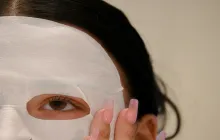
Choosing the Right Mask for Evening Use
Evening masking represents a deliberate choice to support the skin during its natural overnight repair cycle, and the best mask for this time of day should feel like a soothing companion rather than a burden. In choosing, consider the primary aim you want to achieve while you sleep: intense hydration, calm redness, or clarifying action without overloading the skin with actives. For many people, a sleeping mask or a rich cream based option delivers lasting moisture and a soft barrier that helps lock in water while you rest. Those with oilier or breakout prone skin may gravitate toward lighter gel or clay formulations that balance oil without overly stripping the skin. The decisive step is clarity about your current concerns and a mask whose ingredients match those needs, allowing for compatibility with your daytime routine and any actives you may already be using.
Skin compatibility matters as much as efficacy. A mask that feels luxurious and nourishing should not leave the skin irritated or congested after several uses. If you are new to evening masking, start with a gentle hydrating or soothing formula and observe how your skin responds over a week or two. If you wear makeup or sunscreen during the day, ensure the mask you choose can play nicely with a thorough cleanse so it can target moisture, barrier repair, or calming relief without competing for space on the surface of the skin. In general, you want a product whose primary function aligns with your skin type and seasonal needs, while avoiding ingredients that could potentially react with other products in your routine.
Texture and delivery matter because they influence how the actives are released and how the skin perceives the product at night. A sleeping mask that uses a breathable, occlusive layer can help seal in hydration without feeling heavy, whereas a wash off option can deliver a concentrated burst of actives in a shorter window. If you have sensitive skin or a history of irritation, prioritize formulas that emphasize gentle emulsions, fragrance free formulations, and soothing botanical extracts. In every case, consider the overall balance of your routine: a mask should complement cleansing, toning, serums, and moisturizers rather than disrupt the sequence or overwhelm the skin with too many potent ingredients at once.
The Role of Cleanse and Prep Before Masking
Preparation is the quiet backbone of an effective evening masking ritual. A thorough cleanse removes makeup, sunscreen, and pollutants that can create a barrier between your skin and the mask’s active ingredients. The goal is a clean canvas that allows the mask to work deeply rather than sit on top of residues. For many people a double cleanse is a sensible starting point: first a gentle oil or balm to dissolve makeup, followed by a water based cleansing step to remove any remaining particles and to restore a comfortable skin surface. When done with care, cleansing leaves the skin ready for hydration, barrier repair, and any targeted treatment the mask may deliver.
Beyond cleansing, consider how your skin’s pH influences product performance. A toner or hydrating mist with soothing ingredients can help restore or maintain pH balance after cleansing and before mask application. If your routine includes chemical exfoliants or strong actives, you may want to space those applications from masking nights to prevent overuse or irritation. A quick test of patience and observation goes a long way: observe the skin the next morning after your first few masking sessions, noting how it feels, whether there is any tightness, tingling, or redness, and whether the mask seems to improve or irritate the texture over time. Gentle prep sets the stage for consistent, healthy results from evening masking.
In addition to cleansing and balancing, consider a light application of a serum or essence that targets your specific needs before the mask goes on. This step should be lightweight and fast absorbing so that the mask can sit on the surface rather than compressing or layering too many substances. The aim is to support the mask’s action with a compatible, well tolerated primer that does not interfere with the mask’s hydration or occlusion. The combination of a clean surface and a prepared skin barrier yields more reliable penetration of moisture, peptides, antioxidants, or soothing compounds the mask may contain.
Building a Nighttime Masking Routine
A well rounded nighttime masking routine begins with timing and consistency. Decide how many nights per week you plan to mask and cluster those nights to establish a habit rather than ad hoc usage. Consistency helps the skin build a predictable response to the masks’ hydration and active ingredients, and it reduces the chance of overuse or underuse. A typical pattern might involve masking two to three times a week, with the rest of the evenings focused on a lightweight routine that preserves moisture and supports barrier repair. The key is to tailor the frequency to your skin’s response, seasonal needs, and lifestyle factors rather than following rigid rules that do not reflect your actual experience.
Layering order matters as well. After thorough cleansing and a gentle tone or essence, apply any targeted serums with a water or gel base, then move to the mask. If you are using a sleeping mask, this becomes the final step of your night routine, forming a protective veil that helps lock in moisture and active ingredients while you sleep. If you are using a wash off mask, the application should be followed by a lightweight moisturizer to seal in hydration and to prevent moisture loss after rinsing. The general principle is to avoid stacking too many high performance actives at once; instead, prioritize masks that complement what you have used earlier in the evening and the moisturizer that follows.
Environmental conditions can influence masking outcomes. In dry climates or during low humidity seasons, prioritizing masks with humectants like glycerin or hyaluronic acid is a sensible approach because these ingredients pull moisture into the skin while the occlusive layer of the mask helps prevent it from escaping. In humid climates, you might choose lighter gel textures or sleeping masks that still hydrate but feel breathable on the skin. The idea is to craft a routine that feels comfortable, supports your skin’s barrier, and remains consistent across the week, month, and year.
Ingredients to Look For in Evening Masks
When you skim through ingredient lists, a few categories typically signal a product that can do well overnight. Hydration ingredients such as hyaluronic acid, glycerin, and urea are prized for drawing moisture into the upper layers of the skin and helping to maintain it there through several hours of sleep. Occlusives like ceramides, squalane, and certain natural oils create a gentle barrier that reduces transepidermal water loss, which is especially beneficial for dry or compromised skin. Antioxidants like vitamin E, green tea extract, and ferulic acid offer protection against daytime oxidative stress that can occur even at night when the skin is exposed to ambient light and environmental factors through the day and evening.
Active ingredients require careful consideration. Peptides can support skin’s repair processes and collagen synthesis, while soothing botanicals such as calendula and centella asiatica help calm irritation. For those seeking glow and brighter tone, gentle exfoliating acids like lactic or mandelic acid may be included in low concentrations in some masks with a night time design, though they should be used with caution if your skin is sensitive or if you are pairing them with retinoids or other potent actives. Fragrance free formulas are often kinder to sensitive skin and reduce the risk of irritation, though fragrance in itself is not inherently harmful to everyone. Understanding the balance between hydration, barrier support, and actives helps you select an evening mask that truly serves your skin while you sleep.
Another practical aspect is seeing how ingredients are listed and the form in which they are delivered. A product that contains multiple active ingredients may also deliver them in a manner that allows slow release over several hours, which can be beneficial for overnight use. You should also be mindful of any ingredients that might interact with daytime products, particularly retinoids or strong vitamin C formulations. Reading the ingredient panel with an eye toward ingredient synergy and potential incompatibilities helps you build a cohesive routine that avoids conflicting signals to the skin while still delivering the desired benefits overnight.
Masking Techniques for Different Skin Types
For dry and very thirsty skin, the aim is to replenish moisture and reinforce the skin’s barrier. In this case, select masks with rich emollients, larger molecules of humectants, and barrier-supporting lipids. Such masks often feel soothing and stay comfortable through the night, bringing hydration and a soft, resilient feel to the morning without leaving a greasy residue. If your skin tends toward flakiness or rough texture, you may benefit from a mask that contains ceramides and fatty acids to help normalize the skin’s surface. The goal is to create a cushion of hydration that helps the skin repair overnight and remains plump and smooth by morning.
Oily or combination skin generally responds well to lighter textures that absorb quickly and do not leave a heavy film. Gel masks or clay masks designed for overnight use can be effective when used with restraint, focusing on oil control and pore care without over drying the surface. For those with occasional breakouts, masks that combine soothing ingredients with mild exfoliation can help keep pores clear while reducing redness or irritation. The balance is to stay hydrated while offering enough clarity to prevent clogged pores, and to avoid masks that harden into a rigid layer that might irritate during sleep.
Sensitive skin benefits from masks that emphasize calm, gentle formulations. Look for soothing botanicals, minimal fragrance, and a texture that distributes evenly without tugging on the skin. Masks containing oat extract, chamomile, or bisabolol can offer comfort while still delivering moisture and barrier support. Patch testing remains essential for those prone to irritation; a sensitivity test on a small area of skin over 24 to 48 hours can alert you to potential issues before applying to the entire face for a night’s sleep.
Masking Frequency and Safety
Frequency guidelines can serve as a practical starting point for most people: masking two to three times per week is a common cadence for those who want to build a consistent routine while allowing skin to recover and respond between sessions. If your skin is very dry or dehydrated, you may find that a slightly higher frequency works, provided the formulas are gentle and do not cause buildup or irritation. Conversely, those with sensitive or reactive skin might benefit from fewer sessions and more cautious product choices. The core idea is to listen to your skin and adjust the frequency to what it tolerates well over time rather than following a rigid schedule.
Safety begins with avoiding application on irritated or compromised skin. If you notice stinging, burning, or a sharp redness after applying a mask, discontinue use and assess whether the product is suitable for your skin or if an alternative formula would be kinder. Do not mask during days when you plan to spend significant time in the sun without sunscreen, as certain active ingredients can increase photosensitivity. In addition, always end your masking with a moisturizer that suits your skin type, as this helps seal in the benefits and maintain a healthy barrier overnight. If you are using prescription skincare or professional treatments, consult with a dermatologist before adding or altering an evening masking routine to ensure compatibility and safety for your skin.
Public health minded practices also matter. Keep your masks in a cool, dry place away from direct sunlight to preserve the integrity of delicate actives. Check expiration dates and replace products as they age, especially those that contain retinoids or vitamin C derivatives that may degrade over time. A thoughtful approach to frequency, storage, and patch testing will help prevent adverse reactions and maximize the positive effects of your evening masking ritual.
Enhancing the Mask Experience with Complementary Habits
Evening routines extend beyond the mask itself, and the surrounding habits can magnify benefits. Create a soothing atmosphere in the bathroom or bedroom that signals to your skin and your mind that this is time for rest and repair. Balance warm water with a comfortable room temperature, avoid hot showers that contribute to dryness, and consider soft lighting to reduce stress while you apply and wear the mask. Comfort becomes part of the efficacy when the environment supports calm and steady breathing as you prepare for sleep, helping the skin to respond to hydration and repair processes more effectively.
Massage can be a gentle ally in the masking routine if performed with care and gentle pressure. A brief facial massage before applying the mask can improve circulation and relax facial muscles, potentially enhancing the distribution of oil and moisture after the mask is in place. After removing or rinsing the mask, a light facial massage with your moisturizer can further encourage absorption and help lock in hydration. Complementary habits such as drinking adequate water, limiting caffeine late in the day, and maintaining a regular sleep schedule also influence how well your skin repairs itself and how resilient it becomes to irritants or environmental stressors.
Finally, consider your pillowcase and bed linen. A clean pillowcase reduces the introduction of dirt, oils, and bacteria onto the skin, which can be particularly important after a hydrating or barrier-supporting mask that leaves a thin film on the surface. Choosing breathable fabrics and changing pillow cases regularly can contribute to a more comfortable night and a clearer morning complexion. These small adjustments, combined with thoughtful masking practices, create a more harmonious cycle of hydration, repair, and rejuvenation that supports long term skin health.
Common Mistakes and How to Avoid Them
One frequent misstep is layering too many heavy actives under a mask or choosing products whose ingredients conflict with the mask’s formula. For instance, combining strong exfoliants with potent retinoids or using a brand new product every night can upset the skin’s balance and lead to irritation or sensitivity. To avoid this, select a mask based on current needs, and limit pre mask actives to a simple, compatible routine. If you are experimenting with new ingredients, do so gradually and on non masking nights to gauge tolerability before incorporating them into the mask night.
Another common mistake is masking without adequate cleansing or leaving the mask on for too long. Wearing a mask over residues of makeup or sunscreen can hinder penetration and create a barrier that prevents the actives from working effectively. It is also important to adhere to the recommended duration for the mask, whether it is an overnight sleeping mask or a rinse off option, as leaving it on for too long can lead to bloating or pilling for some products. After masking, some people skip applying a suitable moisturizer, which defeats the purpose of sealing in moisture and supporting barrier recovery. The simplest cure for these issues is to maintain a minimal, predictable sequence and to respect the product’s directions to preserve its intended performance.
Storage and handling errors can also undermine masking results. Exposure to heat and sunlight can degrade delicate actives, so store masks in a cool, dry place and away from direct light. Check the expiry date and the appearance and texture of the product; if you notice separation, unusual smell, or color changes, discontinue use. Finally, ignore the temptation to mix masks together in the same night; crossing formulas can overwhelm the skin and provoke irritation. A measured approach that respects product boundaries and your skin’s tolerance is the best safeguard against these common missteps and will help you sustain healthy, glowing skin over time.