In the vast landscape of human health, antioxidants occupy a central position as guardians of cellular integrity. They are not magical cure-alls, but rather a sophisticated set of molecules and enzymatic systems that help maintain balance within the body's intricate redox networks. When functioning properly, antioxidants limit damage caused by reactive oxygen species and other free radicals that naturally arise during metabolism, exposure to environmental stressors, and inflammatory processes. The idea that dietary patterns rich in antioxidants...


Anxiety and insomnia frequently appear together in ways that reinforce one another, creating a persistent cycle that resists simple fixes. When worry intensifies on the cusp of night, the mind often revs up with racing thoughts, making it harder to settle into sleep. Conversely, when sleep is fragmented or insufficient, daytime mood and cognitive function can deteriorate, amplifying feelings of apprehension and tension. This bidirectional relationship is not merely a matter of bad luck or poor discipline; it reflects intertwined physiological, ...

Posture is more than standing straight or sitting tall; it is the steady alignment of the skeleton and the coordinated action of muscles, nerves, and connective tissues that keep the body balanced during movement and at rest. When people refer to good posture, they are describing a position where the head sits comfortably over the shoulders, the spine maintains its natural curves, and the pelvis supports the torso without excessive arching or slouching. This alignment reduces unnecessary strain on joints and soft tissues, supports efficient bre...
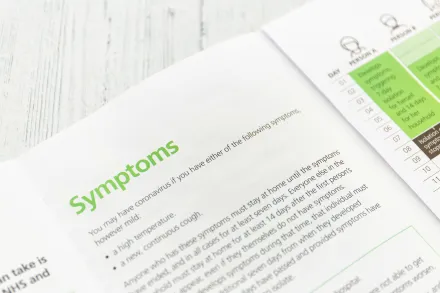
Chronic inflammation is a complex biological state characterized by a persistent immune response that can damage tissues over time. Unlike acute inflammation that helps heal injuries, chronic inflammation lingers, often without obvious symptoms, and is linked to many conditions from cardiovascular disease to metabolic disorders, autoimmune diseases, and neurodegenerative processes. Understanding the drivers and the broad range of strategies to counteract it can empower individuals to adopt daily choices that gradually shift inflammatory process...

Autoimmune flare-ups are episodes when the immune system begins to attack the body's own tissues with increased intensity, leading to a rise in symptoms such as pain, swelling, fatigue, and sometimes organ-specific signs. These episodes arise from a complex interplay of immune regulation gone awry, genetic predisposition, environmental exposures, and internal signals such as hormones and metabolism. Although the specific triggers vary from person to person, certain patterns recur: infections that briefly push the immune response beyond a safe t...

In modern life, stress often arrives as a quiet pressure in the chest, a restlessness that lingers after the phone stops buzzing, a tide that rises and falls with daily demands. Tai Chi offers a deliberate alternative to rush and reaction, a practice that invites the nervous system to slow down through gentle, continuous motion and conscious breathing. This ancient form of movement therapy does not rely on strenuous exertion or dramatic displays; instead it cultivates a soft strength that underpins a steadier mood, clearer thoughts, and a more ...
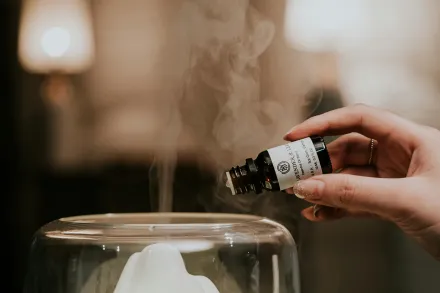
Arousing sensations in the body that are often labeled as tension arise from a complex interplay of nerves, hormones, and brain signaling that respond to perceived threats, daily pressures, and physical strain. When tension becomes chronic, the body may adopt a pattern of tightened muscles, shallow breathing, and a heightened alert state that cycles through mood, sleep, and overall energy. Aromatherapy enters this landscape not as a single cure but as a multisensory practice that can gently shift the body's balance. In practiced hands, essentia...
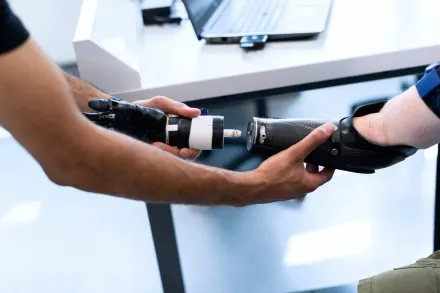
The field of rehabilitation robotics has evolved from conceptual ideas about mechanical assistance to a vibrant ecosystem of devices that are increasingly integrated into everyday clinical practice and home environments. The early demonstrations of robotic assistive devices in rehabilitation centers showed how machines could augment motor practice, measure progress, and provide consistent repetition that human therapists alone could seldom sustain over long periods. Over the ensuing decades, researchers and clinicians collaborated to design sys...

In this comprehensive exploration, mood is presented as a dynamic that has roots in biology, daily routine, environment, and personal meaning. The purpose is to offer a roadmap of natural strategies that people can adopt in everyday life to support emotional balance, energy, and resilience. Rather than seeking a single magic bullet, this article emphasizes small, sustainable changes that accumulate over weeks and months, proving especially helpful for people facing stress, fatigue, or seasonal shifts. The emphasis is on accessibility, safety, a...

Emotional resilience is the capacity to adapt in the face of stress, to recover after disruption, and to persist in pursuing what matters even when life becomes challenging. It is not a fixed trait that some people possess and others do not; rather it is a dynamic set of processes that can be cultivated through intention, practice, and support. In the experience of adults, resilience emerges from the ongoing interaction between mind, body, and surroundings, rather than from a single magical moment or a heroic gesture.