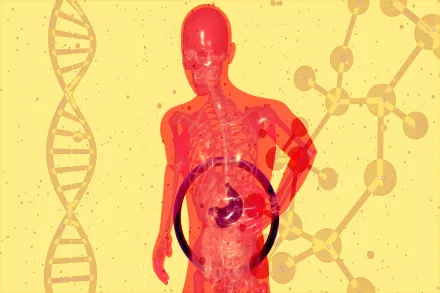
The human digestive tract is a living, dynamic highway that carries more than just food from the mouth to the exit. It is a bustling ecosystem where trillions of microorganisms interact with the lining of the gut, the immune system, the nervous system, and even distant organs like the brain and the liver. Understanding gut health means recognizing that the gut is not simply a conduit for meals but a central hub that influences metabolism, energy, mood, immune defense, and the body’s ability to manage stress and recover from illness. Within this remarkable system, structure and function intertwine in a way that makes nourishment, sleep, stress management, and physical activity all relevant to the integrity of the gut and the tone of overall wellness. The journey toward healthier gut function begins with a recognition that what happens in the gut reverberates through the entire physiology, shaping how we feel day to day and how we respond to challenges over time.
The foundational concept of gut health centers on balance. Within the gut lies a diverse community of bacteria, fungi, viruses, and other microorganisms that cohabit with human cells. When this community thrives in harmony, digestion proceeds smoothly, nutrients are absorbed efficiently, and protective barriers remain robust. When this balance is disrupted, a cascade of subtle changes can occur that ripple outward, influencing inflammation, energy levels, and even how the mind experiences alertness and mood. The idea of balance extends beyond simply avoiding disease; it encompasses the resilience of the gut’s mucosal lining, the steady production of metabolic byproducts that nourish the gut and the body, and the ability to maintain normal bowel patterns, healthy stool form, and comfortable digestion after meals. A healthy gut is a dynamic partner in daily life, adapting to dietary choices, activity levels, sleep cycles, and stress while maintaining internal equilibrium.
As a living organ system, the gut communicates with the rest of the body through a network of signals that include hormones, immune mediators, neural pathways, and microbial metabolites. This communication is bi directional. Signals from the brain can influence gut motility and sensitivity, while gut-derived signals can affect mood, energy, and cognition. The enteric nervous system, sometimes called the second brain, sits within the gut wall and can operate independently, yet it remains intricately tied to the central nervous system. This interconnected web means that experiences of stress, anxiety, or fatigue can appear as stomach discomfort or changes in appetite, just as a well rested night and a balanced meal can support clearer thinking and more robust physical performance. Appreciating this bidirectional dialogue helps explain why gut health is about more than digestion alone.
In practical terms, a stable gut begins with a foundation of high-quality, diverse nourishment and sustainable lifestyle choices. A well-balanced gut microbiome tends to thrive where a variety of plant-based foods, lean proteins, healthy fats, and adequate hydration are present, and where exposure to excessive processed foods, added sugars, and environmental toxins is minimized. While a single food or supplement cannot guarantee optimal gut health, habitual dietary patterns, regular physical activity, sufficient sleep, and targeted stress management collectively shape gut ecology in meaningful ways. Thus, nurturing the gut is an ongoing process that integrates daily habits with an awareness of one’s own digestive responses, energy rhythms, and health goals.
The Gut Microbiome and Its Roles
The gut microbiome consists of an immense community of microorganisms that inhabit the digestive tract, with the deepest microbial richness found in the colon. These tiny inhabitants perform essential functions that support digestion, nutrient extraction, and metabolic balance. They assist in breaking down complex carbohydrates that the human enzymes cannot digest on their own, producing short-chain fatty acids that fuel colon cells and regulate inflammation. They contribute to the breakdown of bile acids and other compounds, influence the way fats are processed, and participate in the synthesis of vitamins such as certain B vitamins and vitamin K. Beyond digestion, the microbiome communicates with the immune system, shaping how the body responds to pathogens and how it modulates inflammatory processes that underlie many chronic conditions. A flourishing microbiome supports the gut barrier, helps maintain appropriate intestinal permeability, and supports the development and maintenance of mucosal defenses that guard against unwanted invaders.
In addition to metabolic duties, the microbial community provides a protective layer against pathogens by occupying ecological niches and producing substances that deter harmful organisms. It also engages in cross talk with the gut’s nervous system and endocannabinoid signaling, contributing to how we perceive pain, fullness, and satiety after meals. This intricate collaboration means that even subtle shifts in microbial balance can influence appetite regulation, energy levels, and the body’s response to stress. People with a robust, diverse microbiome tend to have greater metabolic flexibility, enabling them to adapt to dietary challenges and recover more readily from illness or perturbations such as antibiotics. The opposite scenario—reduced diversity, dominance by a few species, or overgrowth of potential troublemakers—can accompany symptoms like bloating, irregular bowel movements, and heightened sensitivity to certain foods or stressors.
Developing a healthy microbiome is not a matter of chasing a perfect microbial profile, but rather cultivating conditions that support a dynamic, diverse ecosystem. Diversity often arises from a varied diet that includes fiber-rich plant foods, fermented products, and a range of nutrient-dense proteins, alongside mindful habits that minimize harmful disruptions. Gut health is a living process that can respond to seasonality, lifestyle changes, and even travel, returning toward balance when supportive routines are reintroduced. By respecting the microbiome’s role as a collaborator in digestion, immunity, and metabolic regulation, we can frame wellness as a system-wide experience rather than a collection of isolated symptoms.
The concept of resilience is central to understanding gut health. Resilience describes the gut’s ability to withstand perturbations—from a bout of gastroenteritis to a shift in dietary patterns—and to recover swiftly without prolonged dysfunction. A resilient gut maintains barrier integrity, preserves balanced immune signaling, and recovers normal motility after a temporary disturbance. Resilience is fostered by regular physical activity, consistent sleep-wake cycles, moderate stress management strategies, and a diet that provides steady nourishment for the microbiome. When resilience is built, the gut remains better equipped to adapt to the inevitable changes life brings, supporting overall well-being and sustained vitality across daily living.
The Gut-Body Connection: Beyond Digestion
The gut is not an isolated organ; it functions in a broad network that links digestion with energy, mood, cognitive function, and immune health. This connection is often described as the gut-body axis, an expansive dialogue that involves neural, immune, hormonal, and microbial signaling. For instance, certain microbial metabolites influence the production of neurotransmitters or neurotrophic factors that play a role in brain health and emotional regulation. This means that gut function can subtly influence mood, focus, and resilience to stress. Conversely, emotional states such as anxiety or sadness can alter gut motility, gastric emptying, and intestinal sensitivity, sometimes leading to symptoms like cramps or discomfort after meals. Recognizing this two-way channel helps explain why comprehensive wellness often requires addressing mental and emotional well-being as integral parts of digestive health.
Another facet of the gut-body connection involves the immune system. The gut houses a substantial portion of immune tissue, including cells specialized in recognizing pathogens and inflammatory signals. A well-regulated immune response in the gut can prevent unwarranted inflammation that might spill over into systemic tissues. When the gut barrier is compromised, microbial components can leak into the bloodstream, triggering immune responses that can contribute to fatigue, low-grade inflammation, and a range of symptoms that seem unrelated to digestion. Maintaining barrier integrity, which relies on the integrity of tight junctions between intestinal cells and a balanced microbial environment, becomes a cornerstone of systemic health. A healthy gut thus supports a balanced immune tone, which can influence susceptibility to infections, allergy, and chronic inflammatory conditions.
Movement and mechanical forces within the gut also shape how efficiently digestion occurs. The orchestrated rhythm of peristaltic contractions propels content forward, prevents stagnation, and helps regulate bacterial growth patterns along the tract. Regular physical activity tends to support healthy motility and can reduce digestive discomfort in many individuals. In addition, the gut communicates with the liver through the portal circulation, influencing how nutrients and toxins are processed and eliminated. This multi organ conversation underscores the idea that gut health is inseparable from liver function, metabolic regulation, and overall energy balance. By appreciating these interconnected channels, people can pursue lifestyle choices that support a harmonious dialogue across systems, leading to more robust wellness outcomes.
Diet as a Driver of Gut Health
Diet exerts a powerful influence on the gut microbiome and the gut’s functional capabilities. The foods we eat provide substrates that feed beneficial microbes, shape the gut’s chemical environment, and influence how efficiently we extract energy from meals. A diet rich in diverse plant fibers offers both fermentable substrates and a broad spectrum of phytonutrients that support microbial balance. When fiber enters the colon, it becomes a source of nourishment for friendly bacteria, leading to the production of short-chain fatty acids that support colon health and systemic metabolism. These fatty acids also have anti inflammatory properties, acting as signaling molecules that help regulate appetite and immune function. When fiber intake is low, microbial diversity may decline, and the gut environment can shift toward species that contribute to less favorable metabolic profiles and discomfort for some individuals.
Beyond fiber, the overall pattern of meals and the quality of fats and proteins matter greatly. Diets that emphasize whole foods, minimally processed ingredients, and a balance of fruits, vegetables, whole grains, lean proteins, and healthy fats consistently associate with a gut environment that supports health. The inclusion of fermented foods can introduce live microorganisms and compounds that may support microbial diversity, though the effects can vary between individuals. While probiotic supplements can be helpful in particular contexts, the daily dietary pattern often determines the baseline state of the microbiome more than any single supplement. In practice, listening to one’s body and noting how meals affect digestion, energy, and mood can guide adaptive adjustments that optimize gut function over time.
Hydration also interacts with digestion by aiding the movement of food through the gut and supporting the consistency of stool. Adequate fluids facilitate mucus production, digestion, and nutrient absorption, and they help maintain an environment in which beneficial microbes can flourish without creating undue constipation or bloating. A well chosen beverage strategy, favoring water and unsweetened beverages most of the time, can be a quiet but meaningful contributor to gut comfort and metabolic stability. The interplay between diet, hydration, and gut ecology highlights the importance of consistent, sustainable eating patterns rather than dramatic, restrictive diets that may disrupt microbial balance and energy levels.
Fiber, Fermentation, and Short-Chain Fatty Acids
Fiber is a cornerstone of gut health because it represents a primary fuel source for many beneficial gut bacteria. In the colon, certain fibers undergo fermentation by microbes, producing short-chain fatty acids such as acetate, propionate, and butyrate. These compounds serve as energy sources for colon cells, help regulate inflammation, and influence insulin sensitivity and metabolism. Butyrate, in particular, has a protective effect on the gut lining, helping to preserve barrier integrity and modulate immune responses. The presence of diverse fibers from a variety of plant foods leads to a more varied microbial community that can produce a broader range of metabolites, contributing to resilience and metabolic flexibility.
Fermentation is not limited to the gut’s resident microbes. It can also occur in food and in the fermentation products themselves, bringing a spectrum of living organisms and bioactive compounds into the digestive tract. Fermented foods, such as yogurt, kefir, kimchi, sauerkraut, miso, and tempeh, can introduce additional microbial strains and bioactive substances that interact with the existing microbiome. The effects of fermented foods can vary among individuals, depending on baseline microbial composition and the digestive environment. For some, these foods support digestion and tolerance; for others, they may provoke mild discomfort if introduced too rapidly or if specific sensitivities exist. Gradual, mindful introduction often works best when exploring fermentation as part of a balanced diet.
Maintaining a steady intake of diverse fibers and fermented foods supports a gut ecosystem that is capable of efficient digestion, appropriate motility, and balanced immune signaling. Keeping fiber intake consistent helps prevent abrupt shifts in microbial populations that can accompany sudden dietary changes. It also reduces the risk of gastrointestinal discomfort in sensitive individuals by promoting slower, more controlled changes in the gut environment. This measured approach is important because the gut microbiome responds to dietary inputs over days to weeks, and long term patterns tend to drive lasting change more effectively than short term adjustments.
Probiotics, Prebiotics, and Synbiotics
Probiotics are live microorganisms that, when consumed in adequate amounts, may impart health benefits beyond basic nutrition. They can help maintain microbial balance, support barrier function, and modulate inflammatory responses. The effects of probiotics are highly strain specific, meaning that different organisms can have different outcomes in different individuals. Prebiotics, by contrast, are nondigestible fibers that serve as food for beneficial microbes, fueling their growth and activity within the gut. Together, probiotics and prebiotics can form synbiotics, where the combination aims to enhance both microbial presence and substrate availability for their growth.
When considering probiotics, it is important to focus on evidence-based strains and appropriate dosages, and to be mindful of individual health status. In some situations, such as after a course of antibiotics or during gastrointestinal disturbances, targeted probiotic strategies can support recovery and reduce the duration of symptoms. For many people, daily dietary patterns that emphasize fiber-rich foods and fermented products will naturally sustain a robust microbial ecosystem without needing supplementation. Prebiotics such as inulin, resistant starches, and certain oligosaccharides contribute to microbial diversity by encouraging a broad range of beneficial bacteria, which in turn can support smoother digestion and a more balanced metabolic profile.
In clinical practice, the use of synbiotics is considered in cases where there is a desire to maximize both microbial presence and their substrate opportunities, especially in individuals with specific digestive conditions or dysbiosis. Yet even in the absence of clinical needs, an approach that prioritizes diverse plant foods and modest, consistent use of fermented items can be a practical pathway toward a healthier microbiome for many people. The focus remains on safety, gradual integration, and attention to the body’s signals of comfort or intolerance. As with all aspects of nutrition, personalization matters, and what works well for one person might require adjustments for another.
The Impact of Sleep and Stress on the Gut
Sleep quality and stress management have a meaningful impact on gut function. The relationship between sleep, circadian rhythm, and the gut is bidirectional. Disrupted sleep can alter gut motility, increase intestinal permeability, and change the composition of the microbiome. Poor sleep is often associated with heightened appetite, cravings for energy-dense foods, and reduced willpower, all of which can influence dietary choices that cascade into gut health outcomes. On the flip side, a well regulated sleep pattern supports hormonal balance, reduces systemic inflammation, and provides a stabilizing backdrop for digestion and immune function.
Stress, whether acute or chronic, exerts influence through hormonal pathways that can alter gut motility and sensitivity. The release of stress hormones like cortisol can shift the gut environment toward conditions that favor different microbial populations, potentially contributing to symptoms such as bloating, cramping, or altered bowel habits. Mindfulness practices, breathing exercises, physical activity, and sufficient rest can buffer these effects, promoting a calmer gut milieu even in the face of daily pressures. Integrating stress reduction into a wellness routine, alongside a gut-friendly dietary pattern, supports better digestion, more resilient energy, and a more balanced inflammatory profile.
It is important to recognize that the gut and the brain maintain a dynamic conversation that can be influenced by sleep and stress management. When stress levels are consistently high or sleep is chronically insufficient, the risk of digestive discomfort can rise, and the day-to-day quality of life may be affected by subtle changes in appetite, mood, and energy. Conversely, prioritizing recovery and mental well-being can improve digestive comfort, enhance nutrient absorption, and support the body’s capacity to rebalance after dietary or lifestyle changes. The gut, in this sense, benefits from the same care that supports mental health and emotional resilience.
Hydration, Digestion, and Toxin Management
Water plays a fundamental role in almost every aspect of digestion. It helps dissolve nutrients, lubricates the digestive tract, and supports the smooth transit of food through the intestines. Adequate hydration assists in the formation of soft stool that moves efficiently through the colon, reducing the risk of constipation and related discomfort. At the same time, fluids contribute to the health of the mucosal lining, enabling it to function effectively as a barrier against potential irritants and pathogens.
Beyond hydration, the liver and kidneys work in concert to process and eliminate waste products. A healthy gut can influence toxin handling by supporting a balanced microbial ecosystem that participates in metabolizing certain compounds and limiting excessive inflammatory responses. When gut function is compromised, toxins and metabolites may accumulate or be reabsorbed, which can affect energy levels, skin health, and overall well-being. A stable gut environment supports a smoother interaction with detoxification pathways, potentially reducing the burden on organs responsible for elimination and contributing to a clearer sense of vitality.
Restaurant quality and water sourcing aside, a practical approach involves drinking water consistently throughout the day, choosing beverages with minimal added sugars, and paying attention to how different fluids impact gut comfort. Caffeinated beverages, for instance, can stimulate motility for some individuals while causing irritation for others; dairy or plant-based milks may also influence digestion differently depending on lactose tolerance and gut microbiota composition. By tuning fluid choices to personal tolerance and lifestyle demands, people can support digestion without creating unnecessary stress on the system.
Gut Health Across Life Stages
Gut health evolves through the stages of life, shaped by development, hormonal changes, dietary patterns, and exposure to environmental factors. In early life, microbial colonization is influenced by the method of birth, feeding choices, and early nutrition, setting the stage for long-term gut function and immune development. As children grow, their diets broaden, and the microbiome adapts to the foods they eat, contributing to resilience and metabolic programming that can persist into adulthood. In adulthood, consistent habits tend to preserve gut balance, but life events such as travel, infections, antibiotics, and stress can perturb the ecosystem. When perturbations occur, recovery often depends on the ability to reintroduce diverse, fiber-rich foods and to maintain balanced sleep and activity patterns.
During aging, the gut and its microbiome may undergo shifts that influence nutrient absorption, inflammation, and barrier integrity. Dietary choices that emphasize nutrient-dense, easily tolerated foods can help maintain digestive comfort and support immune health. In addition, maintaining physical activity, staying socially engaged, and prioritizing restorative sleep contribute to overall digestive well-being and metabolic stability in later years. Understanding that gut health is a lifelong journey can empower individuals to adopt sustainable practices that support digestion, energy, and vitality throughout different life phases.
Across generations, a family-centered approach to gut health can reinforce positive habits and create supportive environments for healthy choices. Shared meals, mindful eating, and a culture of listening to bodily signals can help refine routines that align with individual needs while maintaining a sense of community and continuity. Although each person’s gut microbiome is unique, the underlying principles of nourishment, balance, and resilience apply broadly and can guide thoughtful decisions across ages and circumstances.
Common Gut Health Challenges and How to Address Them
Many people encounter digestive concerns that affect daily life, and addressing these issues often requires a combination of dietary adjustments, lifestyle changes, and, when needed, professional guidance. Common challenges include bloating, gas, irregular bowel movements, heartburn, and occasional abdominal discomfort after meals. A cautious approach is to observe patterns: note which foods tend to trigger symptoms, identify times of day when digestion feels sluggish, and assess the impact of stress, sleep, and activity on comfort. This awareness can inform a practical plan that emphasizes gradual changes rather than abrupt shifts that may provoke further disruption.
When addressing digestive concerns, it can be helpful to emphasize meals that are easy to digest yet nutrient-dense, favoring whole foods with gentle fiber and avoiding highly processed products that can irritate the gut. Soluble fibers found in foods like oats, bananas, and certain fruits can soften stool and ease transit, while insoluble fibers from whole grains and vegetables help maintain bowel regularity. For some individuals, fermentable carbohydrates may cause intolerance symptoms, and a period of gentle adjustment can help identify those sensitivities. In other cases, medical evaluation may be necessary to rule out conditions requiring specialized care, such as inflammatory bowel disease or peptic ulcers.
Stress management, sleep optimization, and regular physical activity can reduce the frequency and intensity of many digestive symptoms. Hydration and mindful eating—slowing down to savor meals, chews thoroughly, and listen to fullness cues—often lessen discomfort and improve digestion. A basic approach to antibiotic exposure involves strategies to support recovery of the gut microbiome afterwards, such as restarting a diverse, fiber-rich diet and, when appropriate, considering targeted probiotic or prebiotic strategies under professional guidance. By combining nutrition, behavior, and professional support as needed, many people can regain comfort and improve overall gut function.
For chronic or severe symptoms, seeking guidance from a healthcare professional with experience in gastroenterology, nutrition, or integrative health can help tailor interventions to individual needs. A collaborative approach that respects personal preferences, medical history, and lifestyle realities tends to yield the most sustainable outcomes. The key is to view gut health as a dynamic interplay between nourishment, movement, rest, and resilience, rather than a rigid program. This perspective supports gradual, meaningful improvements that can endure and evolve over time.
Practical Daily Practices for a Resilient Gut
Building a gut-friendly routine involves consistent habits that support microbial balance, barrier function, and smooth digestion. A daily practice might begin with a breakfast that includes a balance of fiber, protein, and healthy fats to promote steady energy release and favorable gut signaling. Midday meals that emphasize vegetables, legumes, whole grains, and lean proteins provide a broad spectrum of nutrients and fermentable substrates that support microbial diversity. Evening meals that are gentle on digestion, with a focus on seasonal produce and high-quality protein sources, can help the body unwind and prepare for restful sleep.
Movement is another pillar of gut health. Regular physical activity supports motility, reduces stress, and can improve appetite regulation. Even moderate activities such as walking, gentle stretching, or light resistance training can contribute to a more efficient digestive system and a calmer gut. Hydration, as mentioned earlier, remains a quiet but essential component of daily wellness, aiding digestion and helping to form soft, regular stools. The combination of nourishment, movement, and rest creates a virtuous circle in which each element reinforces the others, leading to more consistent energy and fewer digestive upsets.
Mindful eating practices can further strengthen gut health by reducing overconsumption and improving digestion. Slowing down to savor flavors, paying attention to fullness cues, and recognizing how different foods affect comfort can guide better food choices over time. When introducing new foods, doing so gradually allows the gut to adapt and helps identify any intolerances before they become disruptive. Fermented foods, plant-rich meals, and a variety of grains and legumes can enrich the gut environment, while minimizing highly processed products that may challenge microbial balance.
Sleep hygiene is a practical lever for better gut function. Prioritizing consistent bedtimes, reducing screen exposure before sleep, and creating a restorative nighttime environment supports the body’s natural circadian rhythms. Adequate rest fosters hormonal balance, reduces inflammatory signals, and enhances digestive efficiency, all of which contribute to a smoother daily experience. In this way, daily practices that seem simple can have outsized benefits for gut health and overall wellness, reinforcing a sustainable approach to health that honors the body’s inherent rhythms.
As a closing note within the practical realm, it is valuable to approach gut health with flexibility and patience. The gut responds to cumulative lifestyle choices, and meaningful change often occurs through small, consistent steps rather than drastic, abrupt shifts. By aligning dietary patterns, movement, sleep, and stress management with personal preferences and seasonal availability, individuals can cultivate a resilient gut that supports energy, mood, and vitality across daily life without sacrificing enjoyment or sustainability. This practical ethos—gentle, informed, and patient—serves as a steady guide toward lasting wellness.
Future Frontiers in Gut Health
The field of gut health continues to grow rapidly, bringing new insights into how the microbiome shapes health trajectories and how personalized nutrition and microbiome profiling can guide interventions. Researchers are increasingly exploring how microbial signatures could predict responses to dietary patterns, medications, and exercise programs, opening the door to tailored strategies that optimize digestion and overall wellbeing. The development of more precise probiotic formulations, targeted prebiotics, and synbiotic combinations holds promise for addressing specific digestive needs and immune challenges, although the outcomes will likely be highly individualized.
Advances in imaging, sequencing technologies, and computational biology are enabling a more detailed understanding of microbial networks, metabolites, and the complex signaling pathways that connect gut health to systemic health. There is growing interest in how the gut-brain axis can be leveraged to improve mental health and cognitive function, as well as how gut-liver and gut-skin communications influence chronic diseases. As knowledge expands, clinicians may be able to offer increasingly precise dietary plans, lifestyle recommendations, and therapeutics designed to modulate microbial communities and barrier function in ways that are safe, effective, and sustainable.
In practice, the evolving science invites a hopeful perspective for individuals seeking to optimize wellness through gut health. The current evidence supports enduring principles: prioritize fiber-rich plant foods, include fermented options mindfully, maintain hydration, manage stress, and cultivate consistent sleep and activity patterns. As research progresses, these foundations will likely be refined and personalized, offering clearer guidance on how to tailor routines to unique gut microbiomes and life circumstances. The journey toward understanding and enhancing gut health is ongoing, and it remains a compelling pathway to improving energy, resilience, and overall wellness across the lifespan.