Biologic medications have transformed the management of autoimmune diseases by targeting specific components of the immune system rather than broad immunosuppression. They are engineered proteins, often antibodies, that can block inflammatory signals, neutralize disease mediators, or interfere with immune cell communication. The development of these therapies stems from the understanding that autoimmune conditions arise from dysregulated immune pathways, where particular cytokines, receptors, or cell subsets drive tissue damage. By focusing on ...
Medicine & Treatments
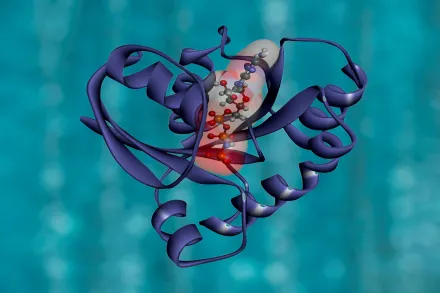

Lymphoma is a broad category of cancers that originate in the lymphatic system, a complicated network of immune cells, vessels, and organs that help protect the body from infections and carry out immune surveillance. Within this category, two major groups stand out: Hodgkin lymphoma and non-Hodgkin lymphoma. Each group contains multiple subtypes with distinct biological features, patterns of spread, and responses to treatment. Chemotherapy occupies a central position in the systemic treatment of lymphoma because it uses cytotoxic drugs to targe...

Fibromyalgia is a complex chronic condition defined by widespread bodily pain that persists for months and is often accompanied by fatigue, sleep disruption, cognitive difficulties, and heightened sensitivity to touch. For many people, the journey toward relief begins with a recognition that pain clinics offer a different kind of framework than conventional single modality care. In these clinics, fibromyalgia is treated as a multifaceted syndrome that benefits from a deliberate blend of medical assessment, physical therapies, psychological supp...
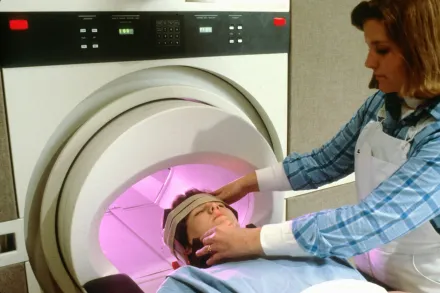
Radiation therapy is a treatment modality that uses high energy waves or particles to damage the DNA inside cancer cells, with the intention of slowing their growth or causing them to die. The same physical mechanism that targets tumor cells can also affect nearby healthy tissues, which leads to side effects. The likelihood and severity of these effects are influenced by many factors, including the type and energy of the radiation, the total dose delivered, how the dose is divided over time (a concept known as fractionation), and the specific l...

In the wake of a stroke, physical therapy functions as a structured, patient centered pathway designed to reduce disabling consequences and restore meaningful movement. Therapists begin by appreciating the unique pattern of weaknesses, spasticity, sensory changes, and cognitive demands each person faces, recognizing that recovery unfolds along multiple domains rather than a single metric. The core objectives are to limit secondary complications such as contractures, pressure injuries, and deconditioning, to promote safe mobility and independenc...
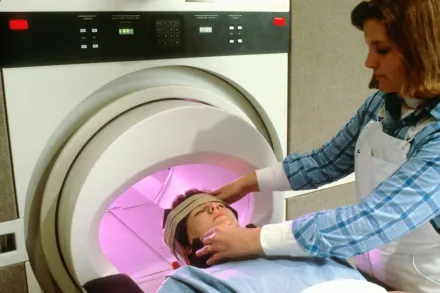
Radiotherapy is a powerful medical tool used to treat many forms of cancer. It uses energy to damage the DNA of cancer cells with the goal of stopping their ability to grow and divide. Modern radiotherapy is highly precise, designed to deliver high doses to malignant tissues while sparing surrounding healthy tissue as much as possible. In practice, this means that patients may receive a carefully planned sequence of treatments over weeks, often in daily sessions that fit into busy lives. Radiotherapy is commonly used as a primary treatment for ...

Understanding how antidepressants work begins with appreciating the basic architecture of the brain and how it uses chemistry to regulate mood, motivation, and resilience. Neurons communicate through chemical messengers called neurotransmitters, which travel across tiny gaps known as synapses. The balance and timing of signals among networks in the limbic system, the prefrontal cortex, and subcortical regions create circuits that support emotion, reward, attention, and stress regulation. When these circuits fall into maladaptive patterns, persi...

The human immunodeficiency virus, or HIV, presents a unique challenge because it is a tiny, highly adaptable retrovirus that exploits the machinery of the human immune system to replicate. This virus attacks the very cells that coordinate the immune response, primarily CD4+ T cells, leaving the body more vulnerable to a wide range of infections and diseases. In the early years of the epidemic, HIV infection was often a rapidly progressive illness with a grim prognosis. Over time, scientists discovered a class of medicines that could interrupt t...

Influenza, commonly known as the flu, is a contagious respiratory illness caused by influenza viruses that circulate in humans and several animals. These viruses are notorious for their ability to change each year through genetic shifts and drifts, which can alter which strains predominate in a given season. The illness can range from a mild feverish illness to a severe respiratory disease that requires medical care, and in some cases it can lead to hospitalization or death, particularly among young children, older adults, pregnant individuals,...

Chronic pain is a pervasive and multifaceted experience that reaches beyond the limits of tissue injury and conventional healing timelines. It is not simply a symptom of a particular disease but a complex condition in its own right that emerges from an interaction of biology, psychology, and social context. This intricate tapestry means that pain becomes a lived reality that can modulate mood, cognition, sleep, activity levels, relationships, and overall quality of life. The word chronic signals duration, but it also carries implications about ...