Radiation oncology is a specialized medical field that sits at the intersection of physics, biology, and clinical care, dedicated to the diagnosis, treatment, and ongoing management of cancer using ionizing radiation. The discipline grew from a convergence of scientists who sought to understand how high energy particles interact with cellular structures, and clinicians who recognized the potential to destroy malignant cells while preserving as much healthy tissue as possible. Over the decades, advances in imaging, treatment planning, and biolog...
Medicine & Treatments
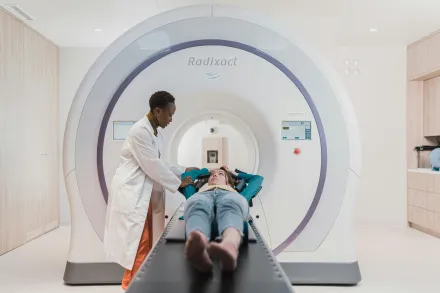
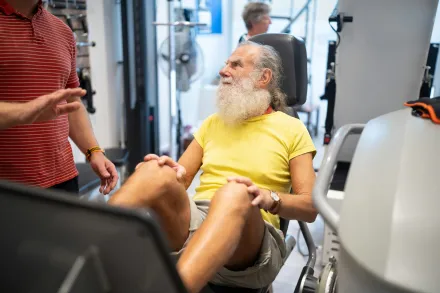
Stroke represents a medical emergency in which the flow of blood to a portion of the brain is abruptly interrupted or a vessel within the brain tears, leading to tissue damage. The consequences vary widely, ranging from mild weakness to severe motor and cognitive impairment, and the recovery journey is deeply personal and dynamic. Physical therapy enters the scene as a central pillar of rehabilitation, translating medical stabilization into tangible improvements in movement, balance, strength, and endurance. The essence of physical therapy in t...
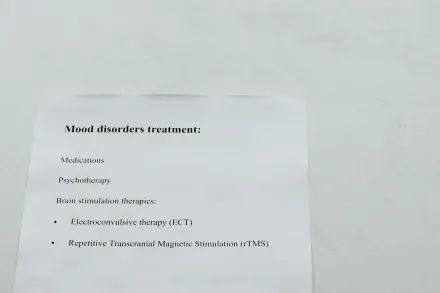
In the last several decades, medical science has moved from broad, one-size-fits-all interventions to a nuanced landscape where therapies are tailored to individuals. This transformation is driven by advances in biology, technology, and data that collectively enable doctors to prevent, diagnose, and treat diseases with greater precision, efficiency, and safety. The modern approach is not only about new drugs or devices; it is a philosophy of care that emphasizes understanding the underlying mechanisms of illness, the diversity of patient experi...

The process of choosing an antibiotic for a patient is a careful negotiation among scientific knowledge, clinical judgment, and practical realities. It begins with a recognition that infections arise in the context of a living host who may carry pathogens with diverse characteristics, and ends with a decision that aims to maximize efficacy while minimizing harm. Clinicians weigh what is most likely to succeed against what is safest for the individual, while also considering broader public health implications such as the potential for resistance...

Nutritional therapy stands at the intersection of food science, clinical care, and patient empowerment, offering a pathway by which dietary choices can influence health outcomes across a spectrum of diseases and rehabilitation scenarios. This approach is not merely about counting calories or prescribing supplements, but about integrating evidence based dietary patterns, nutrient timing, and individualized plans into a broader treatment strategy. In contemporary healthcare, nutrition is increasingly recognized as a therapeutic tool that can modu...
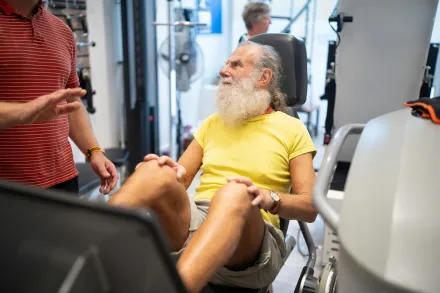
Physical therapy after joint replacement is a critical pillar of successful recovery that extends far beyond the clinical procedure itself. It is a structured, progressive and evidence guided process designed to restore movement, reduce pain, rebuild strength, and help patients resume meaningful activities with independence and confidence. At its core, physical therapy aims to reestablish the normal mechanics of the affected joint while protecting the healing tissues, preventing complications, and enabling the patient to participate in daily ta...
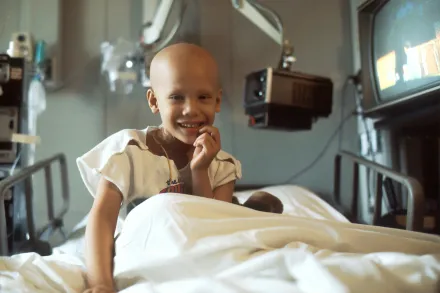
Leukemia represents a spectrum of hematologic cancers characterized by malignant transformation of blood and bone marrow cells, leading to abnormal production and function of white blood cells. The term chemotherapy refers to the use of cytotoxic drugs and other systemic agents that target rapidly dividing cells, a hallmark of many leukemic lineages. The marriage of chemotherapy with precise clinical reasoning has shaped how leukemia is diagnosed, staged, and treated, offering pathways to remission, long term disease control, and in some cases ...
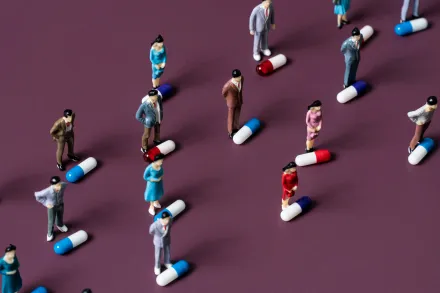
Choosing an antidepressant is a careful and iterative process that blends scientific evidence with personal context. It starts with understanding the patient’s current symptoms, medical history, and life situation, and it continues through ongoing assessment of response, side effects, and tolerability. Although guidelines provide a framework, the best selection is often the result of a collaborative conversation between clinician and patient, founded on trust, clear information, and a shared plan for monitoring and adjustment. The goal is not o...
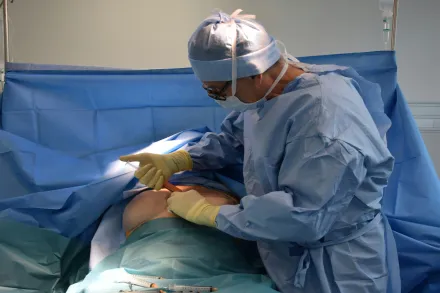
The field of orthopedics rests on a long tradition of seeking to restore function after injury or deformity. In the earliest records, practitioners learned to manipulate bones and soften soft tissues with makeshift tools, guided by empirical observation and careful trial and error. Over centuries, the art evolved into a science as surgeons began to document outcomes, refine techniques, and combine mechanical insight with a growing understanding of anatomy. The emergence of structured training, professional societies, and standardized procedures...
In the landscape of modern medicine, targeted therapy represents a shift from broad cytotoxic strategies to precise interventions that aim at the molecular roots of disease. The central idea is to identify vulnerabilities that are unique or highly enriched in malignant cells and to design interventions that exploit those vulnerabilities with minimal disruption to normal tissues. When executed with careful molecular profiling and rigorous clinical monitoring, targeted therapies can reduce the collateral damage that often accompanies traditional ...